
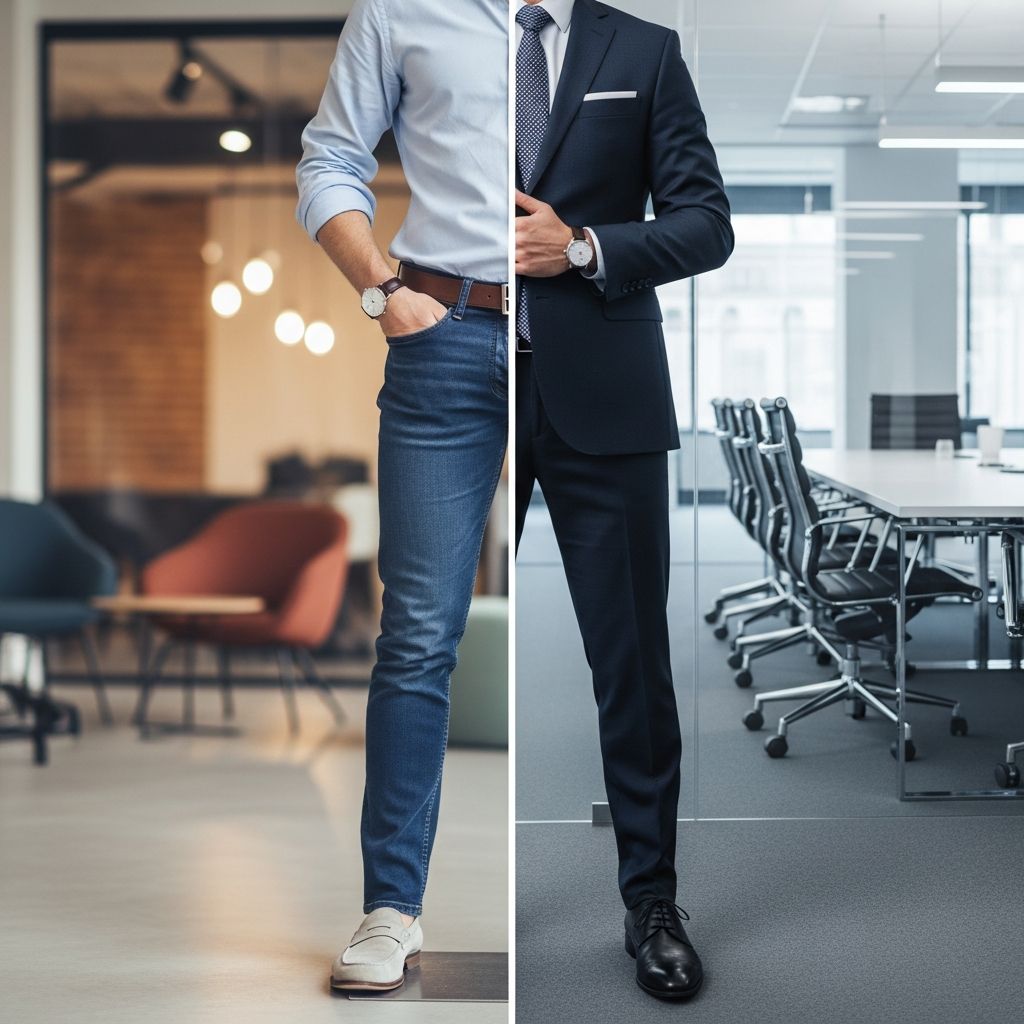
What you wear to an interview will not get you the job on its own, but it can strongly influence first impressions and signal how prepared, detail-oriented, and aligned with the organization you are. Research on hiring consistently shows that first impressions form quickly and are shaped by visual cues, including clothing and grooming. Choosing the right outfit is less about looking fancy and more about showing respect for the opportunity and demonstrating that you understand the company’s culture.
This guide walks you through how to decode a dress code, build outfits for different workplace types, and polish the details so your appearance supports your message rather than distracting from it.
Understanding Interview Dress Codes
Most interview wardrobes fit into a few broad categories. Knowing which one your target company uses helps you choose clothes that are appropriate without feeling over- or under-dressed.
| Dress Code | Overall Look | Typical Settings |
|---|---|---|
| Business formal | Conservative suit, muted colors, structured pieces | Finance, law, consulting, executive roles |
| Business professional | Polished separates or suit, less strict than formal | Established offices, many corporate roles |
| Business casual | Dress pants or chinos with collared shirt or blouse | Many tech, education, and nonprofit workplaces |
| Smart casual | Neat jeans or casual pants with a polished top and jacket | Startups, creative agencies, informal offices |
How to Research a Company’s Dress Culture
Before you choose an outfit, gather clues about how people at the organization usually dress:
- Study photos and videos on the company’s website, careers page, and social media to see what employees wear in everyday settings.
- Ask your contact or recruiter directly: “How do people typically dress for interviews at your office?”
- Check industry norms. Universities and career centers commonly recommend tailoring your outfit to industry standards while leaning slightly more formal than employees’ day-to-day attire.
- Note location and role. A design studio in a major city may lean trendier than a small regional accounting firm; customer-facing roles usually require more polish than strictly back-office roles.
Core Principles That Work in Any Interview
Regardless of dress code, a few universal principles apply almost everywhere.
- Neatness over fashion: Clothes should be clean, pressed, and in good repair; avoid stains, frayed edges, or missing buttons.
- Fit and comfort: Choose pieces that fit well and allow you to sit, stand, and walk comfortably. You want to focus on the conversation, not on adjusting your clothes.
- Subtlety: Use color and pattern sparingly. University career centers routinely recommend solid or gently patterned garments in neutral or muted tones for interviews.
- Low-distraction details: Keep jewelry, fragrance, and makeup understated so your skills and personality remain the focus.
- Alignment with your identity: Where possible, choose professional options that still feel authentic to your style, culture, and gender expression, as long as they meet the expectations of the workplace.
Business Formal Interview Outfits
Business formal is the most traditional category and is still common in law, high-level banking, certain consulting firms, and top leadership roles. In these settings, a full suit is typically expected.
Key Elements of a Business Formal Look
- Dark suit: A matching jacket and pants or skirt in navy, charcoal, or black; subtle pinstripes are sometimes acceptable.
- Structured shirt or blouse: Long-sleeved, in white or light tones, with a collar or clean neckline.
- Conservative footwear: Closed-toe shoes in black or brown leather or leather-like material; keep heel height moderate if you wear heels.
- Minimal accessories: Simple watch, small earrings if desired, and understated belt or tie in muted colors and classic patterns.
In very formal environments, small details matter. Career services guidelines often recommend that socks match the suit, belts match shoes, and jackets remain buttoned while standing and unbuttoned while sitting to maintain a polished silhouette.
Business Professional: Polished but Slightly Flexible
Business professional is common in many corporate offices, government roles, and established organizations that are not strictly formal. You still want a sharp, professional look, but you have more options in colors and separates.
Business Professional Outfit Ideas
- Coordinated separates such as dress pants or a skirt with a tailored blazer and a collared shirt or refined blouse.
- Sheath or structured dress in a solid or subtle pattern paired with a blazer for added formality.
- Muted color palette including navy, gray, black, and soft earth tones; small patterns like thin stripes or checks are typically fine.
- Closed-toe shoes like loafers, oxfords, or low-to-medium heels with a clean finish and neutral color.
Compared with business formal, you can introduce a bit more personality—a colored shirt, a patterned scarf, or a more modern silhouette—while keeping the overall impression professional and composed.
Business Casual: Most Common for Office Interviews
Business casual is now very common in tech, education, nonprofits, and many modern offices. University and employer guides agree that business casual for interviews should still look more polished than everyday office wear: think “relaxed professional,” not “weekend.”
Typical Business Casual Components
- Bottoms: Chinos, dress pants, or a knee-length skirt in solid or subtle patterns.
- Tops: Button-down shirt, blouse, or fine-gauge knit top; collars are common but not mandatory.
- Layers: Optional blazer, cardigan, or simple jacket that can elevate the look if the office turns out to be more formal than expected.
- Shoes: Flats, loafers, oxfords, or low heels; avoid athletic sneakers unless industry norms clearly support them.
Denim is a gray area. Many career services recommend avoiding jeans for interviews unless you are certain they are acceptable, in which case a dark, well-fitted pair with no distressing is safest.
Smart Casual and Creative Environments
Startups, creative agencies, small nonprofits, and some tech teams may dress very casually, but showing up for an interview exactly as employees do can make you seem unprepared. Academic and career sources suggest aiming at least one step more formal than the everyday norm.
Smart Casual Options That Still Look Professional
- Dark, well-fitting jeans or casual pants with no holes or heavy fading.
- Polished top such as a blouse, knit sweater, or neat T-shirt under a structured jacket.
- Unstructured blazer or jacket in a soft fabric to bridge the gap between casual and formal.
- Clean footwear like leather sneakers, loafers, or ankle boots, depending on the company’s vibe and your role.
- Thoughtful color and pattern that express creativity without appearing loud or distracting in a professional setting.
Grooming, Accessories, and Subtle Details
Once you have chosen your outfit, the details complete the impression. Professional guidance from university career centers emphasizes that clean, well-maintained grooming sends a strong signal of reliability and respect for the opportunity.
Grooming Essentials
- Hair: Neat, clean, and styled away from your face so that it does not distract you or your interviewer.
- Hands: Clean nails trimmed to a practical length; if you use nail polish, choose a neat application and avoid heavily chipped finishes.
- Fragrance: Keep cologne or perfume, if any, very light to avoid triggering sensitivities or allergies.
- Makeup: If you wear makeup, consider a natural or subtle look that will not shift attention away from what you are saying.
Accessories That Enhance (Not Distract)
- Jewelry: Simple pieces such as a watch, small earrings, or a single necklace are usually best for interviews.
- Bags: A structured tote, briefcase, or backpack in good condition that can hold copies of your resume and any materials you need.
- Belts and ties: Match belts to shoes where possible; keep ties in classic widths and patterns.
- Technology: Silence your phone and keep devices out of sight during the conversation.
What Not to Wear to Most Interviews
Every workplace is different, but several categories of clothing and styling are widely discouraged for interviews, especially when you are unsure of the culture.
- Clothing with holes, tears, or obvious wear, even if intentional.
- Athletic wear such as gym leggings, sweatpants, or workout hoodies.
- Graphic T-shirts with large logos, slogans, or potentially controversial messages.
- Overly revealing pieces, including very short hemlines or low necklines.
- Extremely bright or flashing accessories that dominate your appearance.
- Dirty or heavily scuffed shoes that clash with an otherwise polished outfit.
Adapting Interview Attire to Your Needs and Identity
Professional attire should not force you to erase your identity. Most employers focus on whether you look respectful, put together, and aligned with the environment—not on whether you follow a single rigid standard. You can aim for professionalism while also considering comfort, culture, and accessibility.
- Comfort and accessibility: If you use mobility aids or require specific footwear or fabrics, select options that prioritize your health and comfort within the broad expectations of neat, clean, and intentional clothing.
- Cultural or religious dress: Items such as head coverings or religious jewelry can typically be incorporated easily into business attire by pairing them with classic, professional garments.
- Gender expression: Choose silhouettes that affirm your identity while still aligning with the formality level of the organization—such as tailored pants and a blazer, whether or not those are traditionally marketed to your gender.
Quick Preparation Checklist
Use this checklist the day before your interview to reduce stress and avoid last-minute surprises.
- Confirm the company’s dress expectations using your research and any guidance from the recruiter.
- Lay out your outfit from head to toe, including socks or hosiery, shoes, belt, bag, and any accessories.
- Inspect for stains, missing buttons, and wrinkles; iron or steam items as needed.
- Do a brief comfort test: sit, stand, and walk in your outfit to ensure it moves well and feels secure.
- Pack a simple emergency kit with tissues, a small comb or brush, and anything else you might need to quickly tidy up after your commute.
Frequently Asked Questions About Interview Outfits
Q: Is it possible to be overdressed for an interview?
If you arrive in very formal attire to a clearly casual workplace, you might feel out of place, but most hiring professionals and career services suggest it is usually safer to be slightly more formal than the company norm rather than too casual. The key is not to exceed the culture by several levels (for example, wearing a tuxedo-like suit to a relaxed tech startup).
Q: What if I do not own a suit?
You can still dress professionally without a full suit. A combination of dress pants or a skirt, a collared shirt or blouse, and a blazer or structured cardigan often fits business professional or business casual standards. Community organizations, campus career closets, and some nonprofits also provide access to professional clothing at low or no cost in many regions.
Q: Are visible tattoos or piercings acceptable in interviews?
Many workplaces are increasingly accepting of tattoos and piercings, especially in creative, tech, or younger environments. However, highly traditional industries may still prefer a more conservative appearance. When in doubt, you can choose to minimize more conspicuous piercings or cover tattoos if it is easily done, then adjust after you understand the company’s culture.
Q: Should my interview outfit change for a virtual interview?
Yes and no. You should still dress according to the company’s formality level from at least the waist up, since that is what appears on camera, and doing so can also help you feel more professional. Make sure your top half—shirt, blouse, or jacket—meets the same standards you would use in person, and keep patterns, jewelry, and backgrounds simple so they do not distract on screen.
Q: How many outfits do I need if I have multiple interview rounds?
You do not need a completely different wardrobe for every round. Instead, build a small set of mix-and-match pieces—such as two shirts and one blazer with one pair of pants or a skirt—that you can rotate. Changing your shirt, tie, or accessories can make the outfit feel fresh while keeping costs and planning manageable.
References
- How to Dress for an Interview — University of Cincinnati, Campus Life Career Education. 2023-08-01. https://www.uc.edu/campus-life/career-co-op-support/interviews/how-to-dress.html
- How to Dress for Every Type of Job Interview — Montana State University Billings, Career & Employment Services. 2023-01-15. https://www.msubillings.edu/careers/pdf/How%20to%20Dress%20for%20Every%20Type%20of%20Job%20Interview%202023.pdf
- How To Dress for a Job Interview — Indeed Career Guide. 2022-11-10. https://www.indeed.com/career-advice/interviewing/how-to-dress-for-a-job-interview
- Dressing for an Interview — University of North Texas, Career Center. 2022-05-20. https://careercenter.unt.edu/resources/dressing-for-an-interview/
- Interview and Workplace Attire — Temple University Career Center. 2023-03-30. https://careercenter.temple.edu/students/fly/interview-and-workplace-attire
- How to Dress for a Job Interview — Purdue Global Career Services. 2023-04-12. https://www.purdueglobal.edu/blog/careers/how-to-dress-job-interview/
- What to Wear to an Interview: Guide — Coursera Career Academy. 2024-02-18. https://www.coursera.org/articles/what-to-wear-to-an-interview

Medha Deb is an editor with a master's degree in Applied Linguistics from the University of Hyderabad. She believes that her qualification has helped her develop a deep understanding of language and its application in various contexts. Medha specializes in the areas of beauty, health, sports, and wellness and is committed to ensuring that the content on the website is…