
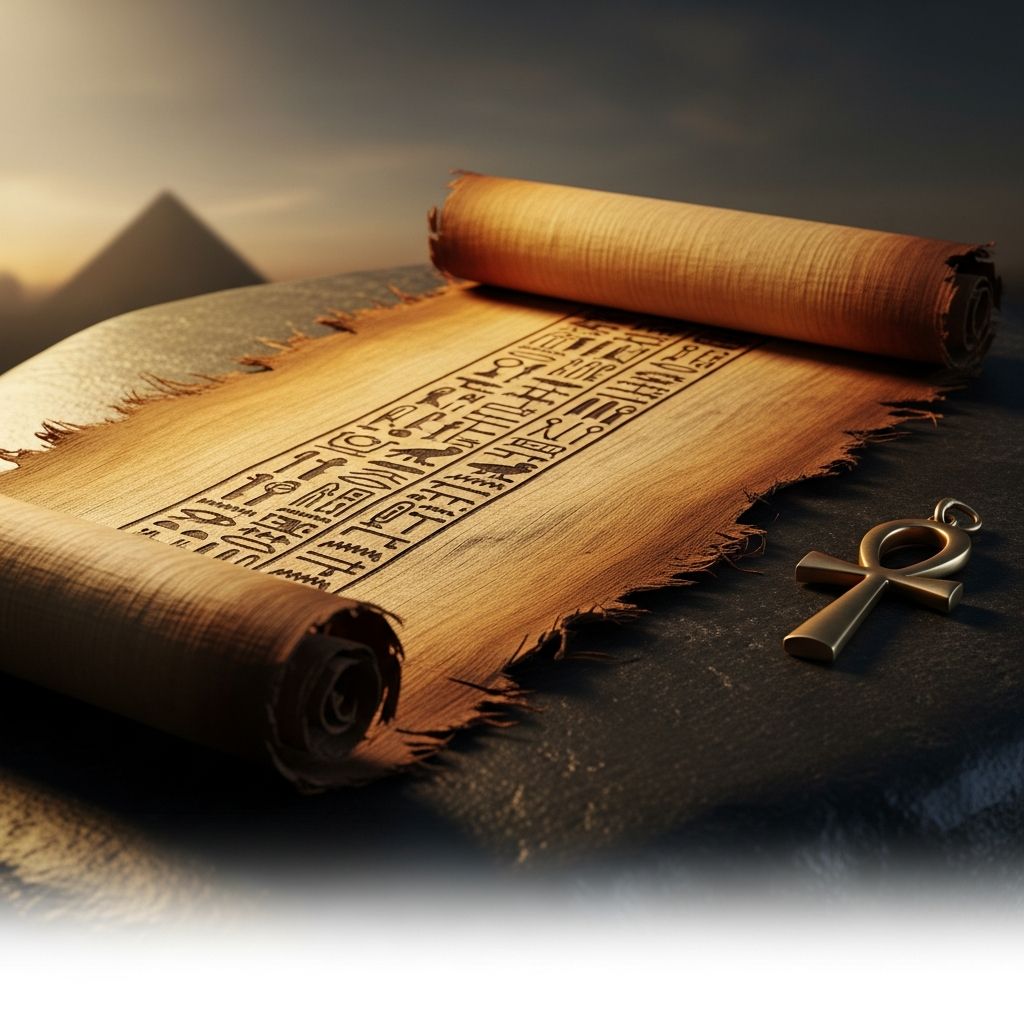
The land we call **Egypt** today carried profound names in antiquity, each reflecting its geography, spirituality, and cultural identity. Ancient inhabitants referred to their fertile Nile homeland as **Kemet**, evoking the dark, life-giving soil, while outsiders coined terms like **Aigyptos** and **Misr** that shaped global nomenclature.
The Heartland: Kemet, the Black Land
At the core of ancient Egyptian identity was **Kemet**, a term meaning “black land.” This name celebrated the rich, ebony-hued silt deposited by the Nile’s annual floods, contrasting sharply with the barren **Deshret**, or “red land,” of the surrounding deserts.
The fertile Kemet stretched along the Nile Valley, sustaining one of humanity’s earliest civilizations from around 3150 BC when Upper and Lower Egypt unified under leaders like Narmer. This duality—black soil versus red sands—mirrored the Egyptian worldview, where the river was a vein of prosperity amid desolation.
Archaeological evidence from floodplains reveals how this soil enabled bountiful harvests of emmer wheat, barley, and flax, supporting monumental architecture like pyramids and temples. The name Kemet persisted into the Coptic era as “kēme,” influencing later Greek “Khēmía,” hinting at alchemy’s roots in Egypt’s fertile mystique.
From Memphis to the World: The Rise of Aigyptos
Greeks, arriving via trade and conquest, dubbed the land **Aígyptos** (Αἴγυπτος), the root of our modern “Egypt.” This derived from Late Egyptian **Hikuptah** (or Hwt-ka-Ptah), meaning “House of the Ka (soul) of Ptah.” Ptah, Memphis’s creator god, embodied craftsmanship and order.
Memphis, near modern Cairo, was Egypt’s political heart during the Old Kingdom. Foreigners, unfamiliar with Kemet’s full scope, applied this city-specific name to the entire realm—a classic metonymy seen in how “China” stems from Qin dynasty. Strabo speculated alternative folk etymologies, like “Aigaiou huptiōs” (under the Aegean), but linguistic consensus favors the Ptah connection.
Through Latin **Aegyptus** and Middle French **Egypte**, it entered English as **Egypt** by Old English times. This evolution underscores cultural exchange: Herodotus’s histories popularized Aigyptos, blending myth with observation.
Semitic Echoes: Misr and Its Ancient Roots
In Semitic tongues, Egypt was **Misr** (مصر), its official Arabic name today, pronounced “Maṣr” colloquially. This traces to Akkadian **miṣru** (oldest attestation) and Hebrew **Mitzráyim**, possibly meaning “border” or “fortress,” apt for Egypt’s continental bridge role.
Biblical Mizraim, son of Ham, reinforced this, with “-aim” denoting dual Upper/Lower Egypt. Akkadian variants like **miṣirru** evoked protective frontiers, mirroring Nile cataracts and delta marshes as natural defenses. Early Arab travelers affectionateized it as **Misr El Mahrousa** (Protected Egypt), crediting divine and geographic safeguards.
Regional and Poetic Designations
Beyond binaries, Egyptians used evocative names. **Tꜣ-mry** meant “land on the riverbank,” nodding to the Nile or Red Sea. Upper Egypt was **Ta-Sheme’aw** (Sedgeland) for its marshes; Lower Egypt, **Ta-Mehew** (Northland).
Medieval Arabs bestowed **Om el Donia** (Mother of the World) from the 13th century, honoring Egypt’s cradle-of-civilization status in folklore and travelogues. These poetic layers reveal enduring reverence for the Nile’s gift.
Names in Sacred Texts and Trade
The Quran employs **Misr** over 50 times, solidifying its Islamic legacy. Hebrew texts dualize as **Mitzráyim**, reflecting geographic split. Canaanites and Akkadians traded under **miṣru**, linking Egypt to Bronze Age networks.
Greek **Aigyptos** birthed **Copt** (via Gyfti/Aegypti), naming Egypt’s Christian descendants. This nomenclature web illustrates Egypt’s crossroads role.
Comparative Table of Egypt’s Names
| Era/Language | Name | Meaning/Origin | Modern Equivalent |
|---|---|---|---|
| Ancient Egyptian | Kemet | Black land (fertile soil) | Egypt |
| Late Egyptian | Hikuptah | House of Ptah’s soul (Memphis) | Aigyptos → Egypt |
| Semitic (Akkadian) | Miṣru | Border/fortress | Misr |
| Hebrew/Biblical | Mitzráyim | Dual lands (Upper/Lower) | Misr |
| Greek | Aígyptos | From Hikuptah | Egypt |
| Arabic (Modern) | Misr / Maṣr | Country/province | Egypt |
| Poetic Arabic | Om el Donia | Mother of the World | Egypt (affectionate) |
Cultural Significance of Naming
Names weren’t mere labels; they encoded worldview. **Kemet** tied prosperity to Nile cycles, fostering agricultural theology. **Deshret** warned of chaos beyond, paralleling cosmic order (Ma’at). Foreign names like Aigyptos commodified Egypt as a Memphis-centric wonder, fueling Hellenistic fascination.
**Misr**’s Semitic resilience highlights Egypt’s Levantine ties, from Hyksos invasions to Islamic conquests. Today, “Masr” pulses in Cairo streets, blending ancient resilience with modern identity.
These terms influenced science (**chemistry** from Kemet/Khēmía), religion (Coptic Church), and geopolitics, proving language’s power in shaping history.
Frequently Asked Questions (FAQs)
What did ancient Egyptians call their country?
They called it **Kemet**, referring to the black fertile soil of the Nile Valley, distinguishing it from the red desert (**Deshret**).
How did ‘Egypt’ get its name?
‘Egypt’ derives from Greek **Aígyptos**, a mispronunciation of Egyptian **Hikuptah** (‘House of the Soul of Ptah’), the name of Memphis applied to the whole land.
What is Egypt’s Arabic name and its origin?
Officially **Misr** (Masr in dialect), from Semitic roots like Akkadian **miṣru** (border), cognate with Hebrew **Mitzráyim**.
Did ancient Egyptians use other names for regions?
Yes, **Tꜣ-mry** (riverbank land), **Ta-Sheme’aw** (Upper Egypt/Sedgeland), and **Ta-Mehew** (Lower Egypt/Northland).
Is ‘Mother of the World’ an ancient name?
It’s a medieval Arabic endearment (**Om el Donia**) from the 13th century, celebrating Egypt’s civilizational primacy.
Legacy in Modern Consciousness
Egypt’s nomenclature mosaic endures: tourists marvel at Giza under “Egypt,” locals say “Masr.” Kemet inspires Afrocentric reclamation, Misr unites 100 million Arabs. This linguistic tapestry—woven from soil, gods, borders, and poetry—affirms Egypt’s eternal allure as civilization’s dawn.
Understanding these names demystifies a pharaonic world, revealing how a river-bound people named eternity itself.
References
- How Did Egypt Get Its Name? — World Atlas. 2023-05-15. https://www.worldatlas.com/articles/how-did-egypt-get-its-name.html
- Egypt – Etymology, Origin & Meaning — Etymonline. 2024-01-10. https://www.etymonline.com/word/Egypt
- The Names Given to Egypt Throughout History — CSA Living. 2022-08-22. https://csa-living.org/oasis-blog/the-names-given-to-egypt-throughout-history
- What’s the REAL Story Behind EGYPT’S Name? — YouTube (World of Antiquity). 2023-11-12. https://www.youtube.com/watch?v=bbOPyNWmOBw
- Ancient Egypt — Wikipedia (citing primary Egyptological sources). 2026-04-01. https://en.wikipedia.org/wiki/Ancient_Egypt

Medha Deb is an editor with a master's degree in Applied Linguistics from the University of Hyderabad. She believes that her qualification has helped her develop a deep understanding of language and its application in various contexts. Medha specializes in the areas of beauty, health, sports, and wellness and is committed to ensuring that the content on the website is…