
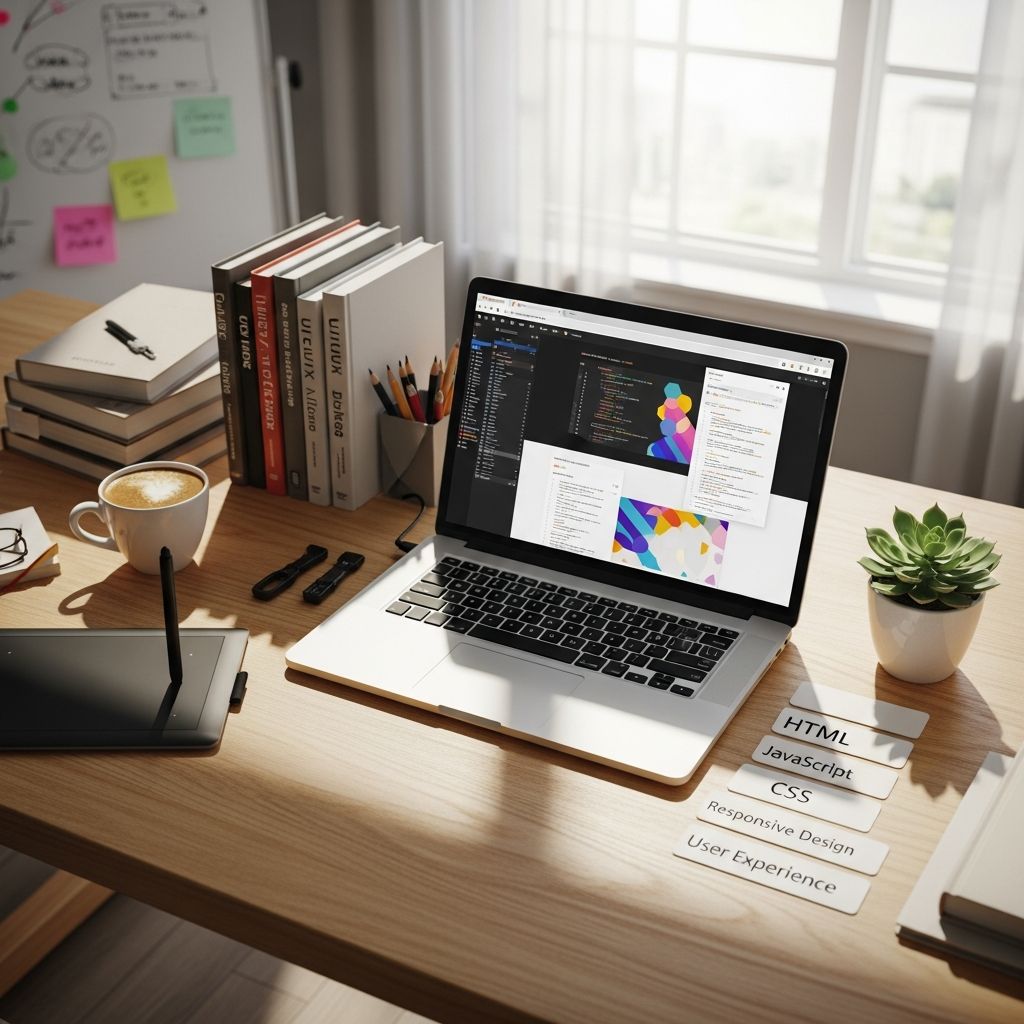
Understanding the Web Design Profession
Web design represents a dynamic intersection of creativity, technical expertise, and problem-solving that has become increasingly central to how businesses operate in the digital age. The profession encompasses far more than simply making websites visually appealing—it involves strategic thinking about user experience, functional architecture, and business objectives. Web designers must balance aesthetic principles with technical constraints, creating digital environments that serve both users and organizational goals.
The role has evolved significantly as technology has advanced and user expectations have grown more sophisticated. Modern web designers are expected to understand not just the visual presentation layer, but also how their design choices impact user behavior, accessibility, conversion rates, and overall business performance. This multifaceted nature makes web design a particularly compelling career for individuals who enjoy solving complex problems through creative thinking.
Core Responsibilities and Daily Activities
A typical web designer’s day involves a varied set of tasks that demand both creative and technical abilities. The foundation of the role centers on planning and conceptualizing digital experiences, translating client requirements and business goals into functional design solutions. This often begins with client meetings where designers gather information about objectives, target audiences, brand identities, and specific functionality requirements.
Beyond initial planning, web designers spend considerable time creating visual assets and prototypes. This includes developing wireframes that outline page structure and user flows, creating mockups that showcase visual design direction, and building interactive prototypes that demonstrate how users will interact with the interface. These deliverables serve as communication tools between designers, developers, clients, and stakeholders.
Technical implementation forms another significant portion of the work. Designers must code websites using languages such as HTML and CSS, ensure designs function properly across different browsers and devices, and troubleshoot technical issues that arise during development or after launch. Additionally, designers manage ongoing website maintenance, updates, and optimization efforts. This includes making improvements based on user feedback, fixing broken functionality, keeping content fresh, and improving search engine visibility through strategic design choices.
Essential Technical and Creative Skills
Success in web design requires developing proficiency across multiple skill domains. The foundation begins with visual design principles—understanding color theory, typography, composition, and visual hierarchy. These fundamentals enable designers to create interfaces that are not only beautiful but also effective at guiding user attention and communicating information clearly.
Programming knowledge forms the backbone of practical web design work. Proficiency in HTML and CSS is absolutely essential, as these languages directly structure and style web content. Many roles also require JavaScript knowledge, particularly for creating interactive elements and dynamic functionality. Understanding how to work with front-end frameworks like React, Vue, or Angular increasingly distinguishes experienced designers from entry-level candidates, expanding career opportunities and earning potential.
Responsive design capability has become non-negotiable in contemporary web design. Designers must create interfaces that function beautifully and intuitively across desktop computers, tablets, and mobile phones. This requires both technical implementation skills and a thoughtful approach to how information hierarchy and interaction patterns change across different screen sizes.
User experience and user interface design principles represent increasingly important skill sets. Understanding UX means designing with empathy for users, researching their needs and pain points, and creating solutions that genuinely solve problems. UI skills involve crafting the specific visual and interactive elements that comprise the interface. These disciplines have become so central to the profession that many designers specialize exclusively in UX or UI work.
Familiarity with design and development tools has become essential. Adobe Creative Suite programs like Photoshop and Illustrator remain industry standards for creating visual assets. Content management systems like WordPress have made web design more accessible to clients and designers alike. Version control systems like Git enable effective collaboration with other developers. Understanding these tools and staying current with emerging software represents an ongoing professional responsibility.
Beyond technical skills, web designers benefit significantly from SEO knowledge. Understanding how design choices impact search visibility, how to structure content for discoverability, and how to optimize page performance all contribute to creating designs that deliver real business value.
Professional Soft Skills and Collaboration
While technical and creative abilities form the foundation, professional success in web design equally depends on soft skills that facilitate effective collaboration and client management. Communication abilities top this list—designers must articulate design decisions to non-technical stakeholders, gather requirements effectively from clients, and explain technical limitations and possibilities in accessible language.
Project management and time management skills keep design work on schedule and within scope. Web design projects involve juggling multiple competing demands, coordinating with developers and other team members, and managing client expectations. The ability to estimate timelines realistically, prioritize tasks effectively, and adjust plans when circumstances change distinguishes reliable designers from those who struggle with deadlines.
Problem-solving orientation characterizes successful designers. Rather than creating designs in isolation and presenting them as final solutions, effective designers approach each project as a series of problems to solve. When clients reject initial concepts, when technical limitations prevent certain ideas, or when user testing reveals unexpected issues, designers must adapt quickly and find creative alternative solutions.
Collaborative mindset enables designers to work effectively within team environments. Web projects inherently involve multiple stakeholders—clients with business objectives, developers who will implement designs, marketing teams who will promote the site, and end users who will interact with it. Designers who can bridge these perspectives and find solutions that satisfy multiple stakeholders become invaluable team members.
Career Progression and Specialization Opportunities
Web design offers multiple pathways for career advancement and specialization. Early-career designers typically work on smaller, more straightforward projects, gradually building portfolios and experience. Within a few years, designers often move toward more complex projects, potentially leading smaller initiatives and contributing significantly to larger efforts. This progression naturally develops deeper expertise in specific areas.
Specialization represents a particularly valuable career strategy in web design. Rather than remaining generalists, many successful designers develop deep expertise in specific areas such as e-commerce design, SaaS platform design, user experience research, or user interface design. Specialists typically command higher starting salaries and greater lifetime earning potential than generalists working at similar experience levels.
Advanced positions include senior designer roles where individuals oversee design direction for multiple projects and mentor junior team members. Creative director positions involve setting overall aesthetic and strategic direction for organizations’ digital presence. Some designers transition into management, leading entire design departments or teams. Others pursue independent work as freelancers or agency owners, building their own client bases and determining their own project direction.
Technical specialization also opens doors. Designers who develop strong full-stack development capabilities—understanding both front-end design and back-end functionality—significantly increase their marketability and earning potential. Similarly, designers who develop expertise in emerging technologies like artificial intelligence integration, motion design, or immersive web experiences position themselves at the forefront of the field.
Compensation and Job Market Outlook
The financial outlook for web design careers remains attractive compared to many professional fields. Entry-level web designers typically earn between $45,000 and $71,000 annually. With two to five years of experience, mid-level designers average around $60,000 to $75,000, though actual compensation varies based on geographic location, employer size, and specialization. Senior web designers and creative directors can earn $104,000 annually or higher, with some senior management roles reaching $180,000 or above.
The broader job market for web design remains robust. Employment projections suggest growth rates of 23 to 27 percent through 2034, significantly outpacing average growth across all professions. This growth reflects the continuing centrality of digital presence to business success across virtually every industry sector. Organizations increasingly recognize that effective web design directly impacts customer acquisition, conversion rates, and brand perception.
Geographic location influences compensation, with major technology hubs and urban centers typically offering higher salaries than less densely populated areas. Remote work opportunities have expanded significantly, allowing designers to access higher-paying positions regardless of physical location. Freelance and agency work may offer different compensation structures than full-time employment, with project-based pricing potentially providing higher hourly rates but less predictable income.
Getting Started in Web Design
Entering the web design field does not necessarily require a four-year degree, though some individuals pursue that path. Many successful designers build careers through bootcamp programs, online courses, and self-directed learning that teaches specific technical and design skills. The key is developing genuine proficiency in core competencies and building a strong portfolio that demonstrates ability to create effective digital solutions.
Building an impressive portfolio represents the most important credential for breaking into web design. Potential employers and clients want to see concrete examples of design work, understanding of user needs, and ability to balance aesthetics with functionality. Portfolio projects need not all be paid commercial work—thoughtfully designed personal projects, redesigns of existing sites, or pro bono work for nonprofits all demonstrate capability effectively.
Staying current with evolving technologies and design trends remains essential throughout a web design career. The field changes rapidly as new tools, frameworks, and best practices emerge. Successful designers commit to continuous learning, whether through formal courses, industry publications, conferences, or experimentation with new technologies.
Advantages and Challenges of Web Design Work
Web design careers offer genuine professional satisfaction for the right individuals. The work provides constant creative challenges—every new project presents unique constraints and opportunities requiring fresh thinking. The field allows designers to see their work come to life and directly impact user experiences, providing tangible evidence of professional contribution. For individuals who enjoy creating things, solving problems, and helping businesses succeed, web design offers meaningful work.
The collaborative nature of web design appeals to team-oriented professionals. Working alongside developers, copywriters, marketers, and clients builds professional relationships and provides opportunities for learning across disciplines. The networking inherent in design work can benefit career growth and open unexpected opportunities.
However, the field also presents genuine challenges. Client management can prove frustrating when stakeholders have conflicting visions or unrealistic expectations. Technical constraints may prevent implementation of ideal design solutions, requiring diplomatic negotiation and creative compromise. The rapidly changing technology landscape creates ongoing pressure to stay current and continuously learn new tools and approaches. Deadline pressure can be intense, particularly in agency environments or when managing multiple simultaneous projects.
Frequently Asked Questions
Q: What distinguishes web designers from web developers?
A: While the roles overlap somewhat and terminology varies by organization, web designers typically focus on visual presentation, user interface, and user experience, while web developers emphasize functionality and back-end implementation. Many professionals work across both domains, but specialists usually concentrate on one area.
Q: Is a degree necessary to become a web designer?
A: No formal degree is typically required. A strong portfolio demonstrating design capability and technical proficiency matters far more than educational credentials. Many successful designers build careers through bootcamps, online learning, and self-directed skill development.
Q: How long does it take to develop sufficient skills for employment?
A: Intensive bootcamp programs typically require 3-6 months of full-time study. Self-directed learning may take longer depending on commitment level and prior experience. Most aspiring designers need 6-12 months of dedicated learning before building a portfolio strong enough to secure employment.
Q: Can web designers work freelance or remote?
A: Yes, web design work is particularly well-suited to freelancing and remote arrangements. Many designers build successful independent practices, and remote positions are widely available across the industry.
Q: What’s the difference between UX and UI design?
A: UX (user experience) design focuses on the overall user journey, research, and solving user problems. UI (user interface) design involves creating the specific visual and interactive elements. Both are essential to creating successful digital products, and many designers work across both disciplines.
Q: How much can I earn as a freelance web designer?
A: Freelance earnings vary widely based on experience, specialization, and client base. Entry-level freelancers might charge $30-50 hourly, while experienced specialists can command $75-150+ hourly or project-based fees ranging from several hundred to tens of thousands of dollars.
References
- Web Developers and Digital Designers — U.S. Bureau of Labor Statistics. 2024. https://www.bls.gov/ooh/computer-and-information-technology/web-developers.htm
- What Is the Average Web Designer’s Salary in 2025? — Elementor. 2025. https://elementor.com/blog/what-is-the-average-web-designers-salary/
- 12 Skills You Need to Be a Web Designer in 2025 — Skillcrush. 2025. https://skillcrush.com/blog/be-a-successful-web-designer/
- How to Become a Web Designer in 2025 — NEIT. 2025. https://www.neit.edu/blog/how-to-become-a-web-designer
- Is Web Design the Right Career Choice for You? — Champlain College Online. https://online.champlain.edu/blog/is-web-design-good-career
- Web Designer Job Outlook — Noble Desktop. https://www.nobledesktop.com/careers/web-designer/job-outlook
- Is Web Design a Good Career? (2025 Guide) — BrainStation. 2025. https://brainstation.io/career-guides/is-web-designer-a-good-career

Medha Deb is an editor with a master's degree in Applied Linguistics from the University of Hyderabad. She believes that her qualification has helped her develop a deep understanding of language and its application in various contexts. Medha specializes in the areas of beauty, health, sports, and wellness and is committed to ensuring that the content on the website is…