
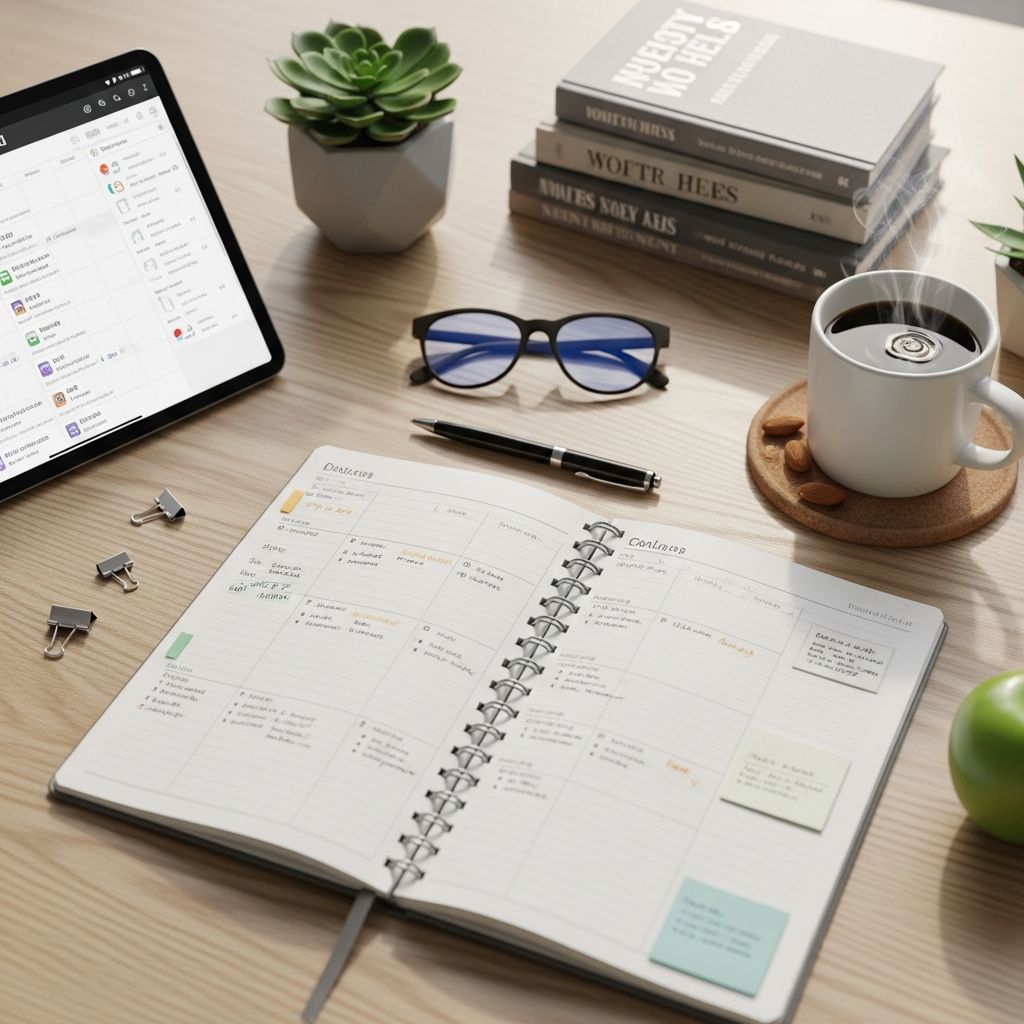
Why Daily Planning Matters More Than You Think
In our fast-paced world filled with endless distractions and competing priorities, the simple act of planning your day has become one of the most powerful yet underutilized tools for success. Many professionals and individuals struggle to manage their time effectively, often feeling overwhelmed by the sheer volume of tasks demanding their attention. The reality is that intentional planning directly engages your brain’s executive function, guiding your focus toward what truly matters and creating a structured path for consistent progress.
Research reveals a compelling statistic: just 10 to 12 minutes of deliberate morning planning can recover nearly 2 hours of lost time and boost overall productivity by 25 percent. Despite this remarkable finding, an estimated 82 percent of people continue to work without any formal planning routine, essentially leaving significant productivity gains on the table. This gap between knowing the benefits and actually implementing planning practices represents one of the most significant missed opportunities in personal and professional development.
The cognitive science behind planning shows that when you take time to map out your day in advance, you dramatically reduce decision fatigue. Every choice we make throughout the day depletes our mental energy, and by establishing a predetermined plan, you preserve valuable cognitive resources for more important decisions. This mental preservation translates directly into improved focus, better decision-making quality, and sustained productivity throughout your workday.
Understanding the Cognitive Benefits of Structured Daily Planning
The human brain operates with limited attentional resources. When you fail to plan, your mind constantly switches between different tasks, priorities, and decisions, each requiring energy and focus. Planning eliminates this unnecessary cognitive overhead by creating clear boundaries and predetermined actions for your day.
Research demonstrates that implementing a daily planning routine reduces arbitrary decisions by up to 67 percent, thereby preserving critical mental energy for strategic thinking and creative problem-solving. Additionally, improved goal clarity through planning cuts task-switching losses by over 40 percent, meaning you maintain better focus and experience fewer disruptions throughout your workday.
Beyond decision reduction, planning provides a reliable cue for sustained attention and flow state achievement. When your brain knows what comes next and why it matters, entering a focused, deep-work state becomes considerably easier. This consistency in attention translates into elevated daily completion rates through segmented task blocks, where you dedicate specific time windows to specific types of work.
Selecting the Right Planning Method for Your Lifestyle
Different individuals have varying preferences when it comes to organizing their thoughts and managing their tasks. Understanding your natural working style is essential for creating a planning system you’ll actually maintain long-term.
Analog Planning: The Power of Pen and Paper
Paper-based planning systems offer unique psychological and practical benefits that digital alternatives sometimes cannot replicate. When you physically write down your tasks, commitments, and goals, you engage multiple sensory pathways that strengthen memory encoding and information retention. The tactile experience of putting pen to paper creates a stronger mental imprint than typing on a keyboard.
Paper planners work exceptionally well for individuals who sketch ideas, create mind maps, or prefer the tactile feedback of writing. They also eliminate digital distractions like email notifications and social media alerts. The simplicity of a paper system can be incredibly clarifying, forcing you to be intentional about what deserves space in your planner and thereby your attention.
The contemplative nature of handwriting promotes mindfulness and deeper reflection on your priorities. Unlike digital systems that encourage rapid input and multitasking, paper planning encourages you to slow down, think deliberately about your commitments, and align your daily actions with your broader values and objectives.
Digital Planning: Connectivity and Automation
Digital planners offer a distinctly different set of advantages, particularly for individuals who work across multiple devices and coordinate with teammates or family members. Digital systems integrate seamlessly with calendars, messaging platforms, and project management tools, keeping everything synchronized in real-time.
Key advantages of digital planning include instant synchronization across all your devices, automated reminders that ensure you never miss important deadlines, and the ability to easily set up recurring tasks and patterns. Additionally, digital platforms can provide real-time analytics on your time allocation and focus patterns, offering data-driven insights into your productivity trends. For those managing complex schedules or collaborating extensively with others, the connectivity features of digital planning prove invaluable.
Hybrid Approaches: Combining Both Methods
Many successful individuals employ hybrid systems that leverage the strengths of both approaches. You might use a digital calendar and task management system for scheduling and collaboration while maintaining a paper planning journal for reflection, goal-setting, and strategic thinking. This combination allows you to benefit from the organizational efficiency of digital tools while preserving the contemplative, intentional aspects of analog planning.
Building Your Personal Planning Framework
Creating an effective daily planning system requires establishing a structured approach that aligns with your work style and personal preferences. Your planning framework should include several essential components working together harmoniously.
Task Identification and Enumeration
Begin by capturing all tasks, commitments, and ideas currently residing in your mental space. This brain dump removes the cognitive load of remembering everything and creates a centralized list you can then organize strategically. Include work projects, personal commitments, appointments, and even smaller tasks you’ve been meaning to complete.
Priority Assessment and Ranking
Not all tasks carry equal weight. Implement a prioritization system that distinguishes between high-impact, urgent tasks and lower-priority items that can be scheduled for later. Consider both importance (impact on your goals) and urgency (immediate time sensitivity) when ranking your tasks. This ensures your most valuable hours focus on work that genuinely moves the needle on your objectives.
Time Allocation and Blocking
Assign specific time blocks to prioritized tasks rather than creating an open-ended to-do list. Time blocking creates accountability, establishes realistic expectations about what you can accomplish, and reduces the procrastination that often accompanies vague task lists. Include buffer time between blocks for unexpected interruptions, transitions between different work types, and brief mental breaks.
Progress Tracking Mechanisms
Incorporate a system for tracking your daily progress and completion. The visual and psychological reward of marking tasks complete provides motivation and builds momentum throughout your day. This tracking also creates a historical record showing your accomplishment patterns and productivity trends over time.
Transforming Your Planner Into a Performance Dashboard
Once you’ve established a basic planning system, you can elevate its usefulness by converting it into a personal performance analytics tool. Just as fitness enthusiasts track steps and calories to understand health patterns, tracking simple data points in your planner reveals productivity patterns and optimization opportunities.
Identifying Your Optimal Work Conditions
Track variables such as which times of day you produce your highest-quality work, which task types energize versus drain you, how many hours you realistically have for focused work versus administrative tasks, and how different scheduling approaches affect your completion rates. Over time, patterns emerge showing you exactly when and how you work best.
Converting Data Into Action
Use these insights actively to restructure your planning: Move your most demanding cognitive tasks into your peak energy blocks when your brain operates at maximum capacity. If tracking reveals a 20 percent productivity leap when you protect your mornings from meetings, establish meeting-free mornings as a non-negotiable policy. Shift lower-impact work into buffer slots between major projects or delegate tasks that consume time without advancing your key objectives.
By treating your planner as a feedback system rather than simply a task list, you create continuous improvement loops that keep optimizing your productivity over time.
Advanced Planning Strategies for Enhanced Results
Goal Alignment and Intentionality
Effective daily planning extends beyond task management to ensure your daily actions align with your broader objectives. Before each week begins, clarify which projects or goals deserve focus during that week. Then map daily tasks backward from those weekly priorities, ensuring your time goes toward activities that matter for your long-term success.
Flexibility and Adaptive Planning
While structure provides tremendous value, rigid plans that never adjust create frustration when unexpected circumstances arise. Build flexibility into your planning system by establishing secondary priorities you can pursue if primary work gets disrupted, maintaining buffer time for genuine emergencies, and regularly reassessing whether your plan remains aligned with your current reality and priorities.
Accountability and Commitment
Transform your planning from abstract intention to genuine commitment by tracking progress and holding yourself accountable to your plans. Share certain goals with others who can provide encouragement and perspective, establish weekly review rituals where you assess what worked and what needs adjustment, and celebrate completion of significant milestones to reinforce your planning habit.
The Stress Reduction Impact of Daily Planning
Beyond productivity gains, one of the most underappreciated benefits of daily planning is its profound impact on stress levels. The constant background worry about forgotten tasks, missed deadlines, and misaligned priorities creates significant psychological burden. When everything exists in a reliable external system rather than your anxious mind, stress naturally decreases. You can work with full confidence that nothing important will slip through the cracks because your planning system captures and tracks it. This mental relief alone makes the planning investment worthwhile.
Making Daily Planning a Sustainable Habit
The most powerful planning system fails if you don’t maintain it consistently. Transform planning from a task into a sustainable habit by allocating a specific daily time for planning and review, starting with just 10 to 15 minutes of morning planning before your day begins, using consistent rituals and locations that signal to your brain it’s planning time, and regularly reviewing what’s working so you can adjust your system to better match your evolving needs.
Remember that your planning system isn’t static. As your life circumstances, goals, and work style evolve, your planning approach should evolve accordingly. Give yourself permission to experiment, fail, and refine until you discover the system that feels natural and sustainable for your unique situation.
Frequently Asked Questions
Q: How much time should I spend planning my day?
A: Research suggests that 10 to 12 minutes of intentional morning planning can recover nearly 2 hours of lost time and increase productivity by 25 percent. Start with 15 minutes and adjust based on your needs and the complexity of your day.
Q: What’s the best time to plan—morning or evening?
A: Morning planning helps you start your day with clear intention and focus. However, some people prefer evening planning to decompress and prepare mentally for the next day. Experiment with both to discover which timing works best for your natural rhythm.
Q: Can I use both digital and paper planning systems together?
A: Absolutely. A hybrid approach allows you to leverage the organizational efficiency of digital tools for scheduling and collaboration while using paper for reflection, goal-setting, and strategic thinking. Many productive individuals successfully combine both methods.
Q: What should I do when my plan falls apart?
A: Unexpected circumstances happen to everyone. Build flexibility into your system by maintaining buffer time, establishing secondary priorities you can pursue if disrupted, and regularly reassessing whether your plan remains realistic. View disruptions as opportunities to refine your planning, not failures.
Q: How do I overcome procrastination through planning?
A: Break large, intimidating tasks into smaller, manageable segments and schedule each segment in your planner. Time blocking specific work periods reduces procrastination by making progress feel concrete and achievable rather than vague and overwhelming.
Q: Should I plan every single detail of my day?
A: No. While blocking time for important work is valuable, over-planning can eliminate the flexibility and spontaneity that keeps work enjoyable. Focus planning on your highest priorities and most important tasks, allowing space for administrative work and unexpected opportunities.
References
- Daily Planner for Productivity: Boost Your Focus & Goals — Sunsama. 2024. https://www.sunsama.com/blog/daily-planner-for-productivity
- 7 Untapped Benefits of Using a Planner for Home and Work — Erin Condren. https://www.erincondren.com/inspiration-center-benefits-of-using-a-planner
- Benefits of Using Free Daily Planner — Before Sunset. https://www.beforesunset.ai/post/free-daily-planner
- The Secret Benefit Of Routines. It Won’t Surprise You — Headspace. https://www.headspace.com/articles/the-secret-benefit-of-routines-it-wont-surprise-you

Medha Deb is an editor with a master's degree in Applied Linguistics from the University of Hyderabad. She believes that her qualification has helped her develop a deep understanding of language and its application in various contexts. Medha specializes in the areas of beauty, health, sports, and wellness and is committed to ensuring that the content on the website is…