
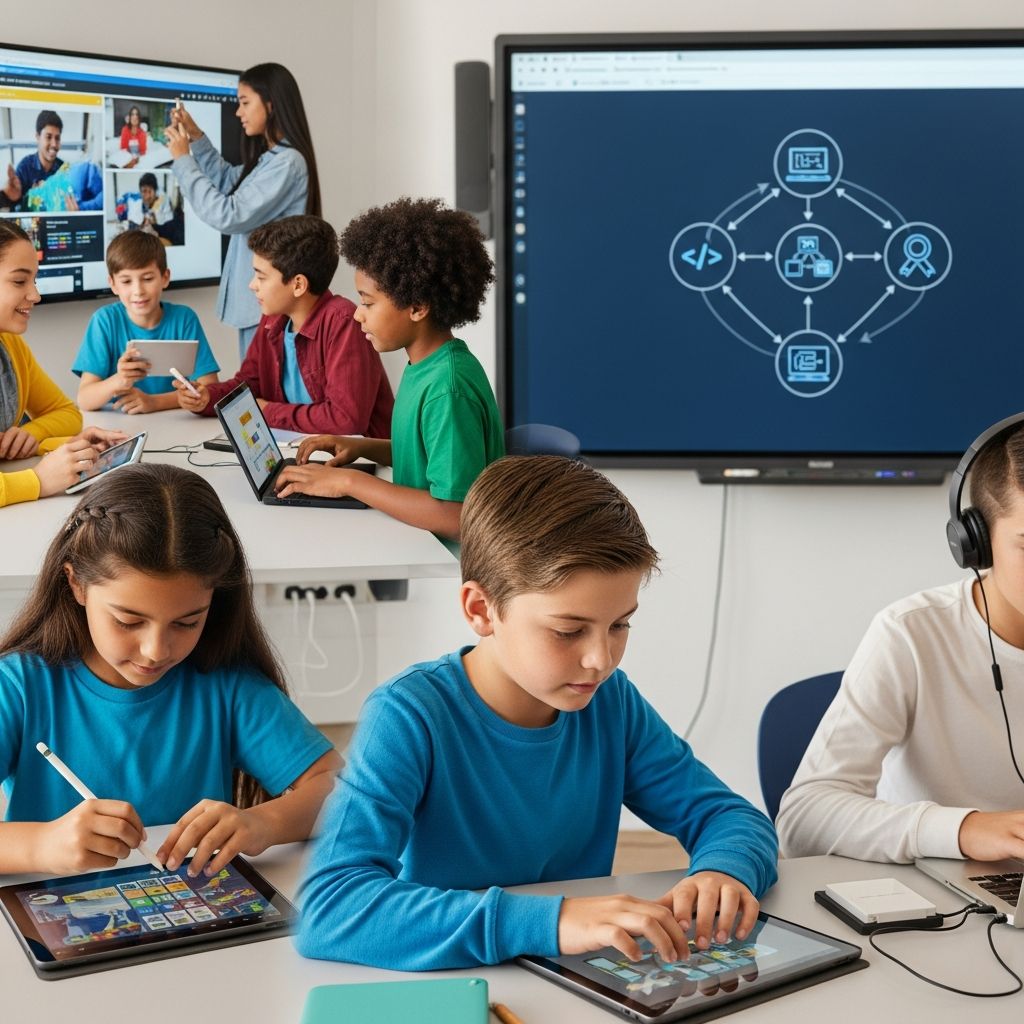
In today’s technology-saturated environment, equipping K-12 students with digital literacy is no longer optional—it’s a foundational requirement for academic achievement and lifelong success. Digital literacy encompasses the abilities to find, evaluate, create, and communicate information using digital tools responsibly and effectively. As classrooms increasingly integrate devices like tablets and laptops, educators must prioritize these skills to prepare students for real-world challenges.
Defining Digital Literacy in Modern Education
Digital literacy extends beyond basic computer use; it includes critical evaluation of online content, ethical data handling, and creative digital expression. Students learn to discern credible sources from misinformation, understand copyright laws, and engage in safe online interactions. This holistic approach combines technical proficiency with cognitive and ethical competencies, enabling learners to thrive in digital ecosystems.
Core components include:
- Technical skills: Navigating software, devices, and internet platforms.
- Critical analysis: Assessing source reliability and detecting biases.
- Digital creation: Producing multimedia content like videos and presentations.
- Ethical awareness: Respecting privacy, avoiding plagiarism, and promoting positive online behavior.
Research shows that without these skills, students struggle with online assessments and collaborative projects, hindering overall progress.
Why Digital Literacy Matters from Kindergarten Onward
Introducing digital literacy early fosters adaptability in a rapidly evolving tech landscape. Young learners naturally gravitate toward screens, making formative years ideal for building foundational skills. Early exposure prevents future overwhelm as technologies advance, ensuring students remain confident users rather than passive consumers.
| Age Group | Key Focus Areas | Expected Outcomes |
|---|---|---|
| Kindergarten-Grade 2 | Basic navigation, safe searching | Comfort with devices, awareness of online strangers |
| Grades 3-5 | Content evaluation, simple creation | Ability to fact-check, basic digital storytelling |
| Grades 6-8 | Advanced research, ethical sharing | Critical thinking on media bias, responsible posting |
| Grades 9-12 | Complex analysis, professional tools | Career-ready skills, digital portfolio development |
This progression aligns with developmental stages, turning potential distractions into powerful learning aids.
Boosting Academic Performance Through Tech Proficiency
Digital tools revolutionize how students access knowledge, from interactive simulations to vast online libraries. Proficient users engage more deeply with subjects, using apps for math visualizations or virtual labs for science experiments. Standardized tests increasingly occur online, where digital fluency directly impacts scores by reducing technical barriers.
Moreover, digital literacy enhances traditional subjects:
- Language arts: Analyzing multimedia texts improves comprehension and expression.
- Math and science: Data tools and simulations build problem-solving prowess.
- Social studies: Primary source databases encourage historical inquiry.
Studies indicate that tech-savvy students demonstrate higher engagement and retention rates.
Promoting Online Safety and Responsible Citizenship
A primary benefit is heightened online safety. Digital literacy teaches recognition of cyber threats like phishing, grooming, and bullying. Students learn privacy settings, strong passwords, and when to report issues, reducing victimization risks.
Digital citizenship—ethical online conduct—is equally vital. This includes understanding digital footprints, combating misinformation, and fostering inclusive interactions. Responsible practices prevent plagiarism through proper citation and promote empathy in virtual spaces.
Impactful Statistics
- 75% of middle schoolers lack proficiency in core tech skills (Learning.com study).
- Digital equity efforts can close gaps for underrepresented groups.
- Early training reduces cyberbullying incidents by empowering fact-checking.
Strategies for Integrating Digital Literacy in Classrooms
Educators can embed these skills seamlessly without overhauling curricula. Start with device access: one-to-one programs with broadband ensure equity. Develop class websites for assignments and digital calendars for organization.
Practical implementation tips:
- Incorporate multimedia lessons: Use videos and interactive boards for read-alouds.
- Assign digital projects: Blogs, podcasts, and infographics build creation skills.
- Teach verification routines: Cross-reference sources and spot fake news.
- Establish safety protocols: Filters, monitoring, and open discussions on risks.
- Collaborate with parents: Workshops on home reinforcement.
Professional development for teachers is crucial; they must model fluent, ethical tech use.
Addressing Challenges and Ensuring Equity
Barriers like unequal home access create divides, but school initiatives bridge them. Programs targeting underserved communities improve skills and open career paths in tech fields.
Common hurdles include teacher training gaps and device maintenance. Solutions involve partnerships with edtech providers and grant-funded infrastructure.
Future-Proofing Careers with Digital Expertise
By high school, digital literacy prepares students for college and jobs demanding tech savvy. From coding basics to AI tools, these skills correlate with employability. Graduates enter workplaces as innovative contributors, not novices.
Long-term, digitally literate individuals adapt to innovations like virtual reality learning, securing economic stability.
Frequently Asked Questions
How do I start digital literacy in my elementary classroom?
Begin with simple activities like guided web searches and digital drawing tools, gradually adding evaluation tasks. Use free platforms like Google Classroom for structure.
What role do parents play in digital literacy development?
Parents reinforce school lessons by monitoring usage, discussing online encounters, and co-creating family media plans for balanced habits.
Can digital literacy reduce cheating in schools?
Yes, by teaching citation ethics and detection tools, it promotes integrity over shortcuts.
How does digital literacy support special needs students?
Adaptive tech like text-to-speech and customizable interfaces levels the playing field, enhancing accessibility and independence.
Is there a standard curriculum for K-12 digital literacy?
While frameworks like ISTE standards exist, schools adapt them locally, focusing on progressive skill-building.
Conclusion: A Call to Action for Educators
Prioritizing digital literacy transforms K-12 education into a launchpad for empowered global citizens. By weaving these skills into daily instruction, schools cultivate resilient, discerning learners ready for tomorrow’s demands. Start today—your students’ futures depend on it.
References
- The Importance of Digital Literacy in K-12 — Education Corner. 2023. https://www.educationcorner.com/importance-digital-literacy-k-12/
- The Classroom Guide to Digital Literacy in K-12 Education — PowerSchool. 2023-10-15. https://www.powerschool.com/blog/the-classroom-guide-to-digital-literacy-in-k-12-education/
- Why Digital Literacy Skills are Important for Students — Learning.com. 2023. https://www.learning.com/blog/reasons-digital-literacy-is-important-for-students/
- Digital Literacy: What It Is & Why It’s Important for Kids — Brains and Motion. 2024. https://www.brains-and-motion.com/blogs/parenting-blog/digital-literacy-what-it-is-why-it-s-important-for-kids
- The Importance of Digital Literacy in Elementary Education — UNC Pembroke Online. 2023. https://online.uncp.edu/degrees/education/master-in-elementary-education/digital-literacy-in-elementary-education/

- Integrated M.A. in Applied Linguistics, University of Hyderabad
- 5+ years in editorial, instructional, SEO, and research-based writing
Sneha is a relationships and lifestyle writer with a strong foundation in applied linguistics and certified training in relationship coaching. She brings over five years of writing experience to theskillvault, crafting thoughtful, research-driven content that empowers readers to build healthier relationships, boost emotional well-being, and embrace holistic living. Her writing and insights reflect the belief that beauty, happiness, and wellness…