
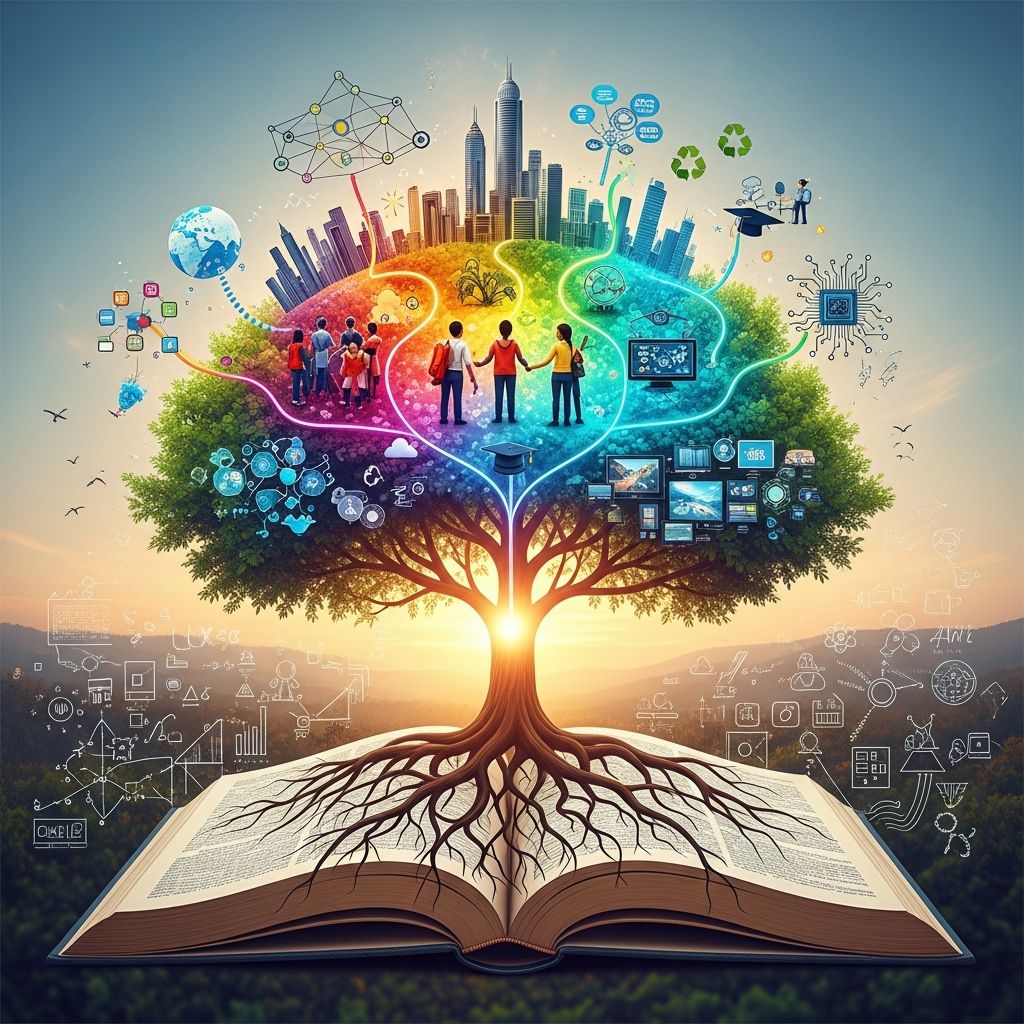
Education serves as the cornerstone of human progress, equipping people with essential tools to navigate life’s complexities and contribute meaningfully to the world. Far beyond rote memorization or exam scores, its true value lies in building capable, thoughtful, and resilient individuals who drive personal and collective advancement.
Building a Strong Foundation for Individual Empowerment
At its heart, education empowers individuals by fostering self-awareness and personal development. It encourages learners to explore their strengths, interests, and values, enabling them to set realistic goals and pursue them with purpose. Through structured learning, people gain the confidence to make informed choices about their careers, relationships, and health, leading to greater independence and fulfillment.
This empowerment extends to emotional growth, where education helps individuals manage negative emotions, build resilience, and develop emotional intelligence. Exposure to diverse ideas broadens perspectives, promoting open-mindedness and adaptability in a changing world. Educated people are better equipped to challenge injustices, advocate for themselves, and live authentically rather than by compulsion.
Unlocking Career Opportunities and Economic Stability
One of education’s most tangible benefits is its role in career advancement and financial security. Higher levels of education correlate with better job prospects, higher earnings, and economic resilience. Graduates often access specialized skills that make them competitive in the workforce, leading to job satisfaction and stability even during economic downturns.
For instance, individuals with advanced degrees typically earn more over their lifetimes, providing buffers against financial uncertainties and enabling improved living standards. Education drives economic growth by creating a skilled workforce capable of innovation, boosting productivity, and reducing poverty rates across societies.
| Educational Level | Average Lifetime Earnings Benefit | Key Career Advantages |
|---|---|---|
| High School Diploma | Baseline | Entry-level jobs |
| Bachelor’s Degree | +67% higher | Mid-level roles, specialization |
| Advanced Degree | +100%+ higher | Leadership, innovation positions |
This table illustrates how education levels directly influence earning potential and professional trajectories, underscoring its economic imperative.
Cultivating Critical Thinking and Problem-Solving Skills
Education sharpens the mind by emphasizing critical thinking, independent analysis, and innovative problem-solving. Learners are taught to question assumptions, evaluate evidence, and construct logical arguments, skills vital for both personal decisions and professional challenges.
In a technology-driven era, these abilities enable adaptation to new tools and methodologies, fostering creativity and efficiency. Education encourages breaking from conventional thinking, spurring inventions that benefit humanity and address global issues like climate change or public health crises.
Promoting Healthier Lives and Well-Being
Educated individuals tend to adopt healthier lifestyles, making informed choices about diet, exercise, and mental health. This knowledge reduces healthcare costs, extends life expectancy, and enhances overall quality of life. Studies show that higher education levels lead to proactive preventive care and better management of chronic conditions.
Beyond physical health, education bolsters mental well-being by building self-esteem, resilience, and social skills. It equips people to handle stress, form meaningful relationships, and find purpose, contributing to lower rates of depression and anxiety.
Fostering Social Responsibility and Community Engagement
Education instills values of citizenship, empathy, and collaboration, preparing individuals to participate actively in democratic processes and community initiatives. It promotes tolerance, constructive dialogue, and collective problem-solving, essential for cohesive societies.
By understanding diverse viewpoints, educated people contribute to social equality, volunteer efforts, and policy advocacy. This civic engagement strengthens communities, reduces inequalities, and advances peace and justice on local and global scales.
- Develops empathy through exposure to global cultures and histories.
- Encourages ethical decision-making in personal and professional contexts.
- Builds networks for collaborative societal improvements.
Encouraging Lifelong Learning and Adaptability
The modern world demands continuous adaptation, and education lays the groundwork for lifelong learning. It cultivates curiosity, discipline, and a growth mindset, turning education into a lifelong pursuit rather than a finite phase.
From mastering new technologies to upskilling for career shifts, educated individuals thrive amid change. This adaptability ensures relevance in evolving job markets and personal landscapes, promoting sustained personal and professional growth.
Driving Broader Societal and Global Progress
On a macro level, education fuels scientific advancement, economic prosperity, and sustainable development. Nations with educated populations experience higher innovation rates, improved infrastructure, and reduced poverty, creating virtuous cycles of progress.
It serves as a great equalizer, bridging gaps in opportunity and empowering marginalized groups. By investing in education, societies unlock human potential, fostering peace, security, and environmental stewardship.
The Role of Early Education in Long-Term Success
Early childhood education sets the stage for all future achievements, enhancing school readiness, academic performance, and social behaviors. It boosts high school graduation rates and lays foundations for critical thinking and emotional regulation.
Programs focusing on play-based learning and foundational skills yield lifelong benefits, including better health outcomes and economic contributions. Prioritizing early education maximizes its compounding impacts across generations.
Challenges and the Path Forward
Despite its benefits, access to quality education remains uneven, hindered by socioeconomic barriers and outdated systems. Addressing these requires policy reforms, equitable funding, and innovative teaching methods to ensure all individuals reap its rewards.
Technology integration, teacher training, and inclusive curricula can bridge gaps, making education a universal right and tool for global betterment.
Frequently Asked Questions (FAQs)
What is the primary goal of education today?
Education aims to prepare individuals for holistic success, combining personal growth, career readiness, and societal contribution in a rapidly changing world.
How does education impact economic growth?
It builds a skilled workforce, spurs innovation, increases productivity, and reduces poverty, leading to stronger economies.
Can education improve mental health?
Yes, by enhancing resilience, emotional intelligence, and self-confidence, it helps manage stress and fosters fulfillment.
Why is lifelong learning important?
It ensures adaptability to new challenges, career evolution, and personal enrichment throughout life.
How does education promote equality?
As a great equalizer, it provides opportunities regardless of background, reducing disparities and empowering communities.
References
- Purposes of Education: How Learning Enhances Life & Career — 21K School. 2023. https://www.21kschool.com/us/blog/purpose-of-education/
- The Importance of Education: Shaping Futures for Individuals and Societies — American InterContinental University. 2023. https://aiu.edu/blog/the-importance-of-education-shaping-the-future-of-individuals-and-societies/
- 10 Reasons Why Education Is Important — Lackawanna College. 2023. https://www.lackawanna.edu/10-reasons-why-education-is-important/
- Why Is Education Important? — Grand Canyon University Blog. 2023. https://www.gcu.edu/blog/teaching-school-administration/why-education-important
- Embracing Educational Benefits: Why is Education Important? — Geneva College. 2023. https://www.geneva.edu/blog/higher-education/why-is-education-important
- What Is the Purpose of Education? — ASCD. 2023. https://www.ascd.org/el/articles/what-is-the-purpose-of-education

Medha Deb is an editor with a master's degree in Applied Linguistics from the University of Hyderabad. She believes that her qualification has helped her develop a deep understanding of language and its application in various contexts. Medha specializes in the areas of beauty, health, sports, and wellness and is committed to ensuring that the content on the website is…