
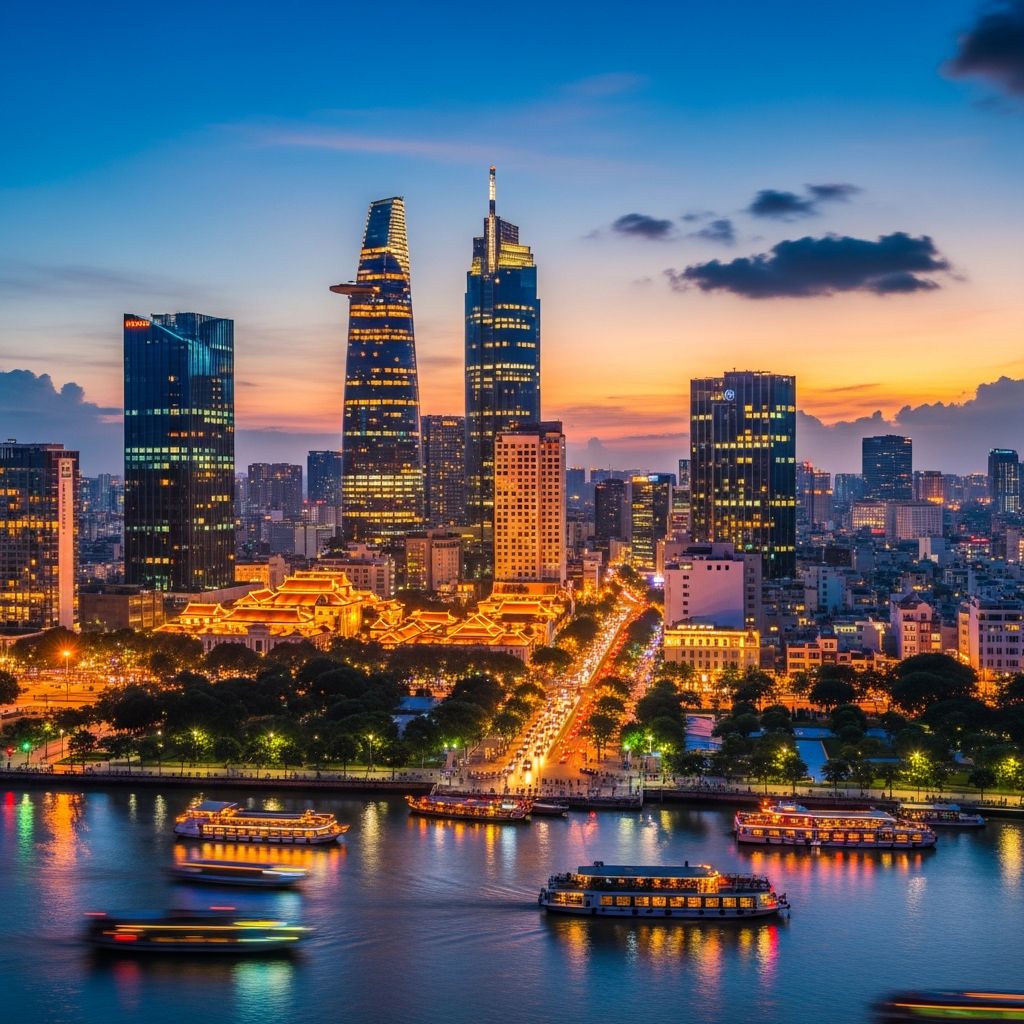
Why Ho Chi Minh City Is a Top Destination for Global Talent
Ho Chi Minh City, once known primarily as a historic urban center in southern Vietnam, has transformed into one of Southeast Asia’s most dynamic hubs for business, innovation, and international careers. With a fast-growing economy, a youthful population, and increasing openness to foreign investment and talent, the city is attracting professionals from around the world looking for meaningful work, cultural immersion, and a high quality of life at a competitive cost.
For anyone considering a move abroad or exploring new career paths in Asia, Ho Chi Minh City offers a compelling mix of opportunity, energy, and adaptability. This article explores the factors that make HCMC a standout destination for global talent, from its evolving job market to its unique lifestyle and professional environment.
A City on the Move: Economic and Professional Momentum
Ho Chi Minh City is the economic engine of Vietnam, contributing a significant share of the country’s GDP and serving as the primary gateway for foreign direct investment. The city’s economy is increasingly diversified, with strong sectors in technology, finance, manufacturing, logistics, education, and creative industries.
Recent government and city-level initiatives aim to position HCMC as a regional financial and innovation center. Plans to develop an International Financial Center and a robust digital economy framework are creating new roles in fintech, e-commerce, digital marketing, and IT services. These developments are not just attracting multinational corporations but also fueling a vibrant startup ecosystem, where local and international entrepreneurs collaborate on scalable solutions.
For professionals, this means access to a growing number of roles that require global skills: project management, data analysis, software development, digital strategy, and cross-border business development. Many companies in HCMC now operate with international standards, use English as a working language, and value diverse perspectives, making it easier for expatriates and bilingual locals to integrate into teams.
Industries Driving Career Growth
Several sectors in Ho Chi Minh City are particularly attractive for professionals seeking advancement and impact:
- Technology and IT: From software development and cybersecurity to AI and cloud services, tech companies and outsourcing firms are expanding rapidly. Many global tech firms have regional offices or partnerships in HCMC, offering roles that align with international career paths.
- Finance and Banking: With the city’s push to become a financial hub, there is growing demand for professionals in investment, risk management, compliance, and digital banking. International banks, fintech startups, and advisory firms are actively hiring talent with global experience.
- Manufacturing and Supply Chain: As part of Vietnam’s role in global supply chains, HCMC and its surrounding industrial zones host numerous export-oriented companies. Roles in operations, logistics, procurement, and quality assurance are in high demand, especially for those with experience in international trade.
- Education and Training: International schools, language centers, and corporate training providers continue to grow, creating opportunities for teachers, curriculum designers, and educational consultants, particularly those with English-language teaching qualifications.
- Marketing, Media, and Creative Services: The rise of digital platforms and e-commerce has boosted demand for content creators, digital marketers, UX/UI designers, and brand strategists who can navigate both local and global markets.
These industries are not only hiring but also investing in upskilling and leadership development, offering clear pathways for career progression and specialization.
Work Culture: Blending Local and Global Approaches
Working in Ho Chi Minh City offers a distinctive cultural experience. Vietnamese work culture traditionally emphasizes hierarchy, respect for seniority, and relationship-building, but in many modern companies—especially those with international ties—there is a noticeable shift toward more collaborative, results-driven environments.
In multinational offices and startups, it’s common to see:
- Flat organizational structures with open communication between teams.
- Flexible work arrangements, including hybrid and remote options in certain roles.
- Performance-based evaluations and clear KPIs, similar to practices in Western companies.
- Regular training, workshops, and opportunities to work on cross-border projects.
At the same time, understanding local norms—such as indirect communication styles, the importance of face-saving, and the value of personal relationships (often referred to as quan hệ)—can significantly enhance professional effectiveness. Many successful expatriates combine global best practices with cultural sensitivity, which helps them build trust and lead effectively in diverse teams.
Living in Ho Chi Minh City: Lifestyle and Daily Experience
Beyond the office, Ho Chi Minh City offers a rich and fast-paced lifestyle that appeals to many international professionals. The city is known for its:
- Vibrant street life: From bustling markets and street food stalls to rooftop bars and art galleries, there is always something happening.
- Food culture: HCMC is a culinary hotspot, offering everything from authentic Vietnamese dishes to high-end international cuisine at relatively affordable prices.
- Green spaces and recreation: Parks like Tao Dan and Thao Dien, along with nearby beaches and nature spots, provide opportunities to relax and stay active.
- International community: A large expat population means there are many social groups, networking events, and support networks for newcomers.
Housing options range from modern high-rise apartments in central districts like District 1, District 2, and Phu Nhuan to more affordable options in outer areas. Many professionals choose to live in expat-friendly neighborhoods that offer good infrastructure, international schools, and access to healthcare and shopping.
Cost of Living and Quality of Life
Compared to many major cities in Asia and the West, Ho Chi Minh City offers a relatively low cost of living while maintaining a high quality of life. A typical monthly budget for an expatriate might look like this:
| Expense Category | Approximate Monthly Cost (USD) |
|---|---|
| 1–2 bedroom apartment (central) | 800–1,500 |
| Utilities (electricity, water, internet) | 100–200 |
| Dining out (moderate) | 300–600 |
| Local transportation (Grab, motorbike, public) | 50–150 |
| Entertainment and leisure | 100–300 |
Salaries in HCMC vary by industry and experience level, but many roles for mid- to senior-level professionals are competitive by regional standards, especially when factoring in the lower cost of living. This makes it possible to save, travel, and enjoy a comfortable lifestyle while working in the city.
Language, Integration, and Daily Life
While Vietnamese is the official language, English is widely used in business, education, and many service sectors. In multinational companies and international schools, English is often the primary working language. However, learning basic Vietnamese can greatly enhance daily life, from navigating markets and public services to building deeper relationships with colleagues and neighbors.
Integration into local life is often easier than in some other Asian cities due to the openness of the population, especially in urban areas. Many locals are curious about other cultures and appreciate when foreigners make an effort to understand Vietnamese customs, food, and social norms.
For families, HCMC offers a range of international schools with curricula from the US, UK, Australia, and other countries, as well as access to healthcare facilities that cater to expatriates. The city’s infrastructure is improving, with ongoing investments in roads, public transport, and digital services, though traffic and urban density remain challenges in peak hours.
How to Find and Secure a Role in HCMC
For those interested in working in Ho Chi Minh City, there are several effective strategies:
- Online job platforms: Use regional and global job boards that list roles in Vietnam, including positions in HCMC. Many multinational companies post openings directly on their career pages.
- Networking: Attend industry events, expat meetups, and professional associations in HCMC. LinkedIn is widely used by recruiters and hiring managers in the city.
- Recruitment agencies: Specialized agencies that focus on Vietnam and Southeast Asia can help match candidates with suitable roles and guide them through the hiring and visa process.
- Direct applications: Research companies of interest and reach out to HR or hiring managers, especially if you have relevant experience in growing sectors like tech, finance, or education.
When applying, it’s important to tailor your resume and cover letter to highlight skills that are in demand, such as cross-cultural communication, project management, and digital proficiency. Many employers value candidates who show adaptability, problem-solving ability, and a genuine interest in Vietnam and its business environment.
Frequently Asked Questions
Is it easy for foreigners to find work in Ho Chi Minh City?
Yes, especially in sectors like technology, finance, education, and international business. Many companies hire foreign professionals for specialized roles, though a work permit and proper visa are required. Having relevant qualifications and experience significantly improves your chances.
Do I need to speak Vietnamese to work in HCMC?
Not necessarily for many corporate and international roles, where English is commonly used. However, knowing basic Vietnamese is helpful for daily life and can be a strong advantage in customer-facing or community-based roles.
What is the typical workweek like in Ho Chi Minh City?
Most office jobs follow a Monday–Friday schedule, with some companies operating on a six-day week in certain industries. Standard working hours are usually around 8–9 hours per day, with lunch breaks. Overtime is common in some sectors, but many modern companies are adopting more balanced work models.
How long does it take to get a work permit in Vietnam?
The process typically takes 2–6 weeks, depending on the type of role, employer, and documentation. Employers usually sponsor the work permit, and it’s important to start the process well in advance of your planned start date.
Is Ho Chi Minh City a safe city for expatriates?
Generally, yes. HCMC is considered safe for expatriates, with low rates of violent crime. As in any large city, it’s wise to take normal precautions, such as being aware of your surroundings, securing valuables, and using reputable transportation services.
Final Thoughts: A City of Opportunity and Growth
Ho Chi Minh City is more than just a place to work—it’s a place to grow, learn, and experience a dynamic part of the world. For professionals seeking a career that combines international exposure with local impact, the city offers a unique blend of opportunity, culture, and energy.
Whether you’re drawn by the fast-paced job market, the rich lifestyle, or the chance to be part of a city’s transformation, Ho Chi Minh City stands out as a destination where global talent can thrive. With the right preparation, mindset, and skills, building a successful career in HCMC is not only possible but increasingly common for professionals from around the world.
References
- Doing Business in Viet Nam 2025 — PwC Vietnam. 2025. https://www.pwc.com/vn/en/publications/vietnam-publications/doing-business-in-vietnam-2025.html
- Ho Chi Minh City’s 2025 E-Commerce Development Plan — Ho Chi Minh City People’s Committee. 2025. https://wtcconnect.net/en/ho-chi-minh-city-e-commerce-2025/
- Ho Chi Minh City Targets 10.3% Growth in 2025 — GTI Partner. 2025. https://gtipartner.com/ho-chi-minh-city-growth-2025/

- Integrated M.A. in Applied Linguistics, University of Hyderabad
- 5+ years in editorial, instructional, SEO, and research-based writing
Sneha is a relationships and lifestyle writer with a strong foundation in applied linguistics and certified training in relationship coaching. She brings over five years of writing experience to theskillvault, crafting thoughtful, research-driven content that empowers readers to build healthier relationships, boost emotional well-being, and embrace holistic living. Her writing and insights reflect the belief that beauty, happiness, and wellness…