
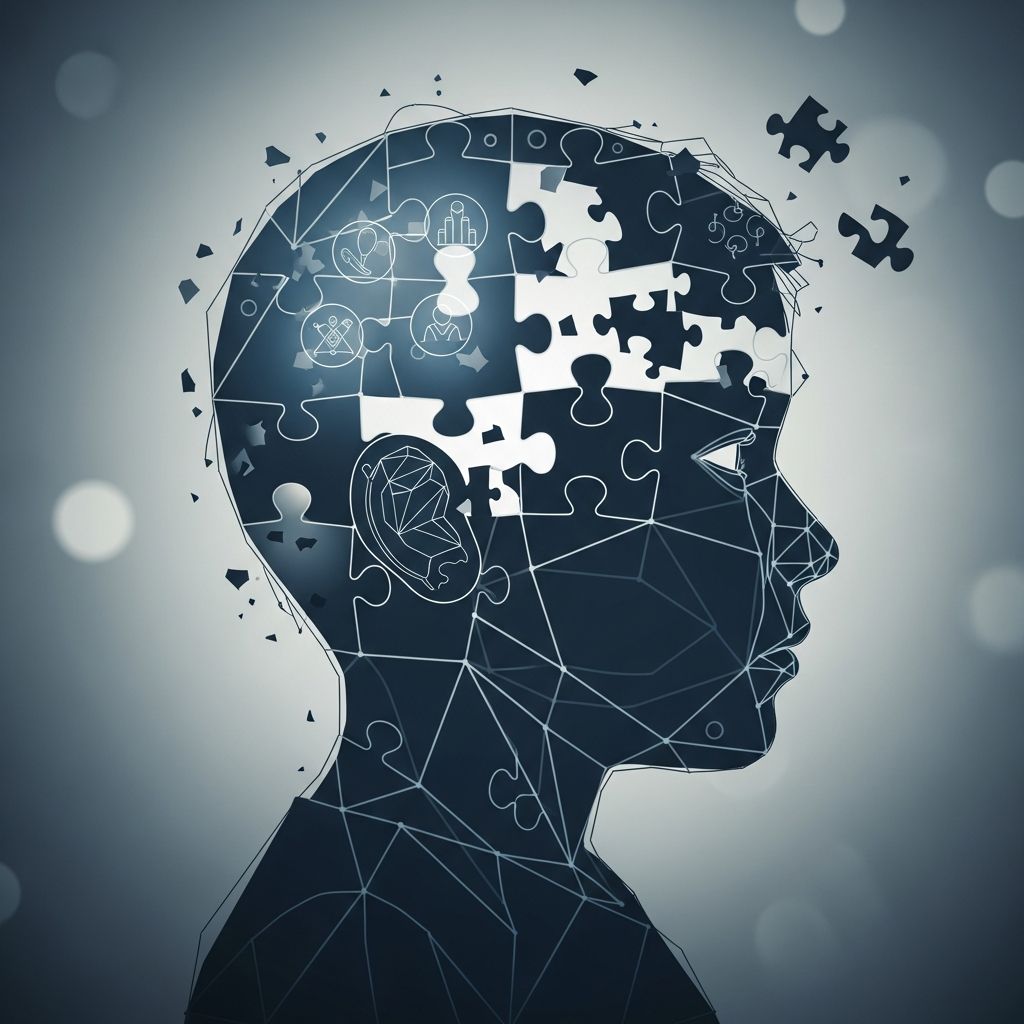
Intelligence quotient (IQ) tests promise to quantify a child’s cognitive potential, but they frequently misrepresent true abilities due to inherent flaws like cultural biases, score variability, and narrow focus on specific skills. These issues can lead to unfair educational decisions, denying some children necessary support while mislabeling others.
The Historical Roots of IQ Test Problems
IQ testing emerged in the early 20th century amid controversial ideologies, including eugenics, where tests were used to justify social exclusions based on supposed innate differences. Early versions favored familiar cultural knowledge, disadvantaging diverse groups and embedding structural biases that persist today. Over time, critiques from researchers like Stephen Jay Gould highlighted how these tools perpetuated racial and class inequalities rather than measuring pure intellect.
By the 1970s and 1980s, IQ tests became staples in U.S. public schools to distinguish potential from achievement. However, federal policy shifts, such as the 2004 Individuals with Disabilities Education Act (IDEA) reauthorization, urged alternatives to the ‘IQ-achievement discrepancy’ model for diagnosing learning disabilities, recognizing its limitations.
Core Flaws: Reliability and Validity Concerns
Reliability refers to a test’s consistency, while validity measures if it assesses what it claims. Critics argue IQ tests often fail both, especially for children, as scores fluctuate significantly with age, environment, and test conditions. For young kids under 6, results are particularly unstable; a high score at age 3 may not hold by age 9, resembling a ‘lottery’ rather than a stable trait.
- Unstable Scores: Early readers with strong vocabularies inflate results, conflating precociousness with giftedness.
- Context Dependency: Performance hinges on the day, administrator, and test version, not fixed ability.
- Narrow Scope: Tests overlook creativity, emotional intelligence, and practical skills, capturing only a slice of intellect.
Cultural and Socioeconomic Biases Exposed
IQ tests often reflect exposure to middle-class, white cultural norms rather than innate intelligence. Questions on topics like ‘Charles Darwin’ or ‘capital of Greece’ disadvantage non-native speakers or low-income students unfamiliar with such references. Minority and linguistically diverse children score lower, not due to lesser ability, but biased content and administration.
| Issue | Impact on Groups | Example |
|---|---|---|
| Cultural Content Bias | Lower scores for minorities | Vocabulary tied to affluent experiences |
| Linguistic Barriers | Hispanic, non-English speakers | Unfamiliar idioms or references |
| Class Exposure Gap | Low-income families | Assumes broad general knowledge |
These biases exacerbate inequalities, influencing school placements, promotions, and access to services, thus widening social divides.
Misuse in Educational Settings
School psychologists rely heavily on IQ tests as ‘bread and butter’ tools, using them to gatekeep special education or gifted programs. This overreliance disqualifies needy students, assuming low scores mean low potential. For instance, a child struggling with reading might be denied help if IQ doesn’t show a ‘discrepancy’ with achievement.
Popular tests like the Wechsler Intelligence Scale for Children (WISC) draw fire for linguistic biases against cultural minorities. Experts prefer non-verbal alternatives focusing on pattern recognition over knowledge recall. Yet, outdated practices linger, slowing shifts toward holistic evaluations.
Challenges Specific to Young Children
Testing kids under 7 amplifies problems: short attention spans, test anxiety, and developmental flux make results unreliable. Administrators must be skilled, but finding top-tier ones for toddlers is tough and costly—often $500–$2000, better saved for future education.
- Precocity vs. Giftedness: Early skills boost scores temporarily.
- Administrative Variability: Results vary by examiner rapport and conditions.
- Motivation Factors: Youngsters may underperform due to fatigue or disinterest.
Organizations like Mensa avoid testing young children, recognizing the ‘sweet spot’ for accuracy lies around ages 7–14.
Modern Reforms and Better Alternatives
Progress includes bias-reduced cognitive tests emphasizing thinking over rote knowledge, like visual pattern tasks. States now downplay IQ in special ed evaluations, favoring dynamic assessments observing learning processes.
Comprehensive approaches integrate:
- Portfolio reviews of work samples.
- Teacher observations and curriculum-based measures.
- Multiple intelligences models beyond IQ.
These methods better identify strengths, ensuring support reaches all learners without flawed gatekeeping.
Real-World Consequences for Families
Parents face heartbreak when low IQ scores block services, despite evident needs. One mother’s experience revealed predictable score patterns tied to home exposures, underscoring environmental influences. Conversely, inflated early scores mislead expectations, pressuring children unrealistically.
Educators must prioritize equity: using IQ as a sole metric upholds eugenicist legacies, excluding diverse learners from opportunities.
FAQs on IQ Testing for Children
Are IQ tests accurate for kids under 6?
No, scores are highly unstable and influenced by transient factors like vocabulary exposure.
Do IQ tests discriminate against minorities?
Yes, cultural and linguistic biases lead to lower scores unrelated to ability.
What’s a better way to assess child potential?
Dynamic assessments, observations, and achievement-focused tools provide fairer insights.
Can IQ scores change over time?
Frequently, especially in youth, due to development and environment.
Should parents pay for private IQ testing?
Often not; it’s costly and unreliable for young children—opt for school screenings.
Path Forward: Toward Equitable Assessments
Moving beyond IQ requires training educators in bias-aware methods and policy enforcement for inclusive practices. By valuing diverse intelligences, schools can unlock every child’s potential without the shadows of flawed metrics.
References
- How flawed IQ tests prevent kids from getting help in school — Hechinger Report. 2023. https://hechingerreport.org/how-flawed-iq-tests-prevent-kids-from-getting-help-in-school/
- Standardized testing and IQ testing controversies — EBSCO Research Starters. Accessed 2026. https://www.ebsco.com/research-starters/education/standardized-testing-and-iq-testing-controversies
- 6 Reasons Not to Give IQ Tests to Young Children — Gifted Guru. Accessed 2026. https://giftedguru.com/6-reasons-not-to-give-iq-tests-to-young-children/
- Addressing the Questions and Controversies Surrounding IQ Testing — Psychology Town. Accessed 2026. https://psychology.town/psychodiagnostics/questions-controversies-iq-testing/
- The danger of reading too much into IQ tests — Phys.org. 2024-02. https://phys.org/news/2024-02-danger-iq-crucial-cognitive-skills.html
- Intelligence Testing and Cultural Diversity: Pitfalls and Promises — National Research Center on the Gifted and Talented, UConn. 2005. https://nrcgt.uconn.edu/newsletters/winter052/
- The dark history of IQ tests — TED-Ed. Accessed 2026. https://ed.ted.com/lessons/the-dark-history-of-iq-tests-stefan-c-dombrowski/digdeeper

Medha Deb is an editor with a master's degree in Applied Linguistics from the University of Hyderabad. She believes that her qualification has helped her develop a deep understanding of language and its application in various contexts. Medha specializes in the areas of beauty, health, sports, and wellness and is committed to ensuring that the content on the website is…