
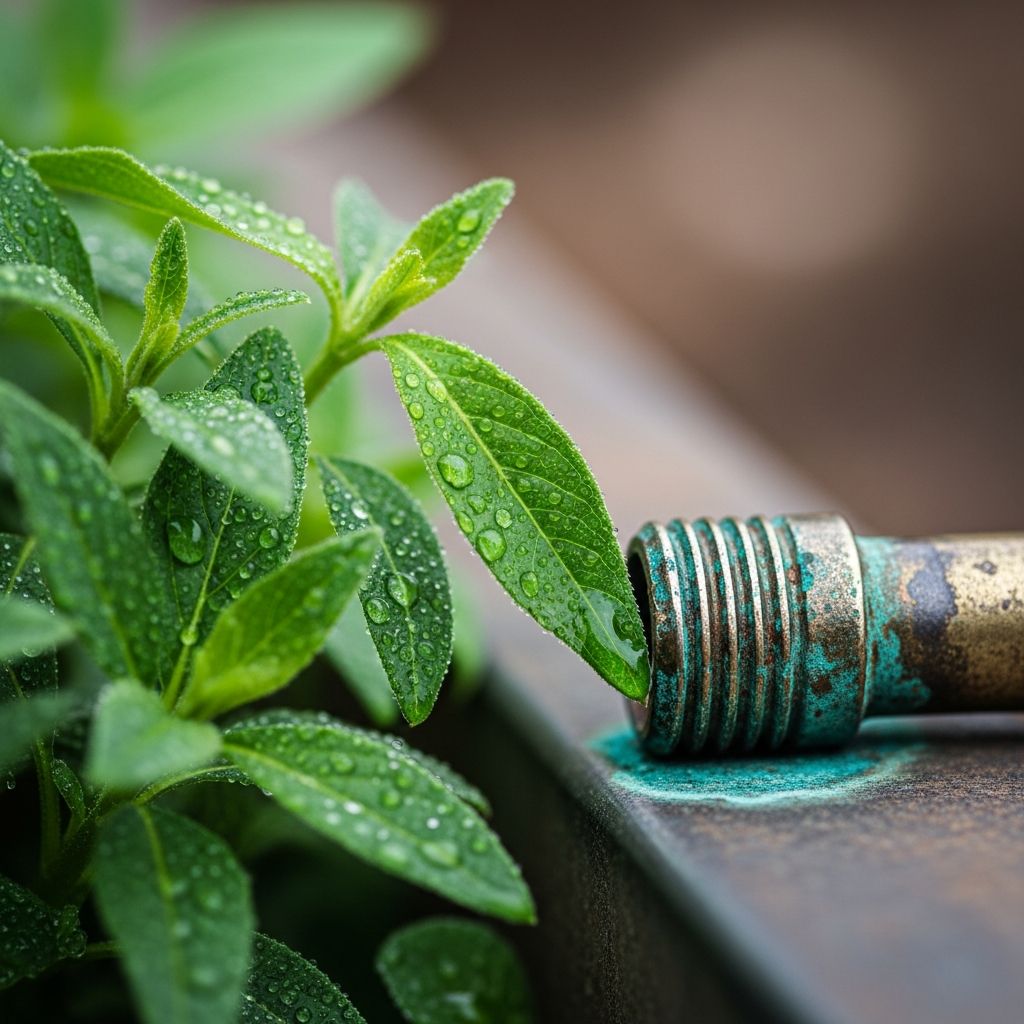
The Chemistry Behind Discolored Fingers from Jewelry
When you remove a beloved ring only to discover a green mark encircling your finger, it’s natural to wonder if something is wrong with either the jewelry or your skin. This common phenomenon, while aesthetically unpleasing, results from a fascinating interplay of chemistry and biology. The green discoloration is not an indication of cheap jewelry or a sign of poor hygiene, but rather the visible outcome of oxidation processes occurring at the interface between metal and skin.
The primary mechanism behind this reaction involves **oxidation**, a chemical process where metals interact with oxygen, moisture, and the natural compounds present on human skin. Understanding this process helps demystify why certain rings cause more staining than others and why the intensity varies from person to person.
Metal Composition and Ring Construction
Most jewelry available today is not crafted from pure metals. Instead, manufacturers blend metals to achieve desired properties such as durability, color, and affordability. This blending process introduces elements that react readily with environmental factors and skin chemistry.
Sterling silver, commonly used in jewelry production, consists of 92.5% pure silver combined with 7.5% other metals, typically **copper**. This copper component, while essential for strengthening the silver, becomes the culprit behind green staining. The copper oxidizes when exposed to moisture, acids on the skin, and oxygen in the air, creating a layer of copper salts known as **verdigris**.
Gold rings present a more nuanced situation. Pure 24-karat gold rarely causes discoloration because it resists oxidation. However, most engagement rings and everyday gold jewelry contain lower karats mixed with various alloys:
- 18-karat gold: Contains 75% pure gold with 25% other metals
- 14-karat gold: Contains approximately 58% pure gold with 42% other metals
- 10-karat gold: Contains 41.7% pure gold with over 58% other metals
The lower the karat rating, the higher the concentration of added metals, which increases the likelihood of reactions. These additional metals frequently include copper, nickel, and brass—all prone to oxidation and skin reactivity.
Zinc and Sunscreen Complications
An often-overlooked culprit in green finger staining involves **zinc**, particularly when combined with mineral-based sunscreens. Many people unknowingly intensify the staining effect by applying zinc oxide-containing sunscreen to their hands while wearing jewelry. When zinc from sunscreen combines with sweat, heat, and friction from the ring, the reaction accelerates significantly.
This creates an ironic situation where protective skincare routines designed to safeguard health inadvertently increase jewelry-related staining. The zinc reacts with copper or other metals in the ring, resulting in more pronounced green or grayish marks on the skin. Individuals who spend time outdoors and use sunscreen regularly may notice particularly stubborn discoloration.
How Skin Chemistry Influences the Reaction
Individual skin characteristics play a substantial role in determining whether rings will leave green marks. The **pH level** of your skin—measuring acidity or alkalinity—significantly impacts how readily metals oxidize and transfer to the skin surface.
People with naturally acidic skin experience more pronounced reactions because the acidity accelerates metal oxidation. Several factors influence skin pH:
- Genetic predisposition and natural body chemistry
- Dietary choices and nutritional status
- Medications, including certain antibiotics
- Hormonal fluctuations throughout the menstrual cycle
- Sweat production and moisture levels
- Iron levels and metabolic factors
Interestingly, the same ring might cause noticeable staining on one day but leave no mark the next, depending on temporary changes in skin chemistry and moisture levels. Stress, hormonal shifts, and seasonal humidity variations all influence this unpredictable behavior.
Environmental and Lifestyle Factors
Beyond intrinsic factors, external conditions substantially affect the likelihood and severity of green finger staining. Moisture serves as a critical catalyst in this process, activating chemical reactions between metal and skin.
Regular exposure to water accelerates oxidation. Wearing rings while washing hands, showering, or swimming exposes metals to prolonged moisture, speeding the reaction considerably. Similarly, **sweat** during exercise or in warm weather creates an ideal environment for oxidation to occur rapidly.
Chemical exposure further complicates matters. Chlorine in swimming pools and hot tubs strips protective plating from jewelry, exposing underlying metals to skin contact. Cleaning products, hand sanitizers, and harsh chemicals similarly compromise the integrity of jewelry surfaces.
Humidity levels in your geographic location or seasonal variations influence staining intensity. Hot, humid climates promote more frequent and severe reactions compared to dry environments.
Distinguishing Between Harmless Staining and Allergic Reactions
The green or gray discoloration from oxidation itself is **harmless** and completely reversible. Once you remove the ring and wash your hands, the stain fades within hours to days, leaving no lasting damage to skin or health.
However, certain symptoms warrant medical attention. If the discoloration is accompanied by any of the following, you may be experiencing an allergic reaction rather than simple oxidation:
- Redness or inflammation around the affected area
- Itching or burning sensations
- Blistering or raised bumps
- Swelling of the finger or surrounding tissue
- Persistent irritation that worsens over time
Nickel allergies represent the most common metal sensitivity causing these symptoms. Nickel appears in many gold alloys despite being a known allergen for significant portions of the population. If you suspect a nickel allergy, discontinue wearing the problematic ring and consult a dermatologist for confirmation and guidance on suitable alternative materials.
Selecting Ring Materials to Minimize Discoloration
For those frustrated by persistent green finger marks, choosing appropriate metals makes a substantial difference.
Metals That Resist Oxidation and Staining
- Platinum: Virtually non-reactive with skin and resists oxidation completely, making it ideal for sensitive individuals despite higher cost
- Pure gold (higher karats): 18-karat or higher gold minimizes added metals, reducing staining potential
- Titanium: Extremely durable, hypoallergenic, and resistant to staining, offering modern aesthetics
- Tungsten: Maintains polish and resists oxidation while offering exceptional durability
- Surgical stainless steel: Generally resists oxidation when properly manufactured, though quality varies significantly
Metals to Avoid If You Have Sensitive Skin
- Copper: Highly reactive and prone to creating verdigris
- Nickel: Known allergen causing reactions in sensitive individuals
- Brass: Copper alloy that readily oxidizes
- Lower-karat gold: Higher concentration of reactive metals increases staining likelihood
Practical Strategies for Prevention and Management
If you prefer to keep wearing jewelry despite staining concerns, several approaches help minimize or eliminate green marks.
Protective Barriers
Creating a physical barrier between ring and skin prevents direct contact with reactive metals. **Clear nail polish** applied to the inner surface of rings creates an effective protective coating. This technique requires reapplication every few weeks as the polish wears through friction and sweat exposure. Alternatively, specialized jewelry protective coatings and lacquers designed for this purpose offer more durable solutions.
Moisture Management
Minimizing moisture exposure reduces the chemical reactions driving oxidation. Remove rings before washing hands, showering, or swimming when possible. Ensure your hands are completely dry before putting rings back on. Avoid applying lotions, hand sanitizers, or sunscreen directly to the ring.
Regular Jewelry Maintenance
Keeping rings clean and dry extends their lifespan while reducing staining. Clean rings with mild soap and warm water, then dry thoroughly. Store rings in a dry location away from excessive humidity. Some people use small silica gel packets in their jewelry boxes to control moisture.
Skin Care Adjustments
If zinc sunscreen contributes to your staining, consider applying it before wearing rings, allowing it to set completely before putting jewelry on. Alternatively, explore sunscreen formulations without zinc oxide. Managing skin pH through diet and avoiding excessive acidic foods may help some individuals, though evidence remains anecdotal.
Comparing Ring Materials and Their Staining Potential
| Metal Type | Staining Risk | Cost Range | Durability |
|---|---|---|---|
| Platinum | Very Low | High | Excellent |
| 18K Gold | Low | High | Good |
| 14K Gold | Moderate | Moderate | Very Good |
| Sterling Silver | High | Moderate | Fair |
| Titanium | Very Low | Moderate | Excellent |
| Tungsten | Very Low | Moderate | Excellent |
Frequently Asked Questions About Green Finger Staining
Q: Is a green-stained finger a sign of infection?
A: No, green staining from oxidation is not an infection and does not indicate poor health. The discoloration is purely cosmetic and harmless, resulting from chemical reactions between metals and skin.
Q: Why does my expensive gold ring cause more staining than cheaper jewelry?
A: Gold quality is not directly related to staining. Lower-karat gold contains more alloy metals, increasing staining potential. Conversely, some expensive jewelry may use metals prone to oxidation. Quality refers to craftsmanship and materials, not necessarily to staining resistance.
Q: Can I permanently remove green staining from my skin?
A: No permanent removal is necessary because the staining is temporary. Washing your hands thoroughly removes the stain within hours to days after removing the ring. There is no lasting damage to skin tissue.
Q: Does wearing a ring with visible green staining mean the ring is fake?
A: Not at all. Even authentic gold, silver, and platinum rings can cause green staining depending on their alloy composition, your individual skin chemistry, and environmental factors. Staining is a normal chemical reaction, not an indicator of authenticity.
Q: How long does it take for green staining to appear?
A: Timing varies dramatically based on individual factors. Some people see staining within hours of putting on a ring, while others wear the same ring for years without visible marks. Moisture, humidity, sweat, and skin pH all influence how quickly staining develops.
Q: Can dietary changes reduce green staining from rings?
A: Potentially, yes. Since skin pH influences oxidation rates, adjusting diet to reduce acidity might help some individuals. However, evidence is largely anecdotal. More reliable prevention methods focus on ring material selection and moisture management.
Q: What should I do if my finger develops an allergic reaction to a ring?
A: Immediately remove the ring and discontinue wearing it. Wash the area thoroughly and monitor for symptom changes. If redness, swelling, itching, or blistering persists beyond a few hours, consult a dermatologist who can conduct allergy testing and recommend suitable alternative metals.
References
- Why Do Rings Turn Your Finger Green? — Modern Gents. 2024. https://modgents.com/blogs/ringsandthings/rings-turn-finger-green
- How to Avoid the Green Finger (Why, What & Jewellery Care) — Objkts Jewelry. 2024. https://objktsjewelry.com/pages/how-to-avoid-the-green-finger-why-what-jewellery-care
- Why Your Gold Ring Turns Your Finger Green—Sunscreen Is The… — Young in the Mountains. 2024. https://younginthemountains.com/blogs/articles/why-your-gold-ring-turns-your-finger-green-and-what-sunscreen-has-to-do-with-it
- Avoid Green Finger Marks with Engagement Rings — John Thomas Jewelers. 2024. https://johnthomasjewelers.com/blogs/albuquerque-jewelers/why-do-engagement-rings-turn-your-finger-green
- What Metal Turns Skin Green? How to Avoid It — Blake Bros. 2024. https://blakebros.com/blog/what-metal-turns-skin-green-how-to-avoid-it/
- How To STOP Your Ring From Turning Your Skin Green — Bonnie Jewelry. 2024. https://www.youtube.com/watch?v=9o3b7kHjywY

- Integrated M.A. in Applied Linguistics, University of Hyderabad
- 5+ years in editorial, instructional, SEO, and research-based writing
Sneha is a relationships and lifestyle writer with a strong foundation in applied linguistics and certified training in relationship coaching. She brings over five years of writing experience to theskillvault, crafting thoughtful, research-driven content that empowers readers to build healthier relationships, boost emotional well-being, and embrace holistic living. Her writing and insights reflect the belief that beauty, happiness, and wellness…