
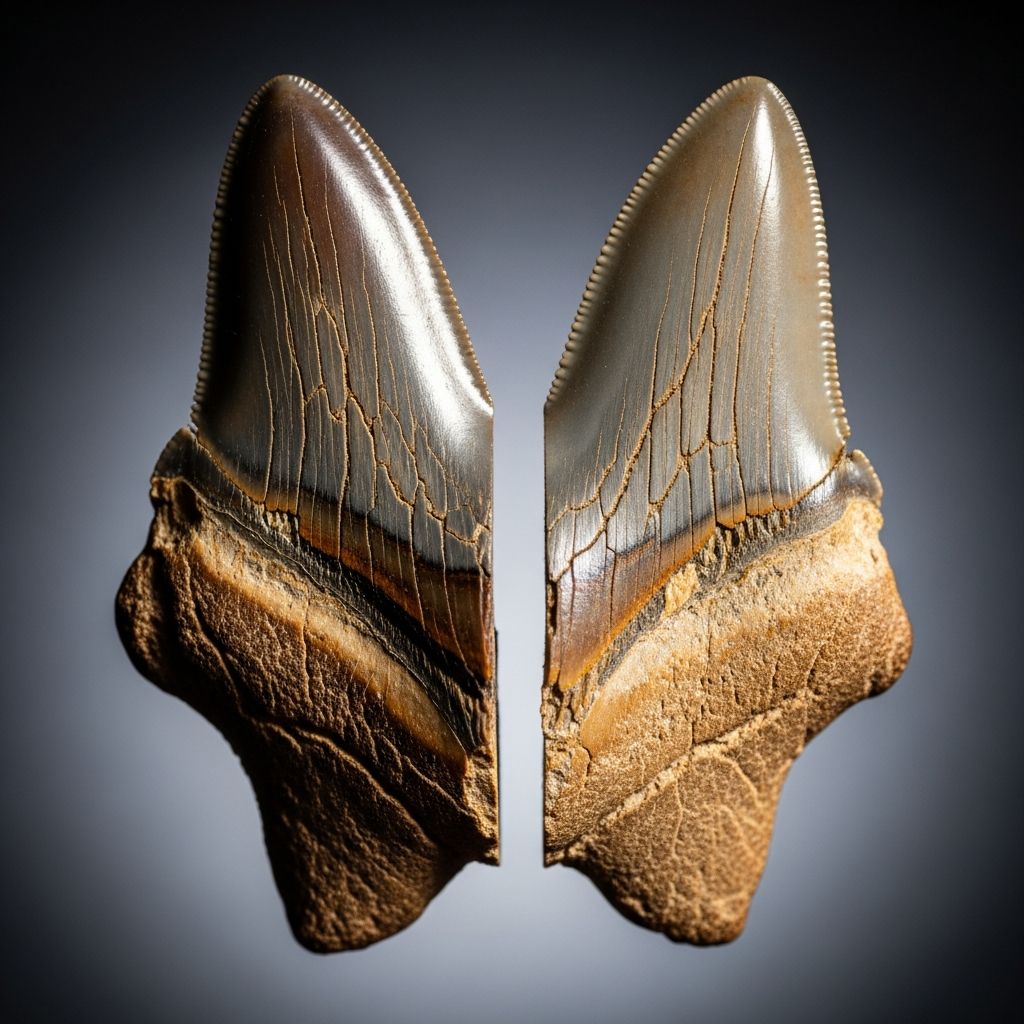
Understanding Shark Tooth Pigmentation: A Comprehensive Scientific Overview
Shark teeth captivate collectors and marine enthusiasts alike, often displaying striking black hues that seem almost supernatural in their intensity. Yet beneath this dramatic appearance lies a fascinating blend of biological and geological processes that explain their distinctive coloration. The reasons why shark teeth appear black involve multiple interconnected factors spanning from the shark’s own biological makeup to the mineral-rich sediments where teeth eventually fossilize. Understanding these mechanisms provides insight into both living shark biology and the processes that preserve evidence of ancient marine predators.
The Primary Role of Melanin in Living Shark Teeth
One of the fundamental reasons shark teeth display dark coloration stems from melanin, the same pigment responsible for color variation in hair, skin, and eyes across numerous animal species. Within sharks, melanin production occurs naturally as part of their physiological development. This pigment concentrates particularly in the outer layer of the tooth, known as the enameloid, which represents the hardest and most durable portion of the dental structure.
The distribution of melanin within a shark tooth creates a gradient effect that affects appearance. The outer portions of the tooth, closest to the tip where enameloid is most concentrated, display the darkest coloration due to higher melanin density. In contrast, the root portion of the tooth often appears considerably lighter, sometimes nearly white. This color variation within a single tooth reflects the different composition and melanin concentration between the enamel covering and the interior dentin structure. The adaptive purpose of this pigmentation remains a subject of ongoing marine biology research, though some scientists suggest it may relate to visual camouflage or protection from solar radiation in surface waters.
Dietary Influences on Tooth Coloration
The nutritional components that compose a shark’s diet contribute measurably to the final color of its teeth. This phenomenon occurs through chemical interactions between food components and tooth structure. Sharks that consume prey items rich in specific minerals develop teeth with distinctive coloration patterns that reflect their dietary preferences.
Certain prey species, particularly squid and crustaceans, contain elevated levels of iron compounds. When sharks consume these organisms regularly, the iron content enters their biological system and incorporates into developing tooth structures. The iron bonds with the enamel layer through natural biochemical processes, creating darker pigmentation that intensifies the tooth’s black appearance. Similarly, other minerals present in common shark prey can influence coloration through analogous mechanisms. This means that the dietary ecology of a shark species directly impacts the visual characteristics of its teeth, making tooth color potentially indicative of feeding habits and prey specialization among different shark populations.
Environmental Adaptation and Ecological Factors
The habitat where sharks live introduces another dimension to tooth coloration variation. Environmental conditions create selective pressures that may favor darker or lighter tooth pigmentation depending on ecological niches and hunting strategies. Sharks inhabiting shallow, murky waters with reduced light penetration often display darker teeth compared to species dwelling in clear, deep-sea environments.
The prevailing theory explaining this pattern centers on camouflage advantages. Darker teeth provide enhanced concealment during predatory encounters in turbid waters, allowing sharks to approach prey more effectively by minimizing the visibility of their dental display. The black coloration reduces light reflection that might otherwise reveal the shark’s position to potential prey organisms. Conversely, sharks in clear, deep waters face different selective pressures. In these transparent marine environments where traditional visual camouflage offers minimal advantage, lighter tooth coloration may prove equally viable without providing disadvantageous characteristics. The depth of water, light availability, and sediment concentration in different marine zones thus shape the evolutionary optimization of tooth pigmentation patterns across shark species.
The Transformation Process: From Living Tooth to Fossil Specimen
When sharks shed teeth throughout their lives or upon death, these structures begin a remarkable journey of geological transformation. Shed teeth descend through the water column and settle onto the ocean floor, where they become buried beneath successive layers of sediment accumulation. This burial process initiates a fundamental change in the tooth’s chemical composition and physical characteristics.
The preservation mechanism, called permineralization, involves the gradual infiltration of mineral-rich groundwater through surrounding sediments. As this water percolates through the sediment layers, it carries dissolved minerals that slowly penetrate and replace the original organic material within the tooth structure. The original calcium phosphate composition gradually transforms as new minerals substitute for degraded biological material. This process occurs over millions of years as enormous pressure from overlying sediment layers forces mineralization deeper into the tooth’s structure.
Critically, the specific minerals present in the surrounding sediment profoundly influence the final coloration of the fossilized tooth. Different geological environments contain different mineral compositions, and these variations directly determine whether a fossil tooth appears black, brown, red, white, or other hues. The sediment’s chemical properties literally “stain” the tooth during fossilization, imprinting the geological signature of its burial location permanently onto the fossil.
Phosphate-Rich Sediments and Black Coloration
Among all the mineral compositions that affect fossil tooth coloration, phosphate-rich sediments produce the most striking and commonly observed black specimens. Phosphate minerals naturally occur in concentrated deposits within many ancient marine formations worldwide. When shark teeth fossilize in these phosphate-rich environments, the mineral infiltration creates the characteristic jet-black appearance that collectors prize highly.
The Peace River Formation in Florida provides an excellent geographical example of this phenomenon. This geological formation contains extremely high concentrations of phosphate mineral deposits, making it one of the richest sources of black fossil shark teeth globally. Paleontological excavations throughout Florida, particularly in Venice Beach and the surrounding Peace River region, consistently yield specimens displaying uniform, deep black coloration. The abundance of phosphate in these sediments overwhelmingly influences the fossilization process, producing teeth with the distinctive dark appearance that distinguishes Florida fossils from specimens collected in other regions.
Alternative Mineral Influences and Varied Coloration
While phosphate-dominated sediments produce black teeth, diverse mineral compositions in different geological formations create remarkable color variety in fossil shark teeth. This variation demonstrates that tooth color serves as a geological indicator rather than reflecting age or species identity.
- Iron-Rich Sediments: Environments with elevated iron oxide concentrations typically produce reddish, orange, or brownish fossil teeth. The iron minerals permeate the tooth structure and create warm-toned hues that contrast sharply with phosphate-produced black specimens.
- Calcium Carbonate Deposits: Sediments composed primarily of broken shell material and calcium carbonate result in white or cream-colored fossil teeth. The Summerville formation in South Carolina provides notable examples of calcium carbonate-preserved teeth displaying pale coloration.
- Tannin-Influenced Formations: Certain freshwater depositional environments, particularly in coastal South Carolina blackwater rivers, contain elevated tannin concentrations from decaying plant material. These acidic, tannin-rich conditions produce dark brown teeth that may appear nearly black.
- Clay and Volcanic Sediments: Gray clay minerals in formations such as the Hawthorne Formation produce distinctly gray-colored fossil teeth. Volcanic sediment compositions introduce additional mineral varieties that create blue, green, and other unconventional fossil tooth colors.
Anatomical Differences in Fossilization: Root Versus Enamel
Close examination of many fossil shark teeth reveals a striking pattern: the enamel crown and the root frequently display distinctly different coloration. This common observation reflects fundamental differences in the chemical composition of these two tooth components. The enamel represents the hardest, most mineralized layer, while the root contains greater proportions of dentin and other organic material with different chemical reactivity.
During fossilization, minerals from surrounding sediments penetrate these structures at different rates and degrees. The root’s different composition allows more rapid mineral infiltration and replacement, often resulting in darker coloration compared to the enamel surface. Consequently, many fossil teeth display dark brown or black roots paired with noticeably lighter enamel, creating distinctive two-tone patterns. This differential mineralization process reveals the complex internal chemistry of shark teeth and demonstrates how fossilization affects different dental structures uniquely.
Depth, Time, and Fossilization Duration Effects
The geological depth at which teeth fossilize influences their final coloration through extended exposure to mineralization processes. Teeth buried deeper within sediment strata have undergone longer periods of mineral infiltration compared to specimens fossilized in shallower deposits. The extended timeframe allows more complete replacement of original material with surrounding minerals, typically intensifying coloration.
Older fossil teeth from deeper, more ancient strata frequently display darker, more saturated colors than younger specimens from shallower formations. This age-depth relationship means that observing tooth coloration can provide paleontologists valuable clues regarding the geological antiquity and depositional depth of specimens. Lighter-colored teeth often indicate fossilization in younger, shallower deposits where mineral replacement remains incomplete compared to ancient, deeply buried specimens.
Regional Geological Variation and Collection Sites
Fossil shark teeth from different geographic locations display predictable coloration patterns determined by local geological conditions. Collectors and researchers can often identify a tooth’s origin by examining its color and assessing the likely mineral composition of sediments in various formation regions.
| Geographic Location | Dominant Minerals | Typical Tooth Color |
|---|---|---|
| Florida Peace River Formation | Phosphate-rich | Jet black |
| South Carolina Coastal Rivers | Tannin and iron from organic matter | Dark brown to black |
| Summerville Formation (South Carolina) | Calcium carbonate | White to cream |
| Georgia and North Carolina | Iron-rich sand and clay | Red, orange, brown |
| Hawthorne Formation | Gray clay | Gray |
Distinguishing Natural Coloration from Artificial Alteration
The diverse array of naturally occurring fossil tooth colors sometimes raises questions among collectors regarding authenticity and whether coloration has been artificially modified. Understanding the geological basis of natural coloration helps distinguish genuine specimens from artificially treated examples. Authentic fossil teeth display coloration patterns consistent with known mineral compositions and depositional environments, often exhibiting subtle variations and natural striations reflecting the fossilization process.
The color gradations, root-to-crown variations, and spot patterns visible on genuine specimens result from variable mineral infiltration rates through different tooth tissues. These patterns appear random but geologically logical when examined against known sediment compositions. Artificially enhanced teeth typically display uniform, unnaturally intense coloration lacking the natural variation characteristic of authentic fossils. Collectors knowledgeable about regional geological formations can confidently assess specimen authenticity by comparing observed coloration to expected patterns for the specimen’s geographic origin.
Frequently Asked Questions
Q: Are all black shark teeth the same age?
A: No. Black coloration results from mineral composition in surrounding sediments rather than age. Shark teeth of vastly different ages can appear black if fossilized in phosphate-rich environments, while younger teeth in other sediments may display different colors.
Q: Can tooth color identify the shark species?
A: Not reliably. Tooth color depends primarily on geological conditions rather than species identity. However, combining morphological features with regional context can help with species identification.
Q: Why do some fossil teeth have two different colors?
A: The enamel and root contain different chemical compositions, allowing minerals to infiltrate and affect each layer differently during fossilization. This differential mineralization creates distinctive two-tone patterns.
Q: How long does the fossilization process take?
A: Complete fossilization typically requires millions of years. The gradual infiltration of mineral-rich water and replacement of organic material occurs over extended geological timeframes.
Q: Are white fossil teeth less fossilized than black ones?
A: No. White teeth fossilized in calcium carbonate-rich sediments are equally well-preserved as black specimens. Color reflects mineral composition rather than preservation quality.
Q: Can living shark teeth be black like fossils?
A: Yes. Living sharks naturally produce melanin in their teeth, creating dark coloration. The black fossil appearance results from both natural pigmentation and fossilization mineral infiltration.
References
- What Makes Shark Teeth Black — The Fossil Exchange. 2024. https://thefossilexchange.com/what-makes-shark-teeth-black/
- Why are Fossil Shark Teeth Different Colors? — Fossil Guy. 2024. https://www.fossilguy.com/topics/shark-teeth-colors/index.htm
- Why are Megalodon Shark Teeth so Many Different Colors? — JTS Shark Teeth. 2024. https://jtssharksteeth.com/knowledge-base-2/why-are-teeth-so-many-different-colors/
- Why Are Some Megalodon Teeth Jet Black? The Science Behind the Colour — Buried Treasure Fossils. 2024. https://www.buriedtreasurefossils.com/blog/post/why-are-some-megalodon-teeth-jet-black-the-science-behind-the-colour

- Integrated M.A. in Applied Linguistics, University of Hyderabad
- 5+ years in editorial, instructional, SEO, and research-based writing
Sneha is a relationships and lifestyle writer with a strong foundation in applied linguistics and certified training in relationship coaching. She brings over five years of writing experience to theskillvault, crafting thoughtful, research-driven content that empowers readers to build healthier relationships, boost emotional well-being, and embrace holistic living. Her writing and insights reflect the belief that beauty, happiness, and wellness…