
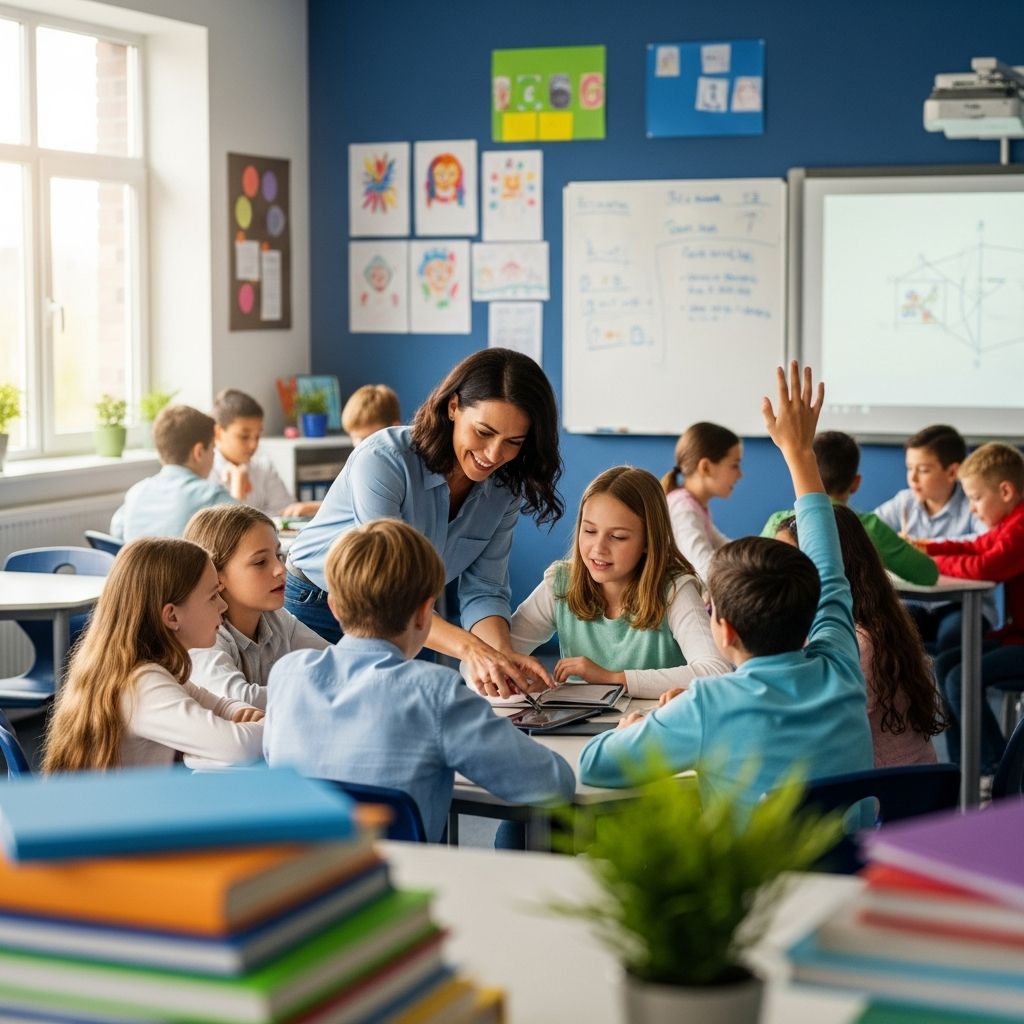
Strong connections between students and teachers form the cornerstone of effective education, enhancing learning outcomes, emotional well-being, and behavioral adjustment. Research consistently shows that these relationships predict higher achievement and reduced behavioral issues, creating a cycle of mutual growth for both parties.
Why These Connections Drive Educational Success
Positive interactions in the classroom go beyond mere instruction; they cultivate an environment where students thrive. Students with supportive teachers exhibit greater motivation, better grades, and improved test scores, as they feel valued and understood. This sense of belonging encourages risk-taking in learning, fostering resilience and a growth mindset.
From a developmental perspective, teachers often serve as mentors, helping students build self-worth and social-emotional competencies. These bonds protect against mental health challenges, promoting autonomy, problem-solving, and a sense of purpose. In turn, educators refine their interpersonal skills, leading to more effective classroom management and professional satisfaction.
Short-Term Gains in the Classroom
Immediately, robust student-teacher ties transform daily school life. Students engage more deeply, cooperate with peers, and display fewer disruptions. High-impact teaching practices—such as personalized feedback and inclusive activities—emerge naturally when trust is present, amplifying instructional quality.
- Increased student participation and on-task behavior.
- Enhanced peer relationships through modeled respect.
- Quicker adaptation to new material due to heightened confidence.
Teachers report less stress and better responses to challenges, as positive dynamics reduce conflicts and build a collaborative atmosphere.
Long-Term Impacts on Life Trajectories
The benefits extend far beyond a single school year. Early positive relationships shape brain development, heal potential trauma, and instill lifelong learning habits. Students learn to view mistakes as growth opportunities, building enduring confidence and academic persistence.
Longitudinally, these bonds correlate with sustained achievement and psychosocial health. For instance, perceived closeness with teachers during key transitions, like from middle to high school, predicts rising grades and declining behavioral problems. Adults who experienced caring educators often credit them for career successes and emotional stability.
Core Elements of Effective Relationships
What defines a thriving student-teacher dynamic? Key factors include empathy, clear communication, and equitable support. Teachers who listen actively, provide timely praise, and adapt to individual needs foster deeper connections.
| Element | Description | Impact on Students |
|---|---|---|
| Mutual Respect | Treating each student as capable and valued | Boosts self-directed learning and peer harmony |
| Open Dialogue | Encouraging questions and sharing concerns | Reduces anxiety, increases engagement |
| Personalized Support | Recognizing strengths and addressing needs | Improves competence and resilience |
| Positive Reinforcement | Celebrating efforts and small wins | Builds motivation and growth mindset |
John Hattie’s meta-analysis underscores this, with teacher-student interactions yielding a .72 effect size on achievement—far above the .40 threshold for significance.
Practical Approaches for Building Trust
Educators can intentionally nurture these bonds through everyday actions. Start with consistent greetings and check-ins to signal availability. Share learning goals positively, framing challenges as shared adventures.
- Get to Know Students: Use interest surveys or casual chats to uncover passions and tailor lessons accordingly.
- Offer Constructive Feedback: Balance critique with encouragement, focusing on effort over innate ability.
- Model Vulnerability: Admit mistakes to normalize learning from errors.
- Involve Families: Communicate openly to align home-school support.
- Create Safe Spaces: Establish class norms for respect and inclusion.
In virtual or hybrid settings, leverage video calls and digital tools for personal touches, maintaining connection despite physical distance.
Navigating Challenges in Relationship Building
Not all interactions start positively; conflicts arise, especially with diverse learners. High conflict levels predict conduct issues and hyperactivity, while growing closeness counters this. Strategies include reflective listening, boundary-setting, and seeking administrative support when needed.
Cultural sensitivity is vital—acknowledge backgrounds to build authentic rapport. Professional development in emotional intelligence equips teachers to handle tough dynamics effectively.
Evidence from Research and Practice
Studies affirm these patterns across grades. APA research highlights how trusting ties draw students into learning, yielding better behavior and performance. Early childhood data shows kindergarten-to-third-grade bonds significantly benefit later outcomes.
Prosocial modeling through relationships promotes broader life skills, from peer acceptance to ethical decision-making. In inclusive environments, these ties reduce negative experiences and amplify community.
FAQs on Student-Teacher Relationships
What role do these relationships play in online learning?
They remain crucial, promoting engagement via personalized virtual interactions and consistent feedback, mirroring in-person benefits.
Can one teacher make a lifelong difference?
Yes, a single supportive figure can reshape brain development and learning attitudes, with effects lasting into adulthood.
How do you measure relationship quality?
Through student perceptions of closeness, conflict, support, and teacher practices like empathy and fairness.
What if a student resists connection?
Persist with patience, small gestures, and professional strategies; gradual trust often follows.
Do benefits apply to all age groups?
Absolutely, from early education to high school, with adaptive strategies for developmental stages.
Empowering Tomorrow’s Learners
Investing in student-teacher bonds yields dividends in achievement, well-being, and society. Schools prioritizing these dynamics see thriving communities where every child feels seen. Educators, armed with research-backed tools, hold the power to ignite potential—starting today.
References
- The Importance of Student-Teacher Relationships — eCampusOntario. 2023. https://ecampusontario.pressbooks.pub/educ5202/chapter/the-importance-of-student-teacher-relationships/
- Positive teacher-student relationships lead to better teaching — University of Missouri. 2022-10-12. https://showme.missouri.edu/2022/positive-teacher-student-relationships-lead-to-better-teaching/
- Improving students’ relationships with teachers — American Psychological Association. 2023. https://www.apa.org/education-career/k12/relationships
- Student-Teacher Relationships As a Protective Factor for School Adjustment — PMC (National Library of Medicine). 2016-12-22. https://pmc.ncbi.nlm.nih.gov/articles/PMC5179523/
- Positive and Caring Relationships with Teachers are Critical to Student Success — Education Northwest. 2023. https://educationnorthwest.org/insights/positive-and-caring-relationships-teachers-are-critical-student-success

Medha Deb is an editor with a master's degree in Applied Linguistics from the University of Hyderabad. She believes that her qualification has helped her develop a deep understanding of language and its application in various contexts. Medha specializes in the areas of beauty, health, sports, and wellness and is committed to ensuring that the content on the website is…