
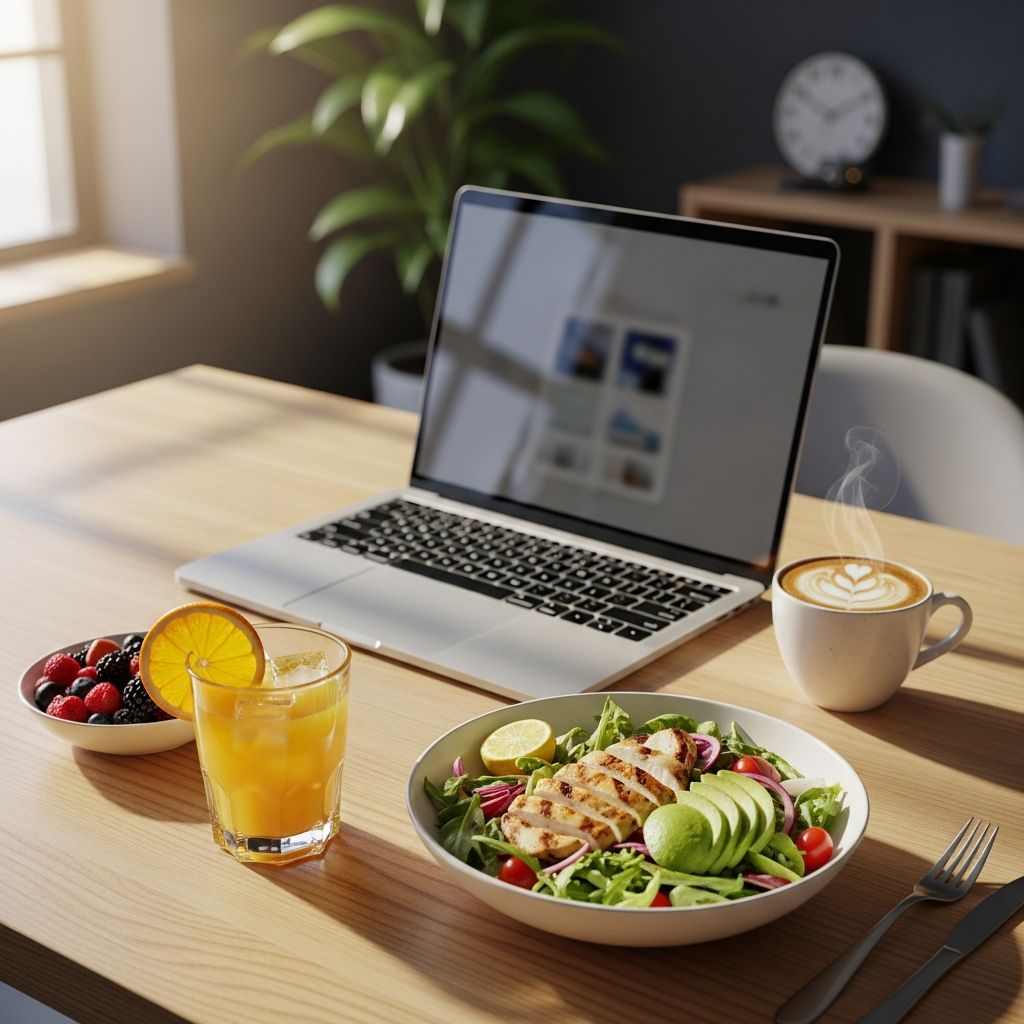
The modern workplace often portrays skipping lunch as a badge of honor, a sign of dedication and commitment. Yet research consistently demonstrates that this approach undermines the very productivity gains employees seek to achieve. A proper midday break is not a luxury or a loss of work time—it represents a strategic investment in sustained performance throughout the remainder of your workday.
Understanding the connection between adequate rest and workplace effectiveness has become increasingly important as organizations recognize the link between employee well-being and business outcomes. This article explores evidence-based approaches to structuring and utilizing your lunch break to maximize both your afternoon productivity and long-term professional satisfaction.
The Science Behind Midday Mental Recovery
The human brain operates optimally when given periodic opportunities to disengage from demanding tasks. During morning work hours, mental resources become gradually depleted as employees focus on complex problems, manage communications, and navigate workplace dynamics. Without intervention, this cognitive depletion leads to diminished decision-making capacity, reduced creativity, and increased susceptibility to stress.
Researchers studying work performance have found that employees who take meaningful breaks return with significantly enhanced focus and alertness compared to colleagues who continue working through lunch. This phenomenon occurs because breaks allow the brain’s prefrontal cortex—responsible for executive functions like planning, problem-solving, and emotional regulation—to recover its functional capacity.
When you step away from work tasks, your neural pathways associated with those activities enter a restorative state. This recovery period enables your brain to consolidate information learned earlier, make novel connections between concepts, and approach problems from fresh angles. The afternoon work that follows a genuine break typically demonstrates measurably higher quality than work attempted without adequate restoration.
Distinguishing Real Breaks from Pseudo-Breaks
Not all midday pauses produce equivalent benefits. Eating lunch while monitoring email, responding to instant messages, or sitting at your workspace provides minimal cognitive restoration. These pseudo-breaks fail to create the mental detachment necessary for genuine recovery.
A genuine break incorporates several essential elements:
- Physical relocation: Moving to a different environment—cafeteria, outdoor space, break room—signals to your brain that you have transitioned away from work mode
- Task disengagement: Completely avoiding work-related communications and responsibilities during the break period
- Nutritional sustenance: Consuming balanced meals that stabilize blood sugar and maintain consistent energy levels throughout the afternoon
- Sensory variation: Engaging different sensory experiences than your typical work environment provides
- Intentional activity: Deliberately choosing restorative activities aligned with your personal needs and preferences
When your break includes these components, your nervous system receives clear signals to shift from stress-response mode into parasympathetic activation, facilitating genuine physiological recovery.
Structuring Your Optimal Break Duration
While organizational cultures vary in the time allocated for lunch, research suggests that duration matters significantly for restorative benefits. A ten-minute rush to consume food provides insufficient time for meaningful recovery. Instead, protecting a minimum of thirty to forty-five minutes for your midday break allows adequate time for nourishment, mental disengagement, and activity participation.
This duration recommendation reflects the time required for several physiological processes to occur. Your digestive system needs time to begin processing nutrients. Your mental preoccupation with morning tasks requires time to fade. Activities that promote stress reduction—whether walking, meditation, or social connection—need sufficient duration to produce measurable effects.
If your workplace culture or role makes a full hour break unrealistic, protecting even thirty consecutive minutes produces significant benefits compared to fragmented breaks throughout the day.
Physical Movement as a Productivity Catalyst
Incorporating movement into your lunch break offers multiple productivity advantages. Physical activity during your midday pause accomplishes several objectives simultaneously:
| Movement Type | Primary Benefits | Duration |
|---|---|---|
| Outdoor walking | Enhanced mood, improved circulation, natural light exposure | 15-20 minutes |
| Stretching or light yoga | Reduced muscle tension, improved flexibility, stress relief | 10-15 minutes |
| Stair climbing or light cardio | Increased alertness, improved blood flow to brain | 15 minutes |
| Guided meditation with movement | Mental clarity, emotional balance, body awareness | 10-15 minutes |
Even brief periods of physical activity measurably improve cognitive function. Walking outside provides additional benefits through exposure to natural light, which regulates circadian rhythms and influences alertness and mood regulation. The combination of movement and environmental change creates optimal conditions for afternoon productivity restoration.
Nutritional Choices That Sustain Afternoon Performance
The foods consumed during lunch exert profound effects on afternoon work capacity. Meals composed primarily of simple carbohydrates or excessive sugar trigger rapid blood glucose spikes followed by crashes that undermine focus and energy. Conversely, meals combining lean proteins, whole grains, healthy fats, and fiber produce sustained energy release that maintains consistent mental clarity through the afternoon.
Employees who consume nutritionally balanced lunches demonstrate significantly better focus, concentration, and problem-solving ability compared to those eating processed or skipped meals. Planning your lunch in advance—whether through meal preparation or deliberate restaurant selection—ensures your food choices support rather than undermine afternoon productivity goals.
Proper hydration deserves equal attention. Mild dehydration impairs cognitive function and creates sensations of fatigue. Using your lunch break to consume adequate water ensures you return to afternoon work with optimal hydration levels.
Social Connection During Breaks Enhances Collaboration
While some individuals recharge through solitary activities, research demonstrates that social lunch breaks offer distinct productivity advantages. Eating lunch with colleagues in a non-work context creates opportunities for genuine human connection that strengthens workplace relationships and team cohesion.
When employees understand each other’s backgrounds, values, and personalities beyond surface-level work interactions, collaboration becomes more effective. Team members who share meals together demonstrate increased willingness to help one another, better communication patterns, and stronger collective problem-solving capacity. These social benefits translate directly into improved productivity metrics across multiple dimensions.
Organizations that facilitate group lunches—whether through shared meal spaces, catered team events, or scheduled social break times—report measurably higher employee engagement, job satisfaction, and retention compared to workplaces where eating represents a solitary, rushed activity.
Creating Dedicated Breakroom Environments
Physical workspace design influences whether employees actually utilize their available break time. Workplaces with well-designed break areas featuring comfortable seating, natural lighting, and pleasant aesthetics see significantly higher break participation rates compared to organizations with minimal or unwelcoming break facilities.
Considerations for optimizing break environments include:
- Comfortable, ergonomic seating that supports physical relaxation
- Abundant natural light when possible, supplemented with warm artificial lighting
- Quiet zones separate from high-traffic areas for those seeking solitude
- Social areas that facilitate comfortable conversation
- Temperature control and adequate ventilation
- Access to refrigeration, microwaves, and basic food preparation facilities
- Outdoor spaces when climate permits
When organizations invest in these environmental elements, they communicate organizational culture messages emphasizing employee well-being and making break-taking an expected, valued practice rather than a guilty indulgence.
Mental Disengagement Strategies for Afternoon Clarity
For individuals whose work involves intense mental focus, consuming lunch while reading work emails or reviewing documents provides no genuine cognitive recovery. True mental disengagement requires deliberately redirecting your attention away from work preoccupations.
Effective mental disengagement activities include:
- Reading non-work material: Books, magazines, or articles unrelated to professional responsibilities allow your work-focused mental pathways to rest
- Podcast or audiobook consumption: Content on topics distinct from your professional domain provides cognitive engagement without work-related stress
- Mindfulness or meditation practices: Focused attention practices reduce rumination about work concerns and activate parasympathetic nervous system responses
- Creative pursuits: Drawing, writing, music, or other creative activities engage different neural networks than typical work tasks
- Entertainment consumption: Viewing films, television, or comedy content can provide emotional relief and cognitive reset
The key principle involves redirecting mental attention completely away from work-related concerns. This genuine disengagement allows your brain to transition from work mode to restoration mode, resulting in substantially improved afternoon cognitive capacity.
Managerial Strategies for Fostering Break Culture
Organizational leaders significantly influence whether employees actually take meaningful breaks. Managers who visibly skip lunch, respond to emails during break times, and express skepticism about break value communicate implicit messages that breaks represent unproductive downtime rather than essential recovery.
Conversely, managers who personally take proper breaks, encourage team members to do similarly, and protect break times from work encroachment establish organizational cultures where breaks become normalized, valued practices. Specific leadership approaches that support optimal break culture include:
- Modeling break-taking behavior by visibly stepping away from work during your own lunch period
- Explicitly encouraging team members to take full, uninterrupted breaks
- Scheduling meetings and deadlines to avoid break times when possible
- Providing or subsidizing nutritious food options that facilitate proper breaks
- Recognizing and reinforcing employees who maintain healthy break practices
- Creating physical spaces and cultural norms that make breaks normal rather than exceptional
When managers demonstrate consistent commitment to break practices, team members feel empowered to prioritize their own well-being, resulting in organization-wide productivity improvements.
Addressing Common Break-Time Obstacles
Despite understanding break importance, many employees struggle with consistent break-taking due to workplace pressures or ingrained habits. Identifying and addressing common obstacles enables more sustainable break practices.
Obstacle: Fear of appearing uncommitted — Organizations with strong break cultures minimize this concern through explicit endorsement of break-taking. Peer modeling and manager encouragement help overcome this psychological barrier.
Obstacle: Excessive workload — When work volume makes breaks feel impossible, the underlying issue requires attention. Taking brief breaks actually improves overall productivity sufficiently to offset time spent away from tasks.
Obstacle: Poor break environments — Uncomfortable or unwelcoming break spaces discourage actual break-taking. Improving physical environments removes structural barriers to break participation.
Obstacle: Habit and routine — Employees accustomed to desk eating need deliberate practice to establish new break patterns. Scheduling breaks like important meetings helps establish new habits.
Measuring Break-Related Productivity Improvements
Organizations implementing stronger break cultures often observe measurable performance improvements across multiple metrics. Employees who take consistent breaks demonstrate:
- Improved afternoon work quality and error reduction
- Enhanced creative problem-solving capacity
- Reduced sick leave and health-related absences
- Decreased turnover and increased retention
- Higher employee engagement and job satisfaction scores
- Improved collaboration and team effectiveness
- Lower stress levels and burnout indicators
These improvements result from the fundamental reality that human cognitive and emotional capacity functions optimally with adequate recovery periods. Far from representing lost productivity time, strategic breaks represent investments that generate substantial returns through improved work quality and employee well-being.
Implementing Your Personal Break Strategy
Translating break principles into consistent practice requires intentional strategy and habit development. Begin by scheduling your lunch break with the same commitment you apply to important meetings. Treat this calendar block as non-negotiable work time dedicated to recovery and renewal.
Experiment with different break activities to identify approaches that produce optimal restoration for your particular needs and preferences. Some individuals maximize benefits through social engagement, while others recharge best through solitude. Both approaches prove valid when they produce genuine mental and physical disengagement from work.
Start with even modest improvements—moving to a different location, consuming a proper meal, or taking a brief walk. These foundational changes create momentum toward more comprehensive break practices that produce increasingly noticeable productivity improvements.
Frequently Asked Questions
How long should an ideal lunch break be?
Research suggests thirty to forty-five minutes provides sufficient time for nourishment, mental disengagement, and restorative activity. Even thirty minutes produces meaningful benefits compared to skipping breaks entirely.
Can breaks actually increase productivity if I have heavy workloads?
Yes. Employees who take breaks complete subsequent work with improved focus, fewer errors, and better creative problem-solving. The quality improvements typically offset the time spent away from tasks.
What if my workplace culture doesn’t support breaks?
Begin by taking breaks yourself and encouraging colleagues to do similarly. Manager and peer modeling gradually shifts organizational norms. If cultural change proves impossible, even brief breaks provide benefits.
Are social lunches or solo breaks better?
Both approaches produce benefits for different individuals. Social lunches enhance team cohesion and collaboration. Solo breaks provide mental restoration and stress reduction. Optimal approaches match break activities to individual preferences and needs.
What if I feel guilty taking a proper break?
This response reflects common workplace conditioning. Remember that breaks represent investments in sustainable performance, not indulgences. Employees who skip breaks experience declining productivity throughout the day.
Conclusion: Breaking the Burnout Cycle
The choice between skipping lunch and taking meaningful breaks represents a fundamental decision about sustainable performance and well-being. While skipping breaks may create an illusion of increased productivity, research consistently demonstrates that proper breaks produce genuinely improved afternoon work quality, creativity, and focus.
By restructuring your relationship with lunch breaks—valuing them as essential performance tools rather than guilty time-wasters—you create conditions for sustained productivity, reduced stress, and improved overall job satisfaction. The most successful professionals understand that recovery enables performance, making breaks not obstacles to productivity but essential components of sustained high performance.
References
- Lunch Breaks: 5 Ways to Improve Your Productivity — Reclaim.ai. Retrieved January 2026. https://reclaim.ai/blog/lunch-breaks-improve-productivity
- How to Optimize Lunch Breaks for a Productive Workplace — Ngon Ngon Seattle Catering. Retrieved January 2026. https://www.ngonngonseattlecatering.com/post/how-to-optimize-lunch-breaks-for-a-productive-workplace
- Reviving the Lunch Break: A Recipe for Workplace Well-being — Milk Street Cafe. Retrieved January 2026. https://www.milkstreetcafe.com/post/reviving-the-lunch-break-a-recipe-for-workplace-well-being
- 5 Ways to Boost Your Productivity on Your Lunch Break — TopResume. Retrieved January 2026. https://topresume.com/career-advice/how-to-boost-productivity-during-lunch
- The Secret to Office Productivity: Group Breaks Promote Employee Engagement — Waiter.com. Retrieved January 2026. https://www.waiter.com/blog/employee-relations/secret-productive-employees-may-group-breaks
- Can A Real Lunch Break Boost Your Productivity? — Highspot. Retrieved January 2026. https://www.highspot.com/blog/can-a-real-lunch-break-boost-your-productivity/
- Maximize Your Productivity at Work by Taking a “Real” Lunch Break — AllOne Health. Retrieved January 2026. https://allonehealth.com/take-a-break/

Medha Deb is an editor with a master's degree in Applied Linguistics from the University of Hyderabad. She believes that her qualification has helped her develop a deep understanding of language and its application in various contexts. Medha specializes in the areas of beauty, health, sports, and wellness and is committed to ensuring that the content on the website is…