
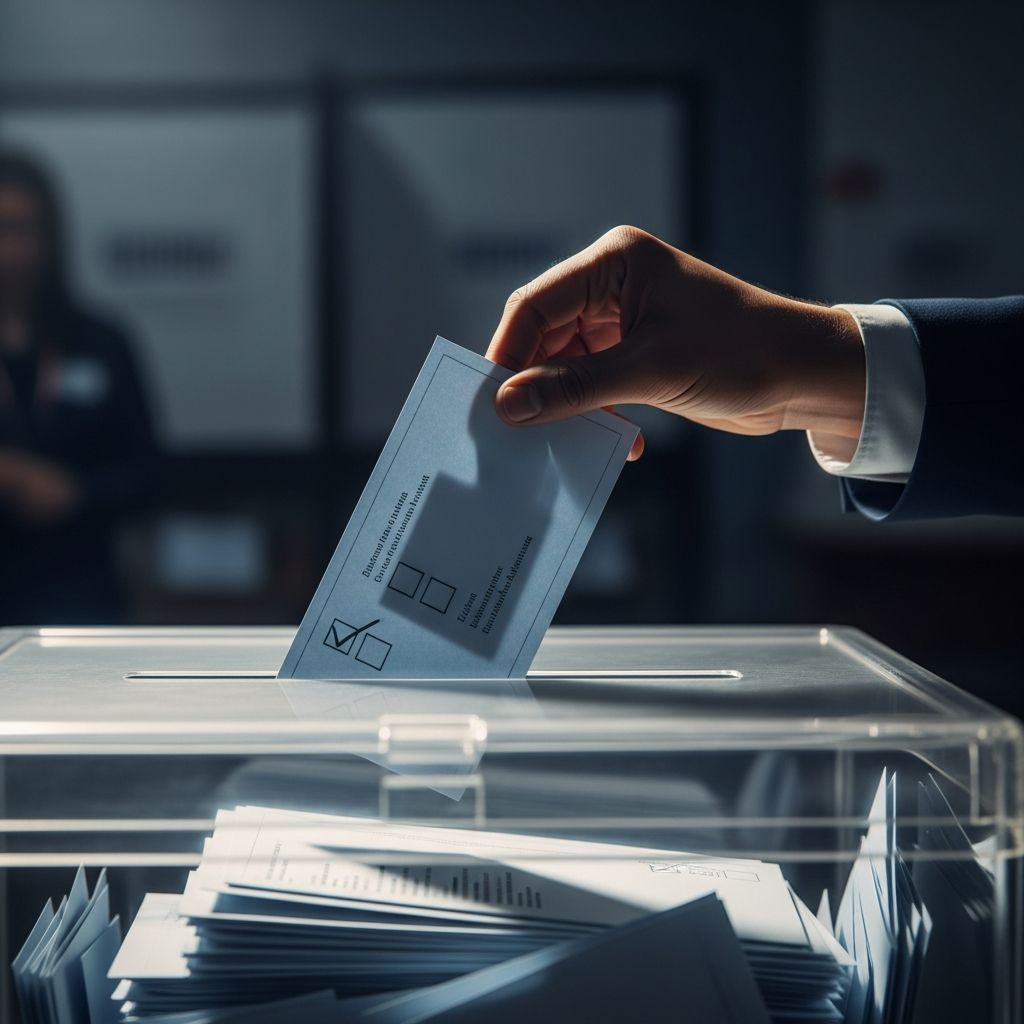
Voting stands as the cornerstone of democratic societies, empowering individuals to influence governance, policies, and community futures directly. By participating in elections, citizens not only select representatives but also contribute to a collective voice that drives meaningful change at local, state, and federal levels.
The Fundamental Right That Shapes Society
In democratic nations like the United States, voting is more than a ritual—it’s a fundamental right that allows every eligible citizen, regardless of background, to have a say in leadership and legislation. This right ensures that diverse voices contribute to decisions affecting education, healthcare, environment, and economy.
Participation in elections reflects public will, making governments more representative and responsive. When turnout is high, outcomes better mirror societal needs, preventing dominance by a vocal minority.
How Your Single Vote Can Tip the Scales
Contrary to the myth that one vote doesn’t matter, history shows elections decided by razor-thin margins, especially in local races where a handful of ballots determine victors. Your decision can sway results, directing resources and policies toward priorities like community funding and public services.
- Local Impact: City council votes influence school budgets, parks, and zoning—decisions with daily effects.
- State Level: Governors and legislators shape taxes, healthcare access, and education standards.
- Federal Reach: Presidential electors hinge on state outcomes, with 538 total votes requiring 270 for victory.
Influencing Policies That Affect Everyday Life
Elected officials craft laws on critical issues: minimum wage hikes, environmental protections, and voter access expansions. For instance, ballot measures have raised wages in states like Arizona and enabled same-day registration in Maryland, demonstrating voting’s tangible policy shifts.
By choosing candidates aligned with your values, you steer legislation toward better healthcare, affordable housing, and job opportunities. Nonprofits note that voters engage more with officials, amplifying community input.
| Issue Area | Voting Influence | Example Outcome |
|---|---|---|
| Education | Funding and curriculum | Higher ed affordability policies |
| Healthcare | Access and costs | Expanded coverage via state laws |
| Economy | Wages and jobs | Minimum wage increases |
| Environment | Regulations | Local green initiatives |
Holding Leaders Accountable Through the Ballot
Voting serves as a check on power, allowing citizens to reward or replace underperforming officials. If a senator ignores key issues or a mayor mishandles concerns, elections provide the mechanism to demand change.
Regular cycles ensure representatives remain aligned with constituents, fostering trust and effectiveness. Low turnout weakens this accountability, letting unrepresentative voices prevail.
Building Stronger, Healthier Communities
Active voters create vibrant communities: they volunteer more, contact officials, and stay informed, boosting economic vitality and social ties. Higher turnout correlates with better health outcomes, education levels, and earnings—voting as a social determinant of health per the American Medical Association.
In youth, participation links to reduced risky behaviors and long-term success. Healthy democracies with robust voting yield accountable governance and equitable resource allocation.
The Ripple Effect: From Individual Action to Collective Power
One vote inspires others—family, friends, neighbors—amplifying impact. Collective participation ensures issues like civil rights, fair redistricting, and judicial integrity gain traction.
This chain reaction fosters civic engagement: voters join organizations, discuss policies, and advocate, turning opinions into action for inclusive societies.
Overcoming Barriers to Maximize Your Impact
Despite importance, challenges like apathy, complex rules, and suppression hinder turnout. Yet, every election—from presidential to down-ballot—carries lasting implications, affecting lifetimes through policy legacies.
- Register early and check status.
- Encourage peers to vote.
- Research candidates thoroughly.
Why Every Election, Every Year, Matters
Elections occur annually, not just quadrennially. Local and state races set precedents with enduring effects, from constitutional amendments to economic reforms. Ignoring them cedes control to others.
For students, votes influence tuition, housing, and transit—shaping futures directly.
Frequently Asked Questions
Does my vote really make a difference in big elections?
Yes, close races at state levels determine electoral outcomes, and every vote contributes to the collective that decides national leadership.
Why vote in local elections if national ones get more attention?
Local votes directly affect daily services like schools and roads, often decided by few ballots, yielding immediate community benefits.
Is voting linked to personal well-being?
Absolutely—voters show higher education, earnings, health, and civic involvement, recognized as a health determinant.
How does voting promote accountability?
It allows replacing officials who fail promises, ensuring leaders reflect voter priorities.
What if I’m busy—can I still participate?
Options like mail-in, early voting, and same-day registration in some states make it accessible.
Embracing Your Role in Democracy’s Future
Voting transcends individual action; it’s a privilege and responsibility forging equitable, responsive governance. By engaging, you secure rights, advance justice, and build legacies of progress. Participate fully—your voice defines tomorrow.
References
- Why Vote – APIAVote — APIAVote. 2024. https://apiavote.org/how-to-vote/why-vote/
- Why Voting is Important: Your Voice Matters – HeadCount — HeadCount. 2024. https://www.headcount.org/voter-education/why-voting-is-important-your-voice-matters/
- Why Is it Important to Vote? Reasons to Vote this Election Season — NAACP Legal Defense Fund. 2024. https://www.naacpldf.org/reasons-to-vote/
- Why we vote – The NAU Review — Northern Arizona University. 2024. https://news.nau.edu/why-we-vote/
- The Benefits of Voting | Nonprofit VOTE — Nonprofit VOTE. 2024. https://www.nonprofitvote.org/resource/benefits-voting/
- Why Voting Matters – Voting is Social Work — University of Connecticut. 2024. https://voting.socialwork.uconn.edu/why-voting-matters/
- Importance of Voting as a College Student in 2024 — St. John’s University. 2024. https://www.stjohns.edu/news-media/johnnies-blog/importance-of-voting-2024-why-it-matters

Medha Deb is an editor with a master's degree in Applied Linguistics from the University of Hyderabad. She believes that her qualification has helped her develop a deep understanding of language and its application in various contexts. Medha specializes in the areas of beauty, health, sports, and wellness and is committed to ensuring that the content on the website is…