
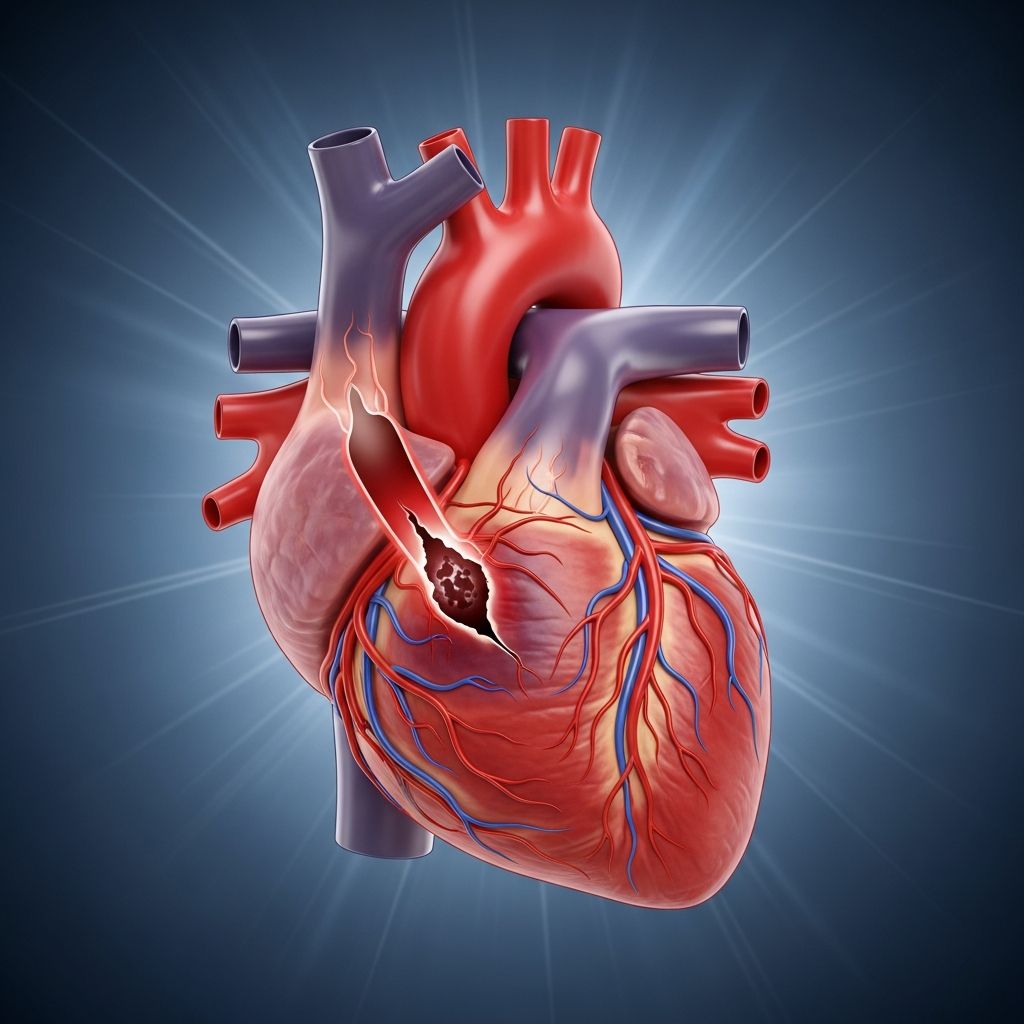
The widowmaker heart attack represents one of the most severe forms of myocardial infarction, occurring when the left anterior descending (LAD) artery becomes fully obstructed. This artery delivers approximately half of the oxygen-rich blood to the heart muscle, making its blockage particularly catastrophic. Rapid intervention is essential, as delays can lead to extensive cardiac damage or sudden death.
The Critical Role of the LAD Artery in Heart Function
The LAD artery, often called the “widowmaker” due to its association with high fatality rates, branches off the left main coronary artery and supplies blood to the front and main pumping chamber of the heart. A complete blockage here deprives a large portion of the myocardium of oxygen, triggering widespread tissue death known as infarction. Unlike partial blockages in smaller vessels, LAD occlusion affects up to 50% of the heart’s blood supply, elevating the risk of ventricular fibrillation and cardiac arrest.
Medical experts emphasize that this event is classified as an anterior ST-segment elevation myocardial infarction (STEMI), demanding immediate reperfusion therapy. The heart’s reliance on this vessel underscores why timely recognition and treatment are paramount for survival.
Recognizing the Warning Signs: Symptoms You Can’t Ignore
Symptoms of a widowmaker heart attack mirror those of other myocardial infarctions but often intensify due to the extensive area affected. Common indicators include:
- Intense chest pain or pressure, described as a squeezing or heavy sensation lasting more than a few minutes.
- Shortness of breath, even at rest, signaling oxygen deprivation.
- Lightheadedness, dizziness, or fainting from reduced cardiac output.
- Nausea, vomiting, or extreme fatigue, particularly prevalent in women.
- Pain radiating to the arms, shoulders, neck, jaw, back, or upper abdomen.
- Cold sweats, rapid or irregular heartbeat, and sudden numbness in the face or neck.
These signs can vary; older adults, diabetics, and females may experience subtler manifestations like indigestion or unexplained exhaustion rather than classic chest pain. Prompt action—calling emergency services at the first sign—is crucial, as half of fatalities occur within hours.
Root Causes: How Plaque Buildup Leads to Disaster
Atherosclerosis forms the foundation of most widowmaker events. Over years, cholesterol-laden plaques accumulate within the LAD’s inner walls, narrowing the vessel and promoting clot formation. A plaque rupture can trigger a thrombus that fully occludes the artery, halting blood flow.
Key contributors include:
- High cholesterol (hyperlipidemia) fostering plaque deposition.
- Hypertension damaging arterial linings.
- Diabetes accelerating vascular inflammation.
- Smoking introducing toxins that harden arteries.
- Obesity and sedentary lifestyles exacerbating metabolic risks.
- Genetic predisposition or family history of coronary artery disease (CAD).
This progressive coronary artery disease culminates in acute blockage, often without prior warning, highlighting the need for proactive screening.
Emergency Response: Time-Sensitive Interventions
Upon suspicion, emergency protocols prioritize rapid transport to a cardiac center. Initial care involves:
- Aspirin to inhibit clotting.
- Nitroglycerin for vasodilation and pain relief.
- Oxygen therapy to boost saturation.
- Medications like ACE inhibitors to reduce heart workload.
Definitive treatment targets reperfusion. Percutaneous coronary intervention (PCI), or angioplasty, uses a catheter to inflate a balloon and deploy a stent, restoring flow within 90 minutes ideally. For complex cases, coronary artery bypass grafting (CABG) reroutes blood around the blockage using grafts from other vessels.
Hospital stays typically last 2-4 days, with monitoring for arrhythmias or complications. Antiplatelet drugs and beta-blockers follow to prevent recurrence.
Long-Term Management: Rebuilding Heart Health Post-Attack
Survival demands comprehensive rehabilitation. Cardiac rehab programs combine supervised exercise, dietary counseling, and stress management to strengthen the heart. Lifelong medications—statins for cholesterol, antihypertensives, and anticoagulants—mitigate re-blockage risks.
Patients must adopt heart-healthy habits: a Mediterranean-style diet rich in fruits, vegetables, and omega-3s; at least 150 minutes of weekly moderate activity; smoking cessation; and blood pressure/cholesterol targets below 130/80 mmHg and LDL under 70 mg/dL, respectively.
Prevention Strategies: Lowering Your LAD Risk
Proactive measures can slash incidence. Annual check-ups with lipid panels, blood sugar tests, and ECGs detect early atherosclerosis. Lifestyle shifts yield profound benefits:
| Risk Factor | Prevention Action | Expected Benefit |
|---|---|---|
| High Cholesterol | Statins + low-saturated fat diet | 30-50% plaque reduction |
| Hypertension | Exercise + DASH diet | 20% lower attack risk |
| Smoking | Cessation programs | 50% risk drop in 1 year |
| Diabetes | Glycemic control + weight loss | Improved vascular health |
| Obesity | 150 min/week cardio | Enhanced ejection fraction |
Genetics play a role, but modifiable factors account for 80-90% of cases. Public awareness campaigns stress these steps to avert tragedy.
Demographic Insights: Who Faces Higher Risks?
Men under 55 and postmenopausal women bear elevated burdens due to hormonal shifts. Diabetics experience “silent” attacks, missing chest pain. Ethnic disparities exist, with higher CAD rates in South Asians and African Americans. Awareness tailored to these groups improves outcomes.
Frequently Asked Questions (FAQs)
What makes the widowmaker different from other heart attacks?
The widowmaker involves total LAD blockage, impacting half the heart versus smaller vessels in typical attacks, leading to higher mortality without swift PCI.
Can you survive a widowmaker heart attack?
Yes, survival exceeds 90% with treatment under 90 minutes; delays raise fatality to 50% in hours.
Are symptoms different in women?
Women often report nausea, fatigue, jaw/back pain over chest pressure; prompt recognition is vital.
How is LAD blockage diagnosed?
ECG shows STEMI patterns, troponin elevates, and angiogram confirms occlusion.
What lifestyle changes prevent recurrence?
Quit smoking, exercise regularly, eat heart-smart foods, manage weight/BP/cholesterol, and adhere to meds.
Advancements in Care: Hope on the Horizon
Recent innovations like bioresorbable stents and AI-driven imaging promise better recoveries. Trials explore plaque regression drugs, potentially averting blockages. Community education expands access to cath labs, narrowing survival gaps.
Ultimately, the widowmaker underscores heart disease’s toll—leading global killer—but armed with knowledge, swift action, and prevention, risks diminish dramatically. Consult providers for personalized assessments.
References
- Widowmaker Heart Attack: Causes, Outlook, Treatment — Healthgrades. 2023. https://resources.healthgrades.com/right-care/heart-attack/widowmaker-heart-attack
- Widow maker heart attack: Symptoms and causes — Medical News Today. 2023-05-13. https://www.medicalnewstoday.com/articles/327332
- Widowmaker Heart Attack: How Does It Happen? — WebMD. 2023. https://www.webmd.com/heart-disease/widow-maker-heart-attack
- Dangers of a Widowmaker Heart Attack — Cleveland Clinic. 2023-08-23. https://my.clevelandclinic.org/health/diseases/24507-widowmaker-heart-attack
- Doctor Explains What Makes Heart Attack Widowmaker — Michigan Medicine. 2023. https://www.michiganmedicine.org/health-lab/doctor-explains-what-makes-heart-attack-widowmaker

Medha Deb is an editor with a master's degree in Applied Linguistics from the University of Hyderabad. She believes that her qualification has helped her develop a deep understanding of language and its application in various contexts. Medha specializes in the areas of beauty, health, sports, and wellness and is committed to ensuring that the content on the website is…