
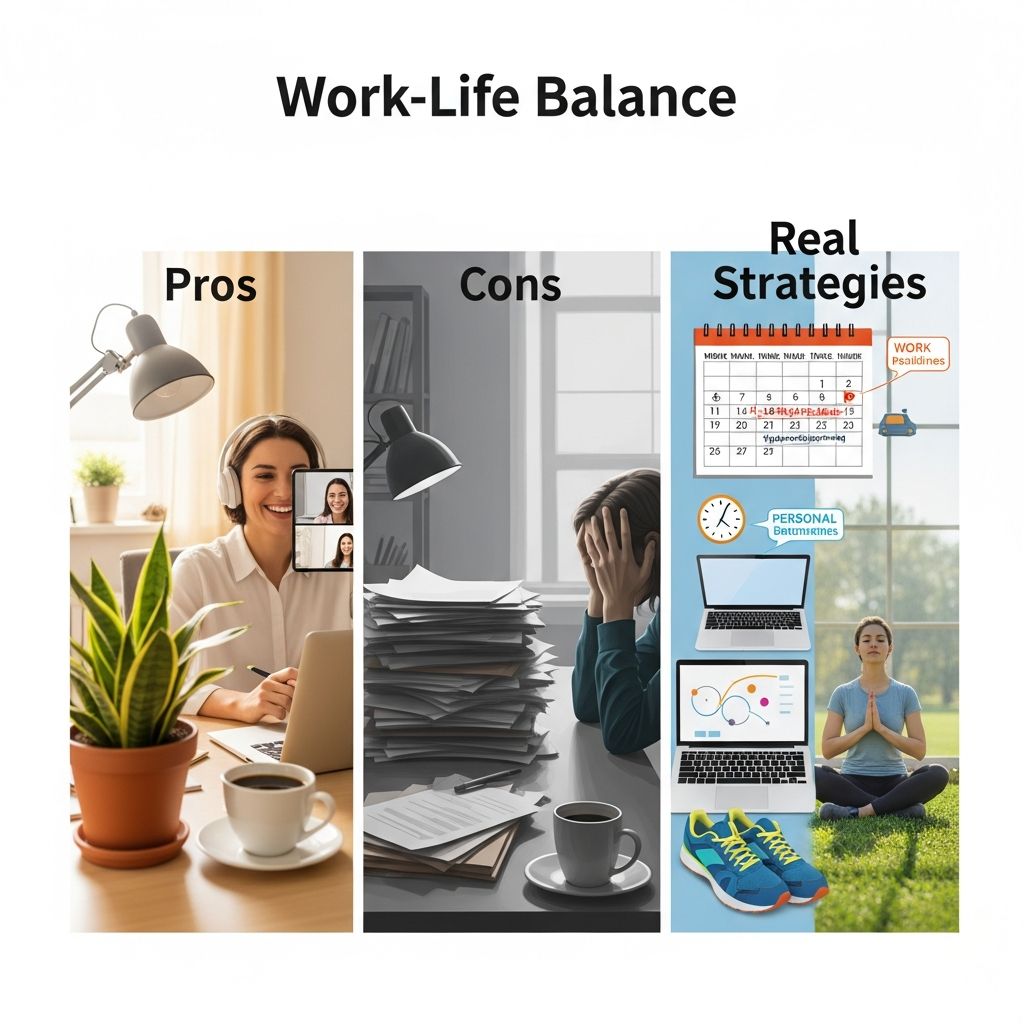
In today’s fast-paced world, achieving harmony between professional demands and personal fulfillment remains a top priority for many. Defined by Harvard University as the ability to manage one’s professional and personal life in a satisfying, fulfilling, and meaningful way, work-life balance fosters harmony across work, home, health, leisure, family, and spiritual growth. Yet, this ideal is often debated, with strong arguments on both sides. This article delves into the key advantages and challenges, drawing from credible research to help you navigate this complex terrain.
Defining Work-Life Balance in a Modern Context
Work-life balance refers to the equilibrium where individuals can meet job requirements while nurturing personal interests, family time, and health. It minimizes work-related stress and promotes sustainable well-being, ensuring fulfillment in both spheres. In a VUCA (volatile, uncertain, complex, ambiguous) environment, this balance is harder to attain due to unpredictable demands, yet it’s essential for mental and physical health.
Contrary to outdated views of rigid 9-to-5 schedules, modern balance emphasizes flexibility, such as remote work or adjustable hours, allowing personalization based on life stages like parenthood or caregiving.
Key Advantages of Prioritizing Work-Life Balance
Embracing balance yields measurable benefits for individuals and organizations alike. Here’s a breakdown of the primary gains:
- Enhanced Productivity and Focus: Balanced employees experience less stress, leading to sharper concentration, fewer errors, and innovative output. Research shows well-rested workers meet deadlines more effectively, directly boosting company performance.
- Improved Mental and Physical Health: A UCL study of over 10,000 participants found that working three or more overtime hours weekly raises heart disease risk by 60%. Balance reduces such risks, curbing illnesses from flu to strokes and promoting self-care.
- Higher Employee Retention and Loyalty: Organizations fostering balance see lower turnover, saving on recruitment costs and building stable teams. Motivated staff are more engaged and less absent due to burnout.
- Better Relationships and Happiness: Time for family and hobbies strengthens bonds, reduces irritability, and enhances overall life satisfaction, creating positive ripple effects at work.
| Benefit | Individual Impact | Organizational Impact |
|---|---|---|
| Productivity | Reduced burnout, better focus | Higher output, innovation |
| Health | Fewer sick days, lower stress | Improved attendance |
| Retention | Job satisfaction | Cost savings, talent attraction |
Flexible arrangements like remote work amplify these benefits by enabling healthy eating, exercise, and family duties without sacrificing professionalism.
Potential Drawbacks and Challenges of Work-Life Balance
While appealing, pursuing strict balance isn’t without pitfalls. Critics argue it can hinder ambition in competitive fields. Explore these common downsides:
- Career Stagnation Risks: Opting for reduced hours may limit promotions or high-visibility projects, as some cultures reward ‘always-on’ availability. This can create perceptions of lower commitment.
- Technology-Induced Blurring: Constant connectivity via smartphones erodes boundaries, leading to perpetual work intrusion and heightened anxiety, even during ‘off’ time.
- Increased Workloads Elsewhere: When some employees prioritize balance, others face heavier loads, fostering resentment and uneven team dynamics.
- Difficulty in Volatile Environments: In unpredictable industries, rigid balance schedules falter against urgent demands, causing guilt or imbalance during peaks.
Moreover, cultural norms in high-pressure sectors often glorify overwork, making balance feel unattainable without managerial buy-in. Without support, employees fear repercussions for logging off. A poor balance also manifests as forgetfulness, detachment, and chronic stress, exacerbating issues.
Navigating Common Obstacles in Today’s Workplaces
Modern hurdles like rigid schedules, overload, and ‘always-on’ expectations complicate balance. Caregivers or parents particularly struggle with inflexible 9-to-5 models. Solutions include AI tools for streamlined communication and centralized resources, reducing complexity. Employers must model balance, offering life transition support like paid leave or EAPs.
Practical Strategies for Individuals to Achieve Balance
Personal agency is key. Start by:
- Setting Clear Boundaries: Define work hours and use ‘do not disturb’ modes post-cutoff to protect personal time.
- Prioritizing Tasks: Use techniques like Eisenhower Matrix to focus on high-impact work, avoiding overload.
- Incorporating Self-Care: Schedule exercise, mindfulness, and family time as non-negotiables, treating them like meetings.
- Leveraging Flexibility: Negotiate remote days or compressed weeks to align with personal needs.
Track progress weekly, adjusting as life evolves. Success comes from sustainable habits, not perfection.
Employer Tactics to Foster a Balanced Culture
Leaders play a pivotal role. Implement:
- Flexible policies, recognition programs, and wellness initiatives to boost morale.
- Training managers to encourage downtime and monitor workloads.
- Promoting ‘right to disconnect’ policies, as seen in progressive firms reducing burnout.
Companies prioritizing this see loyal, productive teams and attract top talent.
Measuring Success: Indicators of Effective Balance
Gauge balance by energy levels, sleep quality, relationship health, and work enjoyment. Tools like employee surveys reveal organizational health, linking balance to engagement. Balanced workers take fewer sick days and stay longer.
Frequently Asked Questions (FAQs)
What is the true definition of work-life balance?
A sustainable harmony between career duties and personal well-being, minimizing stress while maximizing fulfillment in both.
Does work-life balance hurt career growth?
Not inherently; it can enhance long-term success via better focus, though short-term trade-offs exist in overwork cultures.
How can remote work improve balance?
It offers schedule control for personal tasks, healthier habits, and reduced commute stress, boosting overall satisfaction.
What are signs of poor work-life balance?
Chronic fatigue, irritability, declining health, and strained relationships signal imbalance needing immediate attention.
Can employers measure work-life balance impact?
Yes, through retention rates, productivity metrics, and engagement surveys showing correlations with well-being policies.
Long-Term Outlook: Balance as a Competitive Edge
In an era of talent wars, balance distinguishes forward-thinking organizations. Individuals who master it report greater success without sacrificing health. By addressing cons proactively, the pros—healthier, happier, high-performing lives—far outweigh challenges.
References
- Work-Life Balance – The Challenges and The Benefits — Thrive4Life. 2023. https://www.thrive4life.co.uk/knowledge-hub/work-life-balance-challenges-and-benefits
- Work-Life Balance: A Competitive Advantage for Employers — HireBorderless. 2024-05-15. https://www.hireborderless.com/post/why-encouraging-work-life-balance-is-a-competitive-advantage-for-employers
- The Importance of Work-Life Balance — The Happiness Index. 2023-08-10. https://thehappinessindex.com/blog/importance-work-life-balance/
- Why Work-Life Balance Is Important (With Benefits and Steps) — Indeed Canada. 2025-01-05. https://ca.indeed.com/career-advice/career-development/why-work-life-balance-is-important
- Employee Work Life Balance: What It Is and How to Promote It — Qualtrics. 2024. https://www.qualtrics.com/articles/employee-experience/employee-work-life-balance/
- Work Life Balance — Mental Health America. 2024-11-20. https://mhanational.org/resources/work-life-balance/
- Work–Life Balance: History, Costs, and Budgeting for Balance — NIH/PMC. 2014-06-09. https://pmc.ncbi.nlm.nih.gov/articles/PMC4079063/

- Integrated M.A. in Applied Linguistics, University of Hyderabad
- 5+ years in editorial, instructional, SEO, and research-based writing
Sneha is a relationships and lifestyle writer with a strong foundation in applied linguistics and certified training in relationship coaching. She brings over five years of writing experience to theskillvault, crafting thoughtful, research-driven content that empowers readers to build healthier relationships, boost emotional well-being, and embrace holistic living. Her writing and insights reflect the belief that beauty, happiness, and wellness…