
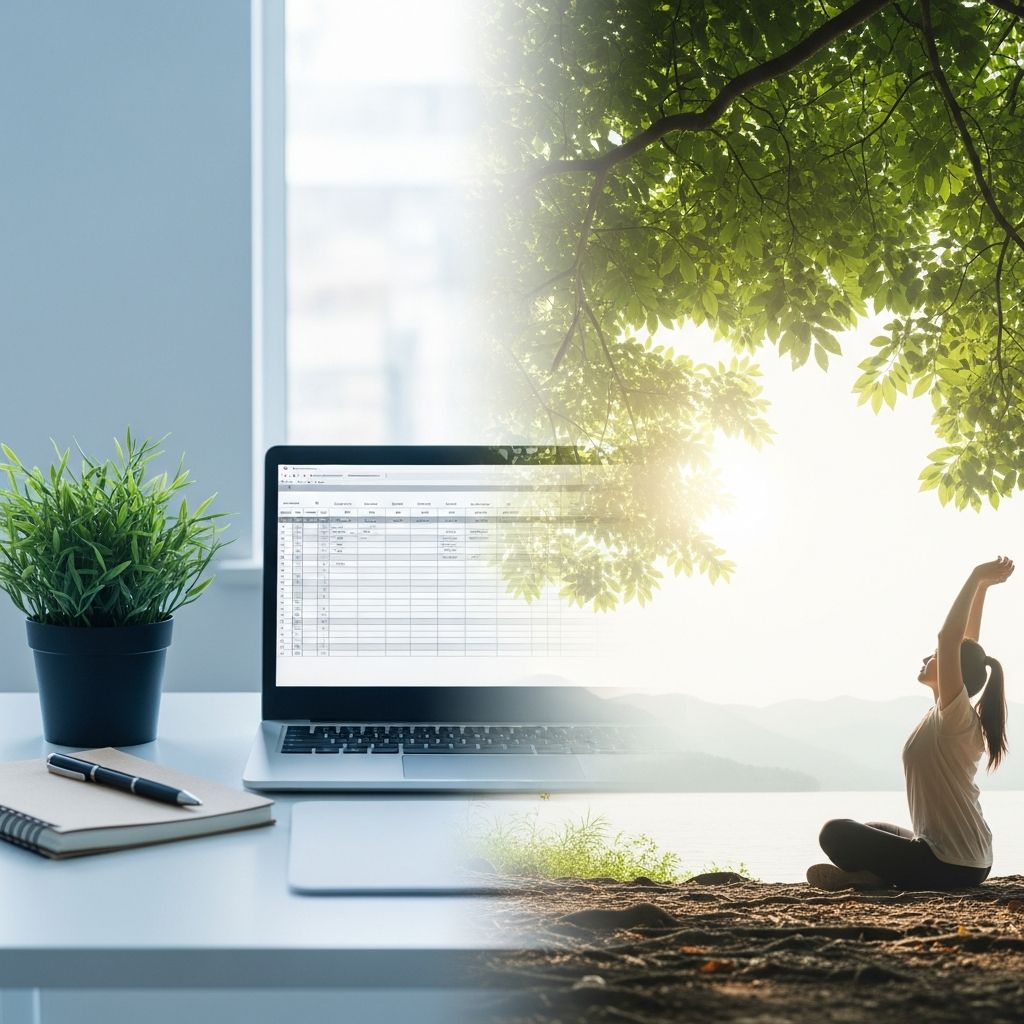
In today’s fast-paced professional landscape, achieving a healthy equilibrium between career demands and personal life has become more crucial than ever. As we step into 2026, the traditional notion of work-life balance is evolving into a more integrated, flexible model that emphasizes sustainability, personalization, and well-being. Overwork leads to burnout, reduced productivity, and health issues, but with intentional strategies, individuals and organizations can foster environments where people thrive without sacrificing their lives outside work. This article outlines 12 practical approaches to help you navigate this shift, drawing from emerging trends like fluid workdays, AI-enhanced efficiency, and outcome-focused performance.
Understanding the Shift to Work-Life Integration
The rigid 9-to-5 structure is fading, replaced by flexible models that accommodate individual rhythms. Employees now prioritize fluid schedules aligning with energy peaks, family needs, and personal focus times, reducing conflict between professional and home responsibilities. Work-life integration views career and personal spheres not as opposites but as complementary forces, supported by strong workplace cultures that prioritize human needs. Research highlights key pillars: clear separation when needed, schedule flexibility, stress management tools, and dedicated family time. For 2026, sustainability trumps short-term intensity, focusing on stable performance through predictable workloads and regeneration spaces.
Personal Strategies for Everyday Balance
Individuals hold the power to reclaim control over their time and energy. Start by crafting a blueprint tailored to your lifestyle, incorporating tech wisely for automation while carving out rest periods.
- Establish Firm Boundaries: Define specific office hours and communicate them clearly via email signatures or voicemails. Disable notifications post-hours to prevent intrusion, safeguarding mental health even in billable-hour environments.
- Implement Time-Blocking: Allocate slots not just for meetings but for deep work, exercise, or mental resets. Schedule high-focus tasks during peak productivity windows and lighter activities during slumps, optimizing output without extension.
- Craft Flexible Daily Schedules: Aim for roughly equal divisions—8 hours work, 8 hours rest or relationships, 8 hours sleep—but adapt weekly goals flexibly around life’s unpredictability. Pursue hobbies like music practice in available energy pockets post-responsibilities.
Prioritizing Holistic Well-Being
Health forms the foundation of productivity. Neglect it, and performance crumbles. Build habits supporting physical, emotional, and mental vitality daily.
- Daily Movement and Fresh Air: Dedicate at least 30 minutes to walks or exercise outdoors, boosting physical health and mood.
- Nurture Connections: Spare moments for calls with friends or family, sustaining emotional bonds amid busyness.
- Mindful Practices: Incorporate meditation, journaling, or gratitude exercises to fortify mental resilience.
During breaks, step away fully: dine out, socialize briefly, or indulge in personal joys like reading. For remote workers, set defined hours matching peak productivity and designate distinct workspaces—avoiding beds—to mentally detach.
Leveraging Technology and Flexibility
2026’s workplace leverages AI for efficiency, freeing time for what matters. Use tools intentionally to handle repetitive tasks, then enforce micro-boundaries for self-care. Hybrid models with asynchronous collaboration enable four-day weeks or compressed hours, focusing on outcomes over presence.
| Traditional Work Model | 2026 Integration Model |
|---|---|
| Rigid 9-5 hours | Fluid schedules based on energy |
| Hours-based evaluation | Outcome-driven performance |
| Separation of work/home | Seamless blending with boundaries |
This table illustrates the evolution, highlighting how flexibility reduces stress while maintaining accountability.
Employer-Led Initiatives for Collective Harmony
Organizations must adapt to retain talent. CFOs and leaders promote balance through culture, clear expectations, and perks like flexible arrangements.
- Outcome-Based Metrics: Reward results, not time logged, modeling sustainable habits and curbing always-on cultures.
- Well-Being Investments: Offer tech for mindfulness tracking, mental health access, and training in stress management.
- Supportive Amenities: Provide on-site childcare, quiet recharge zones, gyms, or pet-friendly policies to ease daily pressures.
- Encourage Open Dialogue: Run surveys on balance issues, normalize speaking up about overload, and ensure breaks are routine.
Volunteering leave and personalized flexibility like job-sharing further enhance loyalty and soft skills.
Overcoming Common Obstacles
Challenges like unpredictable demands persist, but proactive measures help. Combat procrastination by tying goals to flexible weekly targets rather than rigid dailies. For high-pressure roles, time-blocking counters afternoon slumps with movement breaks. Build community through digital or in-person ties to fight isolation and burnout.
Long-Term Sustainability in 2026
By 2026, balance means enduring performance via clear expectations, safe environments, and recovery time. Employees defining personal blueprints and employers fostering trust will drive engagement, retention, and innovation. Personalization—blending routines with short, intentional pauses—ensures thriving amid hybrid evolution.
Frequently Asked Questions (FAQs)
What is the difference between work-life balance and integration?
Balance separates work and life as competing elements, while integration blends them harmoniously with boundaries for unified fulfillment.
How can remote workers maintain boundaries?
Set specific hours, use dedicated workspaces, and separate browsers for work versus personal use to unplug effectively.
Why is flexibility key in 2026 workplaces?
It aligns with individual rhythms, boosts productivity via outcomes, and attracts talent in hybrid, AI-driven eras.
Can employers measure work-life success?
Yes, through surveys, retention rates, engagement scores, and reduced burnout reports.
What daily habit most impacts well-being?
Consistent 30-minute physical activity or fresh air exposure enhances physical, emotional, and mental health profoundly.
References
- 6 Guaranteed Ways to Improve Work-Life Balance in 2026 — NovoResume. 2026. https://novoresume.com/career-blog/work-life-balance
- Work-Life Balance Is Evolving: What It Will Look Like in 2026 and Beyond — Mondo. 2026. https://mondo.com/insights/work-life-balance-is-evolving-what-it-will-look-like-in-2026-and-beyond/
- Get it Together: Work-Life Balance in 2026 — Pennsylvania Bar Institute (PBI). 2026. https://www.pbi.org/blog/get-it-together-work-life-balance-in-2026/
- Rethinking Work-Life Balance: What You Need to Know — WorldatWork. 2026. https://worldatwork.org/publications/workspan-daily/rethinking-work-life-balance-what-you-need-to-know
- Work-life balance in 2026: a strategic topic for HR and CEO — We Are For Humans. 2026. https://www.weareforhumans.com/en/blog/work-life-balance-in-2026/

- Integrated M.A. in Applied Linguistics, University of Hyderabad
- 5+ years in editorial, instructional, SEO, and research-based writing
Sneha is a relationships and lifestyle writer with a strong foundation in applied linguistics and certified training in relationship coaching. She brings over five years of writing experience to theskillvault, crafting thoughtful, research-driven content that empowers readers to build healthier relationships, boost emotional well-being, and embrace holistic living. Her writing and insights reflect the belief that beauty, happiness, and wellness…