
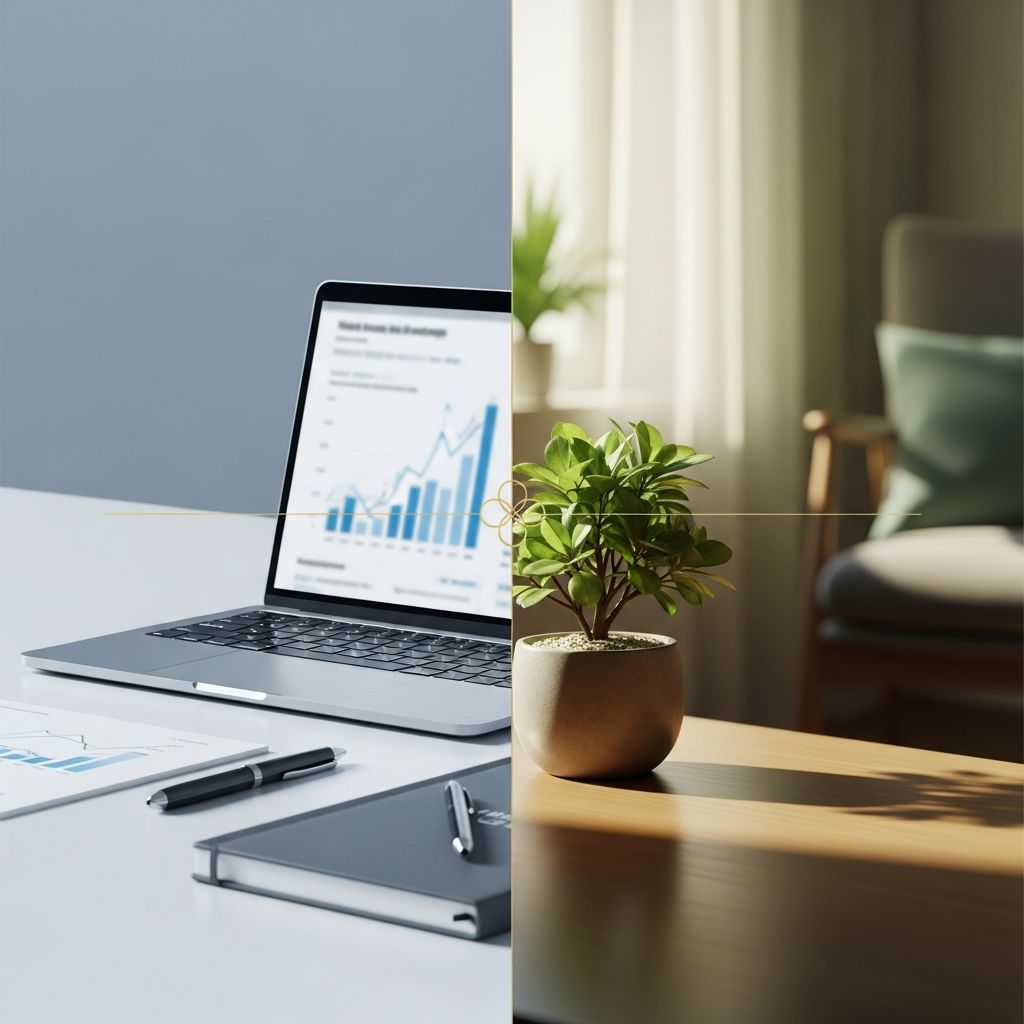
In today’s fast-paced professional landscape, achieving a fulfilling balance between career demands and personal life has become essential for sustained success and happiness. Work-life harmony goes beyond mere time management; it involves intentional practices that foster productivity, mental resilience, and joy. As we navigate 2026, evolving workplace norms emphasize integration over rigid separation, powered by technology and flexible policies. This article delves into actionable strategies for professionals and leaders alike, ensuring you thrive without burnout.
Building a Flexible Daily Framework
The foundation of effective work-life harmony starts with a realistic and adaptable schedule. Traditional 8-8-8 models—eight hours work, eight hours rest, eight hours personal time—often fall short amid unpredictable life events. Instead, adopt a weekly goal-oriented approach: allocate flexible blocks for key activities like skill-building or family time, adjusting as energy levels dictate.
For instance, if practicing a hobby like playing music matters to you, aim for five hours weekly rather than daily slots. This flexibility combats procrastination by aligning tasks with peak productivity windows, making goals attainable without rigid adherence.
- Identify peak hours: Track when you’re most focused—mornings for deep work, evenings for creative pursuits—and structure your day accordingly.
- Buffer unexpected events: Reserve 20% of your schedule for surprises, such as family needs or urgent tasks.
- Use digital tools: Apps for time-blocking help visualize and reshuffle priorities seamlessly.
Professionals who implement such frameworks report higher satisfaction and output, as they reclaim control over their time.
Prioritizing Holistic Well-Being
Neglecting health undermines even the best schedules. Prioritize physical, emotional, and mental wellness through daily rituals. Start with 30 minutes of outdoor activity to boost endorphins and vitamin D levels, fostering physical vitality.
Emotionally, nurture connections by scheduling brief calls with loved ones—five minutes can recharge relational batteries. Mentally, incorporate practices like mindfulness or journaling to process stressors and cultivate gratitude.
| Well-Being Dimension | Daily Practice | Expected Benefit |
|---|---|---|
| Physical | Brisk walk or yoga | Increased energy, better sleep |
| Emotional | Connect with a friend | Reduced isolation, higher mood |
| Mental | 10-minute meditation | Sharper focus, lower anxiety |
These habits not only prevent productivity dips but also build resilience against workplace pressures.
Harnessing Breaks for Peak Performance
Breaks aren’t indulgences; they’re strategic tools for sustained focus. Step away from your desk for fresh air, a meal with colleagues, or solo relaxation to reset your mind. Define clear working hours, especially in remote setups, to prevent spillover into evenings.
Create a dedicated workspace—separate from your bed or lounge areas—to signal ‘work mode.’ Use browser extensions to segregate professional and personal tabs, reinforcing mental boundaries. During breaks, engage in joy-sparking activities: read, sketch, or unwind with a favorite show, particularly beneficial for high-interaction roles.
Empowering Boundaries and the Art of Declining
Mastering ‘no’ protects your time and energy. Assess requests against your goals before committing, preserving space for priorities. In team settings, leaders should model disconnection by avoiding after-hours emails, normalizing rest.
Encourage paid time off (PTO) usage without guilt, as vacations enhance creativity and resilience. For remote workers, set ‘do not disturb’ protocols post-cutoff times, fostering an ‘always-off’ counter to the ‘always-on’ culture.
Organizational Strategies for Collective Harmony
Employers play a pivotal role by implementing supportive policies. Offer flexible schedules, remote options, and compressed workweeks, allowing customization to individual needs. On-site perks like childcare, gyms, or pet-friendly spaces reduce daily stressors.
- Quiet zones: Designated areas with comfortable seating and soft music for recharging.
- Volunteering leave: Paid time for community service builds empathy and soft skills.
- Wellness training: Sessions on stress management and time optimization for all staff.
Regular surveys gauge employee sentiment, enabling targeted improvements like mental health parity with physical care. Outcome-focused evaluations reward results over hours, boosting morale and efficiency.
Embracing Technology for Smarter Integration
In 2026, AI and apps streamline routines, freeing time for what matters. Use tools for task automation, leaving room for rest and relationships. Define a ‘balance blueprint’—your unique mix of work, self-care, and social time—tracked via wellness apps.
Micro-boundaries, like scheduled 5-minute breaths or focus sprints, prevent overload. Tech also supports prevention: apps monitor well-being metrics, alerting to burnout risks early.
Future-Proofing Harmony Amid Evolving Trends
Work-life dynamics shift toward sustainability over short bursts. Employers investing in well-being tech and autonomy will attract top talent. Professionals prioritizing community—virtual or in-person—combat isolation effectively.
Focus on whole-person support: adaptive policies for diverse needs, from family obligations to personal growth. By 2026, fluid workdays blend productivity with life seamlessly, emphasizing impact over presence.
Frequently Asked Questions (FAQs)
What is the ideal daily schedule for work-life harmony?
No one-size-fits-all exists; aim for weekly goals over rigid hours, incorporating 8 hours sleep, work, and personal time flexibly.
How can remote workers maintain boundaries?
Designate a specific workspace, set core hours, and use tech to separate work/personal activities.
Why do breaks improve productivity?
They reduce fatigue, enhance focus, and prevent burnout, leading to sharper performance upon return.
What employer perks best support balance?
Flexible schedules, wellness facilities, and PTO encouragement top the list, tailored to employee feedback.
How is work-life balance evolving in 2026?
Toward integration with AI efficiency, fluid schedules, and sustainability-focused cultures.
References
- 6 Guaranteed Ways to Improve Work-Life Balance in 2026 — NovoResume. 2026. https://novoresume.com/career-blog/work-life-balance
- Implementing a Strong Work-Life Balance for Employees — Workforce Essentials. 2026. https://workforceessentials.com/implementing-a-strong-work-life-balance-for-employees/
- Work-Life Balance Is Evolving: What It Will Look Like in 2026 and Beyond — Mondo. 2026. https://mondo.com/insights/work-life-balance-is-evolving-what-it-will-look-like-in-2026-and-beyond/
- Rethinking Work-Life Balance: What You Need to Know — WorldatWork. 2026. https://worldatwork.org/publications/workspan-daily/rethinking-work-life-balance-what-you-need-to-know
- Top Employee Well-Being Trends Employers Must Know for 2026 — FitOn Health. 2026. https://www.fitonhealth.com/blog/top-employee-well-being-trends-employers-must-know-for-2026

Medha Deb is an editor with a master's degree in Applied Linguistics from the University of Hyderabad. She believes that her qualification has helped her develop a deep understanding of language and its application in various contexts. Medha specializes in the areas of beauty, health, sports, and wellness and is committed to ensuring that the content on the website is…