
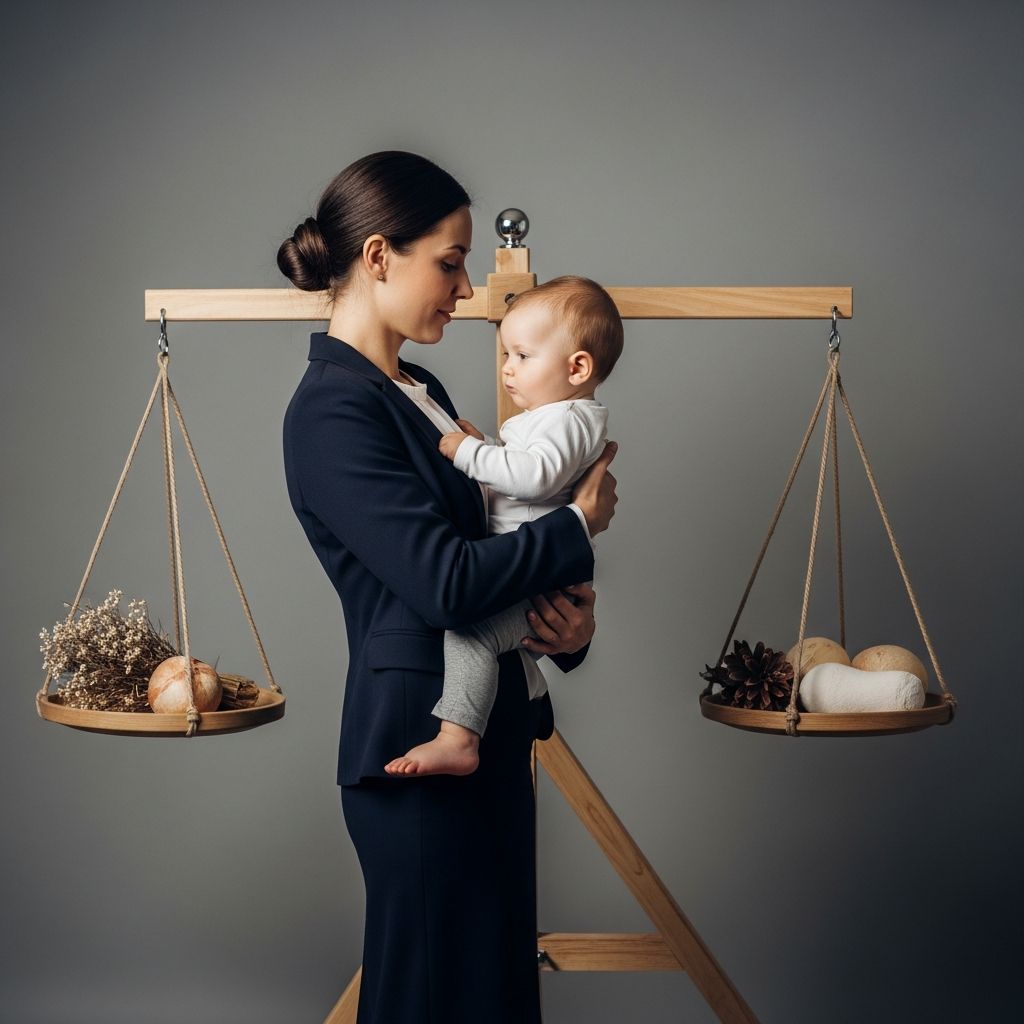
The Unique Intersection of Motherhood and Professional Achievement
The experience of being a working mother represents one of the most complex professional identities in today’s workforce. Unlike single-focused career roles, motherhood at work requires simultaneous attention to multiple demanding domains. Women who maintain careers while raising children must contend with a fundamentally different set of pressures than their colleagues without parental responsibilities. This dual responsibility creates both distinctive challenges and remarkable opportunities for personal and professional growth.
The reality of modern motherhood in the workplace extends far beyond simply managing time. Working mothers navigate intricate systems of childcare, school schedules, unexpected illness, and developmental milestones while maintaining productivity and professional engagement. The ability to manage these competing priorities demonstrates exceptional organizational skills, resilience, and adaptability—qualities that organizations should recognize and value. However, many workplaces have yet to fully acknowledge these strengths or create structures that enable mothers to leverage them effectively.
Understanding the Psychological and Emotional Dimensions
The psychological landscape of motherhood in professional settings involves complex emotional navigation. Mothers frequently experience tension between competing loyalties and expectations from both professional and personal spheres. This emotional labor, though substantial, often remains invisible to employers and colleagues. The guilt many mothers feel about being away from their children or the anxiety about missing important developmental moments can significantly impact workplace presence and engagement.
Beyond individual emotional challenges, working mothers frequently encounter what researchers and workplace experts refer to as perception gaps. Colleagues and supervisors may unconsciously hold different expectations for mothers compared to other employees, or they may question commitment levels based on family status rather than actual performance. These biases operate at both conscious and unconscious levels, affecting everything from assignment opportunities to leadership consideration. Understanding these psychological dimensions helps both mothers and organizations address systemic barriers more effectively.
Practical Strategies for Workplace Communication and Advocacy
Successful navigation of motherhood and career development requires intentional communication strategies. Mothers benefit from clear, transparent dialogue with supervisors about expectations, needs, and aspirations. This communication should be framed not as requests for exceptions but as collaborative problem-solving about how to structure work to maximize both productivity and personal well-being.
Self-advocacy becomes particularly important during critical career moments, such as returning from maternity leave or seeking promotion. Rather than hoping supervisors will intuit needs, mothers who clearly articulate their situation and propose solutions demonstrate professional maturity and strategic thinking. This might involve presenting data about flexible arrangements improving productivity, offering specific proposals for work restructuring, or highlighting how accommodations benefit team dynamics.
Building relationships with mentors and sponsors who understand the motherhood experience can amplify advocacy efforts. These professional allies can provide guidance on navigating organizational cultures, identifying advancement opportunities, and addressing barriers that may arise. Importantly, mentorship should flow in both directions, with experienced mothers sharing insights with those earlier in their careers or considering motherhood.
Creating Infrastructure for Success at Home and in the Office
Physical and logistical infrastructure significantly impacts a mother’s ability to maintain professional engagement. For those working in traditional office environments, access to private spaces for nursing or pumping, proximity to childcare facilities or schools, and break-time policies that accommodate parenting needs all matter substantially. These accommodations are not luxuries but necessities that enable mothers to remain focused on work.
Remote and hybrid work arrangements have transformed possibilities for working mothers, though they introduce their own complexities. Working from home eliminates commute time and can provide flexibility for managing childcare transitions, but it also creates the challenge of maintaining professional boundaries and managing expectations about availability. Successful remote work arrangements require clear communication about working hours, response time expectations, and how to handle interruptions.
The physical workspace itself deserves attention. Whether in an office or at home, mothers benefit from environments that support focused work while accommodating their parenting reality. This might include ergonomic furniture, noise-reduction strategies, organized systems for managing both professional and family information, and spaces where children can be safely engaged when necessary. Thoughtful workspace design demonstrates respect for the multifaceted nature of mothers’ lives.
Navigating Childcare Challenges and Work Commitments
Childcare represents one of the most significant practical obstacles for working mothers. Reliable, affordable childcare is often difficult to secure and frequently becomes a limiting factor in career decisions. When childcare arrangements fail—because a child becomes ill, a provider cancels, or circumstances change—mothers often bear primary responsibility for finding solutions, which can mean missing work or facing reduced focus when present.
Organizations that recognize this reality create institutional support through on-site childcare facilities, partnerships with childcare providers, financial assistance programs, or subsidies. Such arrangements provide stability that allows mothers to concentrate on work. Beyond formal childcare support, workplace cultures that acknowledge unexpected family demands and respond with flexibility and understanding help mothers manage inevitable disruptions.
Personal strategies for managing childcare challenges include maintaining backup childcare arrangements, establishing communication protocols with childcare providers, and developing contingency plans for various scenarios. Mothers who think proactively about potential disruptions and communicate these realities to supervisors can often negotiate arrangements that reduce crisis-mode management during emergencies.
The Critical Role of Workplace Culture and Organizational Support
Perhaps more important than any single policy, the overall culture of an organization determines whether mothers can truly thrive professionally. Cultures that genuinely support motherhood demonstrate this through multiple indicators: leadership includes mothers, employees visibly use flexible arrangements without penalty, parenting is discussed openly, and accommodations are normalized rather than treated as exceptional requests.
Organizations advancing supportive cultures implement several key practices. Employee resource groups specifically for working parents provide community and practical mutual support. Anti-bias training addresses conscious and unconscious stereotypes about mothers, including assumptions about commitment, reliability, or capability. Mentorship programs intentionally include mothers and facilitate peer connections among women at different career stages.
Data collection and transparency about policies and their actual use matter tremendously. When organizations measure utilization of flexible work options, parental leave duration, and return-to-work success rates, they create accountability for supporting mothers effectively. Regular feedback mechanisms allow mothers to voice ongoing challenges and needs, enabling continuous improvement.
Mental Health, Wellness, and Burnout Prevention
The psychological toll of managing two demanding roles simultaneously is significant and deserves institutional attention. Research demonstrates that workers with greater flexibility experience substantially lower rates of serious psychological distress and anxiety. Workplace wellness programs specifically addressing stress management, work-life integration, and parenting challenges can provide valuable support.
Burnout among working mothers occurs at elevated rates, driven by the combination of workplace demands and parenting responsibilities without adequate institutional support. Organizations that proactively address burnout through programs focusing on stress reduction, mindfulness, professional development, and mental health resources demonstrate commitment to employee well-being beyond minimum requirements. These programs benefit not only mothers but create healthier workplaces for all employees.
Individual wellness practices—including boundary-setting, stress management techniques, and seeking professional support when needed—complement organizational wellness initiatives. Mothers who protect time for personal renewal, exercise, and activities outside parenting and work report better overall functioning and greater satisfaction in both domains.
Leadership Pathways and Advancement Considerations
Despite demonstrated capabilities and extensive experience managing complex responsibilities, mothers often face barriers to advancement. The “motherhood penalty” affects women’s advancement trajectories, with assumptions about reduced availability or commitment creating headwinds. Overcoming these barriers requires visibility, continued skill development, and strategic positioning.
Mothers pursuing leadership roles benefit from clear articulation of career aspirations and demonstration of readiness through visible accomplishments. Seeking high-visibility projects, building strong networks, and documenting achievements creates records that counter stereotypes about mothers’ professional capabilities. Importantly, mothers should not need to minimize or hide family responsibilities to pursue advancement, though many feel pressure to do so.
Organizations that successfully advance mothers into leadership create pathways that don’t require choosing between careers and families. This involves reconsidering how leadership is defined, allowing for success through various work arrangements, and recognizing that mothers often bring valuable perspectives and experiences to leadership positions. Female leaders who are mothers serve as role models demonstrating that advancement and motherhood are compatible.
Approaching the Return-to-Work Transition
The period immediately following maternity leave represents a critical juncture requiring careful planning and communication. A successful return to work begins well before the actual return date through conversations about expectations, schedule preferences, gradual ramp-up possibilities, and support mechanisms. Organizations that redesign onboarding and return processes specifically for mothers create smoother transitions.
Practical considerations during return-to-work include establishing pumping or nursing schedules if applicable, reviewing updated policies and procedures, reconnecting with colleagues and projects, and adjusting to new routines. Many mothers benefit from phased returns that gradually increase hours or responsibility, reducing overwhelming transitions while maintaining connection to work. Open communication about anticipated challenges and available support systems helps prevent return-to-work stress from escalating into ongoing dissatisfaction.
Emotional dimensions of returning to work deserve acknowledgment. The separation from a child, adjustments to new childcare arrangements, and resumption of work identity can trigger significant feelings for many mothers. Workplace understanding and support during this transition period helps mothers integrate their identities and reestablish professional engagement successfully.
Building Professional Networks and Seeking Support
Professional networks become particularly valuable for working mothers navigating complex career decisions and challenges. Connections with other mothers in similar roles provide practical advice, emotional support, and perspectives on managing similar situations. These networks function both formally through professional organizations and informally through peer relationships.
Seeking mentorship from women who have successfully navigated motherhood and careers provides invaluable guidance. Conversely, established mothers can provide meaningful mentorship to those earlier in their careers or considering motherhood, creating a system of mutual support and knowledge transfer. These relationships often prove more valuable than formal programs in providing realistic perspectives on integration of these roles.
Frequently Asked Questions
Q: How should I approach my employer about needing flexible work arrangements after returning from maternity leave?
A: Approach this conversation as collaborative problem-solving rather than a request for an exception. Research what flexible options are available, understand how they benefit both you and the organization, and present specific proposals for how your work will be structured and completed. Frame flexibility as enabling sustained high performance rather than requesting relief from expectations.
Q: What can I do if I feel uncomfortable asking for help or accommodations at work?
A: This discomfort is common but important to address. Start by documenting specific situations where you needed support, then practice articulating your needs clearly. Consider that requesting accommodations is professional communication, not weakness. Speaking with a mentor or trusted colleague can help build confidence and provide perspective on whether your concerns are reasonable.
Q: How can I address assumptions colleagues or supervisors may have about my commitment since becoming a mother?
A: Let your work speak for itself through consistent high-quality performance and visible engagement. Communicate proactively about your goals and availability rather than waiting for assumptions to crystallize. Address bias directly when appropriate, and seek allies who will advocate on your behalf. Documentation of your accomplishments becomes particularly important for counteracting stereotype-based assumptions.
Q: What should I consider when deciding whether to work remotely or in an office after having children?
A: Consider both practical factors (commute time, childcare location, collaboration requirements) and personal preferences. Some mothers thrive with remote work’s flexibility, while others find separation helpful for professional focus. The ideal solution depends on your specific situation, job requirements, and family circumstances. Discuss options with your employer to find arrangements that work for both parties.
Q: How can I prevent burnout while managing both motherhood and a career?
A: Prioritize boundaries between work and family time, communicate clearly about expectations, seek organizational wellness support, and invest in personal stress-management practices. Recognize that perfection in both roles simultaneously is unrealistic, and give yourself permission to do well enough in each rather than exceptionally in all. Building a support network of professionals, mentors, and peers helps distribute burden and provide perspective.
References
- 4 Things Leaders Need to Know to Support Working Moms — Gallup. 2024. https://www.gallup.com/workplace/644780/things-leaders-need-know-support-working-moms.aspx
- The Impact of Motherhood on Women’s Career Progression — National Center for Biotechnology Information. 2024. https://pmc.ncbi.nlm.nih.gov/articles/PMC11047346/
- Balancing Motherhood And Work: Tips For Smooth Transitions — Motherhood Center. 2024. https://www.motherhoodcenter.com/balancing-motherhood-and-work/
- Checklist: How to Support Working Mothers in the Workplace — ExtensisHR. 2024. https://extensishr.com/resource/blogs/support-for-working-moms/
- 11 Challenges Working Parents Face and How Organizations Can Help — Inclusivv. 2024. https://www.inclusivv.co/blog/11-challenges-working-parents-face-and-how-organizations-can-help
- What Are the Biggest Challenges Women Face When Returning to Work Post-Maternity Leave and How — WomenTech. 2024. https://www.womentech.net/how-to/what-are-biggest-challenges-women-face-when-returning-work-post-maternity-leave-and-how
- Addressing the Challenges of Working Moms and Other Caregivers — Society for Human Resource Management. 2024. https://www.shrm.org/enterprise-solutions/insights/addressing-the-challenges-of-working-moms-and-other-caregivers-

- Integrated M.A. in Applied Linguistics, University of Hyderabad
- 5+ years in editorial, instructional, SEO, and research-based writing
Sneha is a relationships and lifestyle writer with a strong foundation in applied linguistics and certified training in relationship coaching. She brings over five years of writing experience to theskillvault, crafting thoughtful, research-driven content that empowers readers to build healthier relationships, boost emotional well-being, and embrace holistic living. Her writing and insights reflect the belief that beauty, happiness, and wellness…