
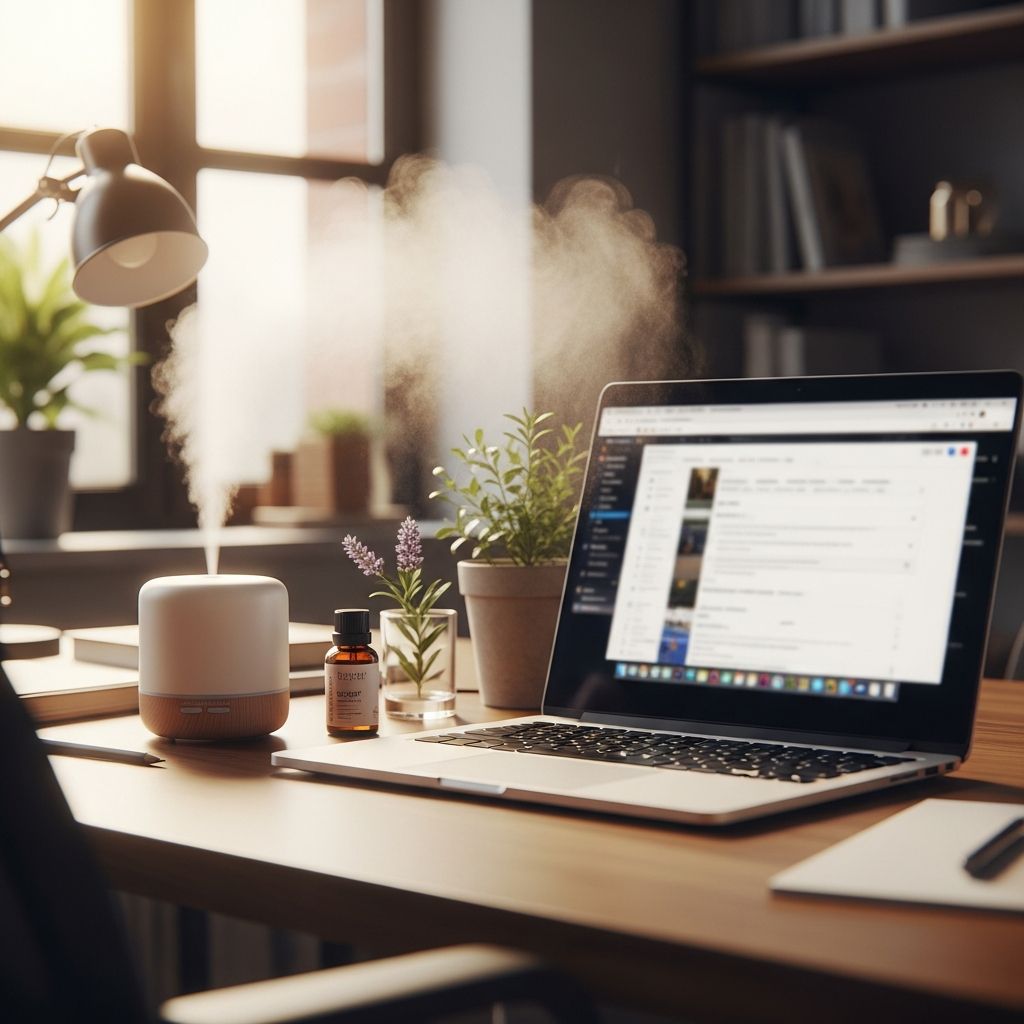
Harnessing Fragrance Science for Professional Excellence
The modern workplace demands intense concentration, sustained energy, and creative problem-solving. While ergonomic furniture, task management systems, and technological tools receive considerable attention in productivity discussions, one potent yet underutilized element remains overlooked: the strategic use of fragrance. The olfactory system operates as a direct gateway to our emotional and cognitive centers, making scent one of the most powerful environmental tools available for enhancing professional performance. Understanding how aromatic compounds influence brain function and work capacity can revolutionize how professionals design their working environments.
The Neurological Foundation of Scent-Enhanced Focus
The sense of smell operates through a unique neurobiological pathway that distinguishes it from other sensory systems. When odor molecules enter the nasal cavity, they activate olfactory receptors that transmit signals directly to the limbic system, the brain region governing emotions, memory formation, and motivational drive. This direct neurological connection means that fragrance influences emotional states and cognitive function with remarkable immediacy, unlike visual or auditory stimuli that travel through additional processing layers.
This neurochemical pathway explains why certain scents produce rapid shifts in mental state and work capacity. Within seconds of encountering a specific fragrance, the brain initiates biochemical cascades that can enhance alertness, reduce mental fatigue, or promote calm focus depending on the aromatic compound’s molecular structure. The limbic system’s intimate relationship with memory and emotion also means that fragrances can anchor concentration through associative learning, creating powerful environmental cues that signal the brain to enter productive states.
How Specific Aromas Enhance Cognitive Performance
Research has identified particular aromatic profiles that consistently improve workplace cognitive function. These fragrances work through distinct mechanisms to enhance different aspects of professional performance:
Invigorating Citrus Compounds for Mental Clarity
Citrus fragrances, including lemon, orange, and grapefruit, possess energizing properties that combat mental sluggishness and enhance clarity. Japanese research demonstrates that citrus aroma exposure eliminates emotional stress while elevating mood for sustained periods, making it particularly valuable during demanding work sessions. The uplifting effect occurs because citrus scents stimulate dopamine production, the neurotransmitter associated with motivation and reward. Professionals facing monotonous tasks or afternoon energy dips benefit significantly from citrus fragrance integration, as these aromas counteract fatigue while maintaining steady cognitive output.
Peppermint for Sharpened Mental Acuity
Peppermint emerges as a premier fragrance for concentration-intensive work. Research confirms that peppermint aroma heightens alertness, accelerates cognitive processing, and reduces mental fatigue during demanding cognitive tasks. The mechanism involves peppermint’s cooling compounds triggering neurological pathways associated with arousal and attention. Additionally, peppermint helps alleviate headaches and tension that commonly accompany prolonged concentration, addressing both cognitive and physical barriers to sustained productivity. Workers engaging in analytical tasks, problem-solving, or creative projects experience measurable improvements in focus duration and solution quality with peppermint fragrance present.
Rosemary as Memory and Cognitive Catalyst
Rosemary possesses documented cognitive-enhancing properties, with scientific evidence demonstrating improved memory retention, heightened alertness, and enhanced focus capabilities. The herbaceous aroma activates neural pathways associated with memory consolidation, making it particularly beneficial for professionals requiring sustained recall or learning during work sessions. Those engaged in research, analysis, writing, or any knowledge-intensive work experience measurable cognitive improvements with rosemary fragrance in their environment.
Eucalyptus for Mental Refresh and Stress Relief
Eucalyptus provides dual benefits through its clean, invigorating aroma that promotes mental clarity while relieving stress simultaneously. The fresh scent signals the parasympathetic nervous system to reduce cortisol production while maintaining alertness, creating an optimal state for focused work without anxiety. This makes eucalyptus particularly valuable for high-pressure environments where both concentration and emotional regulation prove essential.
Lavender for Stress Management During Intense Work
While lavender promotes relaxation, its role in the workplace involves reducing stress and anxiety without inducing drowsiness. This unique property makes lavender ideal for professionals managing demanding deadlines or high-stress projects, as it creates a calm mental state conducive to focused problem-solving while preventing the panic or overwhelm that undermines productivity. The soothing aroma acts as an anxiety buffer, enabling professionals to maintain steady performance even under considerable pressure.
The Stress Hormone Regulation Mechanism
Fragrance directly influences cortisol production, the primary stress hormone affecting cognitive function, decision-making quality, and sustained focus. Chronic cortisol elevation impairs memory formation, slows processing speed, and reduces creative thinking capacity. Strategic fragrance use regulates cortisol levels through olfactory-limbic connections, maintaining the neurochemical balance necessary for optimal cognitive performance. This hormonal regulation explains why professionals using appropriate aromatics experience not just subjective improvements in mood and focus, but measurable enhancements in work output quality and efficiency.
Practical Implementation Strategies for Workspace Fragrance
Effective fragrance integration requires strategic selection and placement tailored to specific work demands and environmental conditions.
Scented Candle Application
Scented candles provide controlled fragrance diffusion suitable for enclosed workspaces. Positioning candles strategically throughout the work environment creates consistent aromatic presence without overwhelming concentration. Quality matters significantly; premium candles with genuine essential oils deliver superior cognitive benefits compared to synthetic fragrance products. Lighting candles 15-20 minutes before beginning focused work allows the fragrance to establish baseline presence when concentration proves most essential.
Essential Oil Diffusion Methods
Essential oil diffusers offer continuous fragrance delivery throughout extended work sessions. Ultrasonic and nebulizing diffusers provide consistent aroma exposure without the open flame concerns of candles. This method proves particularly effective for full workdays, as diffusers maintain stable fragrance levels during prolonged concentration periods without requiring candle management.
Room Freshening Approaches
Scented room sprays enable rapid fragrance environment adjustment when specific cognitive boosts become necessary. Quick applications between tasks or during afternoon productivity dips provide immediate aromatic interventions that restore focus and energy without requiring sustained diffusion infrastructure.
Selecting Fragrances for Individual Work Contexts
Personalized fragrance selection optimizes cognitive benefits by matching aroma profiles to specific work requirements and individual sensitivities.
| Work Context | Recommended Fragrances | Cognitive Benefits |
|---|---|---|
| Analytical/Research Tasks | Rosemary, Peppermint, Citrus | Enhanced memory, sustained focus, mental clarity |
| Creative Problem-Solving | Citrus, Eucalyptus, Rosemary | Elevated mood, creative thinking, cognitive flexibility |
| High-Stress Deadlines | Lavender, Eucalyptus, Chamomile | Anxiety reduction, stress hormone regulation, steady focus |
| Repetitive/Monotonous Work | Peppermint, Citrus, Grapefruit | Fatigue reduction, alertness enhancement, motivation boost |
| Complex Writing Projects | Rosemary, Lemongrass, Peppermint | Memory enhancement, linguistic clarity, sustained attention |
Scientific Evidence Supporting Workplace Fragrance Integration
Research increasingly demonstrates fragrance’s substantial impact on professional performance. Studies show that positive mood—directly influenced by pleasant fragrance—increases productivity, improves decision-making quality, and enhances creative output. Furthermore, aromatic environments eliminate negative impacts from unpleasant odors, which independently reduce performance and lower subjective work satisfaction. The military has documented fragrance’s effectiveness in memory and performance enhancement, with scent-enhanced training resulting in superior performance during subsequent assessments using identical aromatic cues. These findings translate directly to civilian workplace applications, suggesting that professional organizations overlooking fragrance integration miss significant performance optimization opportunities.
Overcoming Common Implementation Challenges
Successfully integrating fragrance into workspaces requires addressing practical considerations:
- Individual Sensitivity Variation: Fragrance preferences differ significantly among individuals. Conducting informal team preferences assessment before implementing shared fragrance strategies ensures acceptance and effectiveness across the workplace.
- Olfactory Adaptation: Continuous fragrance exposure reduces scent perception over time through neural habituation. Varying fragrances throughout the week or rotating diffusion patterns maintains neurological sensitivity and cognitive benefits.
- Quality Standards: Synthetic fragrances or low-quality products may produce adverse reactions or fail to deliver documented cognitive benefits. Investing in genuine essential oil-based products ensures reliable performance enhancement.
- Environmental Context: Fragrance selection must match workspace characteristics. Small enclosed spaces require subtle diffusion methods, while larger open areas may accommodate stronger fragrance presence.
- Allergy and Health Considerations: Certain individuals experience allergic responses or health sensitivities to specific fragrances. Creating fragrance-optional zones or offering alternative aroma profiles accommodates diverse health needs while maintaining productivity benefits.
Designing Fragrance Schedules for Optimal Results
Strategic fragrance timing maximizes cognitive benefits by aligning aromatic exposure with demanding work periods. Morning sessions benefit from invigorating peppermint or citrus, counteracting natural cortisol dips and promoting sustained morning alertness. Afternoon fragrance transitions to energizing citrus or rosemary combat post-lunch fatigue. High-pressure project periods incorporate lavender or eucalyptus to manage stress while maintaining concentration. Evening work concludes with gentle lavender or chamomile to transition toward appropriate rest. This dynamic approach maintains neurological sensitivity while optimizing fragrance benefits across diverse work demands.
Integration with Comprehensive Wellness Approaches
Fragrance enhancement functions most effectively as part of holistic workplace wellness strategies. Combining strategic aroma use with ergonomic workspace design, movement breaks, hydration, and proper lighting creates synergistic productivity improvements exceeding any single intervention. The relatively minimal cost and implementation effort required for fragrance integration make it an exceptionally efficient productivity optimization tool when incorporated into broader wellness frameworks.
Frequently Asked Questions About Workplace Fragrance
Q: How quickly do workplace fragrances produce cognitive effects?
A: Cognitive effects from fragrance exposure occur rapidly, often within seconds to minutes of initial inhalation, as olfactory signals reach the limbic system directly without requiring additional neural processing layers. This immediacy makes fragrance particularly effective for rapid mood and focus adjustments throughout the workday.
Q: Can fragrance improve performance during routine or boring tasks?
A: Yes, research demonstrates that fragrance reduces fatigue and improves performance during repetitive or mentally demanding cognitive tasks, making it particularly valuable for monotonous work requiring sustained attention. Invigorating fragrances like peppermint and citrus prove especially effective for maintaining alertness during routine activities.
Q: Is it necessary to use expensive fragrance products for workplace benefits?
A: While quality matters, expensive products aren’t always necessary. High-quality essential oil-based candles and diffusers provide documented cognitive benefits, but focusing on authentic essential oils rather than synthetic fragrances ensures effectiveness regardless of price point. Mid-range premium products often deliver superior results compared to budget synthetic alternatives.
Q: How does fragrance benefit teams in shared office environments?
A: Shared workspace fragrance offers collective productivity benefits, improved mood regulation, and enhanced focus for all team members, provided fragrance selections account for individual preferences and sensitivities. Collaborative fragrance selection ensures broad acceptance and optimization of team-wide cognitive benefits.
Q: Can fragrance replace other productivity optimization methods?
A: Fragrance functions most effectively as a complementary component within comprehensive productivity strategies rather than as a standalone solution. Combining aromatic enhancement with ergonomic design, task organization, movement breaks, and adequate nutrition creates synergistic improvements exceeding any single intervention alone.
References
- Benefits of Scent: Enhancing Productivity and Focus in the Home Office — Soap and Paper Factory. 2024. https://www.soapandpaperfactory.com/blogs/journal/benefits-of-scent-enhancing-productivity-and-focus-in-the-home-office
- The Power of Candle Scents in Enhancing Your Mood and Wellness — Colonial Candle. 2024. https://colonialcandle.com/blogs/news/wellness-candles-for-aromatherapy
- The Science Behind Candle Scents and Mood — Lubluc Candles Co. 2024. https://lublucandlesco.com/blogs/news/the-science-behind-candle-scents-and-mood
- A three-factor benefits framework for understanding consumer well-being and scent — National Center for Biotechnology Information (NCBI), PubMed Central. 2023. https://pmc.ncbi.nlm.nih.gov/articles/PMC8972642/
- The Science of Scent: How Fragrances Influence Mood and Productivity — Dr. Scent. 2024. https://dr-scent.com/the-science-of-scent-how-fragrances-influence-mood-and-productivity/
- Making Scents of it: 4 Aromas with Powerful Benefits — National Candle Association. 2023. https://candles.org/making-scents-of-it-4-aromas-with-powerful-benefits/
- The Growth of Aromatherapy Candles: Aesthetic and Practical Usefulness as A Soothing Tool and Mental Health Benefits — International Journal of Psychological Studies. 2024. https://www.ijpsjournal.com/article/The+Growth+of+Aromatherapy+Candles

- Integrated M.A. in Applied Linguistics, University of Hyderabad
- 5+ years in editorial, instructional, SEO, and research-based writing
Sneha is a relationships and lifestyle writer with a strong foundation in applied linguistics and certified training in relationship coaching. She brings over five years of writing experience to theskillvault, crafting thoughtful, research-driven content that empowers readers to build healthier relationships, boost emotional well-being, and embrace holistic living. Her writing and insights reflect the belief that beauty, happiness, and wellness…