
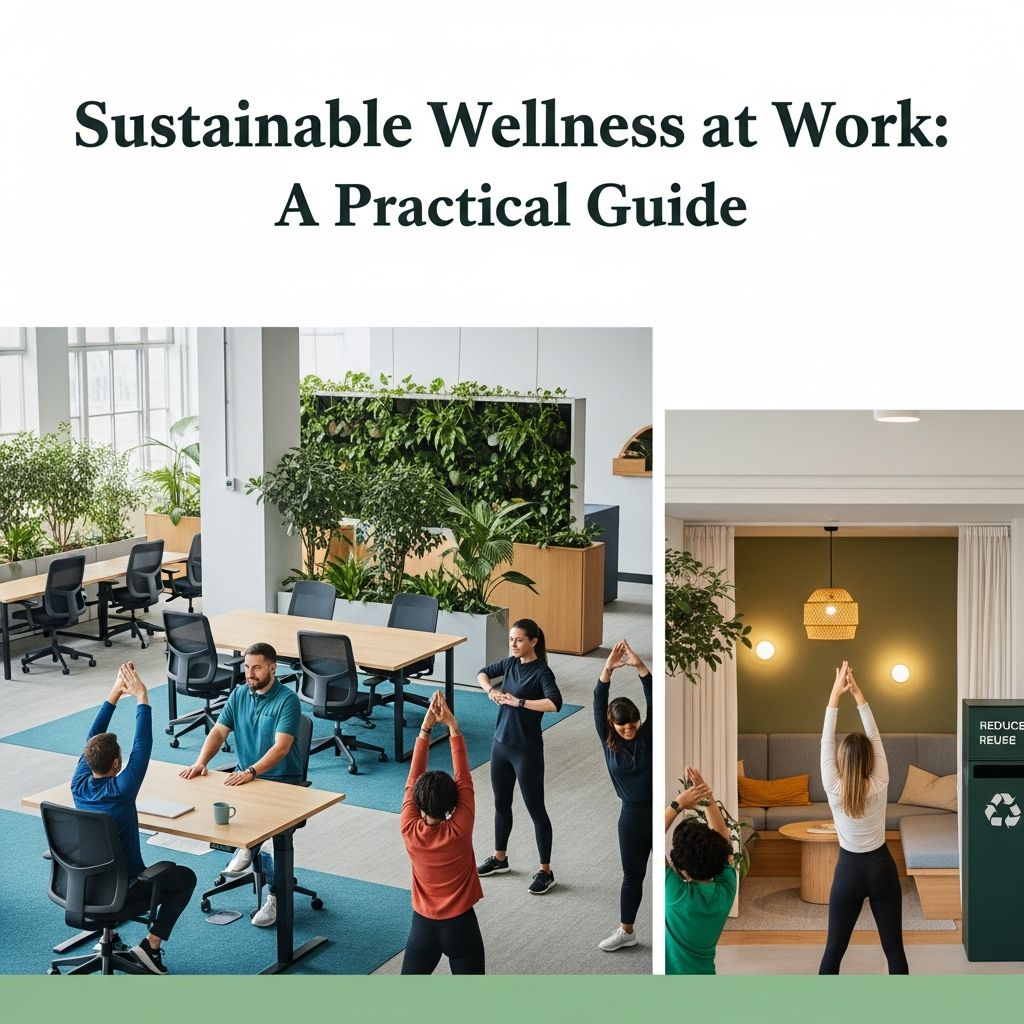
Workplace wellness is no longer about free snacks and step challenges; it is about creating a work life you can sustain without burning out. This guide offers practical, realistic strategies to protect your energy, health, and happiness while you continue to grow in your career.
Why Wellness at Work Matters More Than Ever
Research consistently links employee well-being with better performance, lower turnover, and reduced health costs. Organizations that treat wellness as a strategic priority, not an optional perk, tend to see higher engagement and productivity. At the same time, workers increasingly expect employers to support mental health, flexibility, and holistic well-being.
Wellness at work is not just about feeling good; it is about:
- Protecting long-term health by lowering the risk of chronic stress and burnout.
- Stabilizing performance so your output does not depend on overwork.
- Improving job satisfaction and reducing the urge to quit or disengage.
- Building resilience so you can adapt to change without collapsing.
The Four Pillars of Personal Workplace Wellness
Workplace wellness is easiest to manage when you break it into four interconnected pillars:
- Mental and emotional health
- Physical health and energy
- Social connection and boundaries
- Meaning, values, and growth
Each pillar affects the others. Strengthen them gradually, not all at once, to avoid turning wellness into another source of pressure.
Mental and Emotional Health
Chronic stress and poor psychological safety can quietly erode your performance and life outside work. Employers are increasingly recognizing mental health as a core benefit, including counseling, apps, and mental health days.
Practical habits you can control:
- Micro-breaks for your brain – Take 3–5 minute pauses to stretch, breathe, or step away from the screen every 60–90 minutes. Short breaks help restore focus and reduce fatigue.
- Intentional transition rituals – Use a brief ritual (closing your laptop, writing a to-do list for tomorrow, a short walk) to signal the end of the workday and help your mind switch off.
- Name your stressors – Once a week, list 3 recurring stress triggers at work (for example, last-minute requests). For each, brainstorm one small thing you can change, such as pushing back a deadline or asking for clarity.
- Use available support – If your employer offers counseling, coaching, or digital therapy, treat it like preventive care, not a last resort.
Physical Health and Energy
Musculoskeletal issues (like back and neck pain) and sedentary behavior are major concerns in modern workplaces, especially with remote and hybrid work. Small ergonomic and movement tweaks can significantly improve comfort and focus.
Foundational practices:
- Posture and setup – Adjust your chair, screen height, and keyboard so your joints are supported and your screen is roughly at eye level. Many organizations now provide guidance or stipends for ergonomic setups, including home offices.
- Movement snacks – Instead of aiming for a single long workout, integrate 5–10 minute bursts of movement throughout the day: climbing stairs, walking during calls, or stretching between tasks.
- Sleep protection – Set a latest “screen-off” time so work does not bleed into late-night scrolling. Good sleep supports cognitive performance, mood, and immune function.
- Gentle fuel – Opt for simple, balanced meals and keep water nearby. Stable blood sugar and hydration support sustained concentration and reduce afternoon crashes.
Social Connection and Boundaries
Workplace well-being is not only about individual habits; it is also shaped by relationships and culture. Environments that respect boundaries and foster connection are associated with better mental health and lower stress.
Boundaries and connection strategies:
- Define your availability – If possible, share your core working hours and response expectations with your team (for example, “I usually respond to messages between 9–5 and handle non-urgent emails the next morning”).
- Use status tools – Calendar blocks and status messages (such as “deep work – replies after 2 p.m.”) gently protect your focus without needing elaborate explanations.
- Cultivate at least one ally – Invest in one or two trusted colleagues you can turn to for reality checks, brainstorming, or venting constructively.
- Practice saying “not now” – Instead of an outright “no,” try responses like “I can start this after X is complete” or “I can do A or B by Friday, which is more important?”
Meaning, Values, and Growth
Wellness is not just the absence of illness; it is also a sense of purpose and forward movement. When your work aligns with your values and strengths, you are more likely to feel energized, even when tasks are challenging.
Ideas to nurture meaning and growth:
- Clarify what matters – Choose 3 words that describe how you want your work life to feel (for example, “curious, fair, flexible”). Use them to guide decisions about projects and boundaries.
- Track progress, not perfection – Keep a simple “done” list at the end of each day to acknowledge what you accomplished, not only what is left.
- Ask for stretch, not overload – Seek opportunities that challenge your skills without drastically expanding your hours or responsibilities.
Designing a Workday That Protects Your Energy
Wellness practices are easier to maintain when they are woven into your existing schedule instead of added on top. The following model shows how you can integrate small actions into a typical day.
| Workday Phase | Risk | Supportive Micro-Habit |
|---|---|---|
| Morning start | Jumping straight into email and feeling behind | Spend 5 minutes planning your top 1–3 priorities before opening your inbox. |
| Mid-morning | Zoom fatigue and physical stiffness | Schedule a 5 minute movement or stretch break between meetings. |
| Midday | Skipping lunch or eating at your desk while working | Take at least 10–15 minutes away from your screen to eat and reset. |
| Late afternoon | Energy crash and impulsive overwork to “catch up” | Do a quick check-in: finish one small, clear task before logging off. |
| End of day | Work bleeding into personal time | Write tomorrow’s first task, close all work apps, and perform a short transition ritual. |
Working With, Not Against, Your Employer
Many wellness frustrations come from trying to fix systemic problems with only individual effort. While you cannot single-handedly redesign your organization, you can make better use of existing support and advocate for changes in a strategic, realistic way.
Recognizing Organizational Wellness Efforts
Current workplace trends show a shift from one-off wellness programs to integrated support that spans mental health, physical spaces, flexibility, and financial well-being.
Common employer initiatives include:
- Mental health benefits such as therapy, coaching, and mental health days.
- Hybrid and flexible schedules that give employees more control over when and where they work.
- Digital wellness tools and wearables to support movement, sleep, and stress tracking.
- Onsite or near-site wellness spaces and ergonomic support for remote workers.
Take time to learn what your organization already offers. Sometimes low-cost, high-value resources go unused simply because employees are unaware of them.
How to Ask for Better Support
If your work environment is undermining well-being, small, clear requests are more effective than broad complaints. Consider:
- Framing requests around outcomes – For example, “A no-meeting block from 9–11 a.m. twice a week will help me deliver faster, higher quality work.”
- Starting with pilot changes – Propose a 2–4 week trial of a new schedule, meeting format, or process and share data or observations afterward.
- Using data and trends – Refer to broader trends (like mental health as a core benefit) to show your request aligns with modern best practices, not just personal preference.
- Finding allies – Collaborate with colleagues who share similar needs, which can make your proposals more compelling.
Making Wellness Habits Stick
Many people abandon wellness efforts because they try to do too much at once. Sustainable change usually comes from small, repeated experiments rather than major overhauls.
Start with Tiny, Specific Actions
- Pick one pillar (mental, physical, social, or meaning) to focus on for the next two weeks.
- Choose a habit that takes five minutes or less and attach it to an existing routine (such as stretching after you send your first email).
- Track it briefly in a notebook or app, but avoid turning tracking into another job.
Expect Resistance and Adjust
It is normal to feel resistance when you set boundaries or change ingrained patterns, especially if your workplace glorifies overwork. Instead of abandoning your habit when something gets in the way, ask:
- What part of this habit is too big or too vague?
- How can I make it easier or more specific?
- Is there a way to adjust it to fit the reality of this week?
Treat Yourself as a Long-Term Project
Your career is a marathon, not a sprint. The goal is not to be perfectly “well” every day but to steadily increase your ability to recover, set limits, and make choices that respect both your ambition and your health.
Frequently Asked Questions (FAQs)
Q: My job is demanding. Is workplace wellness even realistic for me?
A: Absolute balance every day may not be realistic, especially in high-pressure roles. However, small non-negotiables—like a short lunch break away from your screen or a defined log-off time most days—can significantly improve your baseline well-being without derailing performance.
Q: How do I set boundaries without damaging my reputation?
A: Boundaries tend to be better received when they are paired with reliability and clarity. Communicate your availability, offer alternatives when you cannot accept extra work, and consistently deliver on what you agree to. Over time, people learn that you are both dependable and respectful of limits.
Q: My company has wellness programs, but no one uses them. What can I do?
A: Start by learning which benefits are truly available and low-friction to access. You can normalize using them by quietly participating yourself, mentioning them in one-on-ones, or suggesting leaders highlight them in meetings. Visible use often reduces stigma and increases adoption.
Q: Is remote work automatically better for wellness?
A: Remote and hybrid work can support wellness through flexibility, but they also introduce risks like isolation, blurred boundaries, and poor ergonomic setups. The benefits depend on how you manage communication norms, workspace design, and social connection.
Q: What is one first step if I feel close to burnout?
A: If possible, pause and assess the biggest drain on your energy—time, workload, people, or environment. Then choose one concrete action, such as a conversation with your manager about priorities, a medical or mental health check-in, or a short period of rest, instead of trying to fix everything at once.
References
- Workplace Wellbeing Initiative Trends — Global Wellness Institute. 2025. https://globalwellnessinstitute.org/initiatives/workplace-wellbeing-initiative/workplace-wellbeing-initiative-trends/
- Workplace Wellness Trends: What Workers Want in 2025 — Yardi Kube. 2024. https://www.yardikube.com/blog/workplace-wellness-trends-what-workers-want-in-2025/
- The Top 5 Wellness Trends HR Leaders Can’t Ignore in 2025 — FitOn Health. 2024. https://www.fitonhealth.com/blog/the-top-5-wellness-trends-hr-leaders-cant-ignore-in-2025
- Top 5 Workplace Wellness Trends Shaping 2025 — CareATC. 2024. https://www.careatc.com/blog/top-5-workplace-wellness-trends-shaping-2025
- The Future of Employee Benefits: 2025 Trends Shaping Workplace Wellness — Plus One Workplace Wellbeing. 2024. https://www.plusoneworkplacewellbeing.com/the-future-of-employee-benefits-2025-trends-shaping-workplace-wellness/
- Workplace Wellness Trends Report for 2025 — Shortlister. 2024. https://www.myshortlister.com/insights/workplace-wellness-trends-report-2025
- The Future of Wellness: 2025 and Beyond — McKinsey & Company. 2024. https://www.mckinsey.com/industries/consumer-packaged-goods/our-insights/future-of-wellness-trends

- Integrated M.A. in Applied Linguistics, University of Hyderabad
- 5+ years in editorial, instructional, SEO, and research-based writing
Sneha is a relationships and lifestyle writer with a strong foundation in applied linguistics and certified training in relationship coaching. She brings over five years of writing experience to theskillvault, crafting thoughtful, research-driven content that empowers readers to build healthier relationships, boost emotional well-being, and embrace holistic living. Her writing and insights reflect the belief that beauty, happiness, and wellness…