
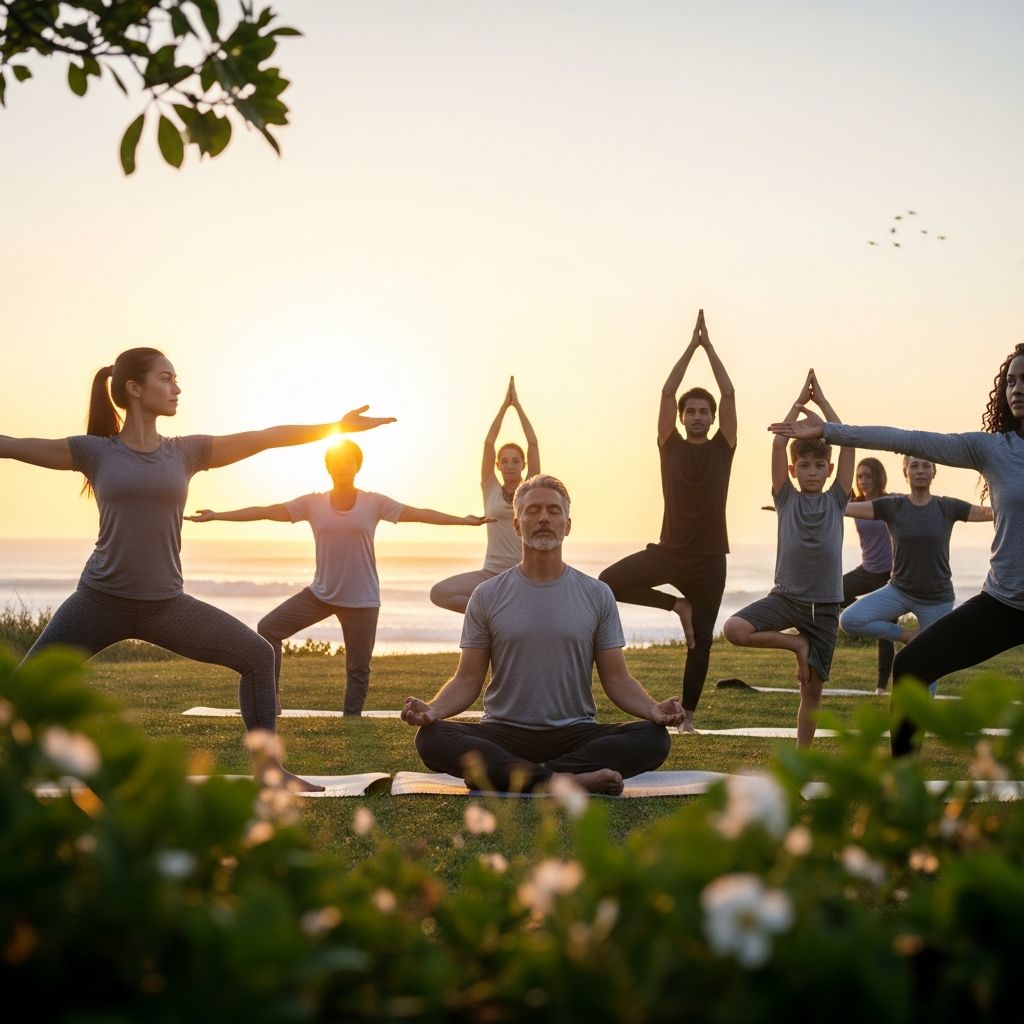
Yoga transcends physical exercise, serving as a powerful tool for cultivating essential life skills that enhance daily functioning and long-term well-being. Regular practice fosters mental clarity, emotional stability, and physical resilience, enabling individuals to navigate life’s challenges with greater ease.
Building Concentration Through Breath and Presence
One of yoga’s primary gifts is the ability to sharpen focus, a skill vital for productivity and decision-making in a distraction-filled world. During sessions, practitioners anchor their attention to breath rhythms and body sensations, training the mind to resist wandering thoughts. This deliberate centering mirrors real-world demands, such as tackling complex tasks or engaging in deep conversations.
Over time, this practice strengthens neural pathways associated with sustained attention. Studies indicate that yoga interventions improve cognitive functions like concentration, particularly in students facing academic pressures. For instance, an 8-week program in Norwegian schools enhanced relaxation and focus among youth, leading to better academic outcomes.
- Breath anchoring: Use pranayama techniques to return focus during mental drift.
- Single-point meditation: Concentrate on a flame or mantra to build mental endurance.
- Sequential posing: Flow through asanas while maintaining awareness of alignment.
Incorporating these into daily routines, such as focused breathing before meetings, translates yoga’s concentration benefits to professional and personal spheres.
Cultivating Patience in a Fast-Paced World
Patience, often eroded by instant gratification culture, flourishes through yoga’s emphasis on process over outcome. Holding challenging poses like warrior or tree requires enduring discomfort without rushing, teaching tolerance for gradual progress. This mindset shift applies to relationships, career goals, and personal development, where immediate results are rare.
Yoga encourages a growth-oriented perspective, where each session builds incremental mastery. Practitioners learn to appreciate micro-improvements, fostering persistence. Research supports this, showing yoga promotes self-regulation and determination, key to building confidence.
| Impatience Trigger | Yoga Counter-Practice | Life Application |
|---|---|---|
| Waiting in traffic | Ujjayi breathing | Calm response to delays |
| Learning new skills | Progressive pose holds | Sustained effort in hobbies |
| Relationship conflicts | Mindful listening poses | Patient communication |
By reframing challenges as opportunities, yoga equips individuals with patience as a sustainable virtue.
Mastering Impulse Control for Intentional Living
Impulse control prevents regrettable actions, from emotional outbursts to unhealthy habits. Yoga heightens body-mind awareness, revealing automatic patterns like tension responses to stress. Through mindful observation, practitioners interrupt these cycles, choosing deliberate responses instead.
Advanced practices, such as balancing sequences, demand precise control, mirroring life’s high-stakes moments. This builds ‘god-like’ restraint, as described in wellness literature, allowing adaptation of ingrained behaviors. Peer-reviewed studies confirm yoga’s role in enhancing self-control via asanas and meditation.
- Identify triggers during savasana reflection.
- Practice delayed gratification in pose transitions.
- Integrate into habits like mindful eating.
This skill empowers better choices, reducing impulsivity’s chaos.
Enhancing Mental Adaptability and Openness
Mental flexibility—adapting to change and integrating new ideas—is crucial for innovation and resilience. Yoga’s dynamic flows expose practitioners to constant feedback from body, instructor, and environment, training rapid adjustments. This cultivates openness, easing the release of rigid thoughts or grudges.
Unlike static routines, yoga’s variety hones cognitive agility. Evidence from osteopathic research highlights yoga’s effectiveness in positive outlook and coping skills development. It supports brain health, thickening cortex areas linked to adaptability.
Daily application includes pivoting during unexpected events, like work shifts, with grace. Over months, this yields smarter strategies and emotional lightness.
Effective Strategies for Stress Mastery
Stress management is yoga’s hallmark, countering modern overloads. Poses induce parasympathetic activation, lowering cortisol, while heat-enhanced sessions (like Bikram) amplify detoxification and calm. Facing pose difficulties builds tolerance, proving stressors surmountable.
Research abundantly validates this: yoga reduces anxiety, improves sleep, and bolsters resilience, especially in older adults and crisis times. AARP notes seven mental health boosts, including emotional regulation.
| Stress Type | Yoga Tool | Outcome |
|---|---|---|
| Work deadline | Child’s pose + breathwork | Centered productivity |
| Relationship tension | Partner yoga flows | Empathetic connection |
| Health anxiety | Restorative inversions | Grounded perspective |
These tools create a stress-resilient foundation.
Physical Foundations Supporting Life Skills
Yoga’s life skills rest on physical gains: enhanced lung capacity via pranayama combats age-related decline; balanced glucose aids metabolic health, especially for diabetes management; functional strength and balance reduce injury risks. These enable sustained practice, amplifying mental benefits.
Healthline’s science-based review lists flexibility, stress relief, and depression management as core outcomes.
Integrating Yoga Skills into Everyday Routines
To maximize gains, weave yoga principles throughout life. Start mornings with sun salutations for focus; use desk stretches for patience during slumps. Evening wind-downs build impulse control against screen temptations.
For families, group sessions foster shared resilience. In recovery contexts, yoga aids sobriety via discipline. Mindful eating and walking extend benefits holistically.
FAQs
How quickly do yoga life skills develop?
Noticeable changes emerge in 4-8 weeks with 3 weekly sessions, accelerating with consistency.
Is yoga suitable for beginners building these skills?
Yes, modified classes ensure accessibility, focusing on breath over perfection.
Can yoga alone manage severe stress or mental health issues?
It complements therapy; consult professionals for clinical needs.
What if I lack flexibility for advanced poses?
Skills emphasize mind-body connection, not perfection—props assist all levels.
How does hot yoga differ in skill-building?
Intensified heat boosts detoxification and focus endurance.
Conclusion
Yoga forges indispensable life skills, transforming challenges into growth. Commit to regular practice for profound, enduring change.
References
- 5 Important Life Skills You Can Develop With Yoga — SkillsYouNeed. 2023. https://www.skillsyouneed.com/rhubarb/yoga-life-skills.html
- Yoga Benefits: Complete Physical, Mental & Spiritual Wellness Guide — Breathe Easy Therapy. 2024. https://breatheeasytherapy.com/yoga-benefits-complete-physical-mental-wellness-guide/
- How Yoga and Meditation Help With the Pursuit of Supporting Healthy Life Skills — Malibu Wellness Ranch. 2023. https://malibuwellnessranch.com/how-yoga-and-meditation-help-with-the-pursuit-of-supporting-healthy-life-skills/
- 7 Ways Yoga Can Boost Your Mental Health and Resilience — AARP Pennsylvania. 2024-01-15. https://states.aarp.org/pennsylvania/7-ways-yoga-can-boost-your-mental-health-and-resilience
- 12 Science-Based Benefits of Yoga — Healthline. 2025-06-20. https://www.healthline.com/nutrition/13-benefits-of-yoga
- Benefits of Yoga — American Osteopathic Association. 2023. https://osteopathic.org/what-is-osteopathic-medicine/benefits-of-yoga/
- Effects of Yoga on Mental and Physical Health: A Short Summary of Reviews — PMC (PubMed Central). 2012-11-28. https://pmc.ncbi.nlm.nih.gov/articles/PMC3447533/

- Integrated M.A. in Applied Linguistics, University of Hyderabad
- 5+ years in editorial, instructional, SEO, and research-based writing
Sneha is a relationships and lifestyle writer with a strong foundation in applied linguistics and certified training in relationship coaching. She brings over five years of writing experience to theskillvault, crafting thoughtful, research-driven content that empowers readers to build healthier relationships, boost emotional well-being, and embrace holistic living. Her writing and insights reflect the belief that beauty, happiness, and wellness…