
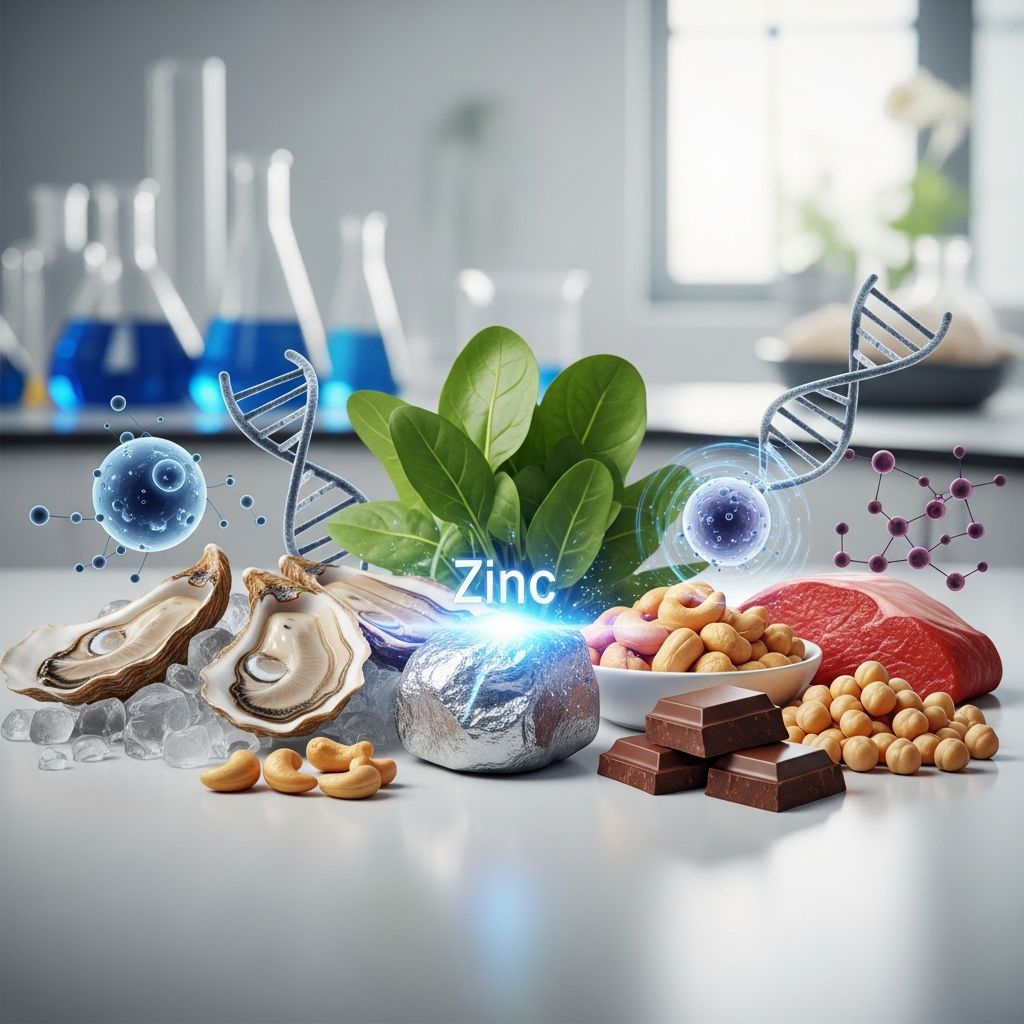
Understanding Zinc: A Vital Trace Mineral for Human Health
Zinc is a trace mineral that plays an indispensable role in maintaining optimal bodily functions. Unlike macronutrients such as carbohydrates, proteins, and fats, your body requires only small quantities of zinc to thrive, yet its importance cannot be overstated. This essential nutrient is present throughout your cells and tissues, working silently behind the scenes to support countless biological processes. The defining characteristic of zinc as an essential nutrient is that your body cannot synthesize it independently, nor does it possess storage mechanisms for excess amounts. This means consistent dietary intake remains crucial for maintaining adequate levels.
The significance of zinc extends far beyond simple mineral supplementation; it represents a foundational component of human health across all life stages. From infancy through old age, zinc availability influences growth patterns, immune resilience, and metabolic efficiency. Understanding this mineral’s multifaceted roles provides insight into why nutritional adequacy matters so profoundly for personal wellness and disease prevention.
The Enzymatic Foundation: How Zinc Powers Cellular Operations
At the molecular level, zinc serves as a critical cofactor for enzymatic function. The body requires zinc for the catalytic activity of hundreds of enzymes that regulate diverse metabolic pathways. These enzyme systems coordinate functions spanning digestion, immunity, cellular regeneration, and genetic material synthesis. Without sufficient zinc availability, these enzymatic systems operate inefficiently, leading to cascading physiological consequences.
This enzymatic role extends to protein synthesis and DNA production, processes fundamental to all cellular maintenance and growth. When zinc availability diminishes, cells struggle to generate new proteins and replicate genetic material accurately, compromising tissue repair and cellular division. This explains why zinc deficiency manifests across multiple body systems simultaneously rather than affecting isolated functions.
Strengthening Your Body’s Defense Mechanisms
The immune-boosting properties of zinc represent one of its most researched and clinically significant functions. Zinc is essential for proper immune cell function and cell signaling, making deficiency a direct pathway to weakened immune responses. The mineral facilitates T-cell development and natural killer cell activity, both critical components of your body’s infection-fighting arsenal. T-cells specifically recognize and eliminate pathogenic organisms, while natural killer cells provide broader protection against various threats.
Research demonstrates measurable impacts of zinc on infection duration and severity. A review analyzing seven separate studies found that consuming 80 692 milligrams daily of zinc may reduce common cold duration by up to 33 percent. For older adults, the benefits appear even more pronounced. One study determined that 45 milligrams of elemental zinc daily decreased infection incidence in senior populations by nearly 66 percent. Additionally, older individuals receiving zinc supplementation showed improved responses to influenza vaccinations and boosted mental performance metrics.
Children represent another population significantly benefiting from adequate zinc status. Insufficient zinc during childhood correlates with greater susceptibility to pneumonia, more severe disease manifestations, and heightened mortality risk. Clinical trials have validated that children receiving 10 to 20 milligrams of zinc supplementation for extended periods experienced reduced pneumonia incidence compared to control groups.
Accelerating Healing and Tissue Regeneration
Wound healing represents a complex physiological process requiring coordinated cellular activity, and zinc plays a coordinating role throughout. The mineral supports the inflammatory phase, proliferative phase, and remodeling phase of healing. Individuals with wounds such as skin ulcers who simultaneously maintain low zinc levels may significantly benefit from oral supplementation.
The healing process depends on adequate zinc for multiple reasons. New tissue formation requires protein synthesis, which relies on zinc-dependent enzymes. Additionally, zinc reduces oxidative stress during healing, protecting newly formed tissues from damage. This combination of protein synthesis support and antioxidant activity accelerates the restoration of tissue integrity.
Protecting Vision and Preventing Age-Related Decline
Your retinas—the light-sensitive tissue within your eyes—concentrate zinc in notably higher levels than other body tissues. This high concentration reflects zinc’s protective function against age-related macular degeneration (AMD), a leading cause of vision loss in older adults. Studies demonstrate that 80 milligrams of zinc supplementation combined with other eye-health vitamins reduces advanced AMD risk and vision loss by 25 percent.
The protective mechanism involves zinc’s antioxidant capacity. Free radicals continuously damage retinal cells through oxidative stress, gradually degrading vision. Zinc helps prevent this cellular damage by neutralizing these harmful molecules. Furthermore, epidemiological research shows that individuals maintaining the highest dietary zinc intakes experience 44 percent lower risk of any AMD and 46 percent lower risk of early-stage AMD compared to those with minimal intake.
Metabolic Support and Blood Sugar Regulation
Emerging research reveals zinc’s involvement in glucose metabolism and insulin production. The body requires zinc for insulin synthesis and storage, connecting this mineral directly to blood sugar regulation. Notably, individuals with Type 2 diabetes often present with lower zinc levels, and experts hypothesize that inadequate zinc may accelerate disease progression.
Multiple studies suggest zinc supplementation may lower blood sugar and cholesterol levels in diabetic populations. A 2021 comprehensive review indicated that zinc may also improve blood sugar control in gestational diabetes, the temporary diabetes occurring during pregnancy. These metabolic benefits extend beyond glucose management; zinc supports thyroid function and overall metabolic efficiency.
Reducing Inflammation and Supporting Long-Term Health
Chronic inflammation represents an underlying factor in numerous age-related diseases including cardiovascular disease, cancer, and cognitive decline. Zinc functions as an antioxidant that decreases oxidative stress and reduces inflammatory protein levels throughout your body. By interrupting the oxidative stress-inflammation cycle, zinc helps prevent chronic disease development.
Clinical evidence supports this anti-inflammatory function. Older adults taking 45 milligrams of zinc daily experienced significantly greater reductions in inflammatory markers compared to placebo groups. These reductions translate into meaningful long-term health protection, as chronic inflammation accumulation represents a primary pathway to age-related disease.
Supporting Sensory Function and Nutritional Absorption
Beyond its metabolic roles, zinc directly supports your ability to taste and smell. These sensory functions depend on zinc-containing enzymes that process taste and olfactory signals. Loss of taste and smell sensation often signals zinc deficiency, as these sensations diminish when the mineral becomes unavailable. This sensory function carries practical importance for appetite regulation and nutrition maintenance, particularly in older populations.
Additionally, zinc participates in digestive enzyme systems that extract nutrients from food. When zinc availability decreases, digestive efficiency declines, potentially contributing to secondary nutritional deficiencies beyond zinc itself.
Reproductive and Developmental Requirements
The body requires zinc for developing and maintaining the reproductive system and producing sperm. Pregnancy and breastfeeding substantially increase zinc demands, as the mineral supports fetal development and transfers into breast milk for infant nutrition. Children and adolescents require adequate zinc for proper growth patterns, while deficiency during growth periods results in growth failure and developmental delays.
This developmental importance extends throughout pregnancy, making zinc availability crucial for fetal organ system formation. Insufficient maternal zinc compromises fetal development across multiple systems including epidermal, gastrointestinal, nervous, immune, skeletal, and reproductive tissues.
Addressing Gastrointestinal Health
Research validates zinc supplementation benefits for diarrheal illnesses, particularly in malnourished children where zinc deficiency frequently occurs. The World Health Organization recommends short-term zinc supplementation for treating acute childhood diarrhea, acknowledging its role in restoring gastrointestinal integrity. Zinc supports the intestinal barrier function and reduces inflammation within the digestive tract, contributing to symptom resolution.
Daily Requirements and Individual Variations
Recommended daily zinc intake varies by age, sex, and life circumstances. Most people can obtain adequate zinc through a balanced diet incorporating diverse foods. However, vegetarians and vegans face increased difficulty meeting zinc needs through food sources alone, as plant-based zinc exhibits lower bioavailability than animal-source zinc. Chronic health conditions may also elevate zinc requirements beyond standard recommendations.
Common Zinc Food Sources
- Red meat and poultry
- Shellfish and fish
- Legumes including beans and lentils
- Nuts and seeds
- Whole grains
- Dairy products
- Eggs
Potential Side Effects and Supplementation Cautions
While zinc represents an essential nutrient, excessive supplementation can produce adverse effects. Consuming zinc levels significantly above recommended amounts may cause nausea, vomiting, and other gastrointestinal disturbances. Prolonged excess zinc intake can interfere with copper absorption, leading to secondary copper deficiency with its own health consequences. Medical professionals recommend consulting healthcare providers before initiating zinc supplementation to ensure appropriateness and proper dosing for individual circumstances.
Zinc Status and Skin Health
Topical and oral zinc treatments demonstrate effectiveness in reducing inflammation and treating various skin conditions. Individuals with acne, rosacea, psoriasis, and eczema often experience symptom improvement with zinc supplementation or topical application. The mineral’s anti-inflammatory properties directly address the inflammatory processes underlying these dermatological conditions. Additionally, zinc supports skin barrier function and wound healing, promoting recovery from various skin injuries.
Frequently Asked Questions About Zinc
Q: What happens when zinc deficiency develops?
A: Zinc deficiency impairs immune function, slows wound healing, compromises growth in children, reduces taste and smell sensation, and increases susceptibility to infections and age-related diseases. Severe deficiency can affect multiple body systems simultaneously.
Q: Can I obtain sufficient zinc exclusively from diet?
A: Most people can meet zinc requirements through balanced diet including meat, shellfish, legumes, and whole grains. However, vegetarians, vegans, and those with certain chronic conditions may struggle to achieve adequate levels through food alone.
Q: How much zinc should I take as a supplement?
A: Supplement dosing varies based on individual factors including age, sex, dietary intake, and health status. Consult healthcare providers before starting supplementation to determine appropriate dosing and ensure safety.
Q: Does zinc prevent or treat colds?
A: Research indicates that 80 692 milligrams of zinc daily may reduce cold duration by up to 33 percent. Results on prevention remain less conclusive, but adequate zinc status supports overall immune function.
Q: Who faces greatest risk of zinc deficiency?
A: Vegetarians, vegans, individuals with gastrointestinal disorders affecting nutrient absorption, elderly populations, and those with chronic illnesses face elevated deficiency risk. Pregnant and breastfeeding women require higher intakes as well.
Q: Can zinc improve fertility and reproduction?
A: Yes, zinc supports sperm production and reproductive system development, and inadequate levels may compromise fertility. The mineral remains essential throughout pregnancy and lactation for fetal development and breast milk composition.
References
- Zinc – Health Professional Fact Sheet — National Institutes of Health, Office of Dietary Supplements. 2024-03-14. https://ods.od.nih.gov/factsheets/Zinc-HealthProfessional/
- Zinc: Benefits, Deficiency, Food Sources and Side Effects — Healthline. 2024-02-10. https://www.healthline.com/nutrition/zinc
- Zinc: What it does for the body, and the best food sources — Harvard Health Publishing. 2023-11-15. https://www.health.harvard.edu/diet-and-nutrition/zinc-what-it-does-for-the-body-and-the-best-food-sources
- How Zinc Benefits Your Body — and How Much You Need Each Day — Cleveland Clinic. 2024-01-20. https://health.clevelandclinic.org/zinc
- Zinc Benefits – WebMD — WebMD. 2023-09-08. https://www.webmd.com/vitamins-and-supplements/what-to-know-about-benefits-of-zinc
- Zinc: Benefits, Levels, and Sources — Ada Health. 2024-02-01. https://ada.com/micronutrients/zinc/
- Zinc — Mayo Clinic. 2024-01-15. https://www.mayoclinic.org/drugs-supplements-zinc/art-20366112

Medha Deb is an editor with a master's degree in Applied Linguistics from the University of Hyderabad. She believes that her qualification has helped her develop a deep understanding of language and its application in various contexts. Medha specializes in the areas of beauty, health, sports, and wellness and is committed to ensuring that the content on the website is…