
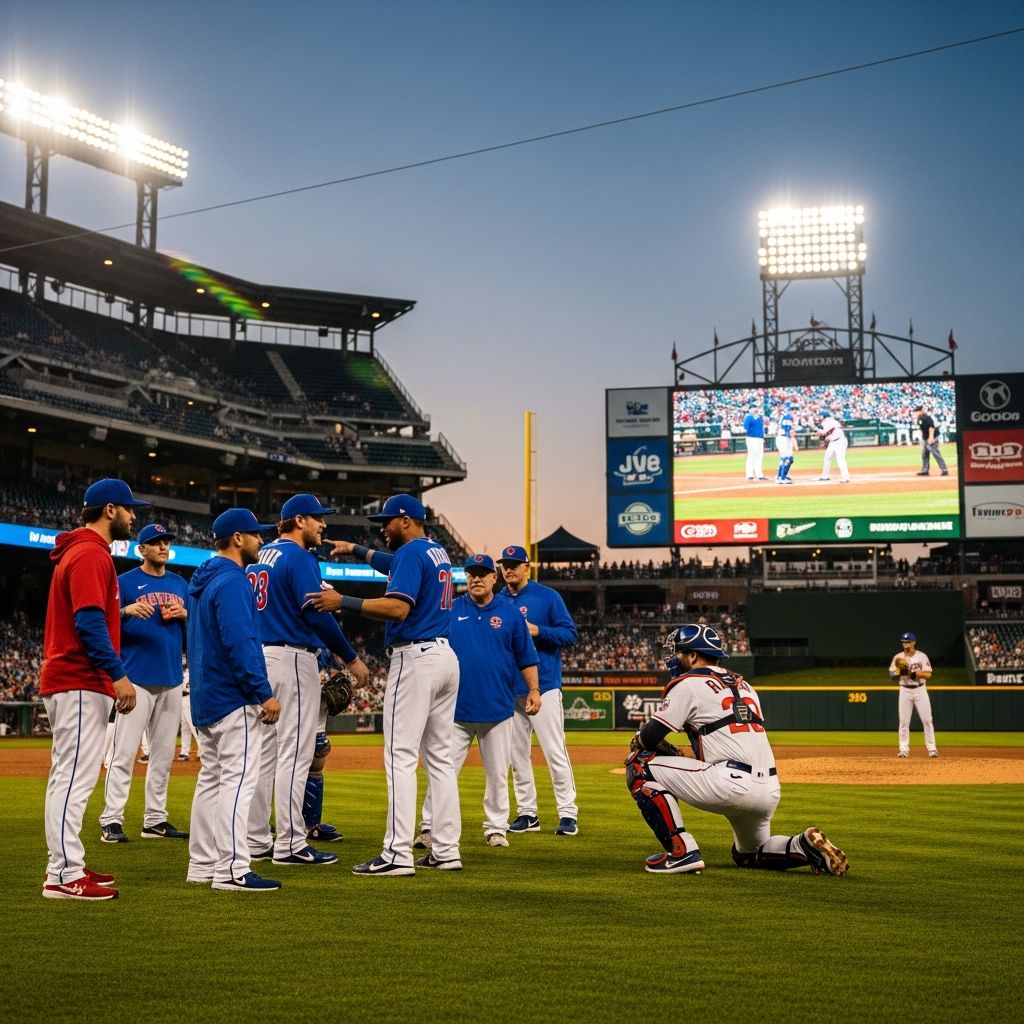
Major League Baseball (MLB) is best known for dramatic home runs, iconic stadiums, and historic franchises. Yet behind every game sits a complex business organization that designs schedules, negotiates media deals, runs global marketing campaigns, manages technology platforms, and supports communities across North America. Working for MLB means joining this off-the-field engine that powers the sport at the highest level.
This guide offers an in-depth look at what it is like to build a career with MLB as an employer: how the league is structured, what types of roles exist, what kind of culture you can expect, and how you can prepare yourself to join the organization. It is inspired by public information about MLB as a company, but all explanations, framing, and structure are original.
MLB at a Glance as an Employer
Before exploring specific career paths, it helps to understand how MLB is organized and what makes it unique compared with other workplaces.
- Historic legacy: MLB is widely recognized as the oldest major professional sports league in the United States and Canada, with roots in the 19th century and a formal merger of the National and American Leagues into one organization in 1903.
- Single league office plus 30 clubs: Today MLB consists of 30 member clubs in the U.S. and Canada, along with a central league office that coordinates operations, competition rules, media, and league-wide initiatives.
- Global reach: While grounded in North America, MLB manages international media rights, oversees events around the world, and cultivates talent and fandom across multiple continents.
- Hybrid identity: MLB is both a sports organization and a sophisticated entertainment and media company, with deep investments in broadcasting, technology, and data.
For job seekers, this means that working for MLB can feel very different depending on whether you join a club, the league office, or a specialized subsidiary (such as media or technology units). Many career paths resemble roles at any large company—finance, HR, marketing—while others are specific to sports operations and fan engagement.
How the League Office Fits with the 30 Clubs
One important distinction is between jobs with the league itself and jobs with individual teams. Both are part of the MLB ecosystem but operate with different priorities and work environments.
| Employer | Primary Focus | Typical Functions | Work Experience |
|---|---|---|---|
| MLB League Office | League-wide strategy, rules, media, and operations | Media rights, scheduling, technology, marketing, legal, finance, international operations | Corporate environment, cross-club coordination, policy and long-term planning |
| Individual MLB Club | Team performance, local business, and fan experience | Ticketing, ballpark operations, local sponsorships, community events, baseball operations | Event-driven, game-day operations, local market emphasis, closer to the on-field product |
Many professionals move between club and league office roles over the course of their careers, building a broad view of both local and league-wide operations.
Core Business Areas Where MLB Hires
MLB careers span a wide range of disciplines. Below are major functional areas where the league typically employs professionals, each supporting the sport in different ways.
1. Media, Broadcasting, and Content
Media rights and content are central to MLB’s business model, enabling fans to follow games on television, radio, and digital platforms worldwide. Working in this space may involve:
- Negotiating national and international broadcast agreements
- Managing relationships with networks and streaming partners
- Producing live game coverage, studio shows, and original features
- Overseeing digital content for websites, apps, and social media
- Analyzing audience data to refine programming and distribution strategies
People drawn to storytelling, production, and media strategy often find a natural fit here.
2. Technology, Data, and Digital Products
Professional sports increasingly rely on sophisticated technology—from high-resolution video systems to real-time performance data and sophisticated fan apps. MLB has been a prominent adopter of tracking technology and digital platforms to enhance both competitive analysis and the fan experience.
Careers in this area might include:
- Software engineering for consumer-facing apps and internal systems
- Cloud infrastructure, security, and systems architecture
- Data engineering, analytics, and visualization
- Product management for digital subscriptions and streaming services
- UX and UI design to improve fan engagement
These roles often resemble jobs in the broader tech industry, but with a focus on baseball-specific challenges such as live video delivery and high-volume game data.
3. Business Operations and Finance
Like other major enterprises, MLB relies on robust business operations to function effectively across multiple countries and revenue streams.
- Finance: Budgeting, financial planning, revenue forecasting, and risk management
- Strategy: Long-term growth planning, new business evaluation, and competitive analysis in the sports and entertainment landscape
- Human Resources: Talent acquisition, employee development, and workplace policies that support a modern workforce
- Facilities and logistics: Coordinating events, meetings, and league-wide programs
Professionals here need strong quantitative skills and the ability to collaborate across departments, often balancing tradition with innovation.
4. Marketing, Brand Partnerships, and Licensing
MLB’s brand is one of its most valuable assets. Marketing teams work to grow the sport’s audience, shape league identity, and partner with sponsors who want access to baseball’s global fan base.
- Developing league-wide campaigns to promote key events like Opening Day and the World Series
- Working with sponsors to create branded activations, in-stadium experiences, and digital integrations
- Managing licensing agreements for apparel, merchandise, and video games
- Conducting market research on fan behavior, demographics, and emerging trends
These roles often combine creativity with data-driven decision making, aimed at maximizing fan engagement and commercial value.
5. Baseball Operations and On-Field Support
While clubs handle day-to-day roster decisions, the league office oversees the rules of the game, scheduling, and competitive integrity.
- Creating and updating official rules and on-field policies
- Coordinating the regular-season and postseason schedules
- Supporting umpiring programs, discipline, and replay review systems
- Managing draft processes and player-related regulations, in cooperation with the players’ association
Roles in this area blend legal, analytical, and game-knowledge skills, and often require deep familiarity with baseball’s competitive structure.
6. Community Impact and Social Responsibility
Across its history, MLB has intersected with broader social and historical moments, from integration milestones to community responses after national tragedies. Community and social impact roles focus on:
- Youth baseball and softball programs that expand access to the sport
- Education, health, and inclusion initiatives in partnership with local organizations
- League-wide campaigns supporting charitable causes and disaster relief
- Commemorative events that connect baseball history with civic life
Professionals in these roles typically come from nonprofit, public policy, or community organizing backgrounds and are motivated by mission-driven work.
What It Feels Like to Work for MLB
Every office, department, and manager shapes the day-to-day experience, but several themes tend to characterize careers at MLB.
Mission-Driven Around the Game
Employees often describe a sense of shared purpose: supporting a sport that has shaped North American culture for generations. Whether you are coding a streaming feature or drafting a partnership contract, your work connects to a visible product—live games, memorable moments, and fan experiences.
- A strong connection to baseball history and tradition
- Regular interaction with the game, either directly or through internal communications
- Visibility into large-scale events like the All-Star Game and World Series
Pace, Hours, and Seasonality
MLB operates year-round, but the rhythm of work often follows the baseball calendar.
- In-season: Game nights, travel, and event deadlines can mean longer or irregular hours in certain roles, especially in media, game operations, and fan engagement.
- Off-season: More focus on planning, strategy, technology rollouts, and major transactions such as schedule releases and rule changes.
- Events: Special occasions like the postseason or international series can require intense, short-term efforts across multiple departments.
Hybrid of Corporate and Creative
At the league level, MLB feels similar to other large organizations: there are structured departments, formal processes, and clear reporting lines. At the same time, it is an entertainment business that thrives on creativity and experimentation.
- Cross-functional project teams that bring together tech, marketing, and operations
- Opportunities to pilot new digital products, fan experiences, or international events
- Need for both analytical rigor and storytelling skills
Values, Inclusion, and Long-Term Reputation
MLB’s legacy includes both proud moments and periods of change, such as racial integration and the evolution of labor relations. Modern employees often ask how organizations live their values—through hiring practices, internal culture, and community commitments.
While specific policies evolve, candidates can expect topics such as diversity, equity, inclusion, and ethical conduct to feature prominently in interviews and internal communications, particularly in community and HR-related roles.
Career Paths and Entry Points into MLB
Breaking into MLB can be competitive, but there are multiple paths depending on your background and career stage.
Early-Career Opportunities
- Internships: Many sports organizations offer internship programs in areas like marketing, data, operations, and media. These roles provide exposure to the pace and expectations of professional sports business.
- Rotational or trainee programs: Some large organizations design multi-department rotations to give new graduates a broad understanding of the business before settling into a permanent role.
- Entry-level analyst roles: Data, finance, and business operations teams sometimes hire analysts to work on reporting, research, and project support.
For students and recent graduates, relevant coursework in business, data science, media, or computer science can be complemented with hands-on experience from college athletics departments, campus media, or local sports organizations.
Mid-Career Transitions
If you are already working in another industry, you may be able to pivot into MLB by aligning your experience to one of the league’s functional needs.
- Media professionals moving from news or entertainment into sports broadcasting and production
- Software engineers and product managers from tech companies joining digital or data teams
- Consultants and corporate strategists taking on business development or planning roles
- Legal and compliance experts supporting contracts, governance, and regulatory matters
Translating your existing skills into sports-specific impact—such as fan growth, operational efficiency, or improved digital products—can strengthen your candidacy.
Specialized Paths: Data and Analytics
Baseball has a long history of statistical analysis, and in recent decades, analytics has become central to both team and league-level decisions. While clubs focus on player evaluation and strategy, the league also uses data to:
- Optimize schedules and travel
- Monitor competitive balance
- Study the impact of rule changes
- Measure fan engagement across platforms
Professionals with backgrounds in statistics, machine learning, or data engineering can build impactful careers by converting raw data into actionable insights for multiple stakeholders.
Preparing to Apply: Skills and Mindsets MLB Values
Every role has its own technical requirements, but several qualities tend to be widely valued across MLB.
Relevant Skills
- Technical expertise: Whether you work in accounting, law, software development, or video production, you need strong foundational skills in your discipline.
- Data literacy: Comfort interpreting metrics, dashboards, and reports is increasingly important, even outside dedicated analytics roles.
- Communication: Clarity in writing and speaking is essential in a matrixed environment where decisions affect multiple clubs, partners, and departments.
- Project management: Ability to coordinate complex initiatives with deadlines tied to public events and broadcast schedules.
Mindsets That Help You Succeed
- Adaptability: Sports seasons, competitive formats, and technologies evolve; successful employees adjust quickly.
- Team orientation: Collaboration is crucial, since no single department can launch a new event or product alone.
- Respect for the game: You do not need to have played baseball, but understanding its rules, traditions, and emotional significance helps align your work with fans’ expectations.
- Ethical judgment: MLB is highly visible, and decisions can impact public trust. Integrity is central when handling data, finances, and public communications.
Practical Tips for Standing Out as a Candidate
If you are aiming for a role at MLB or a similar sports organization, consider the following strategies:
- Show domain interest: On your resume and in interviews, connect your experience to sports, entertainment, or live events, even if your current industry is different.
- Build a portfolio: For media, tech, and analytics roles, concrete work samples (dashboards, code repositories, campaigns, or video reels) can be more persuasive than generic descriptions.
- Network thoughtfully: Attend sports-industry conferences, virtual talks, or alumni events. Prepare thoughtful questions about specific MLB initiatives rather than generic interest in “sports.”
- Understand the calendar: Hiring cycles may cluster around off-season planning periods, though opportunities can arise year-round.
- Customize each application: Tie your skills and achievements to the responsibilities listed in the specific MLB job posting.
Frequently Asked Questions About MLB Careers
Q: Do I need to be a baseball expert to work for MLB?
A: Deep technical or business skills often matter more than advanced baseball knowledge for many roles. However, understanding basic rules, the league structure, and the significance of major events like the World Series helps you communicate effectively with colleagues and partners.
Q: Are jobs with the league office harder to get than jobs with individual teams?
A: Both can be competitive, but they often attract different candidate pools. League office roles may emphasize media, technology, policy, or league-wide strategy, while club roles focus more on local business operations and game-day execution. Many people build experience with teams, regional sports networks, or related organizations before moving into league-level positions.
Q: What educational background is helpful for MLB roles?
A: Business, communications, data science, computer science, and law are common academic pathways for league office work. Sports management programs can be valuable, but they are not strictly required. Demonstrable competence and relevant experience often carry more weight than specific majors.
Q: How important is prior sports-industry experience?
A: Prior sports experience can help, especially for baseball operations or game presentation roles, but it is not mandatory. Many MLB employees come from technology, consulting, media, or nonprofit backgrounds and then learn the specifics of baseball business on the job.
Q: Does MLB offer opportunities outside the United States?
A: MLB is a North American league with 30 clubs in the United States and Canada, but it also runs international initiatives and events, such as games played abroad and global development programs. Some roles involve international travel, global media strategy, or partnerships in other countries.
References
- Major League Baseball — Wikipedia / cited sources as summarized. 2024-06-01. https://en.wikipedia.org/wiki/Major_League_Baseball
- Timeline of Major League Baseball — Wikipedia / cited sources as summarized. 2023-08-01. https://en.wikipedia.org/wiki/Timeline_of_Major_League_Baseball
- Major League Baseball (MLB) — Encyclopaedia Britannica. 2023-10-18. https://www.britannica.com/topic/Major-League-Baseball
- About MLB — Major League Baseball (Official site). 2024-03-15. https://www.mlb.com/official-information/about-mlb
- Baseball History, American History and You — National Baseball Hall of Fame and Museum. 2016-09-11. https://baseballhall.org/baseball-history-american-history-and-you

- Integrated M.A. in Applied Linguistics, University of Hyderabad
- 5+ years in editorial, instructional, SEO, and research-based writing
Sneha is a relationships and lifestyle writer with a strong foundation in applied linguistics and certified training in relationship coaching. She brings over five years of writing experience to theskillvault, crafting thoughtful, research-driven content that empowers readers to build healthier relationships, boost emotional well-being, and embrace holistic living. Her writing and insights reflect the belief that beauty, happiness, and wellness…