
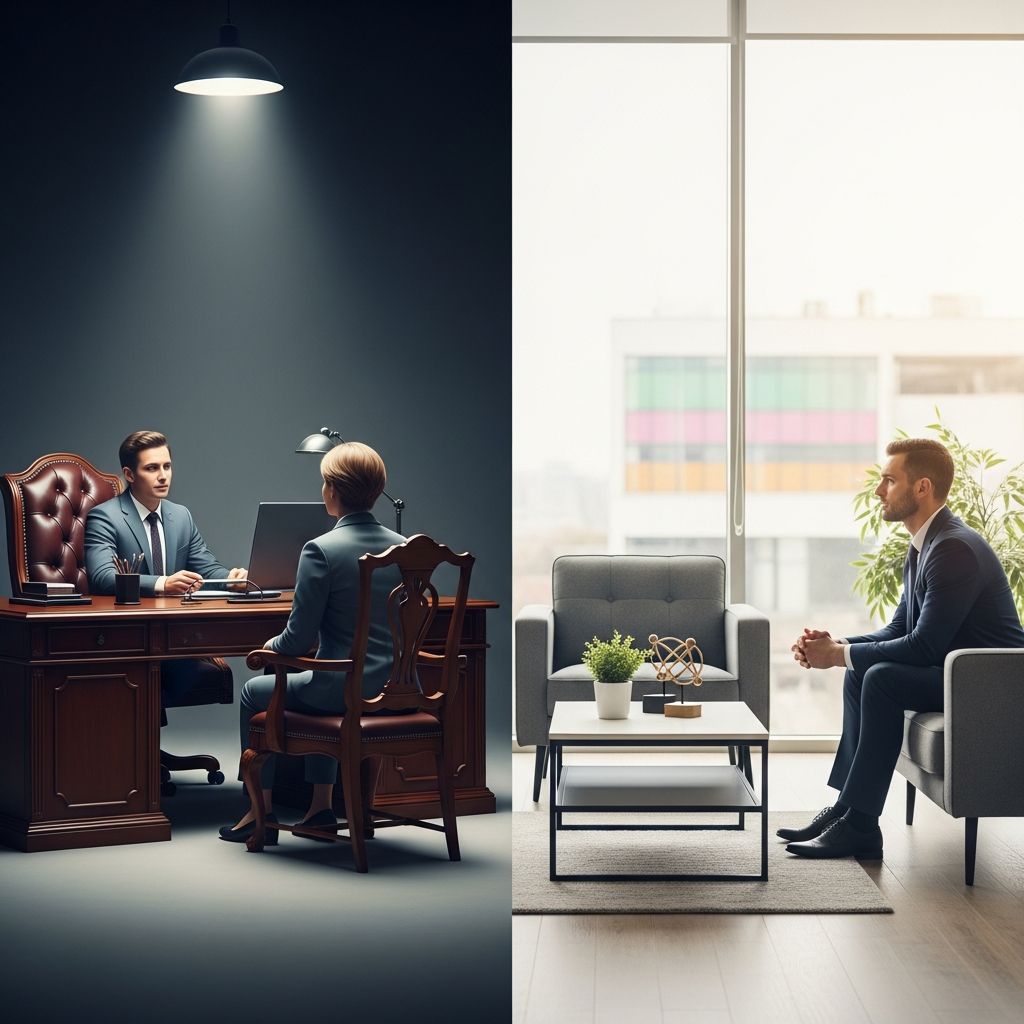
Understanding the Silent Messages Behind Interview Seating
When you walk into a job interview, your attention naturally focuses on the interviewer’s questions, your responses, and making a positive impression. However, seasoned professionals understand that subtle environmental cues—including the type of chair you’re offered and how the seating is arranged—communicate important information about the organization’s values, work environment, and culture. The furniture selection in an interview room is rarely accidental; it reflects deliberate choices about how the company views candidate interactions and workplace dynamics.
Research into office body language demonstrates that seating arrangements significantly influence perceived power dynamics and comfort levels. The chair you’re invited to occupy can reveal whether an organization prioritizes egalitarianism or hierarchy, maintains formal protocols, or embraces casual workplace norms. By understanding these subtle cues, candidates can better assess cultural fit and prepare mentally for various interview scenarios.
The Standard Swivel Chair: Versatility and Professional Neutrality
The most commonly encountered interview seating is the ubiquitous swivel chair—the reliable, multipurpose office staple found in countless corporate environments. These chairs represent professional neutrality and moderate comfort, equipped with basic adjustability features that accommodate different body types and preferences. When you encounter a standard swivel chair in an interview setting, it typically signals a company that values conventional professionalism without excessive formality.
Swivel chairs offer both interviewer and candidate freedom of movement, which research indicates conveys authority and adaptability. Unlike fixed seating, swivel chairs allow natural repositioning during conversation, reducing physical tension and enabling more relaxed body language. However, if the chair malfunctions—hydraulics fail, wheels stick, or the seat tilts unevenly—it can create unnecessary distraction and discomfort during critical moments. The key is maintaining composure and focus on your qualifications rather than allowing furniture defects to derail your performance.
Ergonomic and Accessibility-Focused Seating Arrangements
Progressive organizations increasingly recognize the importance of accommodating diverse physical needs during interviews. Adjustable-height chairs and seating designed for candidates with mobility considerations signal a company’s commitment to inclusive hiring practices. These organizations understand that creating a welcoming environment for all candidates—regardless of physical ability—reflects their broader values regarding diversity and workplace accommodation.
When you encounter specialized ergonomic seating, interpret it as a positive indicator. The company has invested in creating barrier-free interview experiences, suggesting they prioritize employee wellbeing and accessibility in their day-to-day operations as well. Such attention to detail demonstrates forward-thinking human resources practices and a culture that values practical inclusion rather than tokenistic diversity statements.
Casual Seating: Reading Between the Lines of Informality
Some companies, particularly those with laid-back cultures or outdoor-focused operations, may offer unconventional seating—including Adirondack chairs, oversized beanbag chairs, or other casual furnishings. This seating choice communicates a deliberately relaxed approach to workplace formality and suggests the organization values comfort and approachability over rigid protocol.
If confronted with unexpected casual seating like a beanbag chair, view it as a test of adaptability rather than a genuine concern. Your ability to remain composed, maintain professionalism, and demonstrate flexibility in unfamiliar circumstances is precisely what employers seek. These scenarios reveal whether you can adjust to unconventional environments and maintain your composure when things don’t proceed exactly as anticipated. Rather than becoming flustered, use the moment to demonstrate your resilience and sense of humor.
Seating Height and Power Dynamics
One of the most significant factors in interview seating is relative height. Research on office body language reveals that sitting at eye level with your interviewer creates balanced power dynamics, while being positioned lower diminishes perceived status. If you find yourself in a chair that’s too low or too high relative to the interviewer’s position, it’s perfectly appropriate to make discreet adjustments using the chair’s controls.
Executives often utilize height advantages strategically—sitting in high-backed leather chairs while positioning visitors on lower sofas or chairs creates subtle status hierarchies. Understanding this dynamic helps you recognize when seating arrangements reflect genuine company culture versus deliberate power plays. In ethical interview environments, seating is designed for mutual comfort and respect. In organizations where furniture is weaponized for dominance, this becomes revealing information about internal dynamics and leadership philosophy.
The Sofa Dilemma: Comfort Versus Professional Boundaries
Sitting on a sofa during a job interview presents both advantages and considerations. The comfort and supportive nature of sofa seating can help you relax, potentially enabling more authentic self-presentation. However, sofas introduce spatial ambiguity—you must navigate appropriate distance from the interviewer while maintaining clear professional boundaries.
The critical factor is whether the interviewer occupies independent seating or shares the sofa with you. Shared seating eliminates the power differential and signals a genuinely collaborative, informal conversation. However, if you’re relegated to a sofa while the interviewer maintains a separate chair, the arrangement may inadvertently communicate subordination. Additionally, always avoid love seats or two-person sofas, which create awkward spatial proximity unsuitable for professional interviews.
The Absence of Seating: Standing Interviews and What They Indicate
Increasingly, companies with modern workplace philosophies incorporate standing desks and collaborative spaces that may lack traditional interview seating. While initially disconcerting, this arrangement often indicates a forward-thinking organization embracing flexible work environments and movement-based wellness. Standing interviews demand different physical stamina and presence than seated conversations, testing your ability to maintain engagement and composure without the support of furniture.
If faced with a standing interview, interpret it as an opportunity to demonstrate physical confidence and engagement. Standing while maintaining appropriate posture and eye contact conveys energy and enthusiasm. However, don’t be shy about requesting a seat if you have legitimate physical needs—doing so professionally and matter-of-factly demonstrates self-advocacy, a quality most employers respect.
Interviewer Seating: What Their Chair Reveals
While candidate seating matters, pay equal attention to where the interviewer sits. A high-backed leather chair suggests the interviewer has seniority and established authority. Fixed chairs indicate a more formal, structured approach, while swivel chairs suggest flexibility and accessibility. If the interviewer sits behind a desk and you’re positioned in front, this reflects traditional hierarchical interview structure. If both parties occupy similar chairs facing each other, the arrangement promotes equality and collaborative dialogue.
Observing the interviewer’s seating choices and how they adjust their position during conversation reveals engagement levels. Someone leaning forward typically indicates genuine interest, while someone remaining rigid or distant may suggest skepticism or formality. These observations help you gauge whether to adjust your communication style or intensity based on their apparent receptiveness.
Table Arrangements and Interview Dynamics
Beyond individual chairs, the overall table configuration shapes interview dynamics significantly. Round tables promote relaxed communication and equal participation, making them ideal for panel interviews or collaborative discussions. Rectangular tables create traditional divisions between interviewer and candidate, establishing clear roles and hierarchies. U-shaped configurations facilitate interaction while maintaining some professional distance.
Theater-style arrangements—rows of chairs facing a presenter—indicate large-scale recruitment events or group information sessions rather than individual interviews. While less common for one-on-one interviews, these setups reveal companies conducting volume hiring for entry-level or seasonal positions. Circle formations signal workshops or team-based discussions where equal participation is valued.
Navigating Ambiguous Seating Situations
Occasionally, you’ll enter an interview space with multiple seating options and no clear indication of which chair is intended for you. The professional approach is simple: politely ask the interviewer their preference. This straightforward request demonstrates confidence, respect for the interviewer’s intentions, and clarity—all positive attributes. Rather than appearing uncertain or awkwardly selecting a seat independently, your question shows you’re attentive to professional norms while confidently advocating for clarity.
If the room contains personal items, nameplates, or organized materials at specific chairs, these visual cues obviously indicate the interviewer’s chair. Selecting any remaining seat clearly demonstrates your awareness and attention to environmental details.
Damaged or Dysfunctional Seating: Testing Your Composure
Occasionally, interview chairs are broken, unbalanced, hydraulically compromised, or otherwise dysfunctional. While this may feel intentional—as though you’re being tested—it’s usually simply organizational oversight. However, your response matters significantly. Handling a malfunctioning chair with grace demonstrates resilience and ability to maintain focus under less-than-ideal circumstances.
If a chair is genuinely unusable, politely requesting an alternative is appropriate. But if the chair is merely uncomfortable or slightly problematic, persevering through the discomfort and focusing entirely on your qualifications shows professional maturity. Avoid making the chair situation the focus of conversation or your energy. Your personality, expertise, and enthusiasm should overshadow any environmental shortcomings.
Physical Positioning and Interview Success
Regardless of chair type, your physical positioning significantly impacts interview outcomes. Sitting on the chair’s edge while leaning slightly forward communicates engagement and genuine interest. This open body language signals you’re actively listening and invested in the conversation. Conversely, slouching, reclining, or sitting rigidly closed conveys disinterest or discomfort.
Maintain appropriate posture without appearing stiff or uncomfortable. Your chair positioning should support confident, professional presence while allowing natural gestures and movement that emphasize your points. The goal is appearing simultaneously comfortable and genuinely engaged—a balance that demonstrates confidence without casual dismissiveness.
Reading Company Culture Through Seating Choices
Ultimately, interview seating arrangements provide windows into organizational culture and values. A company investing in ergonomic, accessible, and comfortable seating signals respect for all employees and candidates. Organizations offering casual seating communicate comfort with informality and relaxed hierarchy. Companies maintaining rigid, formal seating configurations suggest traditional structures and formal expectations.
Your interview seating experience provides real data for assessing cultural fit. If you’re uncomfortable with the formality level, hierarchy implications, or casualness conveyed through furniture choices, that discomfort is valuable information. Conversely, if the seating arrangement and overall environment feel aligned with your preferences and work style, that positive impression strengthens your genuine interest in the opportunity.
Strategic Considerations for Interview Seating
Before your interview, consider what seating arrangement best supports your interviewing strengths. If you’re more articulate when in motion, you might perform better with a swivel chair allowing repositioning. If you’re grounded and focused with physical stability, a fixed chair might suit you better. If casual settings help you relax and be authentic, you might actually appreciate unconventional seating options.
However, remember that you rarely control interview seating—you must adapt to whatever environment the organization provides. This adaptability itself demonstrates valuable professional flexibility. Your ability to perform excellently regardless of furniture circumstances shows employers you’re resilient, unflappable, and focused on what matters: demonstrating your qualifications and fit.
Frequently Asked Questions About Interview Seating
Q: Is it okay to ask for a different chair if the one offered is uncomfortable?
A: Yes, it’s perfectly professional to politely request a different chair if yours is genuinely dysfunctional or causing discomfort. Frame it professionally: “This chair seems to have a mechanical issue. Would another be available?” However, minor discomfort should typically be tolerated without complaint, as persevering demonstrates composure.
Q: What should I do if I don’t know which chair to sit in?
A: Politely ask the interviewer their preference. This demonstrates awareness, respect, and confidence. Simply say: “Which chair would you prefer I sit in?” This straightforward approach is far better than awkwardly guessing or appearing uncertain.
Q: Does chair height really matter in interviews?
A: Yes, research confirms that eye-level seating creates balanced power dynamics. If your chair is significantly higher or lower than the interviewer’s, discreetly adjusting it is appropriate. Being at eye level facilitates more natural, balanced conversation.
Q: What does casual seating like beanbags indicate about company culture?
A: Casual seating typically signals a relaxed, informal workplace culture that values comfort and approachability. However, it may also indicate a younger company or industry. Whatever the intention, your ability to remain professional and composed in unconventional seating demonstrates adaptability.
Q: Should I sit on the sofa if offered?
A: If the interviewer sits on independent seating nearby, a sofa is fine. However, if sharing a sofa with the interviewer, it may create awkward proximity. Always maintain clear professional boundaries and avoid love seats, which are too intimate for interview settings.
References
- Types of Interview Tables for Different Needs — Ace Office Systems. 2024. https://aceofficesystems.com/blogs/news/types-of-interview-tables-for-different-needs
- Body Language – Interviewing and Influence in the Office — Westside Toastmasters. https://westsidetoastmasters.com/resources/book_of_body_language/chap18.html
- The Role of Seating Height in Professional Dynamics — Research findings on office ergonomics and status perception. https://westsidetoastmasters.com/resources/book_of_body_language/chap18.html
- Are You Selecting the Right Chair Interview Guidance — Professional development resource. https://www.youtube.com/watch?v=ytiygat_QZU
- How to Read Candidate Body Language in an Interview — Workable Resources. https://resources.workable.com/stories-and-insights/interview-body-language
- Job Interviewers Use this Chair Method to Test You — Bright Side. 2024. https://brightside.me/articles/job-interviewers-use-this-chair-method-to-test-you-826578/

Medha Deb is an editor with a master's degree in Applied Linguistics from the University of Hyderabad. She believes that her qualification has helped her develop a deep understanding of language and its application in various contexts. Medha specializes in the areas of beauty, health, sports, and wellness and is committed to ensuring that the content on the website is…