
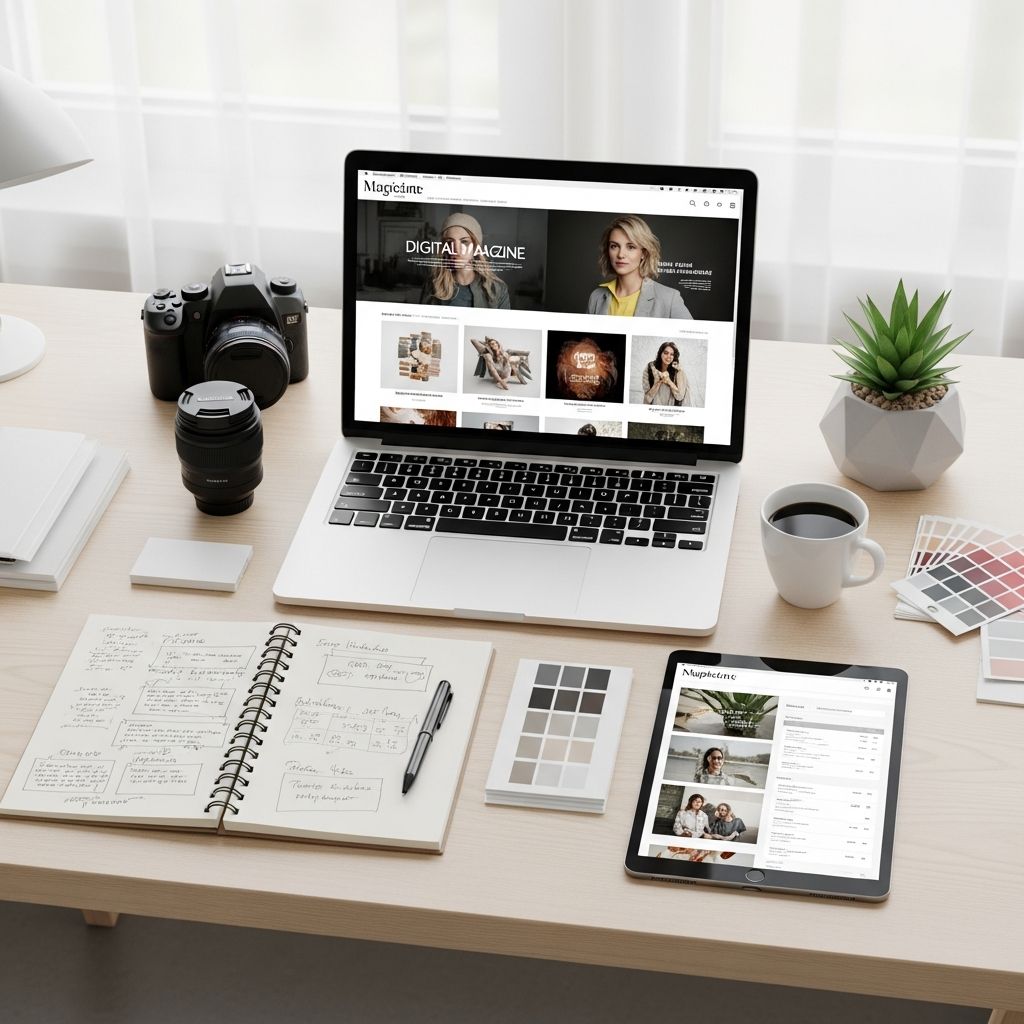
Launching a digital magazine used to require a printing press, industry connections, and a huge budget. Today, one determined founder with a laptop, a clear vision, and a sharp eye for design can build a recognizable media brand that reaches readers around the world. This article walks through the journey of creating and growing a digital magazine business—drawing inspiration from a young editor-in-chief who launched not one, but two online magazines before her thirtieth birthday.
Instead of focusing on celebrity names or glossy success stories, this guide breaks down the practical steps, mindset shifts, and everyday systems that support a sustainable digital publication.
From Journalism Student to Digital Founder
Many successful magazine creators start as storytellers. A background in journalism, communications, or media is not strictly required, but formal training can speed up the learning curve. Core journalism skills—interviewing, research, fact-checking, and ethical reporting—directly translate into running a high-quality publication.
Equally important is the ability to think visually. Digital magazines live and die on design: typography, white space, image selection, and navigation all affect how long readers stay and whether they return. Studies on digital news consumption consistently show that layout and usability strongly influence perceived credibility and engagement.
In practice, moving from “student” or “employee” to “founder” typically involves three shifts:
- Ownership of decisions: You stop waiting for an editor’s approval and start setting your own editorial direction.
- Comfort with ambiguity: There is no master checklist for launching a magazine; you learn by publishing, adjusting, and trying again.
- Business awareness: You begin to see each story, partnership, and design choice as part of a larger brand and business model.
Finding a Niche Readers Are Already Seeking
Many aspiring media founders imagine “a lifestyle magazine for everyone” and then struggle to stand out. The more effective path is to focus on a defined niche where readers already show strong interest but might not yet have a publication that speaks precisely to their needs.
In the case that inspires this article, the founder noticed a gap in parenting content that felt stylish, aspirational, and visually modern. Rather than producing generic family advice, she built a digital parenting magazine with a distinctive editorial voice and aesthetic. Later, she launched a separate wedding-focused magazine after noticing how much she enjoyed analyzing bridal publications while planning her own celebration.
To find your own magazine niche, ask:
- What topics do you obsess over in your free time?
- Which audiences do you understand from the inside (age, life stage, profession, interest)?
- Where do you see the same questions asked repeatedly on social media or in forums?
- Which existing magazines frustrate you—and why?
Research by the Reuters Institute shows that audiences are increasingly drawn to outlets that reflect their identities and interests, especially when they feel overwhelmed by general news sources. This trend creates opportunities for sharply defined digital magazines with a clear point of view.
Designing a Digital-First Magazine Experience
Launching a digital magazine is not the same as uploading a PDF replica of a print issue. A digital-first experience considers how readers actually consume content on phones, tablets, and laptops.
Key elements of a digital magazine design strategy include:
- Responsive layouts: Pages that adjust elegantly to various screen sizes to minimize zooming and scrolling fatigue.
- Readable typography: Clear font choices and adequate contrast make long-form features easier on the eyes.
- Strategic white space: Intentional gaps between text and images give the content a premium, editorial feel.
- Visual hierarchy: Headlines, subheads, pull quotes, and bold type help readers scan and decide what to read in depth.
Many early-stage founders design their own layouts using accessible tools, but over time they may collaborate with professional designers or art directors to push the brand’s visual identity further. Research on user experience consistently highlights the connection between polished design, perceived trustworthiness, and user satisfaction online.
Launching with Limited Resources and Maximum Initiative
Rather than waiting for a perfect business plan or an investor’s blessing, many modern magazine founders begin with a lean launch. That can mean:
- Publishing a pilot issue or a small set of feature stories.
- Building a simple but attractive website instead of a custom platform.
- Reaching out directly to photographers, stylists, and emerging brands for collaborations.
- Handling most roles personally: editor, designer, social media manager, and advertiser liaison.
In its earliest months, a digital magazine might be built entirely during late nights and weekends. What matters most at this stage is publishing consistently and learning from readers’ reactions—not having a fully staffed office.
Early Growth: PR, Marketing, and Word of Mouth
When a new digital magazine debuts online, no one is waiting on the homepage. Founders have to create their own momentum. In the interview that inspired this article, early PR success came from personally emailing bloggers, influencers, and brands who were already talking to the intended audience.
Common early-stage tactics include:
- Feature swaps: Interviewing up-and-coming creatives, then encouraging them to share the coverage with their own audiences.
- Guest content: Contributing articles or styled shoots to larger platforms in exchange for links back to the magazine.
- Social storytelling: Sharing behind-the-scenes glimpses of photo shoots, editorial planning, and cover reveals.
- Email newsletters: Building a list from day one to maintain a direct line of communication with readers.
Research on digital news audiences shows that email newsletters remain one of the most effective ways to convert casual readers into loyal followers, especially for niche outlets.
Running Two Magazines: Systems, Schedules, and Boundaries
Operating a single publication can feel like juggling flaming torches; running two different magazines doubles the complexity. The founder who inspired this piece managed both a parenting magazine and a wedding magazine simultaneously, often designing and editing issues herself while also handling partnerships.
To prevent burnout and maintain quality, multi-brand founders typically rely on:
- Editorial calendars: Planning entire issues or content drops weeks or months in advance.
- Themed issues: Aligning features around specific topics (for example, back-to-school or bridal essentials) to simplify planning.
- Batching work: Grouping similar tasks—such as image selection or copyediting—into focused blocks instead of switching constantly.
- Clear work windows: Establishing dedicated working hours and off-limits times to protect personal life and rest.
Balancing these demands is not about finding a perfect equilibrium. It is about knowing which deadlines are fixed, which can move, and when to say no to opportunities that might dilute the brand.
Building a Tiny but Mighty Team
Many digital magazine founders begin as a one-person operation but eventually need support. Hiring does not always start with full-time roles; it often begins with freelancers, contributing writers, or part-time assistants.
Skills that tend to be especially valuable in a small media team include:
- Versatility: The ability to research, write, edit, and contribute ideas across multiple sections.
- Design literacy: Even non-designers benefit from understanding visual style, image quality, and layout basics.
- Communication: Clear, professional email habits and the ability to coordinate with photographers, brands, and interviewees.
- Reliability: Meeting deadlines consistently, which is essential when publishing on a schedule.
Because budgets are often tight, founders may trade perks like flexible schedules, portfolio-building opportunities, and creative autonomy in lieu of traditional corporate benefits. That said, long-term sustainability requires fair compensation practices; research on freelance journalism highlights ongoing concerns about underpayment and instability in digital media markets.
The Emotional Side of Success and Visibility
From the outside, seeing a digital magazine land celebrity interviews, brand partnerships, or viral features can look like instant glamour. Inside the business, success often brings new forms of pressure:
- Higher expectations from collaborators and readers.
- More inbound pitches to sort through and decline.
- Internal pressure to keep every issue bigger and better than the last.
Founders frequently describe feeling surprised when well-known figures recognize their brand; imposter syndrome is common across creative industries, especially for women in leadership roles. Balancing gratitude with the ongoing responsibility to show up, meet deadlines, and innovate can be emotionally demanding.
Rewards and Challenges of Being Your Own Editor-in-Chief
Running your own magazine is both exhilarating and exhausting. The most rewarding aspects often include:
- Creative freedom: The ability to greenlight stories, themes, and visuals that reflect your own taste and priorities.
- Direct impact: Hearing from readers who feel seen, inspired, or supported by the content you publish.
- Access: Opportunities to interview people you admire and collaborate with brands you once followed from afar.
On the other hand, the hardest parts can be:
- Self-imposed deadlines: With no boss above you, accountability must come from within.
- Constant comparison: Watching competitors release new features or covers can make it difficult to appreciate your own progress.
- Financial uncertainty: Digital media revenue models—advertising, sponsorships, subscriptions—can fluctuate, especially during broader economic shifts.
Balancing Ambition, Routine, and Personal Life
It is tempting to imagine that successful founders work nonstop and love every minute. In reality, sustaining a creative business requires intentional habits and rest.
Founders running multiple projects often rely on small daily anchors:
- Morning rituals such as coffee and a quick review of the day’s priorities.
- Set times for email instead of checking constantly.
- Regular off-screen breaks to reset their creativity.
- Simple social routines—date nights, friend dinners, or weekend outings—that protect relationships outside of work.
Research on entrepreneurs’ mental health underscores the importance of social support, sleep, and boundaries to avoid chronic stress and burnout. Ambition can drive a magazine forward, but only if the founder remains healthy enough to lead over the long term.
Practical Lessons for Aspiring Digital Magazine Founders
For readers inspired to launch their own digital publication, several practical lessons emerge from this kind of founder story and from broader research on digital media:
| Focus Area | Key Takeaway | Action Step |
|---|---|---|
| Niche | Serve a specific, clearly defined audience rather than “everyone.” | Write a one-sentence description of your ideal reader and validate it through informal interviews. |
| Content | Quality and consistency matter more than volume at the beginning. | Commit to a realistic publishing cadence (monthly issue, biweekly feature, etc.). |
| Design | Visual identity is part of your brand story, not an afterthought. | Choose a simple color palette and 1–2 typefaces to use across all assets. |
| Audience | Engagement grows fastest when you collaborate with people your readers already follow. | Make a list of 20 creators or small brands whose audiences overlap with yours, then pitch collaborations. |
| Business | Diversified revenue streams reduce vulnerability to market shifts. | Experiment early with at least two potential revenue models (sponsored content, events, memberships, or digital products). |
Frequently Asked Questions (FAQs)
Q: Do I need a journalism degree to start a digital magazine?
A: No. A journalism degree can provide strong foundations in reporting, writing, and ethics, but many successful founders are self-taught. What matters most is your commitment to learning editorial skills, understanding your audience, and maintaining high standards for accuracy and storytelling.
Q: How many people do I need on my team to publish regularly?
A: You can begin as a team of one, especially if you are willing to learn basic design and marketing. Over time, most magazines benefit from bringing in freelance writers, photographers, or designers. The key is to expand slowly and hire for skills that directly improve your content or free you to focus on higher-level work.
Q: What are the most realistic ways for a small digital magazine to make money?
A: Common revenue streams include sponsorships, display ads, branded content, affiliate partnerships, paid memberships, and guest editing or design work for other publications. Industry analyses of digital news outlets show that a mixed model—combining reader revenue with advertising—is increasingly common for sustainability.
Q: How long does it usually take to gain traction?
A: Timelines vary widely, but many niche publications see their first meaningful audience growth within 6–18 months of consistent publishing. Factors include the uniqueness of your concept, how effectively you collaborate with others, and whether you use newsletters and social channels strategically.
Q: What if I'm afraid my idea has already been done?
A: Nearly every topic has been covered before, but your combination of perspective, design style, and editorial choices is unique. Instead of chasing total originality, focus on serving a specific audience better than any existing publication does. The founder whose story inspired this article succeeded not by inventing parenting or wedding magazines, but by creating digital-first versions that reflected her taste and her readers' lifestyles.
References
- Worlds of Journalism Study 2.0: Journalistic Roles, Values, and Qualifications — Worlds of Journalism Study / University of Munich. 2022-01-01. https://worldsofjournalism.org/wp-content/uploads/2022/06/WJS2.0_ResultsReport.pdf
- Digital News Report 2023 — Reuters Institute for the Study of Journalism, University of Oxford. 2023-06-14. https://reutersinstitute.politics.ox.ac.uk/digital-news-report/2023
- Digital News Report 2024 — Reuters Institute for the Study of Journalism, University of Oxford. 2024-06-17. https://reutersinstitute.politics.ox.ac.uk/digital-news-report/2024
- Mental Health and Wellbeing in Self-Employment — UK Government / Department for Business, Energy & Industrial Strategy. 2019-07-01. https://assets.publishing.service.gov.uk/media/5d4042fa40f0b607c9469b5c/mental-health-and-wellbeing-in-self-employment.pdf
- Journalism, Media, and Technology Trends and Predictions 2024 — Nic Newman, Reuters Institute for the Study of Journalism. 2024-01-10. https://reutersinstitute.politics.ox.ac.uk/journalism-media-and-technology-trends-and-predictions-2024

- Integrated M.A. in Applied Linguistics, University of Hyderabad
- 5+ years in editorial, instructional, SEO, and research-based writing
Sneha is a relationships and lifestyle writer with a strong foundation in applied linguistics and certified training in relationship coaching. She brings over five years of writing experience to theskillvault, crafting thoughtful, research-driven content that empowers readers to build healthier relationships, boost emotional well-being, and embrace holistic living. Her writing and insights reflect the belief that beauty, happiness, and wellness…