
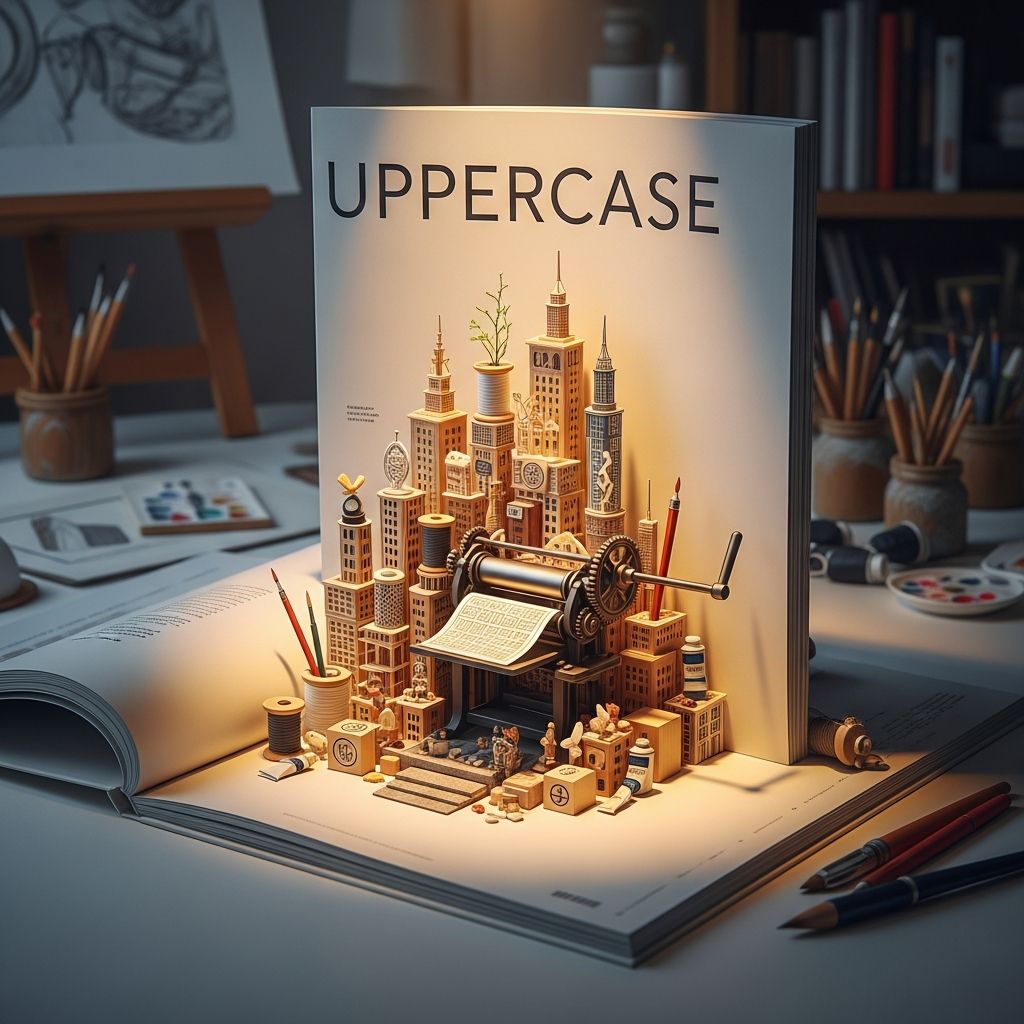
From Freelance Designer to Creative Publisher
Many creative professionals dream of turning their passion into a full-time career, but few actually do it. Janine Vangool is one of those rare individuals who not only followed that path but built something enduring: UPPERCASE magazine, a beautifully crafted quarterly publication for the creatively inclined. What makes her story especially compelling is that she didn’t just become a designer or editor—she became a publisher, editor, and designer all in one, shaping every aspect of a print magazine in an era when many were abandoning print altogether.
Her journey didn’t start with a glossy magazine on newsstands. It began with a decade and a half of freelance graphic design work, mostly for arts and culture clients. This period wasn’t just about building a portfolio; it was an informal business education. She learned how to manage projects, work with tight deadlines, communicate with clients, and handle the financial uncertainty that often comes with creative work. That experience gave her the confidence and skills to eventually step away from client work and focus entirely on her own creative vision.
Why Start a Print Magazine in the Digital Age?
In the late 2000s, when many publishers were shifting to digital formats or shutting down print editions, launching a new print magazine seemed like a bold, even risky move. Yet that’s exactly what Vangool did with UPPERCASE. Rather than seeing print as outdated, she saw it as an opportunity to create something tactile, intentional, and high-quality in a world increasingly dominated by screens.
Her decision wasn’t driven by nostalgia alone. It was a deliberate choice to prioritize craftsmanship, thoughtful content, and a physical reading experience. From the beginning, UPPERCASE was designed to be more than just a magazine—it was meant to be a collectible object, something readers would want to keep on their shelves and revisit over time. This philosophy shaped everything from the paper stock and printing techniques to the depth and variety of the content.
Designing a Magazine That Feels Like a Creative Companion
UPPERCASE is often described as a magazine for the ‘creative and curious,’ and that’s no accident. It’s filled with thoughtful features on illustration, design, typography, craft, and small creative businesses. The tone is warm, inclusive, and deeply respectful of the creative process. There’s no rush to be trendy or viral; instead, the focus is on lasting ideas, beautiful visuals, and stories that inspire.
Because Vangool handles design, editing, and publishing herself, the magazine has a strong, consistent voice. Every layout, every headline, every image selection reflects her sensibility. That level of control is rare in mainstream publishing, where multiple departments and stakeholders often dilute a publication’s character. In UPPERASE, the opposite happens: the magazine feels like an extension of its creator, which is part of what makes it so distinctive.
Building a Sustainable Creative Business
Creating a beautiful magazine is one thing; making it financially viable is another. Vangool has been transparent about the realities of running an independent publication. UPPERCASE is supported primarily by subscriptions, not advertising, which means the relationship with readers is central to the business model. This approach has allowed her to maintain editorial independence and avoid the pressure to chase clicks or conform to commercial trends.
Over the years, the magazine has grown from a modest first issue into a substantial 112-page quarterly with a loyal international audience. That growth didn’t happen overnight. It came from consistently delivering value, building trust, and treating subscribers not as customers but as a community of like-minded creatives.
She’s also expanded beyond the magazine into books and other publishing projects, including directories of illustrators and thematic collections on topics like typewriters. These projects complement the magazine and provide additional revenue streams, but they all stay within the same creative universe—curious, craft-focused, and visually rich.
The Role of Risk and Resilience in Creative Work
Starting any creative business involves risk, and launching a print magazine in the 21st century is especially so. There are high production costs, unpredictable demand, and the constant challenge of standing out in a crowded media landscape. Vangool’s story shows that success in this space isn’t just about talent or timing—it’s also about resilience, adaptability, and a willingness to keep going even when the path isn’t clear.
She’s spoken openly about moments when she had to let go of staff or scale back operations. Those decisions weren’t easy, but they allowed her to refocus on what mattered most: the magazine and its readers. That kind of honesty about the ups and downs of creative entrepreneurship is rare and valuable. It reminds us that behind every successful project are difficult choices, financial pressures, and periods of uncertainty.
Lessons for Aspiring Creative Entrepreneurs
For anyone dreaming of building their own creative business—whether it’s a magazine, a studio, a product line, or a digital platform—Vangool’s journey offers several practical lessons:
- Start with what you know. Her background in graphic design gave her the skills to handle layout, typography, and production, which are essential for a print magazine.
- Focus on quality over quantity. From the beginning, she prioritized high production values and meaningful content, which helped build a loyal audience.
- Build direct relationships with your audience. By relying on subscriptions rather than ads, she created a model where readers feel like they’re part of the project, not just passive consumers.
- Be willing to adapt. She’s evolved the magazine over time, responded to reader feedback, and adjusted her business model when needed, including investing in marketing education that transformed how she communicates with her audience.
- Protect your creative energy. She’s been intentional about what projects to take on and when to scale back, recognizing that creative work is sustainable only if it doesn’t burn you out.
Staying Grounded in a Fast-Paced Industry
One of the most striking aspects of Vangool’s approach is her calm, steady presence. In an industry that often glorifies hustle, burnout, and constant excitement, she’s chosen a different path. She’s described herself as someone who likes to keep an even keel, avoiding both extreme stress and excessive highs. That mindset has likely been crucial to sustaining a long-term creative project.
She measures success not in viral moments or overnight fame, but in the tangible output of her work: stacks of magazines, shelves full of books, and a growing community of readers and contributors. That focus on lasting, physical results rather than fleeting metrics is a powerful antidote to the anxiety that often comes with creative work in the digital age.
How UPPERCASE Has Evolved Over Time
Like any long-running publication, UPPERCASE has changed since its early days. The first few issues were a learning process, helping Vangool refine the magazine’s voice, structure, and visual identity. Over time, the content has become more focused and more in tune with what readers love: deep dives into creative processes, profiles of independent makers, and visually rich features that celebrate craft and design.
She’s also become more confident in her editorial choices, trusting her instincts about what to include and how to present it. That confidence shows in the magazine’s consistency and quality. Readers often comment that each new issue feels like the best one yet, which is a testament to both her growth as an editor and the magazine’s evolving relationship with its audience.
What the Future Holds for Independent Publishing
Looking ahead, Vangool has expressed a desire to grow the subscriber base and use that stability to invest in new publishing projects. That vision reflects a sustainable, long-term approach: rather than chasing rapid expansion or external funding, she’s focused on building a healthy, reader-supported business that can support more creative work over time.
Her story is a reminder that independent publishing doesn’t have to be a short-lived passion project. With the right combination of vision, craftsmanship, and business sense, it can become a lifelong career. And in a media landscape dominated by algorithms and short attention spans, there’s a growing appetite for thoughtful, well-made print publications that feel like they were made with care.
FAQs About Building a Creative Publishing Business
How did Janine Vangool fund the launch of UPPERCASE magazine?
She funded the magazine using income from her freelance design work and personal savings. Because she had been working as a graphic designer for over a decade, she had both the skills to produce the magazine and the financial runway to launch it without outside investors.
Why does UPPERCASE rely on subscriptions instead of advertising?
By focusing on subscriptions, UPPERCASE maintains editorial independence and avoids the pressure to chase clicks or conform to advertisers’ expectations. This model also fosters a closer relationship with readers, who support the magazine directly.
How does one person manage being publisher, editor, and designer?
It requires careful time management, clear priorities, and a willingness to say no to projects that don’t align with the core mission. Vangool has also invested in business and marketing education, which has helped her work more efficiently and communicate more effectively with her audience.
What advice would she give to someone who wants to start a print magazine?
Start small, focus on quality, and build a direct relationship with your audience. Understand the costs of production and distribution, and be realistic about how you’ll sustain the project financially. Most importantly, make something you genuinely love, because that passion will carry you through the difficult moments.
Can a print magazine be a sustainable business today?
Yes, but it requires a clear niche, high-quality content, and a loyal audience willing to pay for it. UPPERCASE shows that a print magazine can be sustainable when it’s built around a strong creative vision and a direct connection with readers, rather than relying on mass-market appeal or heavy advertising.
Key Takeaways for Creative Professionals
| Aspect | Key Insight |
|---|---|
| Starting Out | Leverage existing skills and experience to launch your project. |
| Business Model | Direct-to-audience models (like subscriptions) can support creative independence. |
| Quality & Craft | High production values build trust and make your work feel special. |
| Growth | Focus on steady, sustainable growth rather than rapid expansion. |
| Mindset | Staying grounded and consistent is more important than chasing trends. |
Final Thoughts: Passion, Patience, and Print
Janine Vangool’s journey with UPPERCASE magazine is a powerful example of how passion, patience, and a commitment to craft can lead to a meaningful creative career. She didn’t follow a traditional corporate path or chase the latest digital trends. Instead, she built something tangible, beautiful, and enduring—one issue at a time.
For creative professionals wondering whether they can turn their ideas into a real business, her story offers both inspiration and practical guidance. It shows that it’s possible to create a sustainable, reader-supported publication that feels like a true expression of your values and vision. And in doing so, you might just build not just a magazine, but a creative empire.
References
- UPPERCASE Magazine — UPPERCASE Publishing. https://www.uppercasemagazine.com/
- Editor’s Pick: UPPERCASE Magazine for the Creative and Curious — Read Alberta. https://readalberta.ca/articles/editors-pick-uppercase-magazine-for-the-creative-and-curious/
- Vangool designs decade of UPPERCASE growth — Calgary Herald. https://calgaryherald.com/business/local-business/uppercase-magazine-marks-10-years

- Integrated M.A. in Applied Linguistics, University of Hyderabad
- 5+ years in editorial, instructional, SEO, and research-based writing
Sneha is a relationships and lifestyle writer with a strong foundation in applied linguistics and certified training in relationship coaching. She brings over five years of writing experience to theskillvault, crafting thoughtful, research-driven content that empowers readers to build healthier relationships, boost emotional well-being, and embrace holistic living. Her writing and insights reflect the belief that beauty, happiness, and wellness…