
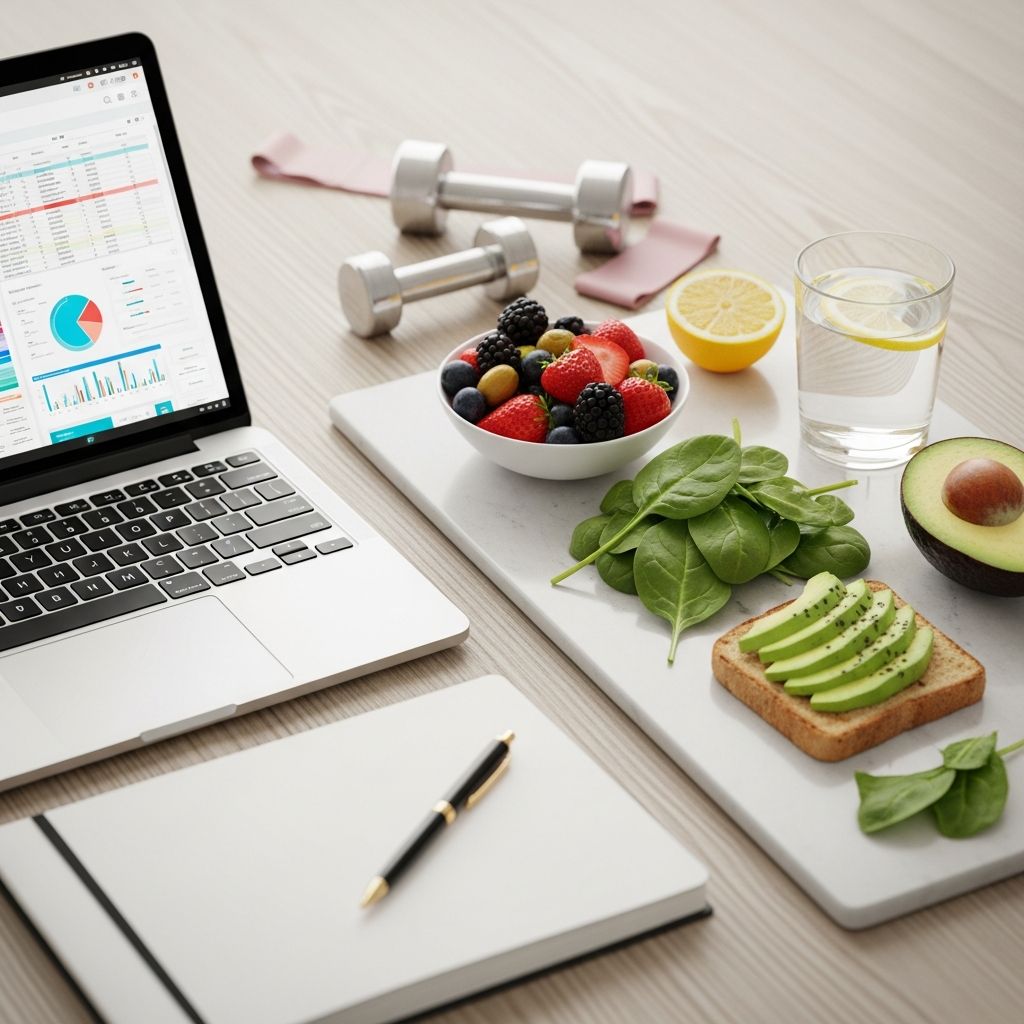
Many people dream of turning a passion for healthy food and holistic living into a full-time career. Yet the path from personal interest to professional impact can feel unclear, especially in a crowded wellness space that now includes influencers, dietitians, health coaches, and tech companies offering personalized nutrition platforms.
This guide walks through how a nutrition professional can build a modern, sustainable career and online brand inspired by real-world examples: from education choices and first jobs to digital content, client programs, and long-term business strategy.
Understanding Today’s Nutrition and Wellness Landscape
The wellness industry is evolving rapidly. Nutrition professionals now work across clinics, startups, media, and tech, often blending several roles at once.
- Functional nutrition and personalized wellness are high-growth areas, with consumers seeking foods and services that target energy, gut health, immunity, and longevity.
- Digital platforms (blogs, social media, apps) have become core channels for education, marketing, and client acquisition.
- Tech-enabled personalization – through data, wearables, and testing – is reshaping how people engage with nutrition advice.
For aspiring nutrition entrepreneurs, this environment offers both opportunity and responsibility: opportunity to reach more people and responsibility to ground your work in credible science and transparent ethics.
Choosing Your Educational Path in Nutrition
Credibility is a long-term asset. A strong education helps you stand out in a noisy wellness market and protects the people you serve.
Core Academic Routes
- Registered Dietitian Nutritionist (RDN) (or local equivalent): Typically requires an accredited degree, supervised practice, and a board exam, followed by continuing education.
- Graduate programs in nutrition or public health: Useful for those interested in research, policy, or advanced clinical roles.
- Specialized certifications (e.g., sports nutrition, integrative nutrition): Helpful for building expertise in a niche area once you have a solid foundation.
Whatever path you pursue, prioritize programs that emphasize:
- Evidence-based practice and critical thinking
- Behavior change and counseling skills, not just biochemistry
- Ethics and scope of practice
From Classroom to Career: First Roles and Early Lessons
New nutrition professionals often start in structured environments before branching into entrepreneurship. Common first roles include:
- Clinical dietitian in hospitals or outpatient clinics
- Community programs (schools, public health, non-profits)
- Corporate wellness or food industry positions
These roles build real-world skills you cannot learn from textbooks alone:
- Working with diverse populations and health conditions
- Navigating healthcare systems and interdisciplinary teams
- Translating complex science into practical guidance
Many future entrepreneurs discover their niche at this stage – for example, realizing they love teaching, recipe development, or behavior-focused coaching more than charting clinical notes.
Defining Your Wellness Philosophy and Niche
To build a distinctive brand, you need more than a job title. You need a point of view.
Clarify Your Core Philosophy
Ask yourself:
- What do you believe about how food and lifestyle influence health, energy, and mood?
- How do you balance evidence-based recommendations with flexibility and cultural preferences?
- What are your boundaries regarding diets, detoxes, and quick-fix claims?
Your answers become the backbone of your messaging, client work, and content decisions.
Choose a Focus Area
The demand for specialized solutions is growing across wellness – from gut health to active nutrition to longevity.
| Potential Niche | Ideal Clients | Core Needs |
|---|---|---|
| Plant-forward everyday nutrition | Busy professionals, young families | Simple recipes, grocery shortcuts, habit support |
| Gut and digestive health | People with bloating, IBS, or discomfort | Symptom management, food reintroduction, lifestyle framing |
| Active and sports nutrition | Athletes, fitness enthusiasts | Performance fueling, recovery, protein planning |
| Women’s health and hormones | Teens to midlife women | Cycle-aware nutrition, bone health, energy support |
| Longevity and healthy aging | Midlife and older adults | Muscle preservation, heart and brain support |
Your niche should live at the intersection of your expertise, lived experience, and what your audience urgently needs help with.
Building an Online Presence with Integrity
Today, many nutrition careers are built around digital platforms rather than brick-and-mortar clinics. A strong online presence lets you teach at scale while attracting aligned clients.
Foundational Platforms
- Website or blog: Your home base for articles, recipes, services, and email sign-ups.
- Email newsletter: More stable and direct than social media; ideal for nurturing relationships and launching programs.
- Social media: Useful for discoverability, behind-the-scenes content, and quick tips – but risky as your only channel.
Content that Builds Trust
To differentiate from trend-driven wellness content, focus on:
- Evidence-backed posts with clear references or explanations when needed.
- Balanced messaging that avoids fear-based tactics around food.
- Practical guidance – such as meal ideas, time-saving tips, or mindset reframes – instead of abstract rules.
Consumers increasingly seek products and information that are transparent about ingredients, sourcing, and claims. Apply that same level of transparency to your own work.
Working with Clients: From One-on-One to Group Programs
Client work remains a core income stream for many nutrition professionals, whether delivered in person or virtually.
One-on-One Coaching or Counseling
Individual sessions allow for personalized, nuanced work. Typical elements include:
- Comprehensive intake and assessment
- Collaborative goal setting rather than prescriptive rules
- Behavior-change strategies and motivational interviewing
- Education on food, movement, sleep, and stress
With growing interest in personalized nutrition, clients often expect tailored plans that fit their biology, preferences, and lifestyle. Setting expectations around what you can and cannot provide (e.g., lab testing, diagnosis) is essential for ethical practice.
Group Programs and Courses
As your audience grows, consider scalable offerings such as:
- Live group programs with weekly calls and shared resources
- Self-paced online courses on specific topics (e.g., foundational nutrition, meal planning, or stress and food)
- Hybrid models with recorded lessons plus limited live support
Group experiences can create community, normalize struggles, and reduce cost barriers while still allowing you to maintain a sustainable schedule.
Diversifying Revenue Beyond Client Sessions
A resilient wellness business rarely relies on just one income stream. Over time, many nutrition entrepreneurs add:
- Digital products: eBooks, guides, recipe bundles, templates
- Memberships: Monthly communities with content libraries, Q&A sessions, and challenges
- Speaking and workshops: Corporate wellness events, conferences, and webinars
- Brand collaborations: Product development consulting, sponsored content, or advisory roles – ideally with rigorous due diligence and clear boundaries
The fast-growing market for functional and active nutrition products means more companies are seeking expert input. When collaborating, ensure any partnership aligns with your philosophy and is backed by credible evidence.
Balancing Science, Creativity, and Storytelling
Sustainable nutrition careers blend left-brain and right-brain skills.
- Science: Interpreting research, understanding mechanisms (like the gut–brain axis), and staying current as guidance evolves.
- Creativity: Turning research into appealing recipes, visuals, and frameworks that people can understand and remember.
- Storytelling: Sharing client journeys (with permission), your own experiences, and relatable scenarios that make change feel possible.
People rarely implement advice based only on data; they act when they see themselves in the story you tell.
Protecting Your Energy and Avoiding Burnout
The wellness industry can paradoxically be harsh on practitioners’ own wellbeing. Boundaries are essential.
Set Sustainable Work Rhythms
- Cap the number of one-on-one sessions per day or week.
- Batch tasks like content creation, email responses, and admin work.
- Designate off-screen time for your own movement, cooking, and rest.
Research on healthcare professionals shows that chronic overload without recovery increases burnout risk and reduces quality of care. The same applies to nutrition entrepreneurs.
Define Clear Boundaries
- Set communication expectations (e.g., response times, office hours).
- Clarify what is included in each offer and what requires an additional fee.
- Know when to refer out to therapists, physicians, or specialists.
Healthy boundaries allow you to show up fully for clients while preserving your own wellbeing and creativity.
Planning for Long-Term Growth and Impact
Once your business is stable, you can start thinking about legacy and long-term contribution.
- Deepen expertise through advanced training or research collaborations.
- Mentor newer practitioners who are navigating the same questions you once had.
- Influence systems by contributing to policy discussions, school programs, or product standards around transparency and nutrition quality.
The future of wellness is being shaped not only by individual practitioners but also by how they collaborate with food companies, tech firms, and public institutions.
Frequently Asked Questions (FAQs)
Q: Do I need to be a registered dietitian to build a nutrition-focused wellness brand?
A: Regulations differ by region. In many places, only licensed professionals (such as registered dietitians) can provide individualized medical nutrition therapy, diagnose conditions, or bill insurance. Other wellness roles may focus on education, general healthy-living guidance, or behavior support. Always check your local laws and be transparent about your credentials.
Q: How long does it take to build a sustainable online nutrition business?
A: Timelines vary widely. Many practitioners spend several years building credibility, refining their niche, and growing an audience before they can rely solely on their business income. Starting with part-time work alongside a traditional job is common and can reduce financial stress.
Q: What is the most effective way to attract ideal clients?
A: Clear positioning and consistent value-driven content are key. When you speak to a specific problem (for example, women’s mid-afternoon energy crashes or runners’ recovery fueling) and regularly share helpful tips, stories, and case examples, the people who need that support are more likely to recognize themselves and reach out.
Q: How do I stay up to date with nutrition science without feeling overwhelmed?
A: Choose a small number of trusted sources such as academic journals, professional organizations, and major public health agencies. Set recurring time on your calendar for continuing education and consider joining peer groups or supervision circles where you can discuss new research and its practical implications.
Q: Can I ethically collaborate with food or supplement brands?
A: Yes, but it requires careful screening and transparency. Evaluate ingredient quality, evidence for claims, and alignment with your philosophy. Disclose partnerships clearly, avoid making unsupported promises, and be prepared to walk away from opportunities that conflict with your standards or your audience’s trust.
References
- Ten key health and nutrition trends for 2025 — Kerry Health and Nutrition Institute. 2024-10-02. https://khni.kerry.com/trends-and-insights/ten-key-health-and-nutrition-trends-of-this-year/
- 2025 Supplements and Nutrition Industry Trends — Clarkston Consulting. 2024-08-19. https://clarkstonconsulting.com/insights/2025-supplements-and-nutrition-industry-trends/
- Revealed: the top nutrition trends shaping 2025 — FrieslandCampina Ingredients. 2024-09-09. https://www.frieslandcampinaingredients.com/insight/wellness-rebooted-experts-discuss-the-5-nutrition-trends-set-to-shape-2025/
- The Future of Wellness: 2025 trends — McKinsey & Company. 2024-04-18. https://www.mckinsey.com/industries/consumer-packaged-goods/our-insights/future-of-wellness-trends
- Food Trends 2025 — Penn State Extension. 2023-12-12. https://extension.psu.edu/food-trends-2025/
- The Top 10 Functional Food Trends — Institute of Food Technologists. 2025-04-01. https://www.ift.org/news-and-publications/food-technology-magazine/issues/2025/april/features/the–top-10-functional-food–trends
- Active Nutrition: Trends Shaping the Sector in 2025 — Lincoln International. 2024-07-22. https://www.lincolninternational.com/perspectives/articles/active-nutrition-trends-shaping-the-sector-in-2025/

Medha Deb is an editor with a master's degree in Applied Linguistics from the University of Hyderabad. She believes that her qualification has helped her develop a deep understanding of language and its application in various contexts. Medha specializes in the areas of beauty, health, sports, and wellness and is committed to ensuring that the content on the website is…