
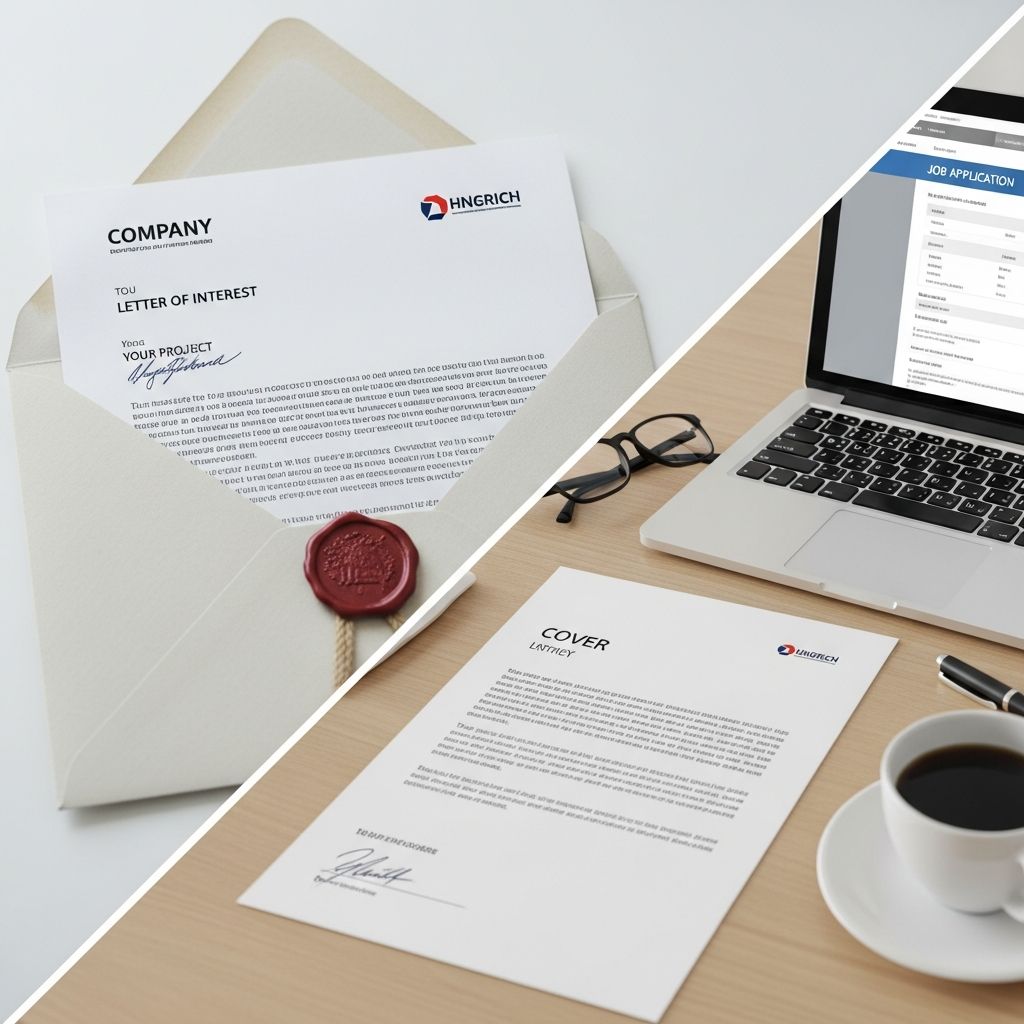
Understanding the Two Types of Professional Letters
When applying for jobs, many professionals rely on a resume and a cover letter. But there’s another type of letter that can open doors even when no job is posted: the letter of interest. While both are tools for job seekers, they serve very different purposes and are used in distinct situations. Knowing when and how to use each can significantly improve your chances of getting noticed by employers.
What Is a Cover Letter?
A cover letter is a formal document that accompanies your resume when you apply for a specific job opening. It is written in direct response to a job posting and is tailored to that particular role. The main goal of a cover letter is to explain why you are the best candidate for the position by aligning your skills, experience, and achievements with the requirements listed in the job description.
Think of a cover letter as a targeted pitch. You are not just introducing yourself—you are making a case for why you should be invited for an interview. It is usually addressed to the hiring manager or recruiter and includes specific references to the job title, company, and key responsibilities.
What Is a Letter of Interest?
A letter of interest, sometimes called a letter of intent, is a proactive message sent to a company you admire, even if they are not currently advertising any open positions. Instead of responding to a job posting, you are expressing your desire to work for that organization and offering your skills and experience as a potential asset.
This type of letter is more about building a relationship than filling a specific role. It shows initiative, enthusiasm, and genuine interest in the company’s mission, culture, or industry. A well-written letter of interest can get your name on a hiring manager’s radar and increase the likelihood that you’ll be considered when a relevant position becomes available.
Key Differences Between the Two
While both documents are used in job searching, they differ in several important ways:
- Purpose: A cover letter responds to a specific job opening; a letter of interest expresses general interest in a company.
- Timing: Cover letters are used when a job is posted; letters of interest are used when no job is advertised.
- Focus: Cover letters focus on how you meet the job requirements; letters of interest focus on why you want to work for the company and how you can contribute.
- Structure: Cover letters follow a more formal, structured format tied to the job description; letters of interest are slightly more flexible and conversational.
- Outcome: A cover letter aims to secure an interview for a specific role; a letter of interest aims to start a conversation and be remembered for future opportunities.
When to Use a Cover Letter
You should always include a cover letter when applying for a specific job, especially if the employer requests one. Even when it’s optional, a well-crafted cover letter can set you apart from other applicants. Here are common situations where a cover letter is appropriate:
- Applying to a posted job on a company website, job board, or professional network.
- Submitting an application through an online portal that allows for a cover letter upload.
- Following up after a networking event or referral when applying for a specific role.
- Reapplying to a company after a previous application or interview.
In these cases, your cover letter should clearly state the job title you’re applying for, reference the job posting, and explain how your background matches the role’s requirements.
When to Use a Letter of Interest
A letter of interest is most effective when you want to approach a company directly, rather than waiting for a job to be posted. It’s a strategic move for job seekers who are targeting specific organizations. Common scenarios include:
- You admire a company’s mission, culture, or recent projects and want to express interest in working there.
- You’re exploring a new industry or role and want to connect with organizations that align with your values.
- You’ve identified a company that frequently hires in your field but currently has no open positions.
- You’re relocating and want to get on the radar of local employers before moving.
A letter of interest is not a substitute for a cover letter when a job is posted. Instead, it’s a way to create opportunities where none currently exist.
Structural Differences and Formatting
Both letters share a similar overall structure: they begin with a header, include a greeting, an introduction, a body, and a closing. However, the content and emphasis differ significantly.
Cover Letter Structure
- Header: Your contact information, date, and employer’s details.
- Greeting: Addressed to the hiring manager by name if possible.
- Opening paragraph: State the position you’re applying for and briefly explain why you’re interested.
- Body paragraphs: Highlight relevant skills, experiences, and achievements that match the job description.
- Closing paragraph: Reiterate your interest, mention your resume, and include a call to action (e.g., requesting an interview).
- Sign-off: Professional closing (e.g., “Sincerely”) followed by your name.
Letter of Interest Structure
- Header: Same as a cover letter.
- Greeting: Addressed to a relevant contact, such as a hiring manager or department head.
- Opening paragraph: Introduce yourself and explain why you’re reaching out to this company.
- Body paragraphs: Discuss your background, key skills, and how they could benefit the organization.
- Closing paragraph: Express your desire to discuss potential opportunities and suggest next steps (e.g., a meeting or call).
- Sign-off: Professional closing with your name and contact information.
Content Focus: What to Emphasize
The content of each letter should reflect its purpose. Here’s how to tailor your message appropriately.
Cover Letter: Match the Job Description
- Clearly state the job title and where you saw the posting.
- Use keywords from the job description to show alignment.
- Provide specific examples of how your experience relates to the role.
- Highlight measurable achievements (e.g., increased sales by 20%, reduced costs by 15%).
- Explain why you’re excited about this specific role, not just the company in general.
Letter of Interest: Focus on the Company and Your Value
- Explain why you admire the company (e.g., mission, culture, recent projects).
- Describe your professional background and key strengths.
- Identify areas where you could contribute (e.g., marketing, operations, customer service).
- Be open to different roles rather than insisting on one specific position.
- Express willingness to discuss how your skills might fit future needs.
Choosing the Right Tone and Style
Both letters should be professional, but the tone can vary slightly based on the context.
Cover Letter Tone
- Formal and polished.
- Confident but not arrogant.
- Direct and concise, usually 3–4 paragraphs.
- Aligned with the company’s communication style (e.g., more conservative for traditional industries, slightly more dynamic for startups).
Letter of Interest Tone
- Professional but slightly more conversational.
- Enthusiastic and genuine in expressing interest.
- Flexible and open-minded about potential roles.
- Still concise, but can be slightly more personal in explaining why you’re drawn to the company.
Research and Personalization
Both types of letters require research, but the focus differs.
For a Cover Letter
- Study the job description carefully.
- Identify required skills, qualifications, and responsibilities.
- Research the company’s recent news, products, or services to reference in your letter.
- Align your experience with the specific needs of the role.
For a Letter of Interest
- Learn about the company’s mission, values, and culture.
- Review recent projects, press releases, or industry recognition.
- Identify departments or functions where your skills could add value.
- Be specific about what excites you about the organization, not just that it’s “a great company.”
Common Mistakes to Avoid
Even experienced professionals can make errors when writing these letters. Here are some pitfalls to watch out for:
- Using the same letter for every application: Always customize your letter to the specific company and role.
- Being too generic: Avoid vague statements like “I’m a hard worker” without supporting examples.
- Ignoring the job description: In a cover letter, failing to address key requirements can hurt your chances.
- Overpromising in a letter of interest: Don’t claim you’ll solve all the company’s problems; instead, focus on how you can contribute.
- Forgetting to proofread: Typos and grammatical errors can undermine your professionalism.
How to Decide Which One to Send
The decision often comes down to one simple question: Is there a specific job posting?
- If yes: Use a cover letter tailored to that job.
- If no: Use a letter of interest to express your interest in the company.
You can also use both in sequence. For example, send a letter of interest to a company you admire, and if they later post a role that fits your background, follow up with a targeted cover letter for that position.
Practical Tips for Writing Each Letter
Here are some actionable tips to help you write effective letters.
Writing a Strong Cover Letter
- Start with a strong opening that grabs attention.
- Use the first paragraph to state the role and your enthusiasm.
- Use the body to connect your experience to the job requirements.
- Include 1–2 specific achievements that demonstrate your impact.
- End with a clear call to action, such as requesting an interview.
Writing a Strong Letter of Interest
- Begin by introducing yourself and explaining why you’re writing.
- Highlight your most relevant skills and experiences.
- Explain why you’re drawn to this particular company.
- Be clear about the types of roles you’re interested in (e.g., marketing, project management).
- End by suggesting a conversation and offering to provide more information.
Can You Use Both?
Yes, and doing so can be a smart strategy. For example:
- Send a letter of interest to a company you want to work for, even if no jobs are posted.
- Follow up with a cover letter when a relevant position opens.
- Reference your earlier letter of interest in the cover letter to show continued interest.
This approach demonstrates persistence, genuine interest, and a long-term view of your career goals.
FAQs
Can I send a letter of interest instead of a cover letter?
No. If a job is posted, you should send a cover letter tailored to that role. A letter of interest is for situations where no specific job is advertised.
How long should each letter be?
Both should be concise. Aim for 3–4 paragraphs, roughly one page. A cover letter is often slightly more detailed due to the need to match the job description.
Should I attach my resume with a letter of interest?
Yes. Always include your resume so the employer has a complete picture of your background. You can also include a portfolio or LinkedIn profile if relevant.
Who should I address the letter to?
Whenever possible, address it to a specific person, such as the hiring manager, department head, or HR contact. If you can’t find a name, use a general but professional greeting like “Dear Hiring Team.”
Can a letter of interest lead to a job?
Yes. While it doesn’t guarantee a position, it can get your name on a hiring manager’s radar and increase your chances of being contacted when a relevant role opens.
Final Thoughts
Understanding the difference between a letter of interest and a cover letter is essential for any job seeker. A cover letter is your ticket to a specific job interview; a letter of interest is your way of planting a seed for future opportunities. By using the right letter at the right time and tailoring it effectively, you can significantly improve your chances of landing the job you want.
Whether you’re responding to a job posting or reaching out to a dream company, taking the time to craft a thoughtful, well-researched letter shows professionalism, initiative, and genuine interest—qualities that employers value highly.

Medha Deb is an editor with a master's degree in Applied Linguistics from the University of Hyderabad. She believes that her qualification has helped her develop a deep understanding of language and its application in various contexts. Medha specializes in the areas of beauty, health, sports, and wellness and is committed to ensuring that the content on the website is…