
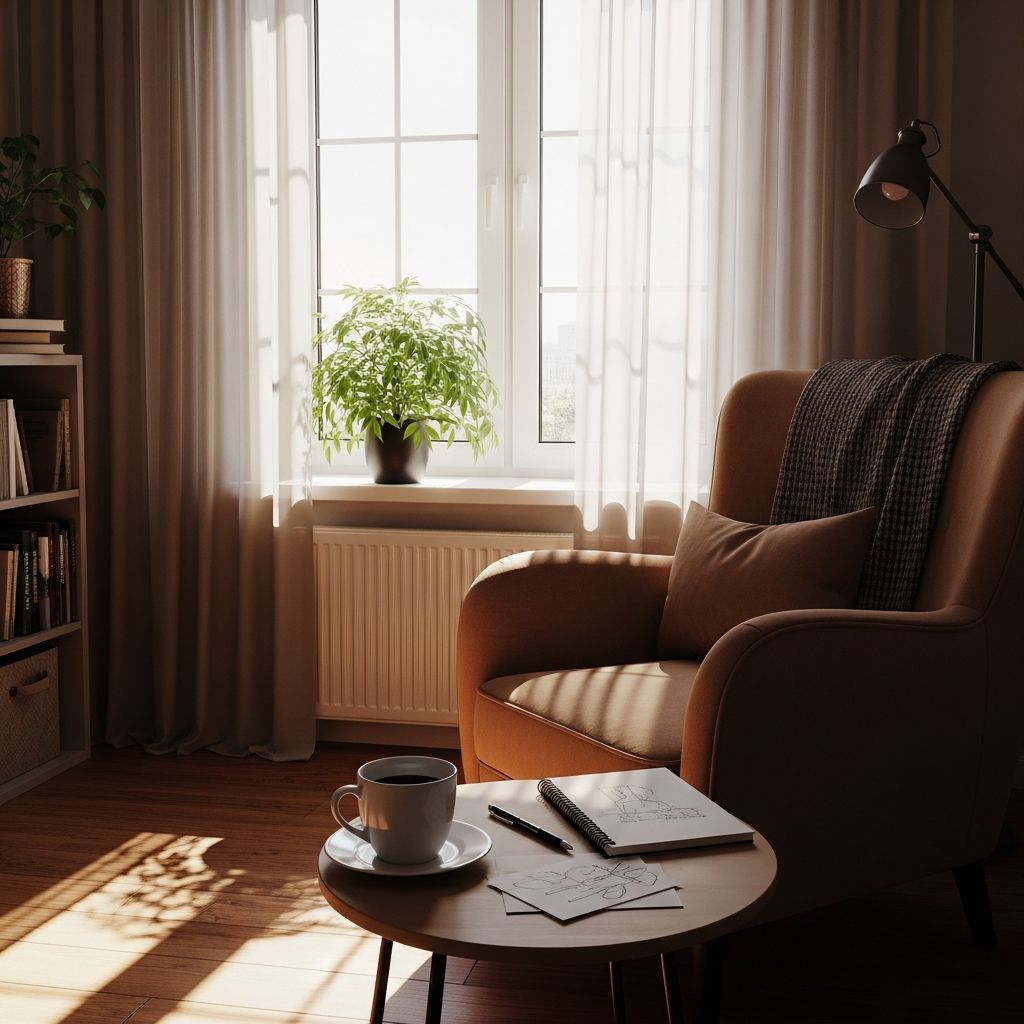
Transforming Ordinary Environments Into Creative Powerhouses
Creativity doesn’t require exotic locations or expensive retreats. Often, the most inspiring moments emerge from spaces we encounter daily, spaces that trigger fresh perspectives and innovative thinking. Whether you’re an artist, designer, entrepreneur, or knowledge worker, understanding how different environments influence creative output can significantly enhance your productivity and idea generation. The relationship between physical space and creative thinking is well-established: changing your surroundings provides mental stimulus that breaks habitual thought patterns and opens new pathways for innovation.
The key to unlocking creative potential lies in recognizing that inspiration exists everywhere. Rather than waiting for the perfect moment or location, successful creatives learn to extract ideas from diverse settings. This approach democratizes creativity—it’s no longer confined to dedicated studios or prestigious institutions, but accessible through intentional exploration of everyday spaces.
Urban Centers as Creativity Catalysts
Major metropolitan areas pulse with creative energy that permeates their streets, buildings, and cultural institutions. Cities like New York, Los Angeles, San Francisco, and Seattle function as creative ecosystems where diverse talent concentrates, collaborates, and pushes boundaries. These urban environments offer constant visual, auditory, and cultural stimulation that naturally sparks innovative thinking.
Walking through city streets exposes you to architecture, street art, diverse populations, and constant change. Observing how different people solve problems, express themselves, and navigate urban life provides endless material for creative minds. The visual complexity of cities—layered with historical buildings, modern structures, colorful murals, and human activity—creates an environment where pattern recognition and creative synthesis naturally flourish.
Beyond streets, urban cultural institutions like museums, galleries, and performance venues concentrate human creativity in condensed spaces. These venues preserve and showcase the pinnacle of creative achievement, offering both inspiration from completed works and motivation to create new ones.
Libraries and Bookstores as Creative Sanctuaries
Libraries and bookstores represent concentrated repositories of human knowledge, imagination, and creative expression. These spaces function as creative catalysts in multiple ways. The physical presence of books—thousands of perspectives, narratives, and ideas—creates an environment that stimulates associative thinking. Browsing book covers reveals sophisticated typography, compelling imagery, and thoughtful design decisions that directly inform creative work.
The quiet, contemplative atmosphere of libraries contrasts with bustling urban environments, offering a different type of creative space. This calm allows for deep focus and reflection, essential for processing ideas and synthesizing inspiration. Additionally, libraries and bookstores connect you with diverse subject matter, encouraging cross-disciplinary thinking that often produces breakthrough innovations.
The design of these spaces—shelving systems, lighting, layout—itself demonstrates thoughtful problem-solving and user experience design. Observing how information architects organize vast collections offers lessons applicable to organizing creative projects and ideas.
Natural Environments and Green Spaces
Nature provides a fundamentally different creative stimulus than urban or cultural spaces. Gardens, parks, botanical collections, and natural preserves offer visual beauty, rhythmic patterns, and organic complexity that influence creative thinking. The natural world operates according to principles of efficiency, adaptation, and elegant design—principles that transfer directly to human creative work.
Botanical gardens present organized nature, demonstrating how complexity can be arranged systematically. The color palettes, proportions, and arrangements in gardens offer direct inspiration for visual artists and designers. Natural preserves and wilderness areas provide the opposite experience—untamed nature with its own logic and beauty, encouraging adaptability and creative problem-solving.
The psychological benefits of natural environments enhance creativity independent of visual inspiration. Spending time in green spaces reduces cognitive fatigue, improves focus, and creates mental spaciousness for creative thinking to flourish.
Specialized Museums and Unconventional Collections
While traditional art museums and galleries inspire through curated excellence, specialized museums and unusual collections spark creativity through unexpected combinations. Medical museums, industrial heritage sites, science centers, and quirky private collections present material in ways that challenge conventional thinking. These spaces juxtapose objects or information in thought-provoking arrangements that force new mental connections.
The curation philosophy behind these institutions—how they choose to present material, what narratives they emphasize, which connections they highlight—itself teaches lessons about creative organization and presentation. Observing these choices develops your understanding of how context shapes perception and meaning.
Artistic Neighborhoods and Creative Districts
Certain neighborhoods develop distinct creative identities through concentration of artists, galleries, studios, and cultural venues. Areas like Brooklyn in New York, the Mission District in San Francisco, Over-the-Rhine in Cincinnati, and Wedgewood-Houston in Nashville exemplify how geography enables creative community. These neighborhoods function as living laboratories of creative experimentation.
Walking through creative districts exposes you to active artistic practice, emerging trends, and experimental work often before it reaches mainstream venues. Street art densifies these experiences, with murals and installations providing constant visual novelty. The presence of fellow creatives creates an atmosphere of creative legitimacy and experimentation.
These neighborhoods also demonstrate viable creative economies—studios, galleries, cafes, and performance venues supporting artists’ livelihoods. Observing this infrastructure inspires both artistically and entrepreneurially.
Architectural Landmarks and Design Excellence
Specific buildings and architectural achievements function as creative catalysts through their design innovation and presence. Frank Gehry’s Walt Disney Concert Hall in Los Angeles, Zaha Hadid’s Contemporary Arts Center in Cincinnati, and Victorian architecture throughout San Francisco demonstrate how designers solve spatial problems. Studying these works through direct experience—not photographs—reveals the three-dimensional complexity and spatial relationships that images cannot convey.
Architectural landmarks teach principles of proportion, balance, material selection, and functional design. They demonstrate how constraints breed innovation and how bold creative choices become beloved cultural fixtures.
Performance Venues and Live Entertainment Spaces
Theaters, music venues, comedy clubs, and performance spaces create temporary creative communities where artists and audiences co-create experiences. Unlike passive consumption of recorded media, live performance creates an energy exchange that energizes creative thinking. The improvisation inherent in live performance—how artists adapt to audiences, unexpected technical challenges, and the present moment—models creative responsiveness.
Performance venues also demonstrate how creative expression communicates emotion and meaning directly. Experiencing this potency motivates creative work and clarifies what truly resonates with audiences.
Markets and Commercial Spaces
Markets—whether traditional farmers markets, antique markets, or contemporary commercial districts—present human activity organized around exchange and connection. These spaces demonstrate vernacular design, practical problem-solving, and human psychology applied to everyday commerce. The visual density of markets, with their colors, textures, and varied merchandise, provides rich visual stimulation.
Markets also reveal human needs and desires through what people buy, how they interact, and what solutions merchants develop. This anthropological dimension provides insight into human motivation useful across creative disciplines.
Transportation Hubs and Transit Systems
Train stations, airports, and transit systems represent organized complexity at scale. These spaces demonstrate wayfinding design, crowd management, and information design under real-world constraints. Observing how people navigate these spaces, where they pause, how signage functions, and how architecture facilitates (or impedes) movement teaches practical design lessons.
Transportation hubs also serve as observation points for human behavior and diversity. The constant flow of people provides endless material for understanding human psychology and behavior patterns relevant to creative work.
Educational Institutions and Universities
Universities and educational institutions concentrate intellectual resources, creative talent, and ideological diversity. Campuses function as laboratories for ideas and experimentation. The presence of students and faculty actively engaging with knowledge and pushing disciplinary boundaries creates an atmosphere of intellectual vitality.
University spaces demonstrate how to structure environments for learning and creative development. Libraries, studios, performance spaces, and informal gathering areas all contribute to creative ecosystems worth studying and emulating.
Unconventional and Repurposed Spaces
Artist villages, converted warehouses, transformed squatter communities, and adaptive reuse projects demonstrate creative reimagining of physical space. These locations embody creative problem-solving—making valuable use of available resources rather than waiting for ideal circumstances. The histories of these spaces often involve creative communities overcoming obstacles and building culture from limited means.
Exploring repurposed spaces teaches that creativity often emerges from constraints and limitations. These environments demonstrate that creative potential exists everywhere, requiring only intention and vision to activate.
Hospitality Spaces and High-End Environments
Luxury hotels, fine dining establishments, and upscale venues present design and hospitality refined to high levels. While not always affordable or accessible for regular visits, experiencing these spaces reveals principles of sophistication, attention to detail, and user experience excellence. The design choices in these spaces—materials, lighting, proportion, service design—demonstrate creative problem-solving applied to hospitality.
These spaces also model how environmental design influences emotional and psychological states. Understanding how professional designers shape experience through space teaches transferable lessons about creative presentation and user-centered thinking.
Maximizing Creative Inspiration Across Any Space
While specific locations offer particular advantages, the most effective approach involves intentional observation and active engagement. Several strategies amplify creative potential across any space:
- Slow down and observe deliberately rather than passively consuming spaces
- Document observations through photography, sketching, or writing to cement creative insights
- Seek unexpected connections between unrelated elements in the space
- Understand the history and context of spaces to appreciate the layers of human creativity they contain
- Visit spaces repeatedly to notice new details and changes over time
- Engage with other people in creative spaces to benefit from collaborative energy
- Combine multiple space types in single excursions to expose yourself to diverse stimuli
Environmental Psychology and Creative Output
Research demonstrates that changing environments significantly impacts creative thinking and innovation. Individuals who regularly shift work locations report higher creative output and reduced creative blocks. This phenomenon occurs because new environments provide novel stimuli that interrupt habitual thought patterns and activate fresh neural pathways.
Environmental variety prevents adaptation, maintaining the psychological freshness necessary for creative insight. While specific spaces offer particular advantages, variety itself generates creative benefits. Digital nomads and professionals who intentionally change work locations report leveraging environmental shifts as a primary strategy for sustaining creative inspiration.
Building Your Personal Inspiration Itinerary
Rather than waiting for inspiration to find you, proactive creatives develop systematic approaches to seeking it. This involves identifying specific spaces offering relevant inspiration, planning regular visits, and establishing observation practices that transform passive exposure into active learning.
Consider your creative discipline and needs: visual artists benefit from spaces emphasizing design and composition; writers benefit from concentrated word environments like libraries; entrepreneurs benefit from spaces demonstrating viable creative economies and communities. Match inspiration-seeking to your specific creative challenges and goals.
Frequently Asked Questions
Q: How often should I visit new spaces to maintain creative inspiration?
A: Research suggests that regular environmental variation significantly impacts creative output. Monthly exploration of new or revisited spaces maintains novelty while allowing time for ideas to develop between visits. However, frequency should match your creative cycle and local opportunities.
Q: Are expensive, exclusive spaces necessary for creative inspiration?
A: No. While high-end spaces offer particular design lessons, creative inspiration emerges from everyday locations requiring no special access or expense. Public parks, libraries, markets, and neighborhoods provide rich creative material available to everyone.
Q: How do I transition creative inspiration from spaces into actual creative work?
A: Documentation is essential. Photograph, sketch, or write observations immediately while impressions are fresh. Review this material later when actively creating, making intentional connections between observed inspiration and creative challenges you’re solving.
Q: Can virtual experiences provide the same creative benefits as physical spaces?
A: While virtual tours and digital content offer value, they lack the multisensory engagement and embodied experience of physical spaces. Direct experience engages spatial awareness, peripheral vision, and environmental feedback that digital formats cannot replicate, making in-person exploration particularly valuable.
Q: What if I live in a small town without major cities or cultural institutions?
A: Small towns offer distinct advantages: closer observation of community dynamics, unique local history and architecture, and often less crowded access to nature. Scale up gradually, taking advantage of day trips to nearby cities while cultivating deep familiarity with local creative potential.
References
- 2025’s Best U.S. Creative Escapes: Where Inspiration Meets Innovation — Graphic Village. 2025. https://www.graphicvillage.com/best-us-creative-escapes-2025/
- The 33 Most Inspiring Places on Earth, According to Artists — Away Travel. https://www.awaytravel.com/blogs/the-away-pages/most-inspiring-cities
- 7 Places To Inspire Creativity — Y-Designs, Inc. https://y-designs.com/ideas/stories/7-places-to-inspire-creativity
- The World’s Most Inspirational Destinations — Adobe Express. https://www.adobe.com/express/learn/blog/most-inspirational-places-around-the-world
- 5 Unexpected Places I Find Creative Inspiration When I Travel — Travel Like an Artist Substack. https://travellikeanartist.substack.com/p/5-unexpected-places-i-find-creative

Medha Deb is an editor with a master's degree in Applied Linguistics from the University of Hyderabad. She believes that her qualification has helped her develop a deep understanding of language and its application in various contexts. Medha specializes in the areas of beauty, health, sports, and wellness and is committed to ensuring that the content on the website is…