
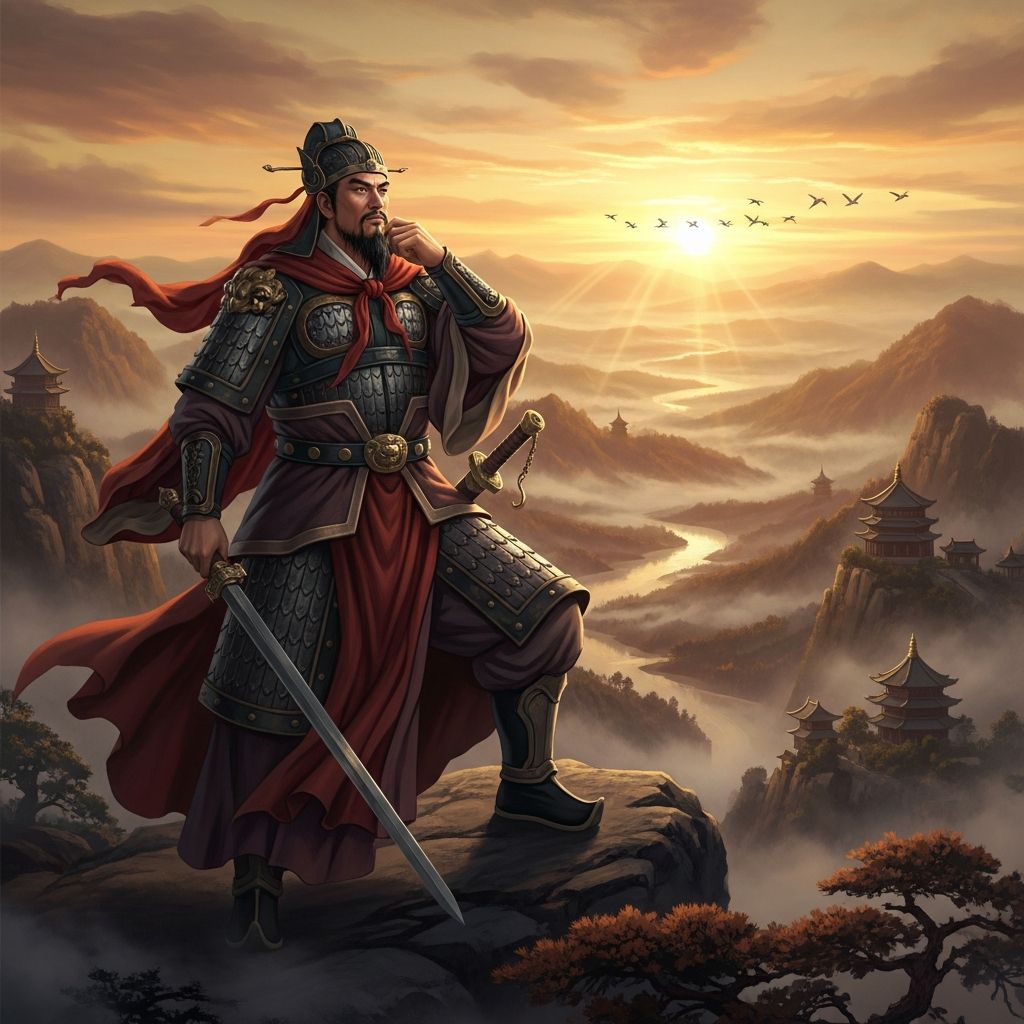
Sun Tzu’s The Art of War, an ancient Chinese military treatise, offers profound insights that extend far beyond battlefields into contemporary leadership. Composed over 2,500 years ago, its principles emphasize strategic foresight, human understanding, and efficient victory, making it a cornerstone for executives, managers, and influencers today. This article delves into key strategies derived from the text, reimagined for today’s dynamic environments like corporate boardrooms, startups, and team dynamics.
Mastering Self-Awareness and Competitive Insight
The foundation of effective leadership lies in profound self-knowledge and a clear understanding of adversaries. Sun Tzu asserts that leaders who comprehend their own capabilities and those of their rivals can navigate any challenge with confidence. In practice, this means conducting thorough assessments of internal strengths, such as team skills and resource allocation, alongside external factors like market competitors’ vulnerabilities.
For instance, modern leaders employ tools like SWOT analysis—Strengths, Weaknesses, Opportunities, Threats—to mirror this wisdom. By identifying personal leadership styles and organizational assets, executives avoid overcommitment in mismatched battles. Knowing competitors’ moves through market research prevents costly surprises, ensuring decisions are data-driven rather than reactive.
Crafting Unassailable Strategies Before Action
Victory, according to Sun Tzu, is secured in the planning phase, not amid execution. Leaders must map out scenarios, allocate resources meticulously, and define clear objectives before engaging. This proactive approach minimizes risks and maximizes efficiency, transforming potential chaos into controlled progress.
In business, this translates to developing comprehensive roadmaps: setting measurable goals, forecasting obstacles, and preparing contingencies. Consider a product launch; anticipating supply chain disruptions or customer feedback loops embodies Sun Tzu’s call to “win first and then go to war.” Such foresight builds resilience, allowing teams to pivot seamlessly.
Embracing Adaptability in Fluid Environments
Rigid plans falter in unpredictable settings; true mastery demands flexibility. Sun Tzu teaches that strategies must evolve with circumstances, urging leaders to observe shifts and adjust tactics accordingly. This adaptability turns crises into opportunities, as seen in his metaphor: “In the midst of chaos, there is also opportunity.”
- Monitor environmental changes, such as market trends or technological advancements.
- Empower teams to improvise within strategic boundaries.
- Test assumptions regularly through feedback mechanisms.
Historical examples, like adapting to weather in ancient battles, parallel today’s agile methodologies in software development, where iterative sprints respond to user data in real-time.
Harnessing Intelligence as the Ultimate Weapon
Information supremacy defines success. Sun Tzu champions gathering intelligence—via scouts or spies—to uncover hidden truths about opponents and terrains. In leadership, this means leveraging data analytics, customer insights, and competitive benchmarking to inform every decision.
Leaders who invest in robust intelligence networks stay ahead, predicting rival strategies and exploiting gaps. For example, using AI-driven tools for sentiment analysis on social media reveals consumer shifts before they impact sales, embodying Sun Tzu’s emphasis on knowledge as power.
Winning Through Deception and Subtlety
Direct confrontation drains resources; indirect methods prevail. Sun Tzu advocates deception—appearing weak when strong—to mislead foes and strike vulnerabilities. This principle encourages misdirection in negotiations or market positioning, conserving energy for decisive moments.
In corporate settings, feigning disinterest in a deal can prompt better offers, or launching decoy products diverts competitor focus. The goal: control the narrative and opponent’s fate without exhaustive battles, preserving morale and assets.
Prioritizing Swift Resolutions Over Prolonged Struggles
Extended conflicts erode vitality; Sun Tzu warns against sieges that deplete supplies and spirits. Leaders should aim for rapid, targeted actions that achieve objectives efficiently, avoiding resource-draining wars of attrition.
Business parallels include streamlining operations to resolve disputes quickly or launching minimum viable products (MVPs) for fast market validation. Quick wins boost momentum, sustain team enthusiasm, and free capital for innovation.
The Pinnacle: Triumph Without Direct Conflict
Supreme excellence lies in subduing resistance sans combat. Sun Tzu prioritizes psychological and diplomatic victories—breaking wills through alliances, negotiations, or superior positioning—over pyrrhic triumphs.
Modern applications shine in mergers where partnerships dissolve opposition, or influencer collaborations that capture market share peacefully. This approach fosters long-term harmony, turning rivals into collaborators.
Leading with Exemplary Integrity and Unity
Great leaders inspire through action, not commands. Sun Tzu views troops as children, deserving care to earn unwavering loyalty. Embodying virtues like courage, discipline, and benevolence unites teams, driving them through adversity.
In workplaces, this manifests as servant leadership: prioritizing employee growth, ethical standards, and shared vision. Leaders who “regard soldiers as children” cultivate cultures where commitment flourishes organically.
| Sun Tzu Principle | Modern Leadership Application | Key Benefit |
|---|---|---|
| Know Yourself and Enemy | SWOT Analysis | Risk Mitigation |
| Adaptability | Agile Methodologies | Opportunity Capture |
| Deception | Strategic Misdirection | Resource Conservation |
| Win Without Fighting | Negotiations & Alliances | Sustainable Success |
| Lead by Example | Servant Leadership | Team Loyalty |
Building Moral Authority and Ethical Foundations
Leadership’s moral core—wisdom, sincerity, and strictness—earns trust. Sun Tzu insists leaders model these traits, fostering environments of respect and alignment. Ethical lapses undermine even the strongest strategies.
Today, this counters toxic cultures; transparent, empathetic leaders who uphold values attract top talent and stakeholder confidence, ensuring enduring legacies.
Anticipating Moves to Maintain Supremacy
Staying ahead requires foresight. Sun Tzu urges predicting enemy actions through pattern recognition and scenario planning. Proactive leaders simulate outcomes, positioning advantageously before conflicts arise.
In tech, this means patenting innovations preemptively or diversifying portfolios against disruptions, securing dominance through anticipation.
Frequently Asked Questions (FAQs)
What are the core principles of Sun Tzu’s The Art of War for leaders?
Sun Tzu’s fundamentals include strategic planning, self and enemy knowledge, adaptability, deception, and efficient conflict resolution, prioritizing intellect over force.
How does Sun Tzu’s wisdom apply to business strategy?
Businesses use it for competitive analysis, agile planning, and negotiation tactics to achieve market wins without exhaustive competition.
Why is ‘winning without fighting’ Sun Tzu’s highest ideal?
It conserves resources, maintains morale, and yields sustainable victories through diplomacy and positioning rather than destruction.
Can Sun Tzu’s principles improve team management?
Yes, by leading with empathy, example, and unity, fostering loyalty and adaptability in teams.
Is The Art of War relevant in non-military contexts today?
Absolutely; it’s widely applied in corporate leadership, sports coaching, and personal development for strategic edge.
Integrating Sun Tzu’s wisdom equips leaders to thrive amid uncertainty. By prioritizing preparation, insight, and harmony, they not only win battles but shape destinies with enduring impact. (Word count: 1678)
References
- Sun Tzu’s ‘Art of War’ Principles for Millennials and Gen Z — Headway. 2023. https://makeheadway.com/blog/art-of-war-principles/
- The Art of Leadership: 7 Lessons from Sun Tzu — Malcolm Drakes. 2023-03-03. https://malcolmdrakes.wordpress.com/2023/03/03/the-art-of-leadership-7-lessons-from-sun-tzu/
- Sun Tzu’s Leadership Principles for Modern Business — QuickStart. 2023. https://www.quickstart.com/blog/business-productivity/want-to-become-a-better-leader-follow-sun-tzu/
- Applying Sun Tzu’s The Art of War to Modern Leadership — Mark Hollingsworth. 2024-09-14. https://markhollingsworth.org/2024/09/14/applying-sun-tzus-the-art-of-war-to-modern-leadership/

- Integrated M.A. in Applied Linguistics, University of Hyderabad
- 5+ years in editorial, instructional, SEO, and research-based writing
Sneha is a relationships and lifestyle writer with a strong foundation in applied linguistics and certified training in relationship coaching. She brings over five years of writing experience to theskillvault, crafting thoughtful, research-driven content that empowers readers to build healthier relationships, boost emotional well-being, and embrace holistic living. Her writing and insights reflect the belief that beauty, happiness, and wellness…