
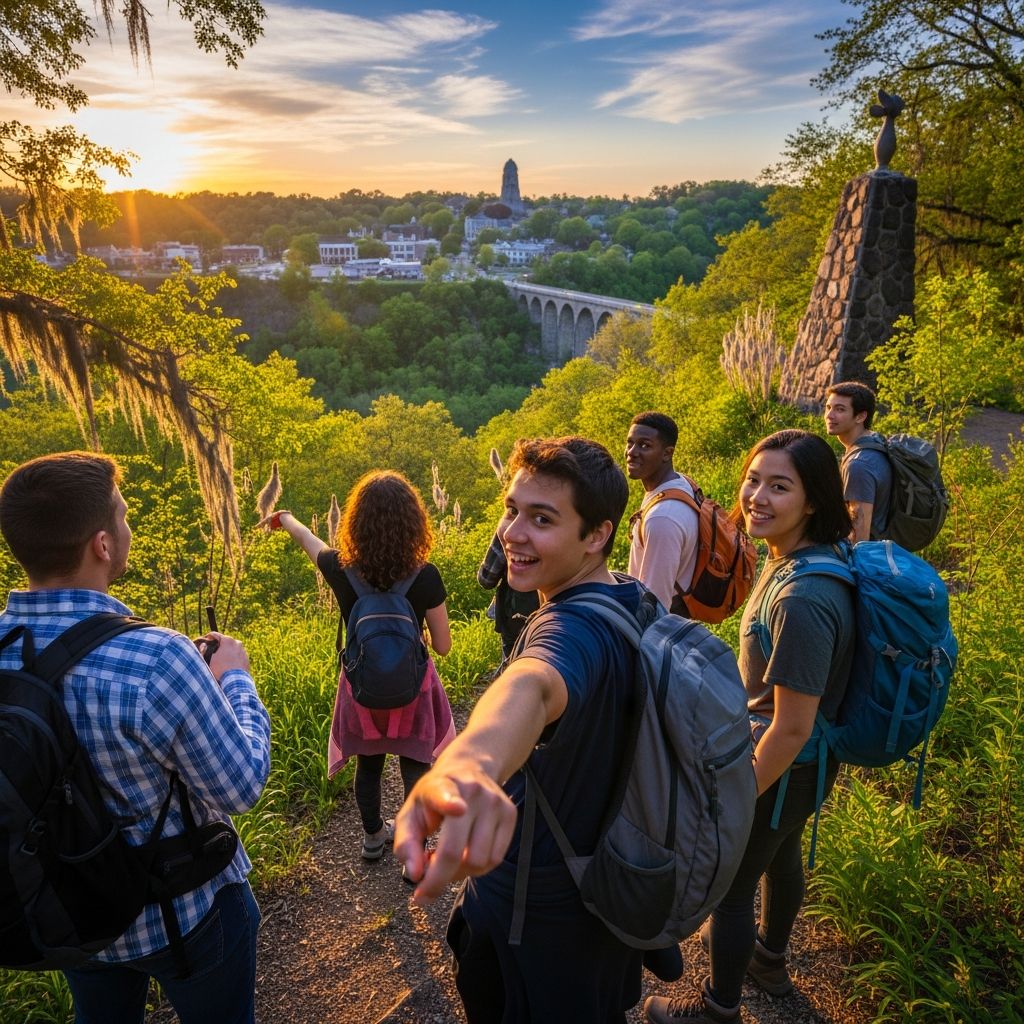
Adventure doesn’t require expensive plane tickets, luxury resorts, or extensive vacation time. The concept of micro-adventures—short, locally-based experiences that break the monotony of daily life—has gained momentum among travelers seeking meaningful experiences without substantial financial investment. These manageable excursions can be completed in a few hours or over a weekend, utilizing resources already at your fingertips and transforming familiar surroundings into exploration opportunities.
Redefining Adventure in Your Own Backyard
The foundation of budget-conscious exploration lies in shifting perspective. Rather than viewing your immediate environment as ordinary, consider it a landscape filled with untapped potential. Proximity becomes your greatest asset, eliminating transportation costs while maximizing spontaneity. Local adventures encourage deeper connection with your surroundings, fostering appreciation for features you might otherwise overlook during your daily routine.
This approach democratizes adventure, making it accessible regardless of income level, fitness ability, or family status. Whether you’re a solo traveler, part of a couple, or managing family commitments, opportunities exist to inject excitement into your lifestyle without significant financial burden.
Outdoor Exploration Without Premium Price Tags
Nature-Based Activities
Your local environment likely contains natural features waiting for exploration. These activities require minimal to no entrance fees and utilize resources you may already own:
- Waterway exploration—swimming in accessible rivers, lakes, or ocean areas
- Thematic hiking routes targeting specific features like historical landmarks, geological formations, or architectural sites
- Night-time activities such as stargazing from dark locations or headlamp-assisted evening walks
- Sunrise or sunset excursions to elevated viewpoints
These pursuits cost primarily your transportation and time. Many communities feature free or low-cost access points to natural spaces. The satisfaction emerges not from expenditure but from intentional observation and physical engagement with your surroundings.
Creative Transportation Adventures
Movement itself becomes the adventure when approached unconventionally. Bike commuting transforms routine travel into daily exploration, particularly when you deliberately choose scenic routes or vary your pathway. Cycling offers excellent value for adventure-seekers, providing cardiovascular benefit alongside discovery.
Another distinctive approach involves boarding public transportation—trains or buses—and deliberately exiting at terminal stations. Packing minimal supplies and walking or cycling back creates structured exploration with low-cost entry. This method forces conscious attention to your surroundings, revealing details typically missed during familiar commutes.
Activities Centered on Resourcefulness and Creativity
Budget adventures often emphasize creativity over spending. Activities that highlight your ingenuity rather than your wallet frequently prove most memorable and satisfying.
Treasure Hunting and Hidden Discovery
Geocaching represents a modern treasure-hunting methodology requiring only a smartphone and free application access. Participants locate concealed containers hidden by a global community, creating structured exploration that reveals lesser-known local areas. This activity suits families, solo explorers, and groups of various ages and abilities.
Alternatively, create personal treasure hunts by researching themed destinations—visiting every castle, historic site, or natural formation within your region. Compile lists, photograph your discoveries, and gradually complete them over weeks or months, transforming exploration into an ongoing project.
DIY Equipment and Building Projects
Adventure preparation itself becomes activity when you craft necessary equipment. Carving walking sticks, constructing simple rafts, or fashioning camping gear engages different skills while reducing overall costs. These projects extend adventure into your home environment and create functional items with personal significance.
For instance, building ground-level structures with collected branches, creating hammock setups from rope, or assembling outdoor cooking equipment through repurposing household items transforms resource limitation into creative challenge.
Budget-Friendly Weekend Escape Strategies
Strategic Overnight Experiences
Weekend getaways need not drain financial resources. Several approaches minimize accommodation costs:
- Backyard camping—utilizing your home property for stargazing and outdoor sleeping
- Public land camping—accessing free or extremely low-cost Bureau of Land Management sites
- Creative accommodations—alternative lodging options offering unique experiences at fraction of hotel costs
- Spontaneous route-based trips—driving scenic routes without predetermined destinations, camping opportunistically
Combining low-cost overnight arrangements with self-prepared meals and free activities creates meaningful two-day experiences for under $200. Sunrise hikes before departure, swimming in natural water sources, and picnic meals substantially reduce expenses while providing superior experiences compared to conventional tourism.
Community-Based and Seasonal Adventures
Visiting local farmers’ markets, seasonal festivals, and community events provides cultural engagement with minimal cost. These venues connect you with local producers and artisans while offering exploration opportunities within your immediate area. Such activities support your community while keeping expenses minimal.
Family-Oriented Budget Adventures
Creating memorable experiences for families on limited budgets requires creativity but remains entirely feasible. Several approaches maximize enjoyment while minimizing expenditure.
Home-Based Creative Experiences
Weather-dependent outdoor activities require backup entertainment. Interior adventures utilizing existing household resources prove equally engaging:
- Indoor fort construction—creating cozy spaces with cushions, blankets, and lighting for games and stories
- Movie nights in backyard settings with improvised seating and homemade refreshments
- Craft projects and board games within newly created living spaces
These activities cost nothing beyond existing possessions and frequently prove more entertaining than expensive entertainment options.
Outdoor Family Pursuits
Cycling excursions combined with packed picnics suit families of varying abilities. Routes through quiet lanes and local trails accommodate beginner riders while providing exercise and nature exposure. Tree climbing and den-building in parks engage children’s exploratory instincts while developing physical confidence and environmental connection.
Photography-based adventures work for all ages—taking walks with assigned photographic themes (specific wildflower species, geometric shapes in nature, wildlife sightings) creates focused exploration while generating lasting visual records.
Specialized Budget Adventure Categories
Geological and Hobby-Based Exploration
Rock hunting, fossil seeking, and mineral prospecting provide structured outdoor activities with minimal entry costs. Many locations charge nothing for recreational rock-hounding, requiring only basic equipment—a shovel, bucket, and sieve. Researching local geological features and visiting appropriate sites creates educational experiences combining learning with outdoor activity.
Documentation-Focused Adventures
Photojournal projects transform walks into structured adventures. Setting specific photographic goals—capturing five heart-shaped rocks, documenting seven different wildflower species, or photographing architectural details—focuses attention and creates rewarding results requiring only smartphone access.
Sharing documented discoveries on social platforms extends enjoyment and connects you with similar-minded explorers, creating community around your local environment.
Planning Your First Micro-Adventure
Getting Started
Begin by identifying nearby natural or historical features you’ve never explored despite proximity. Research public access points, free parking locations, and safe routes. Pack minimal provisions—water, light snacks, basic first aid—and establish reasonable time parameters matching your schedule and fitness level.
Essential Preparation
Successful budget adventures involve minimal but thoughtful preparation. Checking weather forecasts, informing someone of your location, carrying charged phones, and wearing appropriate clothing prevent most common issues. Researching specific locations beforehand prevents wasted time, though intentional spontaneity—pointing at maps with eyes closed and traveling to random coordinates—creates legitimate adventure experiences.
Frequency and Progression
Establishing regular adventure habits—weekly local exploration, monthly nearby getaways—builds routine that sustains the practice. As comfort increases, expand scope gradually. Short evening walks evolve into overnight camping trips; nearby hikes progress to multi-day excursions requiring more planning and resources.
Overcoming Common Obstacles
Physical limitations need not prevent participation. Activities scale to ability levels—slow walks replace vigorous hikes, waterside rest areas replace elevation gains, automotive transportation replaces cycling. Many adventures accommodate multiple fitness levels simultaneously, allowing diverse groups to participate meaningfully.
Bad weather requires minimal adjustment. Rainy days suit indoor fort-building and covered market exploration. Winter conditions enable night hikes with equipment-provided illumination. Seasonal variation creates different experiences rather than preventing adventure.
Limited schedules integrate well with micro-adventure philosophy. One-hour sunrise hikes, afternoon picnic trips, or evening neighborhood explorations require no extended vacation time. Consistency matters more than duration—regular small adventures create greater cumulative impact than occasional expensive trips.
The Broader Impact of Budget-Conscious Adventure
Cultivating adventure habits on limited budgets develops resourcefulness extending beyond recreation. Problem-solving approaches, creative thinking, and appreciation for simple experiences translate into broader life satisfaction. Environmental awareness deepens through repeated local interaction, potentially motivating conservation engagement and community involvement.
Additionally, this approach democratizes travel and adventure culture. Adventure becomes identity-accessible regardless of economic status, challenging perception that meaningful experiences require substantial financial investment. Communities benefit from increased local engagement, reduced tourism pressure on distant resources, and strengthened local economic circulation.
Frequently Asked Questions
Q: What’s the minimum cost for a micro-adventure?
A: Technically zero—walking from your home to explore nearby parks or streets requires no expenditure. Adding minimal amenities (water, snacks) costs only a few dollars. Even weekend overnight camping on public lands typically costs under $50.
Q: Do I need special equipment or fitness levels?
A: No. Adventures scale to existing abilities and resources. Equipment can be homemade or borrowed. Physical limitations simply adjust activity types; meaningful exploration remains possible at any capability level.
Q: How do I convince family members to participate?
A: Involve them in planning, emphasize aspects matching individual interests, and keep initial experiences short and low-pressure. Home-based activities often generate natural enthusiasm, building confidence for outdoor ventures.
Q: Are there year-round adventure options?
A: Absolutely. Each season offers distinct experiences—spring wildflowers, summer swimming, autumn leaves, winter stargazing. Weather variations require different activities but don’t prevent adventure.
Q: How does this differ from regular outdoor recreation?
A: Micro-adventures emphasize intentionality, novelty, and independence—deliberate exploration of familiar territory rather than routine recreation. The mindset transforms ordinary activities into novel experiences.
References
- Micro-adventure ideas for activities on your doorstep — Viel Unterwegs. Accessed January 19, 2026. https://viel-unterwegs.de/en/micro-adventure-ideas/
- Our Favorite Quick-and-Cheap Adventures — Outside Online. Accessed January 19, 2026. https://www.outsideonline.com/adventure-travel/advice/our-favorite-quick-and-cheap-adventures/
- 13 Family Adventure Ideas On A Small Budget — Clara and Macy. Accessed January 19, 2026. https://claraandmacy.com/blogs/news/13-family-adventure-ideas-on-a-small-budget
- 37 Ideas for an Epic Mini Adventure Or Microadventure — Mama Bear Outdoors. Accessed January 19, 2026. https://mamabearoutdoors.com/2021/01/25/33-ideas-for-an-epic-mini-adventure-or-microadventure/
- Everyday microadventures to inspire living with intention — Travel Bug Tonic. Accessed January 19, 2026. https://www.travelbugtonic.com/travel-blog/microadventure-ideas

Medha Deb is an editor with a master's degree in Applied Linguistics from the University of Hyderabad. She believes that her qualification has helped her develop a deep understanding of language and its application in various contexts. Medha specializes in the areas of beauty, health, sports, and wellness and is committed to ensuring that the content on the website is…