
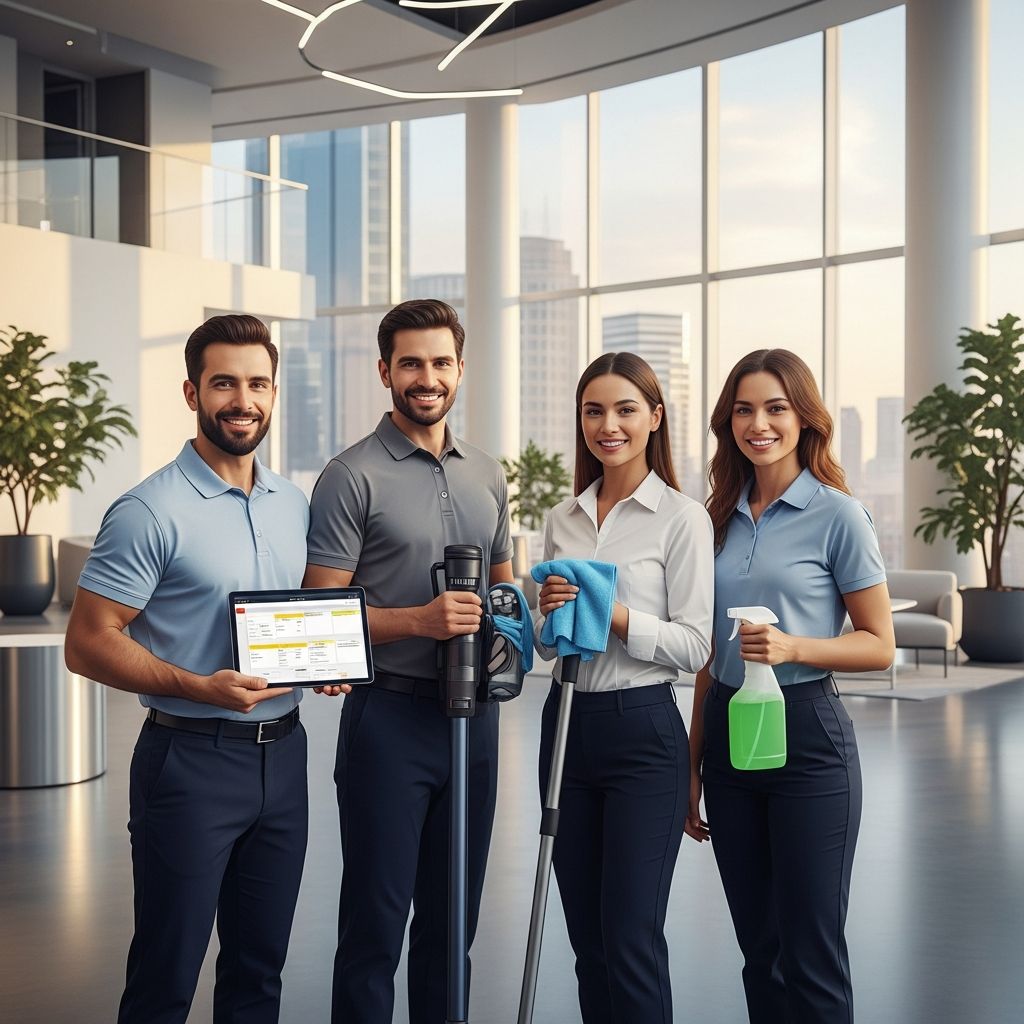
The cleaning industry stands as a cornerstone of modern economies, supporting health, safety, and operational efficiency across residential, commercial, and industrial sectors. With over 1.2 million cleaning businesses and more than 3 million employees in the US alone, this field offers stable employment amid labor shortages and technological evolution. As we enter 2026, innovations like AI, robotics, and sustainable practices are creating diverse career paths that blend manual expertise with digital savvy.
Why Pursue a Career in Cleaning Today
Cleaning jobs provide immediate entry points with low barriers, yet they evolve into specialized, well-compensated roles. The sector’s growth is fueled by post-pandemic hygiene priorities, hybrid work models, and sustainability demands. Floor care services alone captured nearly 31% of the market in 2024, underscoring demand for skilled professionals. Typical entry-level pay for janitors reached $17.27 per hour ($35,930 annually) in 2024, with premiums for specialized work.
Careers here appeal to those valuing flexibility, physical activity, and tangible impact. Unlike desk-bound roles, cleaning positions often allow varied schedules, including part-time or on-demand gigs, accommodating students, parents, or second-career seekers.
Core Types of Cleaning Positions
Cleaning encompasses broad categories, each with unique responsibilities and growth potential. Here’s an overview:
- Residential Cleaners: Handle homes and apartments, focusing on dusting, vacuuming, and kitchen/bathroom sanitization. Flexible scheduling suits independent contractors.
- Commercial Janitors: Maintain offices, retail spaces, and schools with tasks like trash removal, floor polishing, and restroom upkeep. Day porters provide daytime spot-cleaning in high-traffic areas.
- Industrial Hygienists: Tackle factories and warehouses, using heavy-duty equipment for grease removal and hazard mitigation.
- Healthcare Sanitizers: Ensure sterile environments in hospitals via high-frequency disinfection and air quality management.
- Specialty Cleaners: Experts in post-construction cleanup, carpet restoration, or window washing for high-rises.
Commercial services held 27.51% market share in 2024, followed by hospitality and healthcare, signaling robust hiring.
Essential Skills and Qualifications
Success demands a mix of physical stamina, attention to detail, and adaptability. Key competencies include:
- Reliable time management for shift-based work.
- Knowledge of eco-friendly products and techniques, as sustainability surges.
- Basic equipment operation, from vacuums to robotic scrubbers.
- Customer service for client-facing roles like day porters.
No formal degree is typically required; high school equivalency suffices for most entry points. Certifications like those from ISSA enhance prospects, covering green cleaning or bloodborne pathogen safety. Digital literacy is increasingly vital for apps tracking tasks and IoT-monitored schedules.
| Skill Level | Examples | Career Fit |
|---|---|---|
| Entry | Basic sweeping, mopping | Janitor, Housekeeper |
| Intermediate | Disinfection protocols, floor care | Commercial Cleaner, Day Porter |
| Advanced | Robotics operation, IAQ management | Hygiene Specialist, Supervisor |
Salary Expectations and Benefits
Earnings vary by location, experience, and specialization. Entry-level janitors average $35,930 yearly, with supervisors earning 20-50% more. Urban areas and healthcare settings offer premiums due to demand.
- Hourly Rates: $15-25 for standard roles; $25+ for nights/weekends.
- Bonuses: Performance incentives in contract firms.
- Perks: Health insurance, paid training, and flexible hours in larger operations.
Gender dynamics show 69.2% male janitors and 86.7% female housekeepers, reflecting role segmentation. Upskilling via digital platforms boosts retention and pay amid shortages.
Navigating the Job Market: Finding Opportunities
Job boards, staffing agencies, and direct facility applications are prime channels. Highlight reliability and tech familiarity in resumes. Networking through industry events or apps like Connecteam connects to gigs.
For advancement, pursue supervisory roles by demonstrating leadership in hybrid schedules—night crews for deep cleans paired with day porters. On-demand apps expand freelance options, mirroring residential models.
Future-Proofing Your Cleaning Career
By 2026, 80% of large firms will use digital platforms for audits and accountability. Embrace these shifts:
- Tech Integration: IoT sensors optimize schedules based on occupancy.
- Automation Allies: Robots handle floors, freeing humans for detailing; market to hit $21.01B by 2030.
- Sustainability Focus: Plant-based chemicals and water-efficient systems meet client ESG goals.
- Health Emphasis: Specialty disinfection and air quality services boom post-COVID.
- Workforce Strategies: Cross-training combats shortages; DEI metrics attract contracts.
Hybrid models adapt to irregular office use, prioritizing visible cleanliness. Digital training via mobile apps ensures quick upskilling.
Challenges and How to Overcome Them
Labor shortages persist, raising costs, but tech and training mitigate this. Physical demands require ergonomics; automation reduces strain. Clients demand measurable results—leverage QA apps for proof.
Build resilience through continuous learning. Platforms like Facility360 provide real-time feedback, positioning you for promotions.
Frequently Asked Questions (FAQs)
What are the best entry-level cleaning jobs?
Janitorial and housekeeping roles offer quick starts with on-the-job training and hourly pay around $17.
Do I need certifications for cleaning careers?
Not always, but ISSA or green cleaning certs boost employability and pay.
How is technology changing cleaning jobs?
Robots, AI scheduling, and IoT make work efficient, creating tech-savvy roles.
What salaries can I expect in 2026?
$35,000+ for entry-level, higher for specialties amid growing demand.
Are there advancement opportunities?
Yes, from cleaner to supervisor via training and performance.
Is the cleaning industry growing?
Strongly, with 3M+ US workers and tech-driven expansion.
References
- The Most Exciting Trends in the Cleaning Industry Heading into 2026 — Marks Cleaning Service. 2025. https://www.markscleaning.com/facilityfocused/the-most-exciting-trends-in-the-cleaning-industry-heading-into-2026
- 8 Top Cleaning Industry Trends for Business Owners — Connecteam. 2025. https://connecteam.com/e-top-cleaning-industry-trends/
- 2026 Cleaning & Facility Management Trends Businesses Should Prepare For — DBS Building Solutions. 2025. https://dbsbuildingsolutions.com/2026-cleaning-facility-management-trends-every-business-should-prepare-for-in-2026/
- Commercial Cleaning Trends For 2026 — CleanNet USA. 2025. https://www.cleannetusa.com/commercial-cleaning-trends-2026/
- 2026 Cleaning Labour Outlook — R.E.M. Network. 2025. https://www.reminetwork.com/articles/a-2026-cleaning-labour-outlook/

- Integrated M.A. in Applied Linguistics, University of Hyderabad
- 5+ years in editorial, instructional, SEO, and research-based writing
Sneha is a relationships and lifestyle writer with a strong foundation in applied linguistics and certified training in relationship coaching. She brings over five years of writing experience to theskillvault, crafting thoughtful, research-driven content that empowers readers to build healthier relationships, boost emotional well-being, and embrace holistic living. Her writing and insights reflect the belief that beauty, happiness, and wellness…