
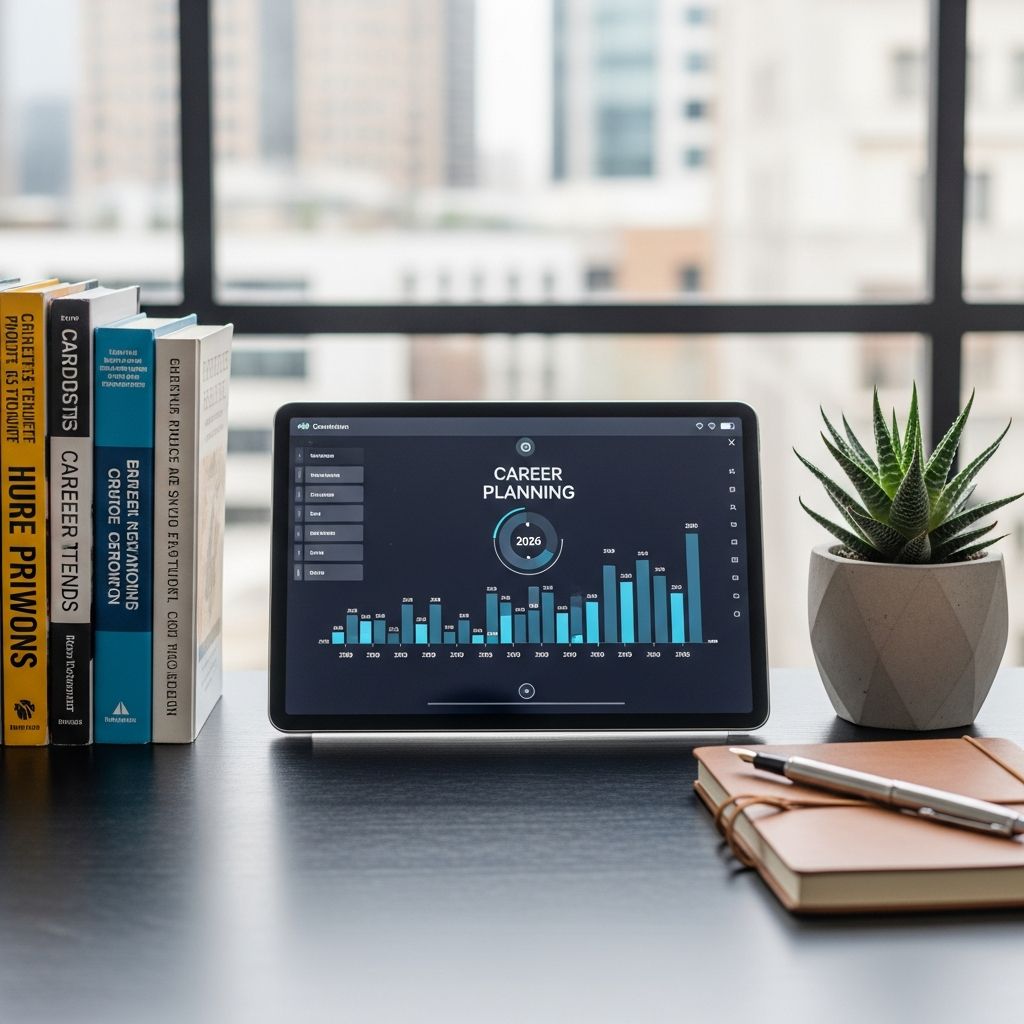
In today’s fast-evolving job market, proactive career planning is essential for achieving professional fulfillment and stability. With technological advancements, shifting employer priorities, and frequent career pivots, individuals must strategically map their paths to thrive. This guide provides a roadmap to build a resilient career framework, drawing on current trends and practical steps to align personal aspirations with market demands.
Understanding the Shifting Landscape of Careers
The professional world in 2026 emphasizes skills over traditional credentials, internal mobility, and personalized growth. Employers prioritize candidates who demonstrate adaptability, while workers seek roles offering purpose, flexibility, and well-being. Recognizing these dynamics allows you to position yourself advantageously, turning potential challenges into opportunities for advancement.
Step 1: Conduct a Thorough Self-Assessment
Begin your career journey with introspection. Evaluate your strengths, weaknesses, interests, and values to create a foundation for informed decisions. This process reveals what motivates you and where gaps exist between your current state and desired future.
- Identify core strengths: List technical skills, soft skills like communication, and unique experiences that set you apart.
- Assess interests and values: Reflect on roles that align with your passions, such as creative work or leadership, and environments supporting work-life balance.
- Review past experiences: Analyze achievements and setbacks to uncover patterns guiding future choices.
Tools like skills inventories or assessments help quantify these insights, preparing you for targeted development.
Step 2: Explore Emerging Opportunities
Once self-aware, research viable paths. The 2026 market favors non-linear careers, with AI-driven roles, green jobs, and hybrid positions proliferating. Explore internal options within your organization alongside external prospects to build a diversified plan.
- Research industry trends: Investigate high-demand sectors like tech, healthcare, and sustainability.
- Map internal pathways: Review company career lattices for promotions, lateral moves, or project rotations.
- Network strategically: Connect with professionals via LinkedIn or events to gain real-world insights.
This exploration ensures your ambitions match realistic opportunities, mitigating risks of mismatched pursuits.
Step 3: Set SMART Career Goals
Transform vague ambitions into actionable objectives using the SMART framework: Specific, Measurable, Achievable, Relevant, Time-bound. This approach fosters focus and trackability.
| Goal Type | Example | Timeline |
|---|---|---|
| Short-term (3-6 months) | Complete an online course in data analysis | Q1 2026 |
| Medium-term (1 year) | Secure a promotion to team lead | End of 2026 |
| Long-term (3-5 years) | Transition to senior management | 2029 |
Short-term wins build momentum, while long-term visions provide direction. Regularly revisit goals to adapt to changes.
Step 4: Build Essential Skills for the Future
Skills are the currency of 2026 employability. Prioritize upskilling in AI literacy, emotional intelligence, and digital tools through microlearning and credentials. Employers value demonstrated competencies via portfolios over degrees.
- Embrace micro-credentials: Short modules for quick skill acquisition in areas like cybersecurity or project management.
- Pursue mentorship: Pair with experienced colleagues for personalized guidance.
- Leverage experiential learning: Volunteer for cross-functional projects to apply knowledge practically.
Personalized plans, informed by labor market data, ensure relevance.
Step 5: Develop a Comprehensive Action Plan
An action plan operationalizes your goals. Break them into tasks with deadlines, resources, and milestones for accountability.
- Outline tasks: Detail steps like enrolling in training or updating your resume.
- Allocate resources: Budget time and money for courses or certifications.
- Schedule check-ins: Monthly reviews to measure progress and pivot as needed.
- Seek support: Involve managers or coaches for feedback.
This structured method sustains motivation and drives results.
Navigating Internal Mobility and Organizational Growth
Companies increasingly promote from within to retain talent. Understand your employer’s progression models, engage in performance discussions, and pursue reskilling programs. Advisors and HR play key roles in facilitating these moves, emphasizing lateral growth for broader expertise.
Integrating Personal Well-Being into Career Strategy
Career success hinges on balance. Prioritize roles offering psychological safety, flexible hours, and growth aligned with life stages. Build resilience through motivational techniques and self-efficacy practices to handle transitions confidently.
Leveraging Technology and AI in Planning
AI tools analyze skills gaps, recommend paths, and simulate outcomes. Use platforms for personalized advising, but pair with human insight for holistic guidance. This hybrid approach maximizes efficiency in a skills-first era.
Overcoming Common Obstacles
Challenges like burnout or market shifts are inevitable. Counter them by maintaining flexibility, building support networks, and celebrating progress. Adaptability distinguishes thriving professionals.
FAQs
What are the first steps in career planning?
Start with self-assessment to identify strengths and goals, followed by exploration of opportunities.
How has career planning changed in 2026?
Emphasis on skills, personalization, internal mobility, and microlearning reflects AI and flexible work trends.
Why set both short- and long-term goals?
Short-term goals provide quick wins and momentum toward sustainable long-term achievements.
How can I upskill effectively?
Opt for micro-credentials, mentorship, and hands-on projects tailored to employer needs.
What role does networking play?
It uncovers hidden opportunities and provides insights into real career trajectories.
References
- The 2026 Guide to Career Pathing Implementation & Steps — TalentGuard. 2026. https://www.talentguard.com/blog/four-steps-to-successfully-implement-career-pathing-infographic
- 10 Trends in Career Advising and Development for 2026 — ICAD Learn. 2026. https://www.icadlearn.com/post/10-trends-in-career-advising-and-development-for-2026
- From Resolution to Reality: A Career Goal Action Plan for 2026 — Southern Nazarene University. 2026. https://www.snu.edu/blog/from-resolution-to-reality-a-career-goal-action-plan-for-2026
- Key Steps for Career Planning and Development 2026 — Nexford University. 2026. https://www.nexford.edu/insights/key-steps-for-career-planning-and-development
- Short and Long Term 2026 Career Goals — Staffing Network. 2026. https://staffingnetwork.com/short-and-long-term-2026-career-goals/

- Integrated M.A. in Applied Linguistics, University of Hyderabad
- 5+ years in editorial, instructional, SEO, and research-based writing
Sneha is a relationships and lifestyle writer with a strong foundation in applied linguistics and certified training in relationship coaching. She brings over five years of writing experience to theskillvault, crafting thoughtful, research-driven content that empowers readers to build healthier relationships, boost emotional well-being, and embrace holistic living. Her writing and insights reflect the belief that beauty, happiness, and wellness…