
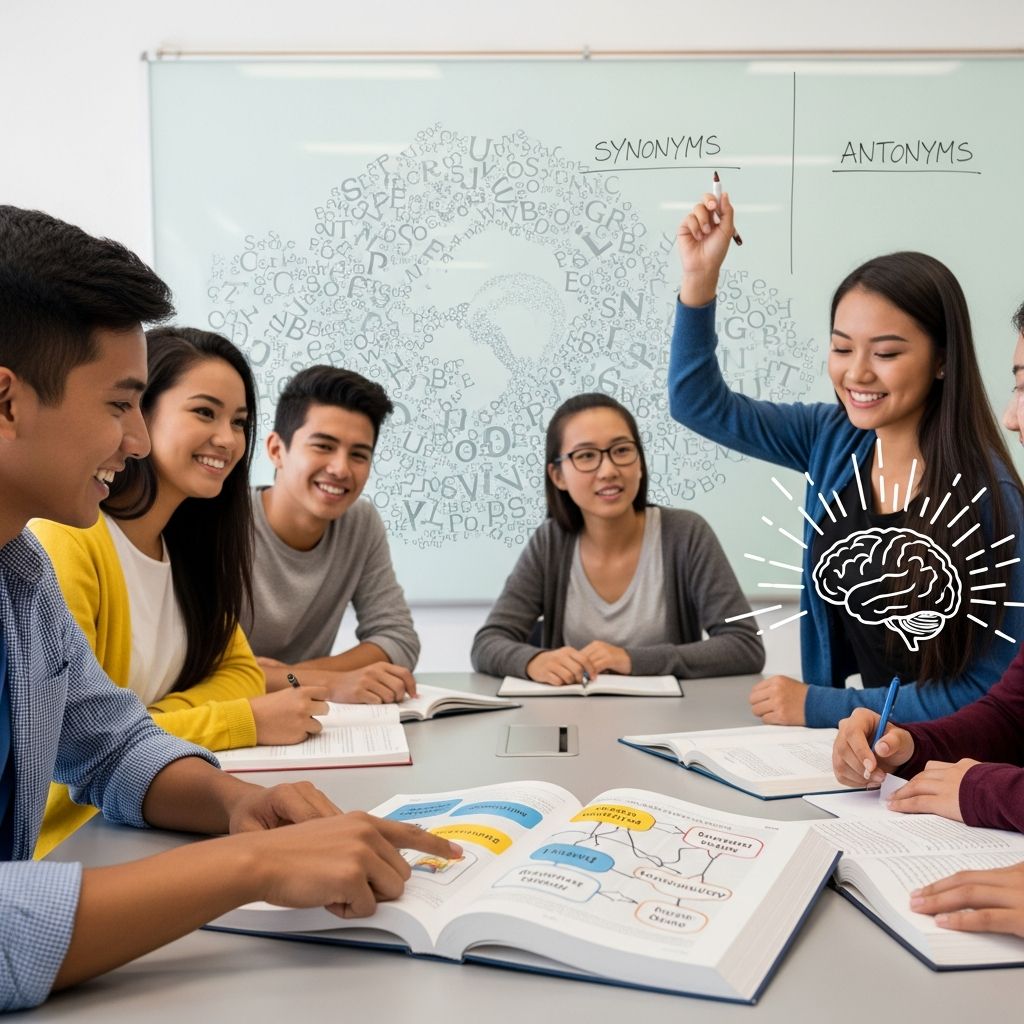
Verbal-linguistic intelligence represents a core cognitive strength that enables individuals to excel in using language to express ideas, persuade others, and comprehend complex information. Students with strong verbal skills often demonstrate exceptional abilities in reading, writing, storytelling, and debate, which serve as foundations for academic achievement and personal growth.Developing this intelligence early fosters clearer thinking, better relationships, and adaptability in diverse environments.
The Foundations of Verbal-Linguistic Intelligence
At its essence, verbal-linguistic intelligence involves sensitivity to the nuances of words, including their sounds, meanings, rhythms, and structures. This form of intelligence, first highlighted in Howard Gardner’s theory of multiple intelligences, goes beyond basic communication—it equips learners to organize thoughts logically, craft compelling narratives, and interpret subtle meanings in texts or speeches.
Children exhibiting high verbal intelligence typically show traits like rapid vocabulary acquisition, enjoyment of wordplay, and proficiency in recalling quotes or lyrics. These abilities stem from enhanced neural pathways in language-processing brain regions, promoting neuroplasticity that supports quick adaptation to new linguistic challenges. Research underscores that early mastery of language components—such as syntax, semantics, and phonetics—predicts stronger cognitive outcomes across subjects.
Key Benefits for Student Success
Cultivating verbal-linguistic skills yields multifaceted advantages that ripple through education and beyond. Here’s how it transforms learning:
- Enhanced Cognitive Organization: Language acts as a tool for structuring thoughts, helping students categorize ideas and solve problems methodically.
- Superior Expression and Persuasion: Proficient speakers and writers articulate arguments convincingly, essential for essays, presentations, and negotiations.
- Boosted Memory and Retention: Verbal repetition and storytelling reinforce memory via dual coding, pairing words with concepts for deeper encoding.
- Improved Social Connections: Clear communication builds networks, empathy, and confidence in group settings.
- Foundation for Other Intelligences: Linguistic prowess supports interpersonal, logical, and creative skills by providing the vocabulary to explore them.
Studies link early language richness to long-term academic gains, with verbally adept children outperforming peers in reading comprehension and critical analysis. In professional realms, these skills underpin careers in law, journalism, teaching, and leadership.
Age-Appropriate Strategies to Nurture Verbal Skills
Tailoring activities to developmental stages ensures progressive skill-building. Below is a table outlining effective methods by grade level:
| Grade Level | Recommended Activities | Expected Outcomes |
|---|---|---|
| Kindergarten – Grade 2 | Storytelling circles, rhyming games, simple word hunts | Vocabulary expansion, phonemic awareness, joy in language |
| Grades 3-5 | Journal writing, book discussions, basic debates | Organized expression, comprehension, introductory persuasion |
| Grades 6-8 | Essay contests, mock trials, poetry slams | Advanced argumentation, public speaking confidence, analytical depth |
These approaches align with Vygotsky’s social development theory, emphasizing collaborative verbal exchanges for cognitive refinement.
Practical Classroom and Home Activities
For Young Learners (Ages 5-8)
Introduce fun, interactive exercises to spark interest:
- Daily read-aloud sessions with expressive narration to model intonation and emotion.
- Word invention games where kids create silly terms and define them collaboratively.
- Puppet shows for practicing dialogue and character voices.
Such activities build foundational phonics and syntax while encouraging creativity.
For Middle Elementary (Ages 9-11)
Shift toward structured output:
- Weekly book clubs with summary presentations.
- Crossword puzzles and anagram challenges to sharpen vocabulary.
- Personal narrative writing prompts tied to real-life events.
These foster retention through active recall and pattern recognition.
For Upper Elementary and Middle School (Ages 12+)
Emphasize application and critique:
- Structured debates on current events to hone logic and rebuttals.
- Blogging or vlogging about science experiments, blending words with visuals.
- Public speaking clubs like Toastmasters for juniors.
Debating refines listening and adaptability, key for interpersonal growth.
Integrating Verbal Intelligence with Other Strengths
While verbal skills shine brightest in language arts, combining them with other intelligences amplifies learning. For instance:
- Pair poetry with drawing (visual-spatial) for multisensory poetry.
- Explain math concepts aloud (logical-mathematical) to solidify understanding.
- Role-play historical events (bodily-kinesthetic) through scripted skits.
This holistic method, rooted in multiple intelligences theory, ensures balanced development. Dual coding theory further supports pairing verbal explanations with diagrams for optimal memory.
Overcoming Challenges in Verbal Development
Not all students start with strong verbal aptitude, but targeted interventions help. Shy learners benefit from low-pressure starts like paired discussions before full-group shares. Technology aids too—apps for vocabulary building or AI chatbots for practice conversations. Parents can reinforce at home via dinner table debates or family story chains.
Teachers should track progress with rubrics assessing clarity, vocabulary diversity, and coherence. Consistent feedback, per social learning principles, accelerates improvement.
Long-Term Impacts on Career and Life
Students honing verbal intelligence gain lifelong edges. They navigate interviews adeptly, lead teams persuasively, and adapt to global contexts via language learning. Professions valuing this trait abound: attorneys craft cases verbally, marketers persuade audiences, educators inspire classes. Even STEM fields demand grant writing and patient explanations.
Moreover, strong communicators report higher self-efficacy and social satisfaction, reducing isolation risks. In our interconnected world, verbal fluency bridges cultural divides and fuels innovation.
Frequently Asked Questions (FAQs)
What is verbal-linguistic intelligence?
It refers to the capacity to use language effectively for communication, comprehension, and expression, encompassing speaking, writing, reading, and listening.
How can parents identify it in their child?
Look for avid reading, storytelling enthusiasm, wordplay affinity, and ease with foreign phrases.
Are there downsides to overemphasizing verbal skills?
Balance is key; neglecting other intelligences like spatial or kinesthetic may limit holistic growth.
Can verbal intelligence be taught to all students?
Yes, through consistent practice and engaging activities, anyone can improve linguistic proficiency.
What role does technology play?
Tools like language apps, podcasts, and virtual debates provide scalable practice opportunities.
References
- Verbal – Linguistic Learning – LearnButWhy.com — LearnButWhy. 2023. https://www.learnbutwhy.com/guide/verbal-learning
- Linguistic Intelligence And Its Importance In A Student’s Life — Teacher Tribe. 2022-10-15. https://www.teachertribe.world/post/linguistic-intelligence-and-its-importance-in-a-student-s-life
- 3 innovative ideas to develop your students’ Linguistic Intelligence — Additio App. 2023. https://additioapp.com/en/3-innovative-ideas-to-develop-your-students-linguistic-intelligence/
- The Importance of Verbal-Linguistic Intelligence for Our Children — Steemit Education. 2017-10-15. https://steemit.com/steemiteducation/@redrose/the-importance-of-verbal-linguistic-intelligence-for-our-children-20171015t234656387z
- Understanding Verbal-Linguistic Intelligence in Students — Connections Academy. 2024. https://www.connectionsacademy.com/support/resources/article/word-smarts-why-students-need-verbal-linguistic-intelligence-and-more/

Medha Deb is an editor with a master's degree in Applied Linguistics from the University of Hyderabad. She believes that her qualification has helped her develop a deep understanding of language and its application in various contexts. Medha specializes in the areas of beauty, health, sports, and wellness and is committed to ensuring that the content on the website is…