
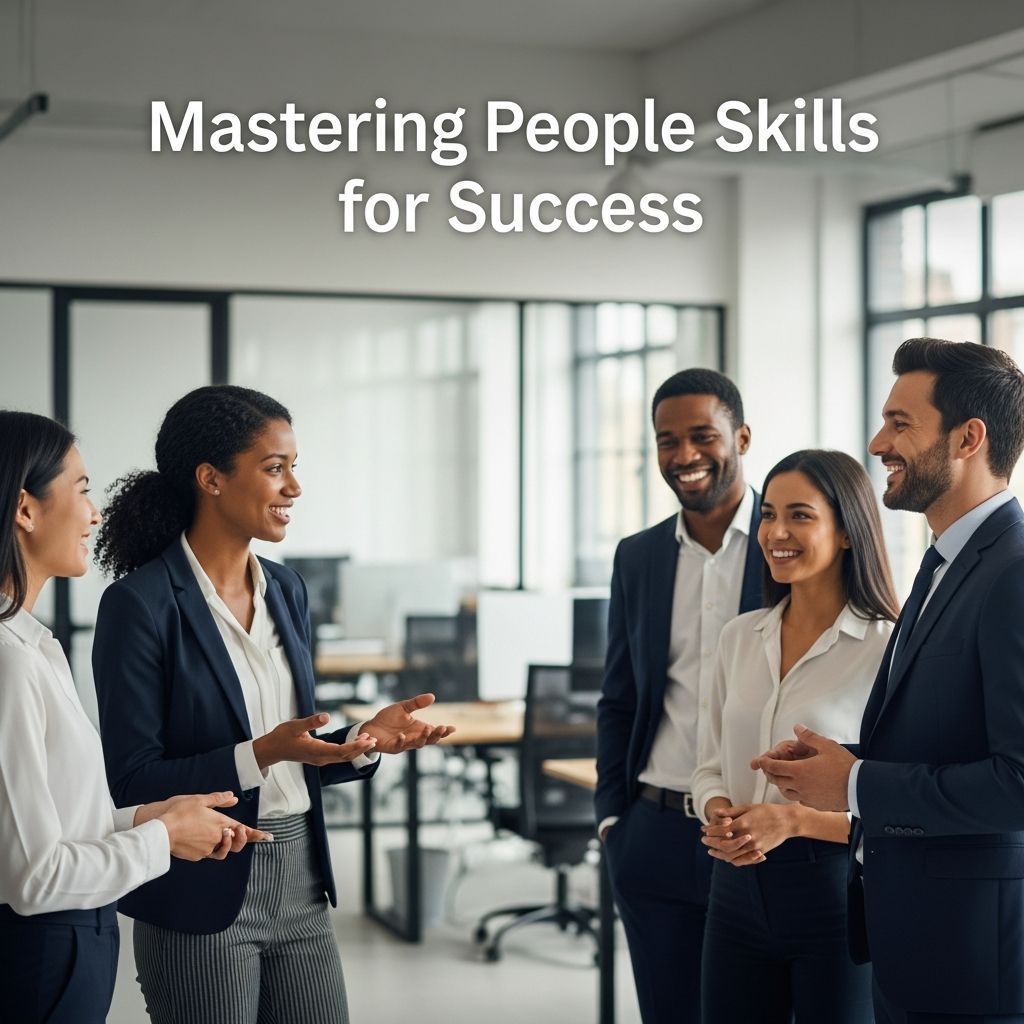
People skills, often called interpersonal or soft skills, form the foundation of meaningful interactions in professional and personal settings. These abilities enable individuals to connect, collaborate, and lead effectively, driving success in teams and organizations.
Why People Skills Matter Today
In today’s interconnected world, technical expertise alone is insufficient; strong interpersonal abilities distinguish top performers. Research shows that organizations prioritizing soft skills development see improved team performance and innovation. Employees with robust people skills navigate challenges, foster trust, and adapt to change more readily.
These skills enhance not just workplace dynamics but also personal relationships and lifelong learning. For instance, effective communicators build rapport quickly, leading to better opportunities and satisfaction.
Core Components of Strong People Skills
Developing people skills involves focusing on key areas that underpin human interaction. Here’s a breakdown:
- Communication: The ability to convey ideas clearly and listen attentively stands as a cornerstone.
- Empathy: Understanding others’ emotions promotes deeper connections.
- Teamwork: Collaborating seamlessly contributes to collective goals.
- Adaptability: Adjusting to diverse situations ensures resilience.
- Problem-Solving: Addressing conflicts constructively resolves issues efficiently.
Assessing Your Current Skill Level
Begin by evaluating your strengths and gaps. Use self-reflection tools, feedback from peers, or formal assessments to pinpoint areas for improvement. Regular performance reviews reveal patterns in interactions, such as frequent misunderstandings signaling communication needs.
Create a personal inventory: Rate yourself on a scale of 1-10 for each core skill. Seek input from colleagues via anonymous surveys for objective insights. This baseline guides targeted development.
Practical Strategies to Build Communication Prowess
Clear communication prevents errors and builds alliances. Practice these techniques daily:
- Be concise: Eliminate jargon and focus on key messages.
- Prepare: Outline thoughts before discussions to stay on track.
- Observe nonverbals: Body language often conveys more than words.
- Active listening: Paraphrase others’ points to confirm understanding.
Incorporate role-playing scenarios, like handling client complaints, to refine responses in safe settings.
Cultivating Empathy and Emotional Intelligence
Empathy involves recognizing and responding to emotions appropriately. Develop it through:
- Mindful observation: Note facial expressions and tones during conversations.
- Perspective-taking: Imagine situations from others’ viewpoints.
- Feedback loops: Ask, “How did that make you feel?” to validate emotions.
Emotional intelligence training, via workshops or apps, heightens self-awareness and regulation, crucial for leadership.
Fostering Teamwork and Collaboration
Effective teams rely on mutual respect and shared purpose. Enhance teamwork by:
- Participating in cross-functional projects to understand diverse roles.
- Sharing credit: Acknowledge contributions publicly.
- Resolving disputes: Use ‘I’ statements to express concerns without blame.
Organizations benefit from structured programs like job rotations, exposing individuals to varied perspectives.
Leadership Through People Skills
Leaders excel by inspiring and guiding others. Key practices include:
Decision-Making: Involve team input for buy-in.
Motivation: Tailor recognition to individual preferences.
Programs targeting leadership competencies, such as communication and delegation, prepare emerging managers.
Innovative Training Methods for Skill Enhancement
Traditional lectures fall short; engage learners with dynamic approaches:
- Role-Playing: Simulate real scenarios for hands-on practice.
- Gamification: Use points and challenges to motivate.
- Storytelling: Relate lessons through narratives for retention.
- Microlearning: Deliver bite-sized content for busy schedules.
Compare methods in this table:
| Method | Best For | Pros | Cons |
|---|---|---|---|
| Role-Playing | Conflict Resolution | Immediate Feedback | Requires Safe Space |
| Gamification | Engagement | Fun, Competitive | May Distract from Goals |
| Online Courses | Flexibility | Self-Paced | Lacks Interaction |
| Mentoring | Personal Growth | Tailored Advice | Time-Intensive |
Leveraging Mentorship and Coaching
Pairing with mentors provides personalized guidance. Seek experienced guides for career navigation. Coaching focuses on goal-setting and accountability, accelerating progress.
Best practices: Schedule regular sessions, set measurable objectives, and track advancements.
Technology’s Role in Skill Development
Digital tools democratize learning:
- E-learning platforms offer diverse courses.
- AI recommends personalized paths.
- LMS track progress organization-wide.
Integrate these with in-person activities for balanced growth.
Overcoming Common Obstacles
Barriers like time constraints or resistance arise. Counter them by:
- Starting small: Dedicate 15 minutes daily to practice.
- Building accountability: Partner with peers.
- Celebrating wins: Note improvements to sustain momentum.
Organizations should align development with business needs via skill audits.
Measuring Progress and Sustaining Growth
Track development with metrics like feedback scores or project outcomes. Conduct quarterly reviews to adjust plans. Encourage lifelong learning through continuous opportunities.
FAQs
What are people skills?
Interpersonal abilities like communication and empathy that facilitate effective interactions.
How long does it take to improve?
Consistent practice yields noticeable gains in weeks; mastery requires months.
Can introverts develop strong people skills?
Yes, through targeted practice focusing on listening and preparation.
Are online courses effective?
Highly, especially interactive ones with real-world application.
How do employers benefit?
Enhanced productivity, retention, and innovation.
References
- The Art of Effective People Development — Chronus. 2023. https://chronus.com/blog/effective-people-development
- Employee Development Strategies — ACI Learning. 2023. https://www.acilearning.com/blog/9-employee-development-strategies-building-a-future-proof-workforce/
- The Best Soft Skills Training Strategies — Articulate. 2023. https://www.articulate.com/blog/the-best-soft-skills-training-strategies-to-boost-team-performance/
- People Development: Guide, Examples, and 8 Steps — GetBenepass. 2023. https://getbenepass.com/blog/people-development
- The Leadership Soft Skills Needed to Succeed — Center for Creative Leadership. 2023. https://www.ccl.org/articles/leading-effectively-articles/soft-skill-development-the-human-skills-needed-for-success-at-every-leader-level/
- 8 Ways You Can Improve Your Communication Skills — Harvard Professional Development. 2023. https://professional.dce.harvard.edu/blog/8-ways-you-can-improve-your-communication-skills/

- Integrated M.A. in Applied Linguistics, University of Hyderabad
- 5+ years in editorial, instructional, SEO, and research-based writing
Sneha is a relationships and lifestyle writer with a strong foundation in applied linguistics and certified training in relationship coaching. She brings over five years of writing experience to theskillvault, crafting thoughtful, research-driven content that empowers readers to build healthier relationships, boost emotional well-being, and embrace holistic living. Her writing and insights reflect the belief that beauty, happiness, and wellness…