
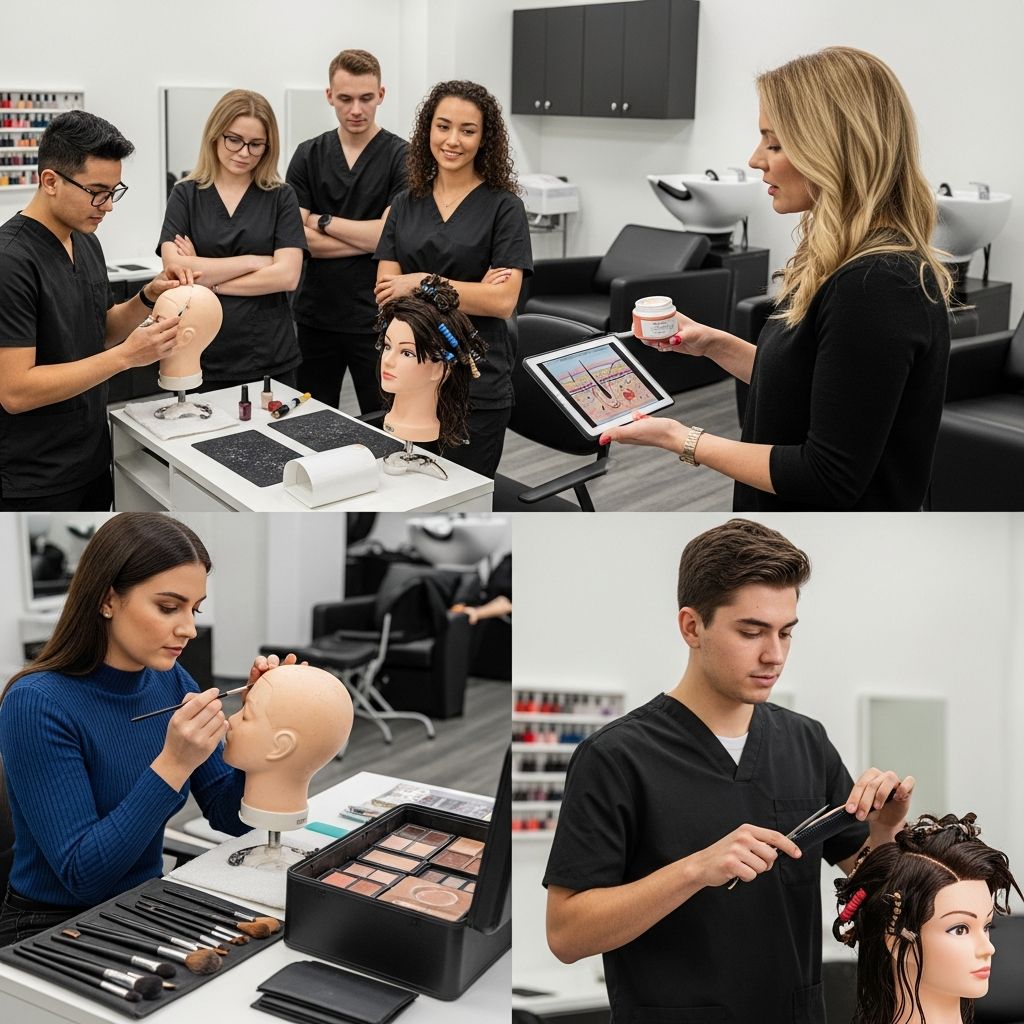
The beauty and personal care industry represents one of the most dynamic and accessible career fields today. Professionals in this sector work directly with clients to enhance appearance, confidence, and self-care routines. Whether you’re drawn to creative expression, entrepreneurship, or helping others feel their best, the cosmetology field offers numerous pathways to professional success. Understanding the various roles, educational requirements, and advancement opportunities can help you chart a meaningful career course in this thriving industry.
Understanding the Foundation: Core Educational Requirements
Entry into the beauty industry begins with establishing a solid educational foundation. Unlike some professions that require four-year college degrees, cosmetology careers are built on specialized training through state-approved beauty schools and institutions. The pathway to becoming a licensed beauty professional typically starts with meeting basic eligibility criteria.
Most cosmetology programs require applicants to be at least 16 years old and possess either a high school diploma or General Educational Development (GED) certificate. These prerequisites ensure that students have achieved a basic level of academic readiness before entering intensive hands-on training. Beyond these minimum qualifications, prospective students must demonstrate commitment to completing their chosen program and pursuing licensure.
The length and structure of cosmetology education varies depending on your specific career focus. Full cosmetology programs typically demand approximately 1,500 hours of combined classroom instruction and practical experience. However, students who wish to specialize in particular areas—such as esthetics, nail technology, or barbering—may pursue shorter programs requiring 600 to 1,000 hours of training. This flexibility allows individuals to tailor their education to their professional interests and career timeline.
Traditional Beauty Service Careers
The most well-known pathway in cosmetology involves providing direct beauty services to clients. These positions form the backbone of salons, spas, and beauty establishments across the country.
Hair Care Specialists
Hairstylists represent one of the largest segments of the beauty workforce. These professionals master the art and science of hair design, including cutting, coloring, styling, and chemical treatments. Hairstylists work with diverse hair types and textures, staying current with trends while meeting individual client needs. The role combines technical skill with creative vision, allowing professionals to develop signature styles and build dedicated clienteles.
Nail Technology Specialists
Nail technicians represent a specialized and growing sector within beauty services. These professionals provide manicures, pedicures, nail art, and specialized treatments such as gel applications and extensions. The nail care industry has expanded significantly, with technicians now offering intricate designs, natural nail care consultation, and wellness-focused services that extend beyond traditional nail aesthetics.
Skin Care Professionals
Estheticians and skin specialists focus on facial treatments, skincare product recommendations, and advanced skin therapies. These professionals assess skin conditions, recommend personalized treatment plans, and perform services such as facials, chemical peels, and microdermabrasion. As awareness of skincare and dermatological wellness continues to grow, demand for qualified skin care professionals has increased substantially.
Supporting and Specialized Roles
Beyond primary service providers, the beauty industry employs professionals in supporting and specialized positions that contribute to operational success and client satisfaction.
- Shampoo Assistants support hairstylists by preparing clients, washing hair, and managing client comfort during salon visits. These entry-level positions provide valuable experience for those beginning their beauty careers.
- Beauty Consultants guide clients through product selection, beauty services, and personalized recommendations. These professionals combine customer service expertise with product knowledge to enhance client experiences.
- Platform Artists and Educators represent experienced professionals who transition into teaching, demonstrating techniques, and developing new service methods. These roles allow seasoned cosmetologists to share expertise and shape the next generation of beauty professionals.
- Brand Ambassadors and Product Consultants work with beauty companies to promote products, train other professionals, and develop new techniques and tools. These positions bridge the gap between product development and professional application.
Entrepreneurial Pathways and Business Ownership
Many beauty professionals leverage their training and experience to establish independent businesses. Salon ownership, booth rental arrangements, and mobile beauty services represent entrepreneurial opportunities within the field. Successful beauty entrepreneurs combine technical expertise with business acumen, managing operations, building client relationships, and potentially employing additional staff. The relatively low barriers to entry compared to other business ventures make salon ownership an achievable goal for many cosmetologists.
Advanced Specialization and Continuing Development
The beauty industry supports numerous specialization pathways for professionals seeking to deepen expertise or differentiate their services. Optional certifications in advanced skincare techniques, color specialization, advanced nail art, and alternative therapies allow professionals to expand their skill sets and increase earning potential. These specialized credentials enhance marketability and enable professionals to command premium pricing for specialized services.
Continuing education is not simply optional—it is mandated across most jurisdictions. States typically require licensed cosmetologists to complete a minimum of 4 hours of state-approved continuing education annually to maintain licensure. This requirement ensures that professionals remain current with evolving safety standards, emerging techniques, and industry best practices. Many professionals exceed minimum requirements to stay competitive and expand their knowledge base.
Licensing and Credentialing Requirements
Obtaining and maintaining professional credentials represents a crucial aspect of a cosmetology career. The licensing pathway involves several distinct phases:
| Phase | Requirements | Duration/Hours |
|---|---|---|
| Education | State-approved program completion with theoretical and practical training | 600-1,500 hours depending on specialization |
| Examination | Written and/or practical exams covering techniques, safety, and regulations | Varies by state |
| Licensure | State board approval and official license issuance | Ongoing upon approval |
| Renewal | Periodic license renewal with continuing education requirements | 4+ hours annually in most states |
Licensing exams typically include a jurisprudence component that addresses local regulations and laws governing beauty services, ensuring professionals understand both technical and legal aspects of their work. The comprehensive nature of licensure requirements reflects the importance of safety, sanitation, and professional standards in the beauty industry.
Educational Institutions and Program Quality
Selecting an appropriate cosmetology school significantly influences career preparation and professional success. Quality programs combine classroom instruction with extensive hands-on experience in supervised salon environments. Many accredited schools provide students opportunities to perform hundreds of services under professional guidance before entering the independent job market. This practical experience builds confidence, develops muscle memory, and creates a foundation for professional competence.
Educational programs should address comprehensive curriculum components including hair design and manipulation, skincare science, nail technology, sanitation and infection control protocols, client communication, and professional ethics. Schools that emphasize professionalism, client service standards, and safety practices prepare graduates not just to pass licensing exams but to build successful, sustainable careers.
Career Growth and Professional Development Trajectories
A cosmetology career is not static. Professionals can progress through various stages of advancement. Entry-level positions in salons or spas provide foundational experience and client interaction. As professionals develop expertise and build clienteles, they often transition to independent booth rental or salon ownership. Some professionals move into education, training aspiring cosmetologists at beauty schools. Others advance into product development, brand representation, or management roles within established salons or beauty companies.
The trajectory from entry-level service provider to salon owner or industry educator typically spans several years and reflects accumulated experience, financial resources, and professional development investments. Many successful beauty professionals view their initial licensing and certification as the beginning of lifelong learning rather than the culmination of their education.
Market Demand and Career Stability
The beauty industry continues to experience steady demand for qualified professionals. The personal care and beauty services sector remains resilient across economic cycles, as consumers prioritize self-care and personal appearance maintenance. This demand creates stable employment opportunities and entrepreneurial possibilities for trained professionals. Additionally, the industry’s diverse specializations mean that professionals can find niches matching their interests and strengths, whether in traditional salon settings, specialized spa environments, or independent practices.
Frequently Asked Questions
What are the basic requirements to enter a cosmetology program?
Applicants typically must be at least 16 years old and possess either a high school diploma or GED certificate. Some schools may request high school transcripts to assess academic preparation.
How long does it take to become a licensed cosmetologist?
Full cosmetology programs generally require 1,500 hours of training, which typically takes 12 to 18 months of full-time study. Specialized programs in specific areas may require fewer hours and can be completed more quickly.
What subjects should high school students focus on before cosmetology programs?
Beneficial high school courses include biology, anatomy, chemistry, mathematics, and art. Communication skills developed through speech classes also provide valuable preparation for client-facing work.
Are continuing education requirements mandatory after licensure?
Yes, most states require licensed cosmetologists to complete ongoing continuing education—typically at least 4 hours annually—to maintain their licenses and stay current with industry standards. Some states mandate at least one hour of sanitation training as part of continuing education requirements.
Can cosmetologists specialize in particular areas after obtaining their license?
Absolutely. While full cosmetology licensing provides broad training, professionals can pursue additional certifications and specializations in areas such as advanced skincare, hair color specialty techniques, or nail art. These supplementary credentials enhance expertise and professional marketability.
What options exist for career advancement in cosmetology?
Career paths include building an independent clientele, transitioning to salon management, pursuing salon or booth ownership, moving into education and training roles, or working with beauty brands in product development or representation capacities.
References
- How to Become a Licensed Cosmetologist: Education and Career Paths — ISSN MT School. 2024. https://issnmtschool.com/blog/what-kind-of-education-is-required-to-be-a-cosmetologist-a-complete-guide/
- What Does a Cosmetologist Do? Skills, Training, and Career Paths — Paul Mitchell Schools. 2024. https://paulmitchell.edu/blog/posts/what-does-a-cosmetologist-do
- 10+ Career Paths You Can Pursue with a Cosmetology License — Dalton Institute. 2024. https://daltoninstitute.com/career-paths-you-can-pursue-with-a-cosmetology-license/
- Career Paths After Earning a Cosmetology License — Inspire Greatness Aveda Institutes. 2024. https://avedainspiregreatness.com/blog/career-paths-after-earning-a-cosmetology-license/
- Careers for Cosmetology Grads — Florida Academy. 2024. https://florida-academy.edu/careers-for-cosmetology-grads/
- 14 Top Careers in Cosmetology — Indeed. 2024. https://www.indeed.com/career-advice/finding-a-job/careers-in-cosmetology

- Integrated M.A. in Applied Linguistics, University of Hyderabad
- 5+ years in editorial, instructional, SEO, and research-based writing
Sneha is a relationships and lifestyle writer with a strong foundation in applied linguistics and certified training in relationship coaching. She brings over five years of writing experience to theskillvault, crafting thoughtful, research-driven content that empowers readers to build healthier relationships, boost emotional well-being, and embrace holistic living. Her writing and insights reflect the belief that beauty, happiness, and wellness…