
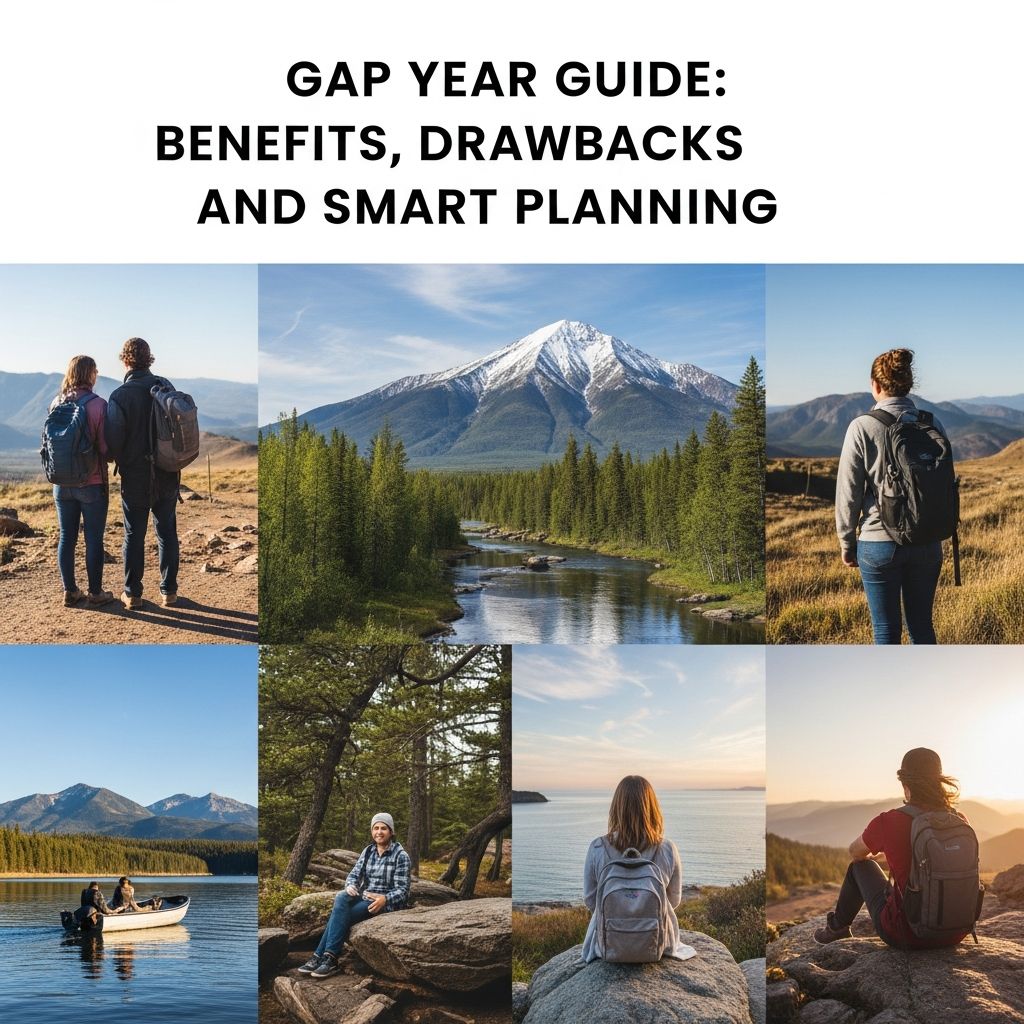
A gap year involves pausing formal education, typically after high school or before graduate studies, to pursue travel, work, volunteering, or personal projects. This intentional break allows young adults to gain real-world experience, reflect on goals, and enter higher education or careers more prepared. Research indicates gap year participants often graduate college faster than average, highlighting its potential value when structured effectively.
Understanding the Gap Year Phenomenon
The concept of a gap year has gained traction globally, especially among high-achieving students seeking clarity amid academic pressures. Rather than a mere vacation, it’s a strategic interlude for self-discovery and skill acquisition. Surveys reveal common motivations include recovering from burnout and exploring identities outside structured schooling. For many, this period bridges the transition from adolescence to adulthood, fostering maturity that enhances future academic and professional pursuits.
Key Advantages of Embracing a Gap Year
Taking time off can yield transformative outcomes, equipping individuals with tools for long-term success.
Boosting Personal Maturity and Self-Awareness
Without the confines of classrooms, gap years promote profound introspection. Participants often report heightened self-confidence and clearer life visions, as they navigate choices independently. This autonomy builds resilience and decision-making prowess essential for college rigor.
Acquiring Practical Skills and Resume Boosters
Engaging in internships, jobs, or volunteer roles hones abilities like communication, budgeting, and teamwork—skills employers prize. These experiences distinguish resumes, providing concrete examples over generic extracurriculars. Online or in-person opportunities allow career testing without long-term commitments.
Combating Burnout and Enhancing Focus
High school culminates in intense stress; a gap year offers recharge time, preventing early college fatigue. Refreshed minds perform better, with data showing gap year takers more likely to complete degrees in four years versus the six-year norm.
Financial Gains and Career Clarity
Full- or part-time work generates savings for tuition or living expenses, easing debt burdens. Simultaneously, field exposure refines major choices, reducing costly switches later.
Global Perspectives and Networking
Travel or community service broadens worldviews, cultivating cultural empathy and adaptability. New connections form lasting networks, opening future doors.
| Activity Type | Primary Benefits | Skill Focus |
|---|---|---|
| Travel/Study Abroad | Cultural immersion, independence | Adaptability, language |
| Internship/Work | Income, professional exposure | Teamwork, budgeting |
| Volunteering | Community impact, empathy | Leadership, problem-solving |
| Personal Projects | Self-directed growth | Creativity, time management |
Potential Challenges and Risks to Consider
While promising, gap years aren’t universally ideal; thoughtful evaluation is crucial.
Financial Burdens and Opportunity Costs
Travel or programs demand upfront costs, and delaying college means one less year of earning potential post-graduation. Without savings plans, debts can mount.
Risk of Lost Momentum
Comfort in freedom might erode study habits, complicating re-entry. Some never resume education, viewing the break as permanent escape.
Social and Academic Disconnect
Peers advancing may create isolation; friends’ shared college stories could breed FOMO. Admissions policies vary—some schools rescind offers if undeclared.
Unstructured Time Pitfalls
Lack of plans leads to idleness, squandering potential. It’s not for procrastinators seeking avoidance rather than growth.
- Pro Tip: Document experiences via journals or portfolios to combat resume gaps and maintain motivation.
- Warning: Secure deferrals in writing from colleges to preserve spots.
Ideal Candidates for a Productive Gap Year
Not everyone thrives in this setup. It’s best for:
- Undecided students testing interests.
- Burnout victims needing resets.
- Adventurous types craving independence.
- Those with clear, actionable plans.
Avoid if you’re directionless, financially strained without work options, or eager for immediate college momentum.
Crafting a Purposeful Gap Year Blueprint
Success hinges on structure. Start planning months ahead.
Step 1: Define Objectives
Set SMART goals: Specific, Measurable, Achievable, Relevant, Time-bound. E.g., “Volunteer 20 hours weekly at a nonprofit while learning Spanish.”
Step 2: Research Opportunities
Explore programs like Semester at Sea for voyages blending travel and classes, or local internships via platforms like Idealist.org. Budget realistically.
Step 3: Notify Institutions
Many U.S. colleges, including Harvard, support deferrals if requested pre-enrollment. Provide detailed plans to demonstrate intent.
Step 4: Track Progress
Monthly reviews ensure alignment; adjust as needed. Build a portfolio showcasing achievements.
Step 5: Prepare for Re-Entry
Update applications with new insights; leverage experiences in essays.
Sample 12-Month Timeline:
- Months 1-3: Work/save, skill-building courses.
- Months 4-6: Travel/volunteer abroad.
- Months 7-9: Internship in target field.
- Months 10-12: Reflect, college prep, networking.
Real-World Outcomes and Statistics
Evidence supports structured gaps: Gap year alumni report higher GPAs, faster graduations, and elevated career satisfaction. A study found 90% recommendation rates among participants. Harvard notes gap years aid maturity without derailing timelines. Globally, UK students routinely gap, yielding similar positives.
Common Misconceptions Debunked
- Myth: Colleges view it negatively. Fact: Many encourage it for mature applicants.
- Myth: It’s only for the wealthy. Fact: Work-focused plans minimize costs.
- Myth: You’ll fall behind peers. Fact: Enhanced focus often accelerates progress.
Frequently Asked Questions
Is a gap year worth the delay in starting college?
Yes, if purposeful—research shows faster degree completion and better focus post-gap.
How much does a typical gap year cost?
Varies widely: $5,000-$30,000 for travel programs; near-zero for local work/volunteering.
Will colleges hold my spot?
Many do with formal deferral requests; always confirm policies.
Can I still get financial aid after a gap year?
Generally yes, as aid assesses current needs; reapply annually.
What if I change my mind and want to start college sooner?
Flexible plans allow early return; monitor admissions cycles.
References
- Should You Take a Gap Year? Pros, Cons, & Insights — Coalition for College Access. 2023. https://www.coalitionforcollegeaccess.org/mycoalition-counselor-all/should-you-take-a-gap-year
- 12 Reasons Why Taking a Gap Year is Worth It — GoAbroad.com. 2023. https://www.goabroad.com/articles/gap-year/why-take-gap-year
- Should You Take a Gap Year? Pros and Cons — BestColleges.com. 2024-01-15. https://www.bestcolleges.com/blog/what-is-a-gap-year/
- Gap Year Benefits, Pros & Cons: Is It Worth It? — Semester at Sea. 2023. https://www.semesteratsea.org/gap-year-benefits-pros-cons-statistics/
- The Pros and Cons of a Gap Year Before College — Post University. 2023. https://post.edu/blog/pros-and-cons-of-a-gap-year/
- Pros and Cons of Taking a Gap Year Before College — Fontbonne University. 2023. https://www.fontbonne.edu/pros-and-cons-of-taking-a-gap-year-before-college/
- Should You Consider Taking a Gap Year? — Harvard College. 2023. https://college.harvard.edu/student-life/student-stories/should-you-consider-taking-gap-year

- Integrated M.A. in Applied Linguistics, University of Hyderabad
- 5+ years in editorial, instructional, SEO, and research-based writing
Sneha is a relationships and lifestyle writer with a strong foundation in applied linguistics and certified training in relationship coaching. She brings over five years of writing experience to theskillvault, crafting thoughtful, research-driven content that empowers readers to build healthier relationships, boost emotional well-being, and embrace holistic living. Her writing and insights reflect the belief that beauty, happiness, and wellness…