
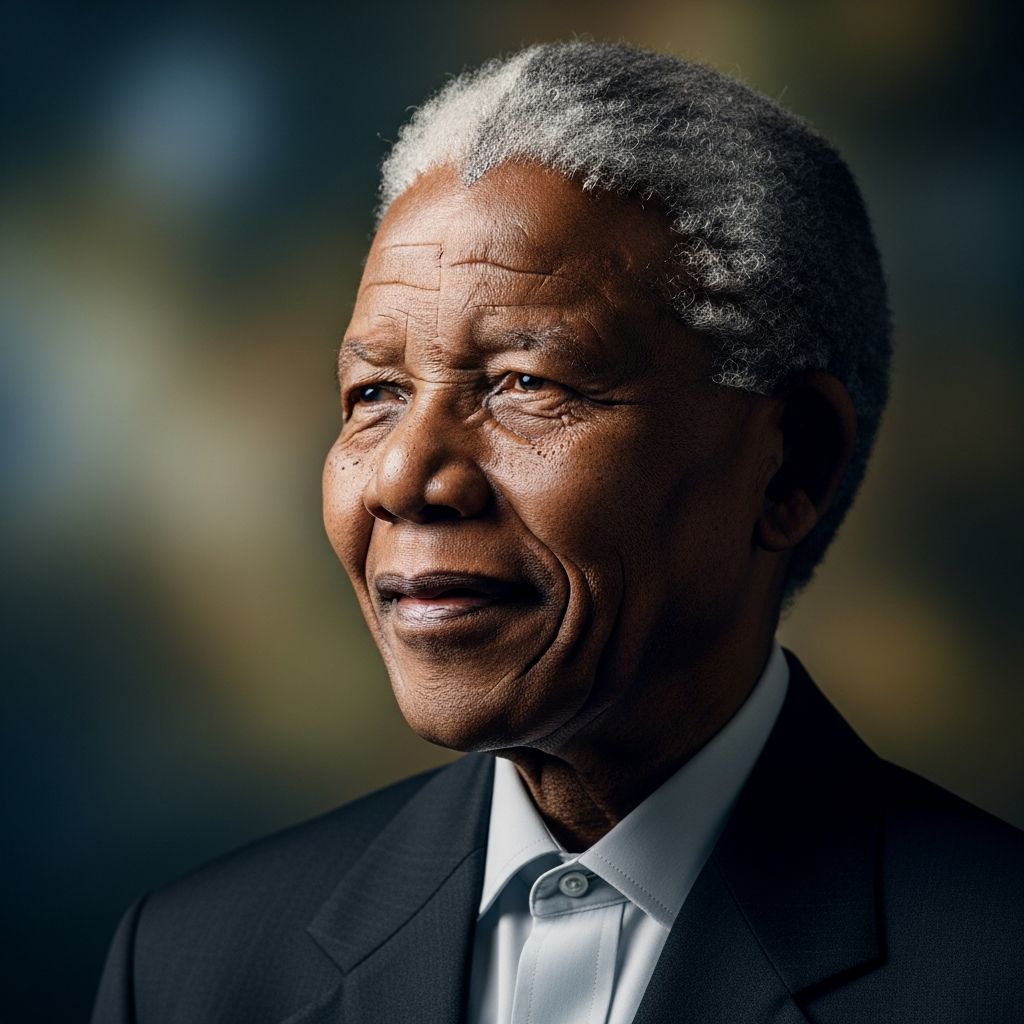
Nelson Mandela’s journey from prisoner to president exemplifies leadership that transcends personal gain, focusing instead on collective progress and moral integrity. His ability to unite a divided nation offers invaluable principles for leaders worldwide.
Mastering Courage in the Face of Adversity
True leadership demands confronting fear head-on, not its absence. Mandela redefined bravery as triumphing over internal doubts, even during 27 years of imprisonment under apartheid’s harsh regime. He maintained composure, projecting strength to inspire his followers despite personal terror.
This principle applies broadly: in corporate crises or team setbacks, leaders who acknowledge fears privately but act decisively publicly build trust. Mandela’s approach ensured his movement remained resilient, turning potential despair into determined action.
- Practical Application: During high-stakes negotiations, simulate worst-case scenarios in private to build mental fortitude.
- Historical Insight: Mandela’s Rivonia Trial speech in 1964 demonstrated unwavering resolve, prepared to sacrifice life for ideals.
Cultivating Forgiveness to Heal Divisions
Forgiveness emerged as Mandela’s most revolutionary tool, dissolving cycles of resentment that could have derailed South Africa’s transition. Emerging from prison, he embraced former oppressors, prioritizing national healing over vengeance—a move that stunned the world and fostered reconciliation.
Leaders today can emulate this by addressing workplace conflicts through empathy rather than punishment. Studies from organizational psychology affirm that forgiving environments boost morale and innovation, mirroring Mandela’s Truth and Reconciliation Commission model.
| Traditional Revenge Approach | Mandela’s Forgiveness Model | Outcomes |
|---|---|---|
| Escalates tensions | Builds bridges | Sustained peace and collaboration |
| Short-term wins | Long-term unity | Increased team loyalty |
| Breeds fear | Fosters trust | Higher productivity |
Leading from Behind for Empowered Teams
Mandela championed subtle guidance, likening leaders to shepherds who direct flocks without overt control. By positioning others upfront during triumphs and stepping forward only in crises, he amplified team ownership and motivation.
This ‘servant leadership’ style enhances employee engagement; Gallup research shows teams with such leaders report 21% higher profitability. Mandela’s rugby World Cup involvement in 1995 exemplified this, uniting a nation by supporting the Springboks, once apartheid symbols.
- Credit successes to the group to instill pride.
- Take responsibility during failures to shield the team.
- Encourage emerging talents to lead initiatives.
Forging Strength Through Unyielding Character
Mandela’s character shone in refusing defeat amid unimaginable odds. Incarceration forged his resolve, emerging not embittered but fortified, proving that perseverance defines leaders more than accolades.
In business, this translates to maintaining ethical standards during downturns. Leaders with robust character rally teams, as evidenced by Mandela’s ability to sustain the ANC’s morale through coded communications on Robben Island.
“Do not judge me by my successes, judge me by how many times I fell down and got back up again.”
Harnessing the Power of Inclusive Collaboration
Rejecting monopolistic control, Mandela collaborated across divides, co-authoring South Africa’s constitution with former adversaries. This win-win negotiation philosophy ensured broad buy-in, preventing civil war.
Modern applications include cross-functional teams in organizations. Harvard Business Review notes diverse collaborations yield 19% higher revenues. Mandela’s cabinet of rivals exemplifies inviting critique for superior outcomes.
Visionary Planning for Enduring Legacies
Mandela’s foresight extended beyond his tenure; he voluntarily stepped down after one term, grooming successors like Thabo Mbeki. This secured democratic stability, contrasting leaders clinging to power.
Leaders should invest in succession planning and long-term strategies. His emphasis on education and infrastructure laid South Africa’s foundation, reminding us that legacies outlive tenures.
Authenticity and Humility as Leadership Pillars
Mandela’s authenticity—never mimicking others—paired with humility made him relatable. He listened intently in meetings, synthesizing views before guiding subtly, ensuring decisions felt collective.
Humility counters ego-driven failures; Jim Collins’ research in ‘Good to Great’ identifies Level 5 leaders with this trait as turnaround architects. Mandela’s post-prison smile symbolized inner peace, disarming skeptics.
Building Lasting Relationships with Rivals
Proximity to rivals disarmed them through charm and flattery. Mandela hosted dinners with wary figures, turning foes into allies via personal engagement.
In competitive industries, this builds networks. Relationship capital, per Jeffrey Dyer’s studies, correlates with outsized returns.
Frequently Asked Questions
How did Mandela demonstrate courage during imprisonment?
He projected unshakeable confidence despite fears, maintaining discipline and educating fellow inmates, which preserved the anti-apartheid spirit.
Why is forgiveness central to Mandela’s leadership?
It prevented retaliatory violence, enabling peaceful transition; he stated resentment poisons the bearer first.
What does ‘leading from behind’ mean practically?
It involves empowering others to shine while providing discreet direction, boosting initiative and loyalty.
Did Mandela prioritize personal power?
No, he stepped aside after one term to model democratic handover, prioritizing nation over self.
How can modern leaders apply Mandela’s collaboration lessons?
By including diverse stakeholders in decisions, ensuring mutual gains and innovative solutions.
Conclusion: Embodying Mandela’s Legacy
Mandela’s wisdom—rooted in courage, forgiveness, humility, and vision—remains a blueprint for ethical leadership. By internalizing these, leaders can navigate complexities, unite diverse groups, and craft enduring impacts.
References
- 5 Leadership Lessons From Nelson Mandela — Big Fish Presentations. 2013-07-12. https://bigfishpresentations.com/2013/07/12/5-leadership-lessons-from-nelson-mandela/
- Leadership Lessons I Learned from Mandela — John Maxwell Team. N/A. https://johnmaxwellteam.com/leadership-lessons-i-learned-from-mandela/
- 5 Leadership Lessons We Can Learn From Nelson Mandela — London School of Business and Finance. N/A. https://www.lsbf.org.uk/blog/opinion-features/5-leadership-lessons-we-can-learn-from-nelson-mandela
- 5 Leadership Lessons One Can Learn From Nelson Mandela — Foundit.in. N/A. https://www.foundit.in/career-advice/5-leadership-lessons-one-can-learn-from-nelson-mandela/
- 5 Leadership Communications Lessons from Nelson Mandela — Wainger Group. N/A. https://waingergroup.com/lessons-from-nelson-mandela/
- Mandela: His 8 Lessons of Leadership — TIME Magazine. 2008-05-13. https://time.com/archive/6685457/mandela-his-8-lessons-of-leadership/

Medha Deb is an editor with a master's degree in Applied Linguistics from the University of Hyderabad. She believes that her qualification has helped her develop a deep understanding of language and its application in various contexts. Medha specializes in the areas of beauty, health, sports, and wellness and is committed to ensuring that the content on the website is…