
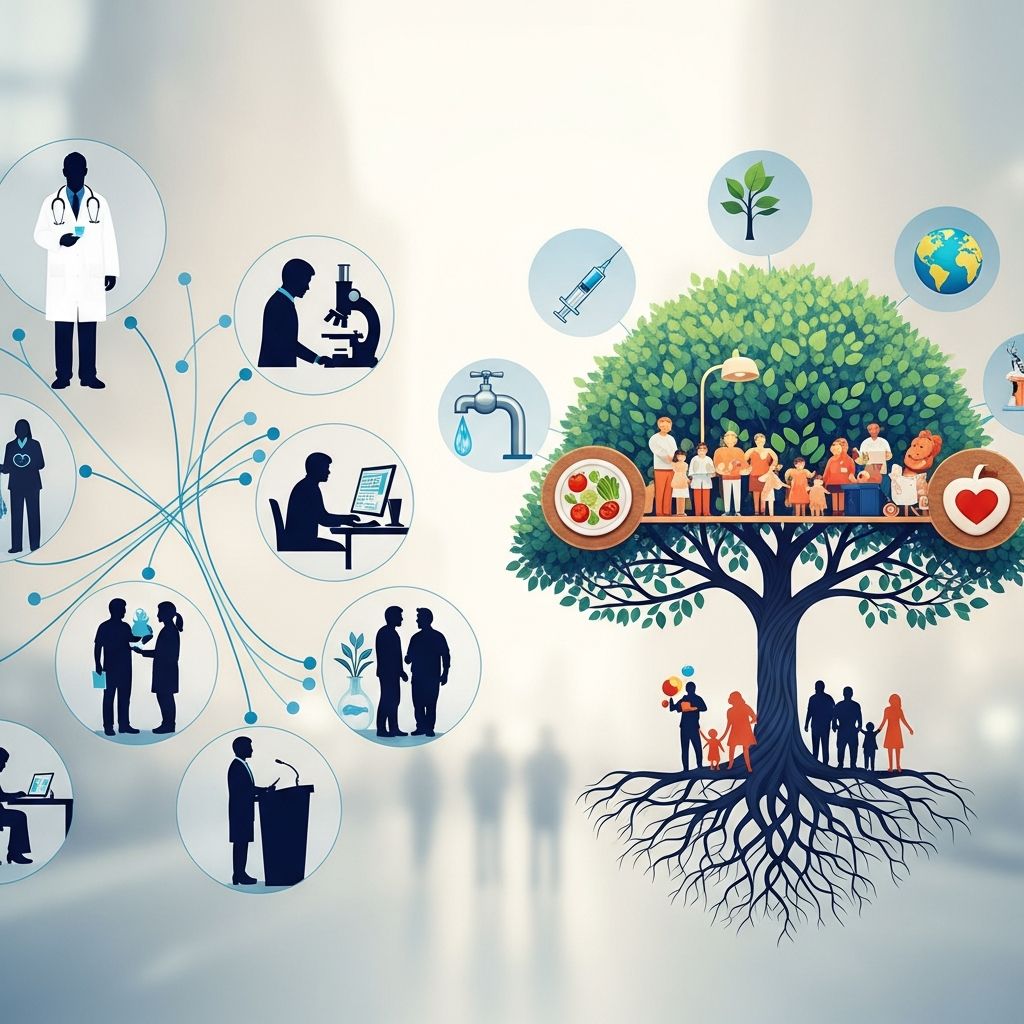
Public health professionals dedicate their careers to safeguarding communities from health threats, promoting wellness, and crafting policies that enhance population health. This field offers diverse opportunities across government, nonprofits, healthcare, and private sectors, with growing demand driven by global challenges like pandemics and chronic diseases.
Why Pursue a Career in Public Health?
The appeal of public health lies in its broad reach and tangible impact. Unlike clinical roles focused on individuals, public health targets entire populations, preventing diseases before they spread and addressing social determinants of health such as poverty, education, and environment. Professionals in this arena contribute to everything from vaccination campaigns to urban planning for healthier cities.
Job growth in public health outpaces many sectors, with projections showing sustained demand through 2030 due to aging populations and emerging health crises. Roles span education, research, administration, and emergency response, allowing for specialization based on interests like data analysis or community outreach.
Core Roles in Public Health
Diverse positions define public health, each with unique responsibilities. Below, we detail prominent careers, drawing from established programs and labor data.
Health Educators and Promotion Specialists
Health educators empower communities by creating programs that encourage healthy behaviors, from nutrition workshops to anti-smoking initiatives. They assess community needs, develop materials, deliver training, and evaluate program success through data collection.
- Design educational campaigns on disease prevention and lifestyle changes.
- Collaborate with schools, clinics, and workplaces to implement wellness programs.
- Analyze participant feedback to refine interventions for better outcomes.
These roles thrive in dynamic settings, requiring strong communication and cultural sensitivity to reach diverse groups.
Epidemiologists and Disease Investigators
Epidemiologists study disease patterns, identifying causes and containment strategies. Disease investigators track outbreaks, interview cases, analyze transmission paths, and recommend interventions to halt spread.
- Collect data via surveys, lab samples, and medical records.
- Map outbreak sources and predict future risks using statistical models.
- Advise policymakers on quarantine measures and vaccination drives.
During events like COVID-19, these experts were frontline in contact tracing and modeling.
Community Health Workers
Community health workers bridge gaps between residents and services, offering culturally tailored education on screenings, nutrition, and access to care. They conduct outreach, advocate for needs, and connect underserved populations to resources.
- Facilitate discussions on health concerns like diabetes or substance use.
- Organize events promoting preventive services such as cancer checks.
- Collect community data to inform targeted programs.
Their local knowledge makes them invaluable in reducing disparities.
Nutritionists and Dietitians in Public Health
Public health nutritionists promote access to healthy foods through policy, education, and programs. They advise on dietary guidelines for schools, clinics, and communities facing food insecurity.
- Develop meal plans for at-risk groups and corporate wellness.
- Research links between diet and chronic conditions like obesity.
- Partner with agencies to combat malnutrition in vulnerable areas.
Public Health Nurses and Administrators
Public health nurses assess trends, coordinate services, and deliver care in communities. Administrators oversee programs, budgets, and compliance, ensuring efficient health delivery.
Education and Qualifications
Entry varies by role: bachelor’s degrees in public health, nursing, or related fields suffice for many positions, while advanced roles demand master’s degrees like MPH.
| Role | Typical Education | Key Certifications |
|---|---|---|
| Health Educator | Bachelor’s in Health Promotion | CHES (Certified Health Education Specialist) |
| Epidemiologist | Master’s in Epidemiology | Certified in Public Health (CPH) |
| Community Health Worker | Associate’s or Bachelor’s | Community Health Worker Certification |
| Public Health Nurse | BSN + MPH or MSN | RN License |
| Health Administrator | Master’s in Health Administration | MHA or FACHE |
Skills like data analysis, policy knowledge, and teamwork are universal. Programs in biostatistics, environmental health, and health services build expertise.
Work Environments and Daily Realities
Public health spans sectors:
- Government: Local/state health departments handling crises and regulations.
- Nonprofits: Advocacy and community programs.
- Hospitals/Clinics: Wellness and policy integration.
- Private Sector: Pharma consulting, insurance analytics.
- Academia/Research: Studying interventions and teaching.
Daily life involves team collaboration, data crunching, crisis response, program design, and trend monitoring in fast-paced settings.
Salary Insights and Job Outlook
Salaries reflect experience and location, with medians from recent data.
| Role | National Avg. Salary (USD) | Projected Growth |
|---|---|---|
| Health Educator | $59,000 – $65,000 | 12% by 2032 |
| Epidemiologist | $81,000+ | 27% (fastest-growing) |
| Community Health Worker | $43,000 – $50,000 | 14% |
| Public Health Nurse | $65,000 – $90,000 | 6% |
| Health Services Manager | $104,000+ | 28% |
High-demand areas include epidemiology amid ongoing pandemics.
Essential Skills for Success
Thriving requires:
- Analytical prowess: Interpreting health data.
- Communication: Conveying complex info simply.
- Critical thinking: Solving multifaceted issues.
- Collaboration: Multidisciplinary teamwork.
- Cultural competence: Serving diverse populations.
Challenges and Rewards
Challenges include budget constraints, political hurdles, and crisis fatigue. Rewards encompass lives saved, policy influence, and community gratitude.
Frequently Asked Questions (FAQs)
What degree is best for public health careers?
A bachelor’s starts many roles; MPH unlocks advanced positions like epidemiologist.
Is public health growing?
Yes, with 12-28% growth in key roles through 2032.
Can I work internationally?
Absolutely, via WHO or NGOs focusing on global health.
What skills matter most?
Data analysis, communication, and empathy.
Entry-level paths?
Start as community worker or assistant; gain experience for promotion.
References
- An Overview of Public Health Career Options — Pennsylvania Institute of Technology. 2025-01-06. https://www.pit.edu/news/an-overview-of-public-health-career-options/
- Public Health Career Options and Salary Overview | 2025-26 — PublicHealthDegrees.org. 2025. https://www.publichealthdegrees.org/careers/
- Careers in Public Health — UT Health San Antonio School of Public Health. 2025. https://uthscsa.edu/public-health/academics/careers-public-health
- Public Health Career Fields Overview — University of Michigan School of Public Health. 2025. https://sph.umich.edu/careers/explore-public-health-careers/public-health-career-fields-overview.html
- Top 25 Public Health Careers (With Salaries and Duties) — Indeed Career Advice. 2025. https://www.indeed.com/career-advice/finding-a-job/public-health-careers

- Integrated M.A. in Applied Linguistics, University of Hyderabad
- 5+ years in editorial, instructional, SEO, and research-based writing
Sneha is a relationships and lifestyle writer with a strong foundation in applied linguistics and certified training in relationship coaching. She brings over five years of writing experience to theskillvault, crafting thoughtful, research-driven content that empowers readers to build healthier relationships, boost emotional well-being, and embrace holistic living. Her writing and insights reflect the belief that beauty, happiness, and wellness…