
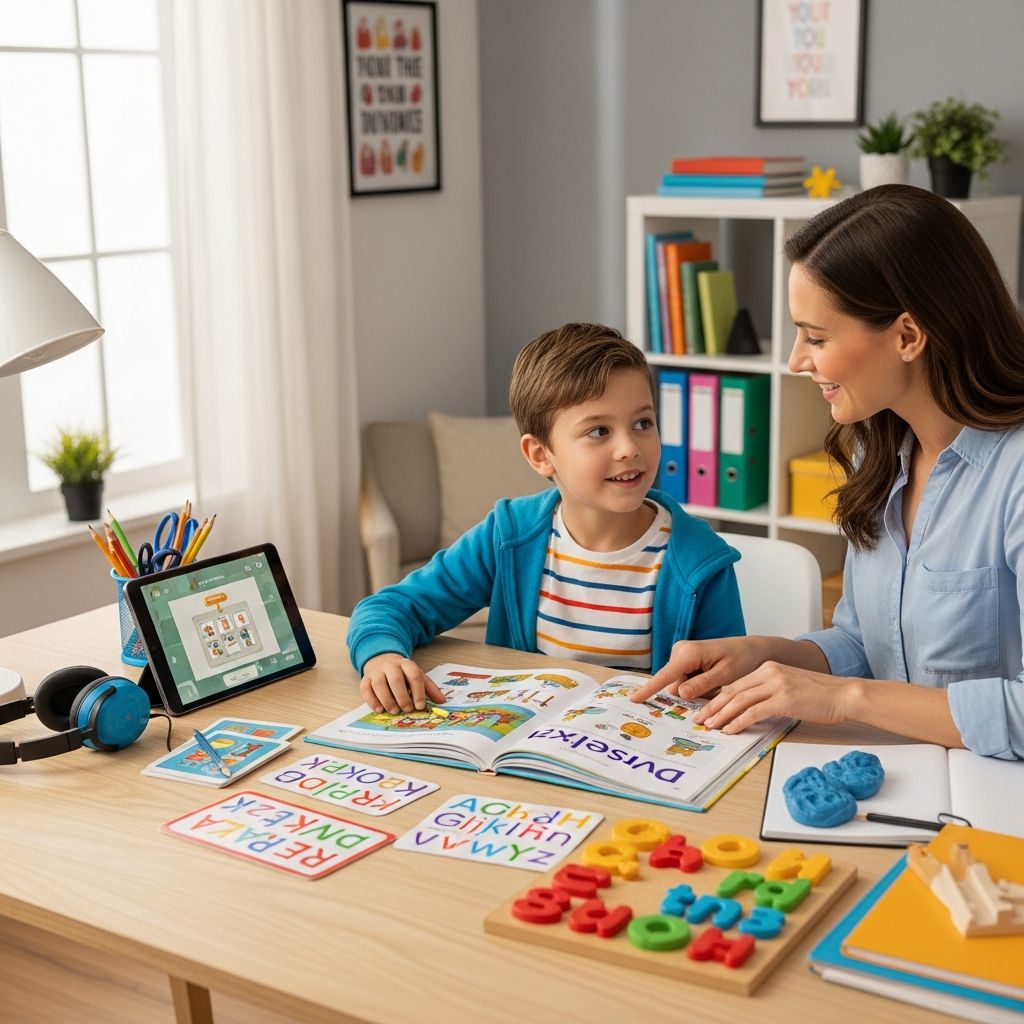
Dyslexia affects how children process language, but with targeted home support, parents can help them build skills, boost confidence, and excel. This guide offers original, actionable approaches drawn from expert recommendations to create a nurturing environment where dyslexic kids thrive.
Building the Perfect Home Learning Environment
A dedicated space minimizes distractions and signals focus time, crucial for dyslexic learners who benefit from structure. Choose a quiet, well-lit area away from high-traffic zones, equipped with comfortable seating, good lighting, and minimal clutter to reduce sensory overload.
- Position the desk near a window for natural light, which aids concentration without straining eyes.
- Include organizational tools like color-coded folders and wall calendars to track assignments visually.
- Keep supplies such as notebooks, pencils, and timers within arm’s reach to streamline sessions.
Personalize the space with motivational posters highlighting strengths, fostering a sense of ownership and positivity. This setup not only supports focus but also builds independence as children learn to manage their materials.
Harnessing Multisensory Techniques for Skill Mastery
Multisensory learning engages sight, sound, touch, and movement, aligning with how dyslexic brains process information most effectively. Instead of relying solely on visual reading, incorporate hands-on activities to reinforce phonics and comprehension.
For example, use letter tiles or sand trays for spelling words tactilely. Say the sound aloud while tracing it in the air or on textured surfaces, combining auditory, kinesthetic, and visual inputs. This method strengthens neural pathways for reading and spelling.
| Activity | Senses Involved | Benefit |
|---|---|---|
| Clay letter forming | Touch, sight | Improves letter recognition and fine motor skills |
| Rhythmic clapping syllables | Sound, movement | Enhances phonological awareness |
| Reading with finger tracking | Sight, touch | Boosts tracking and fluency |
Integrate these daily for 15-20 minutes. Programs like Touch-Type Read and Spell combine typing with reading to improve dexterity and literacy simultaneously.
Establishing Routines That Promote Organization
Consistent routines combat executive function challenges common in dyslexia, such as time management and sequencing. Break tasks into small, manageable steps using visual checklists to prevent overwhelm.
- Morning: Review the day’s schedule with pictures or icons for non-readers.
- After school: 10-minute break followed by 25-minute study blocks with timers (Pomodoro-style).
- Evening: Reflect on achievements in a journal, focusing on efforts rather than perfection.
Teach time-telling with analog clocks featuring color-coded hours. Custom planners with large, clear fonts and ample white space make planning accessible. Consistency builds habits, reducing anxiety and improving performance over time.
Leveraging Technology and Audiobooks Effectively
Tech tools level the playing field by bypassing decoding struggles. Audiobooks expose children to rich vocabulary and stories without reading fatigue, sparking a love for literature.
Platforms with text-to-speech highlight words as they are read, aiding synchronization between hearing and seeing. Apps for interactive phonics games provide engaging practice. Recommend starting with 15-minute sessions to build stamina, gradually increasing as comfort grows.
Other tools include speech-to-text for writing practice and dyslexia-friendly fonts like OpenDyslexic, which reduce letter swapping illusions. Parental involvement—discussing plots post-listening—deepens comprehension.
Cultivating a Positive Mindset and Emotional Resilience
Emotional support is foundational; celebrate small wins to counter frustration. Share personal challenges to normalize struggles, modeling persistence. Phrases like “You’re getting stronger at this every day” reinforce growth mindset.
Be calm during sessions—deep breaths or short walks regulate emotions, enhancing memory retention. Avoid over-correction on spelling or reversals, which self-correct with maturity; focus on content and ideas instead.
- Praise effort: “I love how you kept trying different sounds!”
- Track progress visually with sticker charts for completed tasks.
- Connect learning to interests, like reading game manuals if novels intimidate.
Daily Reading Rituals to Foster Lifelong Habits
Read aloud daily, alternating roles to build fluency. Choose high-interest materials like graphic novels or rhymes for reluctant readers. Discuss characters, predictions, and new words to boost higher-order thinking without pressure on decoding.
Pair with visualization: After a passage, ask, “What picture do you see in your mind?” This strengthens recall. For independence, use paired reading where you read a sentence, then the child echoes.
Strengths-Based Approach: The Sea of Strengths
Dyslexia comes with gifts like creativity and big-picture thinking. The Sea of Strengths model by Dr. Sally Shaywitz emphasizes leveraging these. Identify talents—art, oral storytelling, problem-solving—and integrate into learning.
For instance, dictate stories for transcription or use drawings to map concepts. This builds self-esteem, turning “I’m bad at reading” into “I’m great at ideas.”
Collaborating with School and Seeking Expertise
Advocate by sharing home successes with teachers trained in evidence-based dyslexia instruction, like Orton-Gillingham. Request accommodations such as extra time or audiobooks. Home-school synergy amplifies progress.
Consider tutors or programs for structured literacy if needed. Early intervention maximizes gains.
Frequently Asked Questions (FAQs)
How do I know if my child is dyslexic?
Signs include difficulty rhyming, slow reading, or letter reversals beyond age 7. Consult a specialist for formal assessment rather than self-diagnosing.
Can technology replace traditional reading?
No, but it complements by building exposure and skills. Combine with multisensory practice for best results.
How long until I see improvements?
With consistent daily practice, gains appear in weeks to months. Patience and positivity are key.
What if homework sessions lead to meltdowns?
Shorten sessions, incorporate movement breaks, and ensure you’re calm. Focus on quality over quantity.
Are audiobooks cheating?
Absolutely not—they’re a vital tool for comprehension and motivation, recommended by experts.
Implementing these strategies transforms challenges into opportunities. Parents play a pivotal role in nurturing resilient, capable learners. Start small, stay consistent, and watch your child flourish.
References
- 3 Ways to Support Your Dyslexic Learner At Home — Roberts Academy. 2023. https://robertsacademy.org/3-ways-to-support-your-dyslexic-learner-at-home/
- 7 Strategies To Help Your Child With Dyslexia Succeed In The Classroom — Dyslexia 1 in 5. 2023. https://www.dyslexia1n5.com/7-strategies-to-help-your-child-with-dyslexia-succeed-in-the-classroom
- Effective Strategies to Help Your Child with Dyslexia Thrive — HML Functional Care. 2024. https://hmlfunctionalcare.com/effective-strategies-to-help-your-child-with-dyslexia-thrive/
- 7 Proven Methods to Help Your Dyslexic Child [With Examples] — KOBI App. 2023. https://kobiapp.io/en/blog/7-proven-methods-to-help-your-dyslexic-child-with-examples/
- Ten Things to Help Your Struggling Reader — Yale Center for Dyslexia & Creativity. 2022. http://dyslexia.yale.edu/resources/parents/what-parents-can-do/ten-things-to-help-your-struggling-reader/
- 7 Strategies to Improve Your Child’s Memory — Dyslexia Mom Life. 2023. https://dyslexiamomlife.com/7-strategies-to-improve-your-childs-memory/

- Integrated M.A. in Applied Linguistics, University of Hyderabad
- 5+ years in editorial, instructional, SEO, and research-based writing
Sneha is a relationships and lifestyle writer with a strong foundation in applied linguistics and certified training in relationship coaching. She brings over five years of writing experience to theskillvault, crafting thoughtful, research-driven content that empowers readers to build healthier relationships, boost emotional well-being, and embrace holistic living. Her writing and insights reflect the belief that beauty, happiness, and wellness…