
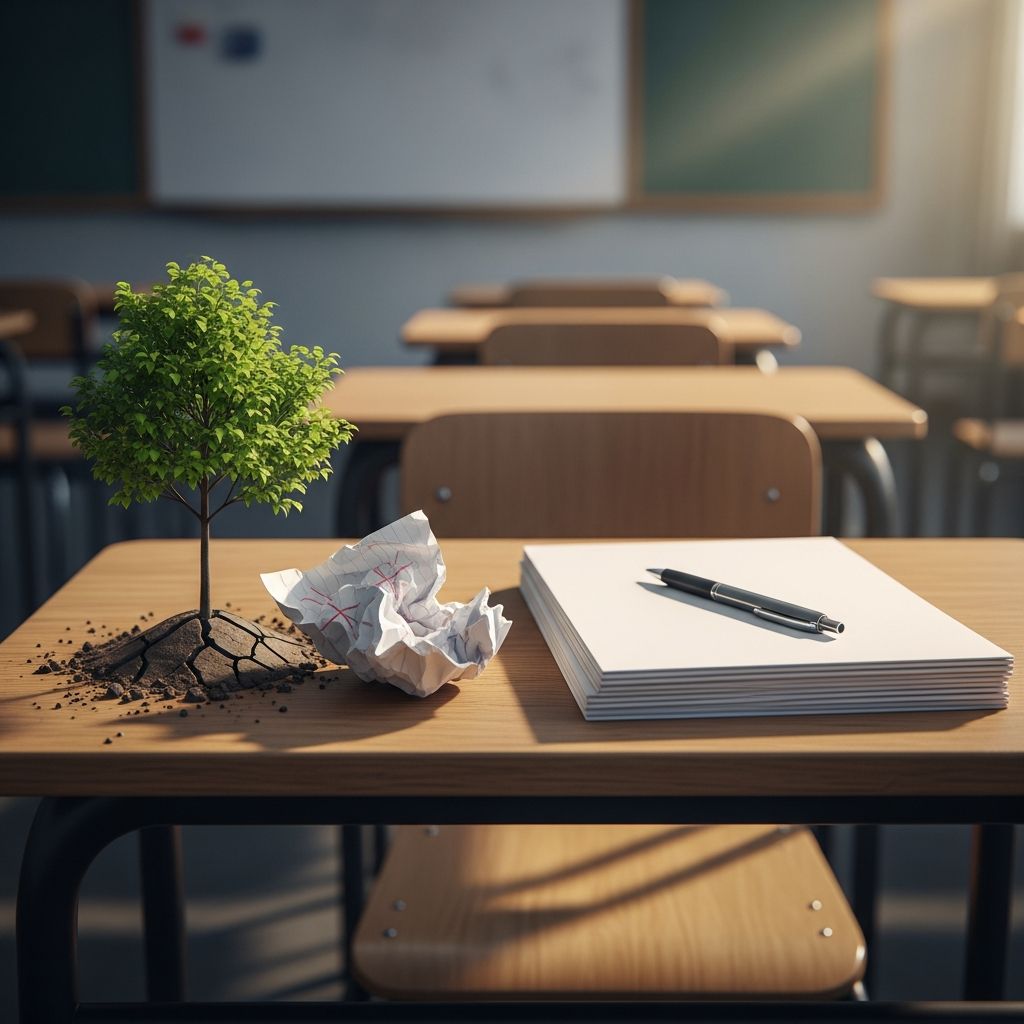
Teaching evaluations and classroom observations are pivotal moments in an educator’s career, yet they can sometimes deliver disheartening results. A tough observation doesn’t define your abilities; it presents an opportunity for growth. This article explores comprehensive strategies to help teachers process negative feedback, restore confidence, and elevate their practice.
Understanding the Emotional Impact of Negative Feedback
Receiving critical feedback after an observation often triggers intense emotions like disappointment, anxiety, or self-doubt. These reactions stem from the high stakes of teaching, where personal investment is profound. Research highlights that such experiences can lead to stress, but acknowledging these feelings is the first step toward recovery.
Educators frequently report feeling weighed down by the pressure to perform perfectly during evaluations. This emotional load can hinder immediate reflection, making it essential to create space for processing before jumping into action.
Initial Steps: Calming the Mind and Body
Right after a challenging observation, prioritize self-regulation techniques. Deep breathing exercises or brief walks help counteract the fight-flight-freeze response common in stressful situations. Stepping away momentarily allows you to regain composure, preventing rash decisions fueled by frustration.
- Practice deep breathing: Inhale for four counts, hold for four, exhale for four to lower cortisol levels.
- Physical movement: A short stroll outside shifts focus from rumination to presence.
- Journal initial thoughts: Jot down raw emotions without judgment to externalize them.
These practices build psychological safety, enabling clearer thinking for subsequent analysis.
Conducting a Thorough Self-Reflection
Self-reflection forms the cornerstone of professional development post-observation. Begin by dissecting the lesson objectively, focusing on observable facts rather than subjective interpretations.
Ask targeted questions: What specific elements disrupted student engagement? Were instructions clear and paced appropriately? Document responses in bullet points for clarity. For instance:
- Students disengaged during group work due to unclear roles.
- Technology glitch halted momentum at a critical juncture.
- Time management led to rushed closure.
Next, brainstorm alternatives: How could grouping strategies be refined? What backups exist for tech failures? This exercise shifts mindset from blame to empowerment.
Leveraging Objective Data from the Observation
Review notes from the observation with a balanced lens. Identify concrete instances—such as student participation rates or transition efficiency—over vague opinions. Grounding analysis in evidence fosters trust in the process and highlights actionable insights.
| Observed Element | What Happened | Potential Adjustment |
|---|---|---|
| Student Questions | Few hands raised during Q&A | Incorporate pair-share before whole-class discussion |
| Transitions | Chaotic shifts between activities | Use visual timers and verbal cues |
| Assessment | Limited checks for understanding | Embed formative quizzes via apps |
This tabular approach visualizes growth areas, making them less overwhelming.
Building a Support Network for Perspective
Isolation amplifies negativity; collaboration dilutes it. Seek input from trusted colleagues who can offer unbiased views. Invite a peer to observe your next lesson or review a recorded session for patterns you might miss.
School cultures promoting open dialogue about setbacks enhance resilience. Share experiences in team meetings to normalize challenges and crowdsource solutions.
- Pair with a mentor for debriefing.
- Observe exemplary colleagues to borrow techniques.
- Join professional learning communities online.
Reframing Observations as Growth Opportunities
Traditional evaluations often feel punitive, but reframing them as collaborative tools changes the narrative. View feedback as data for refinement, not judgment. School leaders can contribute by balancing critiques with strengths, using evidence-based discussions.
Encourage self-assessment pre-feedback meeting: Rate your lesson on key continua like engagement or differentiation. This prepares you to co-create action plans, boosting ownership.
Developing an Actionable Improvement Plan
Transform insights into a structured plan with SMART goals: Specific, Measurable, Achievable, Relevant, Time-bound. For example, “Implement two new engagement strategies in three upcoming lessons, tracking participation via tally sheets.”
Integrate targeted professional development, such as workshops on classroom management. Track progress weekly to maintain momentum and celebrate incremental wins.
Cultivating Long-Term Resilience in Teaching
Resilience isn’t innate; it’s cultivated through habits. Regular reflection post-lesson, regardless of observations, builds this muscle. Prioritize self-compassion—forgive imperfections and focus on progress.
Incorporate wellness routines: adequate sleep, exercise, and boundaries against burnout. Schools fostering “failing forward” professional development equip teachers to thrive amid setbacks.
Handling Resistance and Defensiveness
Defensiveness arises when feedback feels personal. Counter it by listening actively and validating emotions: “I understand this feedback is tough to hear.” Redirect to evidence collaboratively.
In self-talk, challenge catastrophic thoughts: Replace “I’m a failure” with “This was one lesson; I have strengths to build on.”
Strategies During Unannounced Observations
Unexpected walk-throughs test adaptability. Stay composed, circulate to support students, and address disruptions calmly. Confidence in your rapport shines through authenticity.
Post-event, apply the same reflection process without self-flagellation. Multiple opportunities exist to demonstrate prowess.
Frequently Asked Questions (FAQs)
What if feedback feels unfair?
Request a follow-up discussion citing specific evidences. Propose a re-observation to showcase adjustments, focusing on growth dialogue.
How soon should I implement changes?
Start small in the next class, refining iteratively. Avoid overhauls that overwhelm.
Is it okay to discuss bad observations with colleagues?
Absolutely—peer support normalizes experiences and sparks innovations. Choose empathetic confidants.
Can bad evaluations affect my career?
One poor showing rarely does; consistent improvement and documentation matter most. Use them as stepping stones.
How do I stay motivated after criticism?
Anchor in your “why”—student impact. Track successes in a wins journal.
Conclusion: Turning Setbacks into Strengths
Mastering recovery from tough evaluations propels educators toward excellence. Embrace reflection, seek support, and act decisively to not only bounce back but leap forward. Teaching’s challenges forge resilient professionals dedicated to student success.
References
- 5 Steps for Giving Effective Feedback After Observation — 2gnoMe. 2023. https://home.2gno.me/post/giving-effective-feedback-classroom
- Tips for Surviving Teacher Evaluations & Observations — Truth for Teachers. 2022-10-15. https://truthforteachers.com/teacher-evaluations-observations/
- How to Bounce Back from a Bad Lesson — Impact Teaching. 2023. https://www.impact-teaching.com/blog/how-to-bounce-back-from-a-bad-lesson/
- How to Recover from a Bad Observation — YouTube (Emily Wilde and Kimberley Gorelik). 2022. https://www.youtube.com/watch?v=yqHR9lc_EYQ
- How Can Teachers Bounce Back From Failure? — Education Week. 2019-05-07. https://www.edweek.org/teaching-learning/how-can-teachers-bounce-back-from-failure/2019/05
- 4 Strategies for Reframing Teacher Observations — Edutopia. 2023. https://www.edutopia.org/article/4-strategies-reframing-observations/
- Effective Post-Observation Feedback: What to Avoid and How to Support Teacher Growth — Learning Focused. 2024-01-12. https://learningfocused.com/blogs/leadership/effective-post-observation-feedback-what-to-avoid-and-how-to-support-teacher-growth

Medha Deb is an editor with a master's degree in Applied Linguistics from the University of Hyderabad. She believes that her qualification has helped her develop a deep understanding of language and its application in various contexts. Medha specializes in the areas of beauty, health, sports, and wellness and is committed to ensuring that the content on the website is…