
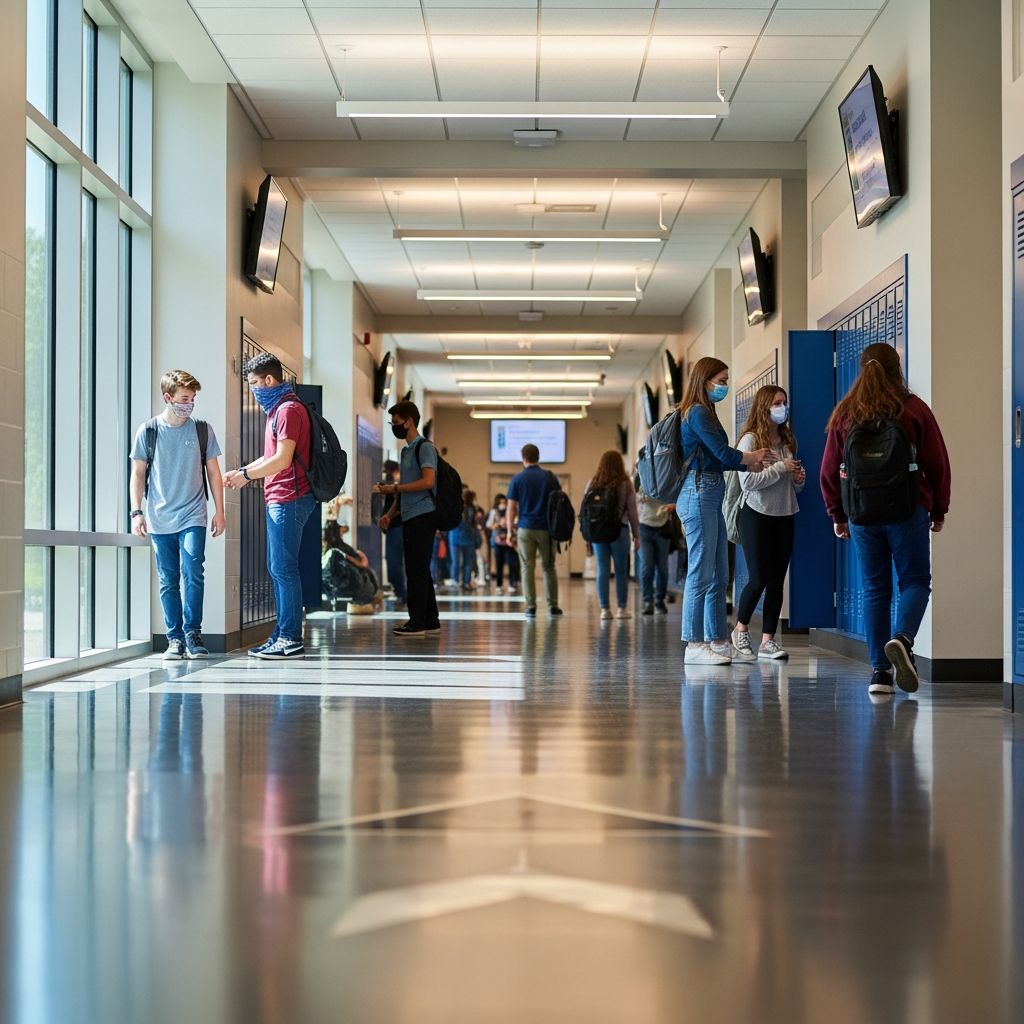
Understanding the Evolution of Modern School Operations
The transformation of educational delivery systems represents one of the most significant shifts in institutional practice over the past several years. Schools across the nation have navigated unprecedented challenges in determining how to balance academic continuity with health and safety considerations. This evolution has led to the development of diverse operational models that extend far beyond traditional five-day, in-person instruction. Educational institutions now employ a sophisticated array of strategies tailored to their specific communities, resources, and circumstances.
The process of reimagining school operations has prompted educators and administrators to examine fundamental assumptions about how learning occurs. Rather than viewing reopening as a simple return to previous practices, many districts have recognized this as an opportunity to innovate and create more flexible, responsive educational environments. This shift reflects growing understanding that different students learn effectively through varied modalities and that educational resilience requires adaptability.
Flexible Scheduling Models and Their Implementation
One of the most widely adopted approaches involves implementing alternating attendance schedules, commonly known as A/B scheduling systems. In these models, the student body is divided into two cohorts with students attending on designated days while completing remote assignments on their assigned off-days. This structure allows schools to reduce building capacity while maintaining regular face-to-face instruction opportunities.
A variation on this model involves half-day schedules, where one group of students participates in morning sessions while another cohort attends afternoon instruction. This approach maintains instructional hours while further reducing density within school buildings. Some districts have found that split-session scheduling works particularly well for elementary students who benefit from concentrated learning blocks rather than full days.
Another scheduling option gaining traction involves what educators term “rolling transitions,” where specific grade levels or student cohorts return to campus on staggered timelines. This approach permits schools to establish protocols and monitor conditions with smaller groups before expanding campus capacity. Younger students and those receiving specialized services often return first, followed by subsequent waves of older students as procedures become established and refined.
Targeted In-Person Learning Priorities
Many districts have strategically identified which students benefit most from immediate in-person instruction, recognizing that remote learning presents particular challenges for certain populations. Early elementary students, particularly those in kindergarten and first grade, have been prioritized in numerous reopening plans, as these critical years establish foundational literacy and numeracy skills that require intensive teacher interaction and immediate feedback.
Students with individualized education programs (IEPs) and those requiring specialized services often receive priority for in-person participation, as remote delivery of speech therapy, occupational therapy, and other specialized interventions proves significantly more difficult. Students without reliable home internet access or adequate technology also warrant prioritized return, as remote learning exacerbates existing inequities.
Additionally, many schools have identified seniors and students at risk of not graduating as priorities for in-person instruction, recognizing the heightened consequences of instructional gaps for these populations. Some districts have also created designated in-person opportunities for students demonstrating particular academic struggles or social-emotional needs requiring direct teacher support.
Safety Infrastructure and Health-Centered Protocols
Successful reopening depends fundamentally on comprehensive safety infrastructure that addresses multiple transmission pathways. Effective mitigation requires multilayered approaches rather than reliance on single interventions. Schools implementing robust protocols have established clear procedures for health screening, maintained appropriate physical spacing, ensured adequate ventilation, and created systems for rapid response to potential exposure.
Physical environment modifications represent critical components of safety infrastructure. Schools have installed hand sanitizer stations throughout buildings, marked floor spaces to maintain physical distance, reconfigured classroom furniture to increase spacing between work areas, and improved air handling systems. These environmental modifications signal commitment to safety and create visible reminders of protective protocols.
Health screening procedures typically involve temperature checks at building entrances, symptom questionnaires, and contact tracing systems to monitor exposure incidents. Some schools employ digital check-in systems that streamline entry processes while creating documentation trails. Staff training ensures consistent implementation of screening protocols and equips personnel to respond appropriately to elevated temperatures or reported symptoms.
Instructional Delivery Across Multiple Modalities
Effective hybrid and flexible models require teachers to deliver instruction competently across multiple modalities simultaneously. This complexity demands substantial professional development and support. Educators must develop proficiency with technology platforms, design lessons that engage both in-person and remote learners effectively, and implement assessment strategies that work across different learning environments.
Blended learning approaches, where students alternate between on-campus and remote days, require careful lesson sequencing to ensure continuity and coherence. Some successful models employ “anchor” days where entire classes meet in person for direct instruction, followed by days where students complete extended assignments remotely with asynchronous support. This structure builds community while allowing flexibility for different learning needs.
Teachers working with distributed learners—some in classrooms and others participating remotely—face particular instructional challenges. Video technology enables remote students to observe classroom activities, yet active participation remains more difficult. Schools addressing this challenge have implemented protocols where remote students join on designated discussion days or participate in scheduled small-group sessions with teachers.
Supporting Student Well-Being and Social Connection
Educational reopening extends beyond academic instruction to encompass broader dimensions of student development. Social-emotional well-being, mental health support, and relationship building require intentional strategies and dedicated resources. Schools have recognized that students experienced significant disruption to social development and require explicit support in rebuilding peer relationships and classroom community.
Many districts have incorporated extended wellness programming, social-emotional learning curriculum, and mental health services into reopening plans. Counseling capacity has been expanded, peer mentoring programs established, and staff trained to recognize signs of emotional distress. Some schools have created dedicated time for relationship building and community restoration, recognizing these as essential prerequisites for effective learning.
Physical activity and recreation have received renewed emphasis as schools recognize the mental health benefits of movement and outdoor time. Recess and physical education programs have been restructured to maintain appropriate spacing while maximizing engagement. Outdoor learning spaces have been enhanced to provide alternatives to indoor instruction and support both academic and wellness objectives.
Equitable Access and Technology Infrastructure
Meaningful implementation of flexible learning models requires equitable technology access and reliable internet connectivity. Districts have invested substantially in device distribution, hotspot provision, and digital learning platforms to ensure all students can participate regardless of home circumstances. However, technology access represents only one component of the equity equation.
Disparities in learning condition quality persist, with some students working from adequately resourced homes while others lack quiet study spaces, reliable power, or parental support. Schools have addressed these inequities through targeted support including extended school day options for students needing additional structured learning environments, tutoring programs, and after-school enrichment services. Some districts have opened school buildings during evening and weekend hours to provide study space and technology access for students lacking home resources.
Recognizing that remote learning disproportionately disadvantages students experiencing poverty, housing instability, or family stress, many schools have prioritized these populations for in-person instruction or hybrid models offering more frequent campus time. This targeted approach acknowledges that one-size-fits-all policies inadvertently widen achievement gaps.
Staff Support and Professional Development Requirements
Educators implementing innovative operational models require substantial professional development, technical support, and resources. Staff members working across multiple modalities face unique challenges in managing technology, maintaining engagement, and assessing student progress across distributed learning environments. Comprehensive professional development must address both technical skills and pedagogical approaches.
Schools have invested in technology training, instructional coaching, and collaborative planning time to support educator development. Teachers transitioning to hybrid models benefit from opportunities to observe successful practitioners, engage in peer learning communities, and receive individualized coaching. Additionally, schools have implemented policies protecting planning time specifically designated for teachers working across multiple delivery modalities.
Staff well-being itself requires institutional attention, as educators managing increased complexity and stress require mental health support, reasonable workload expectations, and recognition of their professional efforts. Districts prioritizing staff health have implemented wellness programs, reduced non-instructional obligations, and created supportive collegial environments.
Communication Strategies and Community Engagement
Transparent, consistent communication with families represents a critical success factor for reopening implementation. Families require clear information about operational decisions, safety protocols, instructional models, and expectations for student and parent engagement. Communication strategies must reach diverse communities, accommodating language differences and varying information access patterns.
Successful districts have established multiple communication channels—websites, social media, email newsletters, and direct phone outreach—to ensure families receive consistent information through preferred formats. Community meetings and information sessions provide opportunities for questions and address concerns. Some schools have assigned specific staff members as family liaisons responsible for ensuring information reaches isolated or underserved community members.
Two-way communication proving particularly valuable, with schools soliciting family input regarding operational decisions and accommodating specific family circumstances when possible. This collaborative approach builds trust and improves family buy-in for institutional protocols and expectations.
Data-Informed Decision Making and Adaptive Planning
Successful school operations require ongoing data analysis and willingness to adjust approaches as conditions evolve. Districts have established monitoring systems tracking student attendance, academic progress, engagement indicators, and health metrics. This information informs decisions about maintaining current models or transitioning to alternative approaches when circumstances warrant.
Schools maintaining flexibility to transition between operational models—moving between remote, hybrid, and in-person instruction depending on health conditions and other factors—require clear decision-making frameworks and advance preparation. Pre-established protocols specifying conditions triggering model transitions reduce confusion and enable rapid response when necessary. Regular scenario planning ensures staff understands procedures for transitioning between approaches.
Academic progress monitoring has proven particularly important, as schools must identify students experiencing instructional gaps and provide targeted support. Early intervention systems flag students falling behind academically and trigger additional resources, tutoring, or instructional adjustments. Data systems also track demographic patterns in academic performance and engagement, enabling schools to identify and address emerging inequities.
Comparative Approaches Across District Models
| Operational Model | Key Characteristics | Primary Advantages | Notable Challenges |
|---|---|---|---|
| Full In-Person | All students attend daily; maximum building occupancy | Strongest community building; consistent teacher-student interaction; easiest for elementary students | Requires robust safety infrastructure; highest transmission risk; disadvantages vulnerable populations |
| A/B Alternating Schedule | Two cohorts alternate attendance days; remote participation on off-days | Reduced building density; maintains regular in-person contact; accommodates diverse needs | Fragmented instruction; increased teacher workload; complex scheduling |
| Half-Day Sessions | Two groups attend morning or afternoon; either remote or non-instructional activities fill other time | Reduces building density; shorter concentrated instructional periods; easier supervision | Limited instructional time; early dismissal disrupts family schedules; less suitable for secondary students |
| Fully Remote | All instruction delivered online; students participate from home | Maximum flexibility; eliminates transmission risk; accommodates immunocompromised populations | Exacerbates inequities; difficult for elementary students; limits hands-on learning; social isolation concerns |
| Targeted In-Person Priority | Specific populations (younger students, special services, at-risk) attend in-person; others participate remotely | Prioritizes most vulnerable; targeted resource allocation; addresses critical learning needs | Creates two-tiered system; complex logistics; perception of inequity |
Addressing Learning Acceleration and Recovery
Beyond reopening logistics, schools must address substantial learning gaps resulting from instructional disruptions. Evidence-based intervention strategies include diagnostic assessments to identify specific skill gaps, targeted small-group instruction addressing deficiencies, and extended instructional time through after-school and summer programming. Some schools have implemented intensive intervention blocks where students demonstrating proficiency gaps receive concentrated support in identified skill areas.
Tutoring programs—both one-on-one and small-group configurations—have proven effective for students with significant learning gaps. Some districts have hired additional instructional staff, including recent college graduates and career changers, to expand tutoring capacity. Schools have also leveraged federal funding to extend school calendars, add instructional days, and provide summer programming specifically designed to address pandemic-related learning loss.
Frequently Asked Questions About School Operations
Q: How do schools determine which students should prioritize in-person instruction?
A: Schools typically prioritize students in early elementary grades, those receiving specialized services through IEPs, students without home technology access, and those demonstrating academic or social-emotional risk. The specific prioritization depends on district resources, facilities, and community transmission rates.
Q: What safety measures are essential for in-person school operations?
A: Effective safety approaches include multilayered mitigation strategies encompassing health screening, physical distancing, mask policies when appropriate, improved ventilation, hand hygiene stations, and regular cleaning protocols. Additionally, vaccination access, testing availability, and contact tracing systems support safe operations.
Q: How can families support students learning across multiple modalities?
A: Families can establish consistent routines and dedicated learning spaces, support teachers with communication about student needs, ensure technology access and functioning, help with time management between remote and in-person days, and maintain open dialogue with educators about student progress and concerns.
Q: What should schools do if health conditions deteriorate?
A: Effective planning includes predetermined decision criteria specifying conditions triggering transitions between operational models. Schools should communicate transition procedures in advance, maintain ability to rapidly shift to remote delivery if necessary, and ensure staff and families understand trigger points and implementation procedures.
Q: How do schools address social-emotional needs during flexible scheduling?
A: Schools incorporate social-emotional learning into curriculum, provide counseling and mental health services, create structured relationship-building opportunities, ensure adequate recess and physical activity, assign consistent trusted adults as mentors, and maintain open communication with families about student well-being.
References
- Reopening K-12 Schools During the COVID-19 Pandemic: Prioritizing Health, Equity, and Well-being — National Academies of Sciences, Engineering, and Medicine. 2020. https://www.nationalacademies.org/publications/25858
- A Plan to Safely Reopen America’s Schools and Communities — American Federation of Teachers. April 2020. https://www.aft.org/resolution/safely-reopening-schools
- Back to School: Lessons Learned About Safe School Reopening — Learning Policy Institute. 2021. https://learningpolicyinstitute.org/blog/covid-back-to-school-lessons-safe-school-reopening
- We Reviewed the School Reopening Plans for 106 Districts Around the Country: Here’s How They Square With Reality — Center on Reinventing Public Education. 2020. https://crpe.org/we-reviewed-the-school-reopening-plans-for-106-districts-around-the-country-heres-how-they-square-with-reality/
- A Look Inside In-Person Learning Reopening Plans Across the Country — Panorama Education. 2021. https://www.panoramaed.com/blog/in-person-learning-reopening-plans
- Reopening School: What It Might Look Like — Cult of Pedagogy. https://www.cultofpedagogy.com/reopening-school-what-it-might-look-like/

Medha Deb is an editor with a master's degree in Applied Linguistics from the University of Hyderabad. She believes that her qualification has helped her develop a deep understanding of language and its application in various contexts. Medha specializes in the areas of beauty, health, sports, and wellness and is committed to ensuring that the content on the website is…