
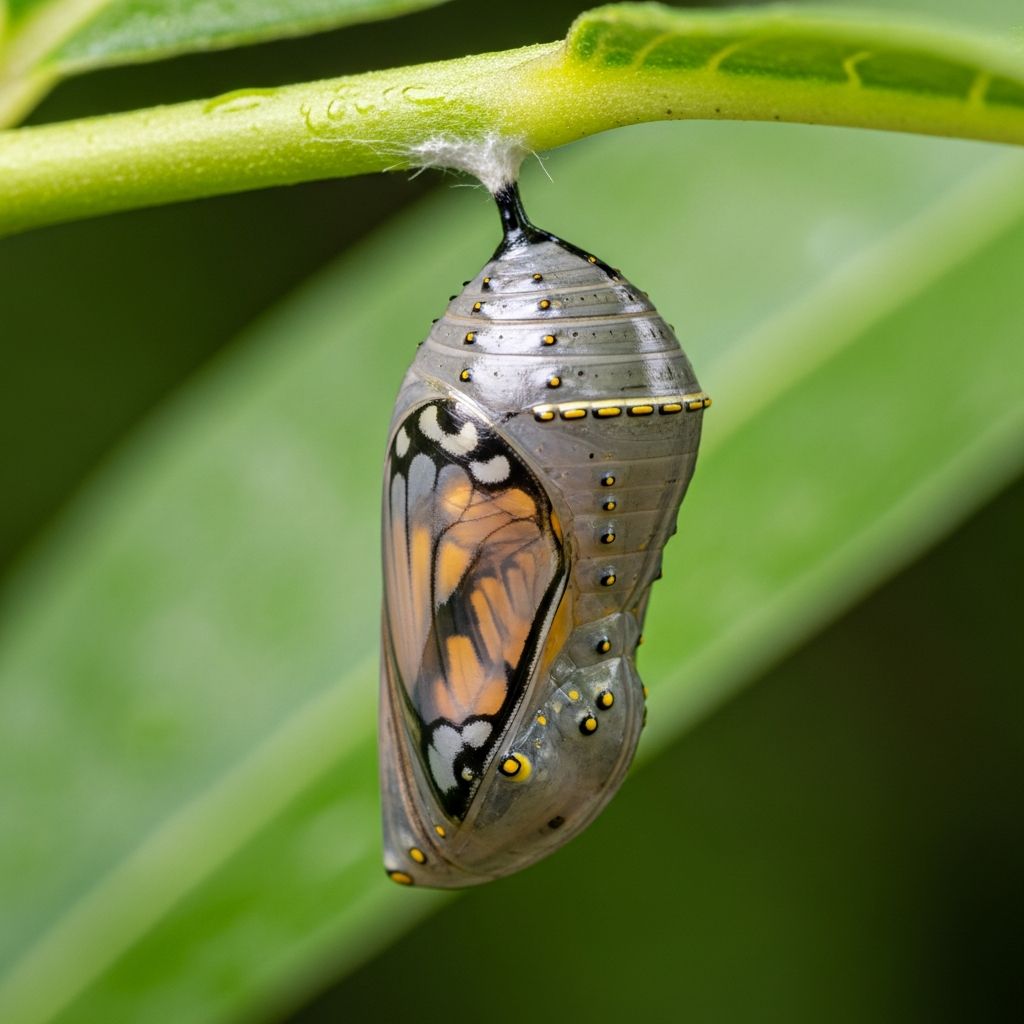
Insects exhibit extraordinary developmental processes known as metamorphosis, which allow them to transition from immature forms to fully functional adults. This transformation is not only a key survival strategy but also a cornerstone of their evolutionary success, enabling adaptation to diverse environments.
The Biological Basis of Insect Development
Metamorphosis in insects is driven by hormonal changes, primarily involving ecdysone and juvenile hormone, which regulate molting and differentiation. During growth, insects shed their exoskeleton multiple times, a process called ecdysis, to accommodate increasing body size. The type and extent of change during these molts define the metamorphosis category an insect belongs to.
There are three primary types: ametabolous, hemimetabolous (incomplete), and holometabolous (complete). Each type reflects varying degrees of morphological and behavioral shifts between juvenile and adult stages.
Ametabolous Development: Gradual Maturation Without Major Changes
Ametabolous insects, such as silverfish and firebrats (order Thysanura), display the simplest form of development. Juveniles, often called nymphs, closely resemble miniature adults from the moment they hatch, differing mainly in size and the immaturity of reproductive organs.
- Hatching occurs directly into a form proportional to the adult.
- Molts increase size progressively, with 10-20 instars possible before maturity.
- No wings or significant structural alterations occur.
This direct development suits stable, unchanging habitats where immediate functionality is advantageous. Silverfish, for instance, thrive in dark, moist environments, scavenging organic debris without needing specialized larval adaptations.
Hemimetabolous Metamorphosis: Incomplete Transformation
Hemimetabolous, or incomplete metamorphosis, involves three stages: egg, nymph, and adult. Nymphs resemble adults but lack fully developed wings and genitalia. Wing pads appear externally in later instars, gradually expanding with each molt.
Key characteristics include:
- Nymphal stages: Multiple molts (usually 5-8), with nymphs feeding similarly to adults.
- Habitat overlap: Many nymphs share adult environments, like terrestrial grasshoppers or aquatic dragonfly naiads.
- Examples: Orders Orthoptera (grasshoppers, crickets), Hemiptera (true bugs, aphids), Odonata (dragonflies), and Mantodea (mantises).
Dragonfly nymphs, for example, are voracious aquatic predators with gills and a specialized labium for capturing prey, transitioning to aerial hunters as adults. This shift highlights niche separation, reducing competition between generations.
Holometabolous Metamorphosis: Complete Overhaul
The most dramatic transformation is holometabolous metamorphosis, featuring four distinct stages: egg, larva, pupa, and adult. Larvae are worm-like, often with chewing mouthparts, vastly different from winged, reproductive adults.
| Stage | Description | Examples |
|---|---|---|
| Egg | Tiny, often laid in clusters; hatches into larva. | Butterfly eggs on leaves. |
| Larva | Feeding/growth phase; molts several times (instars). | Caterpillars, grubs, maggots. |
| Pupa | Resting stage; internal restructuring occurs. | Chrysalis (butterflies), cocoon (moths). |
| Adult | Fully formed; focused on reproduction. | Butterflies, beetles, flies. |
Over 80% of insect species undergo this process, including orders Lepidoptera (butterflies/moths), Coleoptera (beetles), Diptera (flies), and Hymenoptera (bees/wasps). Larval forms specialize in feeding and growth, while pupae undergo histolysis (breakdown of larval tissues) and histogenesis (formation of adult structures).
Larval Diversity in Complete Metamorphosis
Larvae exhibit remarkable morphological variety tailored to their lifestyles:
- Eruciform: Caterpillar-like, with prolegs for locomotion (Lepidoptera).
- Vermiform: Maggot-shaped, legless, for burrowing (Diptera).
- Scarabaeiform: C-shaped grubs in soil (scarab beetles).
- Elateriform: Wireworm-like, hardened for soil dwelling (click beetles).
- Campodeiform: Elongated, active predators (lacewings).
These adaptations optimize resource exploitation, such as caterpillars defoliating plants or maggots decomposing matter.
Hormonal and Genetic Regulation
Metamorphosis is orchestrated by the prothoracic glands producing ecdysone, triggered by brain hormone, and juvenile hormone from corpora allata, which maintains larval characteristics. Declining juvenile hormone levels initiate pupation in holometabolous insects. Genetic programs, involving ecdysone-responsive genes, ensure precise tissue remodeling.
Evolutionary Origins and Advantages
Holometaboly likely evolved from hemimetabolous ancestors around 300 million years ago, offering advantages like reduced competition between life stages and exploitation of varied niches. Larvae can be herbivores or detritivores, while adults pollinate or prey on flyers. This separation enhances survival rates and biodiversity.
Ecological and Practical Implications
Understanding metamorphosis aids pest management. Larval stages of pests like caterpillars or grubs are often more vulnerable to interventions than mobile adults. Conversely, beneficial insects like ladybugs (holometabolous) or predatory mantises (hemimetabolous) support ecosystems through targeted predation.
In gardens, recognizing nymphs versus larvae helps distinguish friends from foes—grasshopper nymphs may nibble crops, but dragonfly nymphs control mosquitoes.
Frequently Asked Questions (FAQs)
What is the difference between complete and incomplete metamorphosis?
Complete (holometabolous) has four stages with a pupa and drastic changes; incomplete (hemimetabolous) has three stages with nymphs resembling adults.
Which insects undergo ametabolous development?
Silverfish and similar primitives; they hatch as mini-adults with no major form changes.
Why do insects molt during metamorphosis?
To shed rigid exoskeletons for growth, regulated by hormones.
Are there exceptions to these metamorphosis types?
Some insects show intermediate forms like paurometabolous, blending hemimetabolous traits.
How does metamorphosis benefit insect survival?
It allows stage-specific adaptations, reducing intra-species competition and broadening ecological roles.
Observing Metamorphosis in Nature
Raising insects like monarch butterflies reveals the pupal miracle: a larva liquifies internally, reassembling into an adult. Similarly, watching grasshopper nymphs develop wing pads offers insight into gradual change. These observations underscore insects’ resilience and adaptability.
In conclusion, insect metamorphosis is a testament to evolutionary ingenuity, with each type finely tuned to lifestyles. From ametabolous simplicity to holometabolous drama, these processes sustain the planet’s most diverse animal group.
References
- Metamorphosis: a remarkable change — The Australian Museum. 2023. https://australian.museum/learn/animals/insects/metamorphosis-a-remarkable-change/
- Insect Metamorphosis — Galveston County Master Gardeners, Texas A&M AgriLife Extension. 2022-10-15. https://txmg.org/galveston/beneficials-in-the-garden-and-landscape/insect-metamorphosis/
- The Stages of Insect Metamorphosis — International Scholars Journals. 2024. https://www.internationalscholarsjournals.com/articles/the-stages-of-insect-metamorphosis-86725.html
- Metamorphosis — Wikipedia (informational, primary sources referenced). 2026-04-01. https://en.wikipedia.org/wiki/Metamorphosis
- Insect Metamorphosis — University of California Riverside, Faculty Page. 2020. https://faculty.ucr.edu/~legneref/entomol/metamorphosis.htm
- Understanding Insect Metamorphosis — Purdue University Extension. 2024-06-01. https://extension.purdue.edu/news/county/whitley/2024/06/understanding-insect-metamorphosis.html

- Integrated M.A. in Applied Linguistics, University of Hyderabad
- 5+ years in editorial, instructional, SEO, and research-based writing
Sneha is a relationships and lifestyle writer with a strong foundation in applied linguistics and certified training in relationship coaching. She brings over five years of writing experience to theskillvault, crafting thoughtful, research-driven content that empowers readers to build healthier relationships, boost emotional well-being, and embrace holistic living. Her writing and insights reflect the belief that beauty, happiness, and wellness…