
Understanding Contemporary Communication in Educational Settings
Modern classrooms face an unprecedented challenge: students arrive with vastly different learning preferences, cultural backgrounds, and exposure to various forms of communication. Traditional instruction methods that rely solely on printed text and lectures no longer suffice for today’s learners. Educational research demonstrates that when teachers deliberately incorporate multiple channels of communication—visual imagery, audio content, physical interaction, and written materials—students develop stronger comprehension and retention of concepts. This approach recognizes that literacy extends far beyond the ability to read and write; it encompasses the capacity to interpret and create meaning through photographs, videos, diagrams, discussions, and hands-on activities.
The foundation for this contemporary approach rests on decades of educational psychology research. Howard Gardner’s groundbreaking work on multiple intelligences revealed that learners possess different cognitive strengths and preferences. When combined with advances in technology and our understanding of how brains process information, educators now understand that presenting information through varied channels—sometimes called multimodal instruction—creates more robust learning pathways. Students who might struggle with dense paragraphs of text can thrive when concepts are accompanied by visual representations or explained through conversation.
The Neuroscience Behind Varied Communication Channels
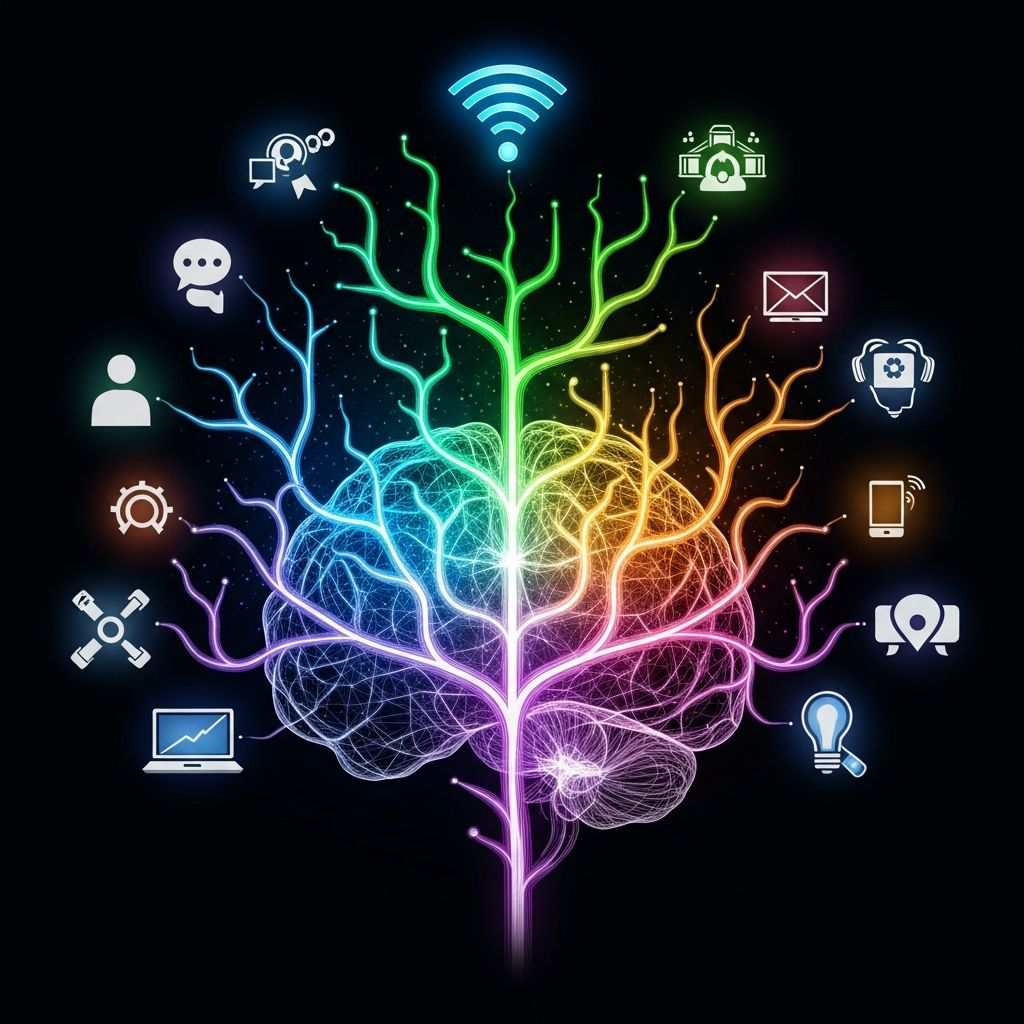
When learners encounter information through multiple sensory channels simultaneously, their brains create stronger neural connections. This phenomenon occurs because different brain regions activate when processing visual information, auditory input, kinesthetic feedback, and linguistic content. By engaging multiple neural pathways, educators essentially create redundancy in how information enters the brain, making the learning experience more resilient and memorable.
Research indicates that students retain approximately 10% of what they read, 20% of what they hear, 30% of what they see, but 50% of what they see and hear, and up to 90% of what they see, hear, and do. This compelling evidence suggests that instruction incorporating visual, auditory, and kinesthetic elements dramatically outperforms single-modality teaching. The implication for educators is clear: designing lessons that intentionally layer multiple communication forms dramatically increases the likelihood that all students will access and internalize the material.
Recognizing Individual Learning Preferences and Strengths
Students demonstrate distinct preferences for how they prefer to receive and process information. Understanding these preferences allows educators to make deliberate choices about instructional design. Rather than assuming all students will benefit from identical teaching methods, educators who recognize individual differences can strategically incorporate multiple communication formats to meet diverse needs within a single classroom.
Visual learners benefit enormously when concepts are presented through diagrams, flowcharts, color-coded materials, and illustrated examples. For these students, seeing relationships between ideas through spatial organization significantly enhances comprehension. Teachers working with visual learners might create concept maps showing how historical events connect, use infographics to present statistical information, or provide image-rich slideshows that support verbal explanations.
Auditory learners thrive when they hear information presented aloud, engage in discussions, and have opportunities to verbally process their thinking. These students often benefit from classroom conversations, podcasts, audiobooks, and teacher explanations. When auditory learners explain concepts in their own words to classmates, they strengthen their understanding by articulating ideas verbally and listening to peers’ perspectives.
Students with reading and writing strengths excel when given opportunities to engage with detailed written explanations, take notes, and express their learning through written formats. These learners benefit from comprehensive textbooks, detailed worksheet explanations, and essay-based assessments. Allowing them to document their thinking through journaling or note-taking supports their natural learning preferences.
Kinesthetic and tactile learners require physical engagement with material. These students need opportunities to manipulate objects, conduct experiments, participate in role-playing activities, and move around the classroom. Abstract concepts become concrete and memorable when students can physically interact with demonstrations, models, or real-world scenarios.
Strategic Integration of Communication Formats in Lesson Design
Effective instruction does not require incorporating every possible communication format into every lesson. Instead, teachers should thoughtfully select formats that align with specific learning objectives and their understanding of their students’ needs. This intentional approach prevents cognitive overload while maximizing the benefits of varied communication channels.
A well-designed lesson might begin with a visual presentation introducing key concepts, followed by a brief video or audio explanation, small group discussion where students talk through their understanding, and finally a hands-on activity applying the concept. Each component serves a distinct purpose while collectively engaging multiple learning pathways. The sequence allows students to encounter information through different channels at strategic moments, reinforcing understanding without overwhelming learners.
Leveraging Discussion as a Cornerstone Strategy
Structured discussion strategies provide powerful opportunities for students to process information verbally and learn from peers’ perspectives. When students articulate their thinking aloud, they clarify their own understanding and test ideas against the perspectives of classmates. Discussion also builds communication skills, fosters collaborative learning, and demonstrates that multiple valid interpretations often exist.
Effective discussion strategies include Think-Pair-Share, where students first reflect individually, then discuss with a partner before sharing with the larger group. This approach ensures even quieter students have opportunity to process before public speaking. Save the Last Word for Me allows students to discuss a passage and have the final speaker present their interpretation, keeping all participants engaged. Take a Stand involves students physically moving to different classroom areas based on their position on a topic, making abstract positions concrete and visible.
Incorporating Digital and Contemporary Media
Today’s students regularly engage with diverse media forms outside the classroom. Videos, podcasts, blogs, wikis, and interactive multimedia represent authentic literacy practices in contemporary society. When educators incorporate these formats into instruction, they validate the communication forms students already use while developing critical literacy skills needed to evaluate and create digital content responsibly.
Rather than replacing traditional print materials, contemporary media can complement and extend learning. A teacher might have students compare a traditional news article with a video news report on the same topic, analyzing how different formats highlight or emphasize different aspects of the story. Students might create their own podcast analyzing a historical event or develop an interactive presentation synthesizing research from multiple sources. These activities require students to understand how different media forms shape meaning and audience understanding.
Blogs and wikis offer particularly valuable opportunities for ongoing writing and collaboration. When students rotate responsibility for updating a class blog, they practice writing for authentic audiences and see their work displayed publicly. Online reader response journals allow students to reflect on texts and review classmates’ perspectives, deepening comprehension through written dialogue with peers.
Expanding Writing Opportunities Across Formats
Writing serves multiple functions in learning: it clarifies thinking, creates permanent records of understanding, and provides evidence of learning progress. Rather than limiting writing to traditional essays or worksheets, educators can expand writing opportunities across varied formats and purposes.
Reflective writing—journaling, free-writing, or reader response activities—helps students process emotions, questions, and developing understanding. This writing need not be graded for mechanics or organization; instead, it serves as a thinking tool. Clarifying writing, including outlines, summaries, and explanatory notes, helps students organize ideas and identify gaps in understanding. Therapeutic writing allows students to explore personal connections to material in safe, supportive environments.
Different writing formats serve different purposes. A student might create a traditional essay analyzing a literary work, design a visual infographic presenting research findings, write song lyrics conveying historical information, or develop a multimedia presentation combining text, images, and video. This variety acknowledges that writing encompasses far more than traditional academic essays.
Managing Cognitive Load in Multimodal Instruction
While multimodal instruction offers substantial benefits, poorly designed implementation can overwhelm students. When too much information arrives through too many channels simultaneously, learners experience cognitive overload—becoming confused, frustrated, and ultimately disengaged. Strategic planning prevents this counterproductive outcome.
| Challenge | Prevention Strategy |
|---|---|
| Information presented through multiple formats simultaneously | Present related visual and textual information closely in time; ensure multimedia elements support rather than compete with each other |
| Excessive external stimuli | Minimize background noise, control lighting, ensure comfortable seating, reduce unnecessary visual clutter |
| Too many different formats in single lesson | Select communication formats intentionally based on learning objectives; ensure each format serves a clear purpose |
| Students uncertain about focus or priority | Explicitly direct student attention; use color, highlighting, or verbal emphasis to indicate what matters most |
Thoughtful implementation considers timing, spacing, and sequencing of different communication formats. When students encounter visual and textual information close together in time, they can integrate both forms of input into a coherent understanding. When formats compete for attention or present conflicting information, confusion results.
Differentiated Assignments Supporting Multiple Expression Modes
Assessment should mirror instruction by allowing students to demonstrate understanding through varied formats. Rather than requiring all students to express learning through identical assignments, differentiated assessments recognize that students understand concepts through different modalities. Some students might demonstrate comprehension through traditional written tests, others through multimedia presentations, some through artistic representations, and others through practical demonstrations.
Guided activities where teachers provide scaffolded support help students successfully engage with varied formats. Group projects combine individual contributions with collaborative learning. Reflection exercises help students articulate what they learned and how different formats supported their understanding. Presentations require students to communicate learning to authentic audiences. Varied test formats—multiple choice, short answer, essays, practical components—provide diverse ways to demonstrate mastery.
Professional Development and Implementation Challenges
Implementing multimodal instruction requires teachers to develop new skills and understanding. Many educators trained in traditional instructional methods must learn how to effectively integrate digital tools, facilitate discussions, design hands-on activities, and assess learning across multiple formats. Professional development supporting this transition should be ongoing, job-embedded, and provide opportunities to observe exemplary practice and collaborate with colleagues.
Common implementation challenges include time constraints, technology access issues, and uncertainty about assessment methods. Teachers addressing these challenges often find that initial time investments pay dividends as students become more engaged and learning deepens. Strategic use of technology, rather than technology for its own sake, helps ensure digital tools support rather than complicate instruction.
Creating Inclusive Learning Environments
Multimodal instruction naturally supports inclusion by providing multiple entry points for diverse learners. Students with visual processing strengths access content through written and visual formats. Auditory learners benefit from discussions and audio materials. Kinesthetic learners engage through hands-on activities. Students with different cultural backgrounds see their communication styles and ways of knowing valued in the classroom.
Students with identified learning disabilities or communication differences also benefit from multimodal approaches. Communication aids like visual supports help students with language challenges participate more fully. Audio versions of texts support students with reading difficulties. Collaborative structures ensure students with social challenges participate with peer support. When teachers deliberately incorporate multiple formats, they simultaneously support students with varying abilities and preferences.
Building Sustainable Practices
Successfully implementing multimodal instruction requires viewing it not as an occasional special project but as an ongoing approach to teaching and learning. Teachers might begin by incorporating one or two new strategies into their existing lessons, then gradually expand as they develop confidence and observe positive results. Starting small allows teachers to learn what works in their specific context with their particular students.
Collaboration with colleagues accelerates learning and sustainability. Teachers who share ideas, observe each other’s lessons, and solve problems collectively develop stronger practices than those working in isolation. Grade-level or subject-area teams can develop common units incorporating multimodal strategies, share resources, and provide mutual support as they implement new approaches.
Evidence of Effectiveness
Research consistently demonstrates that students exposed to instruction incorporating multiple communication formats achieve stronger learning outcomes than those taught exclusively through single modalities. Students report greater engagement, improved motivation, and deeper understanding when lessons incorporate varied formats aligned with their learning preferences. Teachers implementing multimodal approaches often observe increased classroom participation, improved student behavior, and stronger peer collaboration.
The benefits extend beyond immediate test scores. Students develop stronger communication skills, learn to work collaboratively, become more comfortable with diverse perspectives, and develop greater confidence as learners. These outcomes prepare students not just for academic success but for participation in increasingly complex, digitally-mediated society.
Frequently Asked Questions
Q: Do all students need instruction incorporating all communication formats?
A: No. While exposure to varied formats benefits all students, instruction should be strategically designed based on specific learning objectives and student needs. Not every lesson requires every modality; instead, teachers should thoughtfully select formats that support particular concepts and address identified student needs.
Q: How can teachers implement multimodal instruction with limited technology access?
A: Multimodal instruction predates digital technology and does not require extensive resources. Discussion, visual demonstrations, hands-on activities, and varied writing formats can all occur in resource-limited environments. Technology enhances but does not define multimodal instruction.
Q: How do teachers assess learning when students demonstrate understanding through varied formats?
A: Teachers can develop rubrics specific to different formats or create assessment systems recognizing that diverse expressions of understanding indicate competency. Providing multiple assessment options often reveals stronger student learning than single-format assessments.
Q: What training do teachers need to effectively implement multimodal instruction?
A: Teachers benefit from professional development covering learning theory, specific strategies, technology integration, and assessment methods. However, teachers can also build skills gradually through peer collaboration, reflection on practice, and ongoing learning communities focused on instructional improvement.
Q: How does multimodal instruction support English learners and students with disabilities?
A: Multiple communication formats provide multiple pathways to meaning-making, benefiting students with language or processing challenges. Visual supports, simplified language paired with images, hands-on demonstration, and peer discussion all help diverse learners access content more successfully.
References
- Teaching With Multiple Modalities — Read Write Think, International Reading Association. 2024. https://www.readwritethink.org/professional-development/strategy-guides/teaching-multiple-modalities
- 35 Multimodal Learning Strategies and Examples — Prodigy Game. 2024. https://www.prodigygame.com/main-en/blog/multimodal-learning
- Multiliteracies in the Classroom: Emerging Conceptions of First-Year Teachers — ERIC Education Resources Information Center, U.S. Department of Education. 2013. https://files.eric.ed.gov/fulltext/EJ1030724.pdf
- Multiple Literacies in the English Language Classroom — National Geographic Learning. 2024. https://infocus.eltngl.com/2024/10/29/multiple-literacies-in-the-english-language-classroom/

Medha Deb is an editor with a master's degree in Applied Linguistics from the University of Hyderabad. She believes that her qualification has helped her develop a deep understanding of language and its application in various contexts. Medha specializes in the areas of beauty, health, sports, and wellness and is committed to ensuring that the content on the website is…