
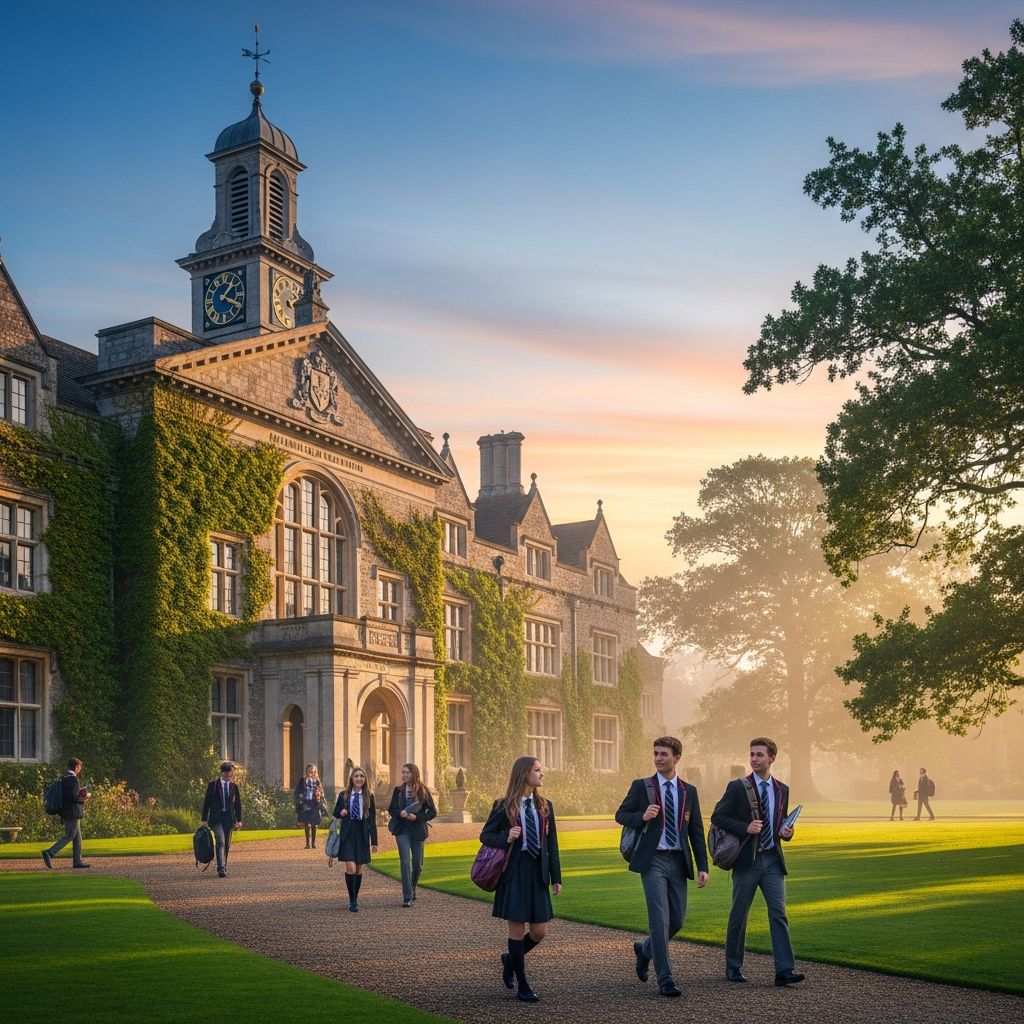
Boarding schools represent a distinctive approach to education where students reside on campus, immersing themselves fully in academic, social, and personal development activities. These institutions blend rigorous learning with communal living, fostering environments that extend beyond traditional classrooms.
Defining Residential Learning Environments
At their core, boarding schools provide students with lodging, meals, and instruction under one roof, creating a holistic educational experience. Unlike day schools, where pupils commute home each evening, boarders—those who live on-site—engage in a 24/7 schedule that integrates classes, extracurriculars, and residential life seamlessly.
Institutions vary in structure: some host full-time residents throughout the academic year, while others offer weekly options where students return home on weekends. Flexible boarding allows pupils to stay during high-demand periods like exam weeks, accommodating diverse family needs. Many schools also welcome day pupils who attend classes but live off-campus, blending communities effectively.
Historical Evolution of On-Campus Education
The concept of boarding schools traces back millennia, with formal records appearing as early as 1665, though literary and archival evidence suggests even ancient origins. In the UK, the boarding house model emerged centuries ago, evolving from simple lodging to structured ‘houses’ led by housemasters or mistresses acting in loco parentis.
These houses became central to school identity, named after founders or figures, promoting rivalry through sports and academics while building familial bonds. Over time, the model spread globally, adapting to cultural contexts—from elite preparatory academies to public options aiding underprivileged youth. In the U.S., they shifted toward college preparation, emphasizing discipline and holistic growth.
Everyday Life in a Boarding Environment
A typical day begins early, often with structured routines that instill discipline: wake-up calls around 7 AM, followed by breakfast, morning classes, and supervised study halls. Afternoons feature sports, clubs, or arts, with evenings dedicated to prep sessions, dinners, and relaxation in common areas.
Residential buildings, or houses, function as extended families. Led by houseparents, teams of tutors, matrons, and assistants provide pastoral care, ensuring emotional and academic support. Shared spaces like dining halls, libraries, and lounges encourage interaction, while dorms offer private study-bedrooms.
- Morning Routine: Wake-up, hygiene, breakfast, assembly.
- Academic Block: Core classes from 8:30 AM to lunch.
- Afternoon Activities: Sports, music, debate—mandatory participation builds skills.
- Evening Wind-Down: Supervised prep, supper, free time, lights out by 10 PM.
This rhythm promotes time management and resilience, preparing students for independent adulthood.
Key Advantages of Choosing Boarding
Boarding schools excel in cultivating independence, as students manage schedules, laundry, and social dynamics away from parents. The immersive setting yields superior academic outcomes, with peers motivating high achievement and constant access to teachers.
| Aspect | Boarding Schools | Day Schools |
|---|---|---|
| Schedule | Full immersion, structured 24/7 | Classes only, home evenings |
| Independence | High: self-managed living | Moderate: parental oversight |
| Community | Intense bonds, house rivalries | Local friends, less depth |
| Resources | Round-the-clock facilities | Limited to school hours |
Additionally, global diversity enriches perspectives, and specialized programs in sports or arts thrive in dedicated facilities. Research links boarding to enhanced leadership and adaptability.
Potential Drawbacks and Considerations
High costs pose barriers, often exceeding public or day private tuition significantly. Homesickness affects many initially, requiring strong support systems. The structured life suits disciplined students but may overwhelm others needing flexibility.
Parents must assess fit: visits, interviews, and trials help gauge cultural alignment. Single-sex versus coed options influence social development, with houses fostering safe rivalries.
Diverse Types of Boarding Institutions
Boarding schools span categories tailored to needs:
- College-Preparatory: Focus on AP courses, dual enrollment for university readiness.
- Therapeutic: Address behavioral challenges with counseling alongside academics.
- Sports Academies: Integrate elite training with schooling.
- Public Boarding: Accessible options for underserved families.
- Religious or Military: Emphasize values, discipline.
Weekly or five-day programs ease transitions for local families.
Global Perspectives on Boarding Education
In the UK, houses embody tradition, with inter-house competitions building loyalty. U.S. models prioritize college prep, often for grades 7-12. Internationally, variations include elite European lycées and Asian academies blending local curricula with boarding.
Modern trends incorporate technology, mental health resources, and inclusivity, adapting ancient models to contemporary demands.
Preparing for the Boarding Experience
Families should research accreditation, visit campuses, and review outcomes like college placements. Students benefit from pre-boarding camps to build resilience. Parental involvement via portals and holidays sustains bonds.
Ultimately, boarding suits ambitious youth thriving in structured, communal settings.
Frequently Asked Questions (FAQs)
What age groups attend boarding schools?
Primarily grades 7-12, though some start earlier; K-12 options exist.
Are boarding schools only for the wealthy?
No, scholarships and public variants provide access.
How do boarders handle homesickness?
House staff offer counseling; most adapt within weeks.
Can day students attend boarding schools?
Yes, many mix day pupils with boarders.
What makes boarding superior academically?
Extended study time, peer motivation, teacher availability.
References
- What is Boarding School: Everything You Need to Know — Lord Wandsworth College. 2023-05-15. https://www.lordwandsworth.org/news/insights/what-is-boarding-school/
- Boarding school – Wikipedia — Wikimedia Foundation. 2026-04-01. https://en.wikipedia.org/wiki/Boarding_school
- What Is a Boarding School? Key Benefits Explained — IMG Academy. 2025-08-20. https://www.imgacademy.com/boarding-school/what-is-it-and-benefits
- Boarding school | Definition, History, Variations, & Facts — Encyclopædia Britannica. 2026-03-10. https://www.britannica.com/topic/boarding-school
- Curious About Boarding School? Here’s What You Need to Know — College Raptor. 2024-11-12. https://www.collegeraptor.com/find-colleges/articles/student-life/what-is-boarding-school/
- Boarding Schools | Education | Research Starters — EBSCO. 2025-02-28. https://www.ebsco.com/research-starters/education/boarding-schools
- What is Boarding School? – Marine Military Academy — Marine Military Academy. 2024-09-05. https://www.mma-tx.org/blog/13362/boarding-school-101-what-is-boarding-school/

Medha Deb is an editor with a master's degree in Applied Linguistics from the University of Hyderabad. She believes that her qualification has helped her develop a deep understanding of language and its application in various contexts. Medha specializes in the areas of beauty, health, sports, and wellness and is committed to ensuring that the content on the website is…