
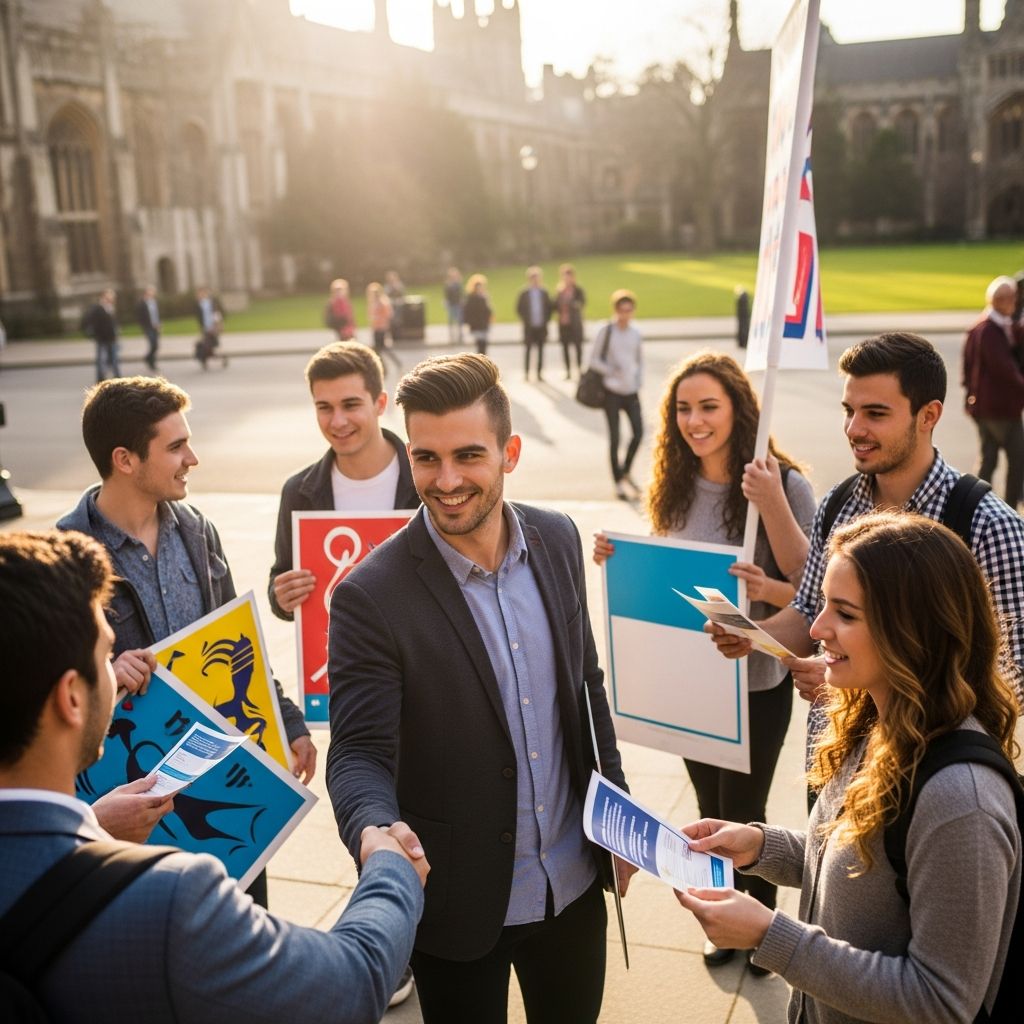
Student council offers a powerful platform for young leaders to influence school life, organize events, and voice student concerns. Success requires strategic planning, genuine passion, and effective communication. This guide provides a roadmap to navigate elections confidently, drawing from proven tactics used by victorious candidates.
Understanding Student Council Roles and Responsibilities
Each position in student council carries unique duties that shape school culture. Selecting the right role aligns your strengths with the school’s needs, increasing your chances of election and impact.
- President: Leads meetings, spearheads major initiatives like dances or fundraisers, and acts as the primary student voice to administration.
- Vice President: Assists the president, manages committees, and fills in during absences to ensure smooth operations.
- Secretary: Records minutes, handles correspondence, and disseminates council decisions to the student body.
- Treasurer: Oversees budgets, tracks fundraising, and reports financial status transparently.
- Representatives: Advocate for specific grades or groups, gathering feedback and proposing improvements.
Beginners should target treasurer or secretary roles, as they face less competition while offering substantial involvement in planning events.
| Role | Key Duties | Ideal Skills |
|---|---|---|
| President | Lead events, represent students | Charisma, organization |
| Vice President | Support, coordinate teams | Teamwork, reliability |
| Secretary | Record-keeping, communication | Detail-oriented, writing |
| Treasurer | Budget management | Math, accountability |
Assessing Eligibility and School Rules
Every school sets specific criteria to ensure candidates are responsible leaders. Common requirements include a minimum GPA, clean disciplinary record, and grade-level restrictions. For instance, officer positions often demand a 3.0 GPA or higher and no major infractions.
Review your student handbook or election guidelines early. Some institutions require teacher recommendations or volunteer hours. Meeting these prevents disqualification after investing in a campaign. Contact advisors for clarification on processes like nomination forms or video submissions required in assemblies.
Clarifying Your Motivation and Vision
Define why you want to serve and what changes you’ll pursue. This ‘why’ fuels perseverance and resonates with voters. Articulate three core reasons, such as improving campus events, enhancing mental health resources, or boosting spirit through new clubs.
Your vision should address real issues: survey peers on concerns like cafeteria options, parking, or extracurriculars. Passionate, achievable goals distinguish you from generic promises.
Researching School Needs and Competitors
Observe your school ecosystem. Attend events, chat in hallways, and use anonymous polls to identify pain points. Is the lounge outdated? Are spirit weeks lackluster? Tailor promises to these gaps.
Study opponents ethically: note their platforms without negativity. Highlight your unique strengths, like fresh ideas or prior involvement, to position yourself favorably.
Building a Compelling Personal Brand
Authenticity wins votes. Craft a consistent message: ‘Reliable leader for better school spirit.’ Develop an elevator pitch: introduce yourself, state your role, share qualifications, and outline goals in 30 seconds.
Create a voter persona: average a typical supporter’s age, interests, and concerns. Design a simple logo with school colors using free tools. This brand appears on all materials for recognition.
Designing Eye-Catching Campaign Materials
Visuals amplify reach. Produce posters with bold slogans, your photo, and key promises. Flyers for handouts should be pocket-sized with QR codes to social pages.
Use digital templates for professionalism. Place posters in high-traffic areas like cafeterias and lockers, following school rules. Refresh designs weekly to maintain buzz.
Leveraging Social Media and Digital Tools
In today’s connected world, platforms like Instagram, Snapchat, and TikTok are essential. Post stories showing your personality: behind-the-scenes planning or peer testimonials.
Create short videos explaining platforms or fun challenges. A campaign page shares updates and live Q&As. Track engagement to refine messaging, but prioritize school-approved channels.
Networking and Rallying Support
Personal connections drive votes. Start with friends as advocates; in large schools, they extend your reach. Attend clubs, sports, and lunches to build alliances.
Host informal meetups or tabling events for direct engagement. Offer stickers or buttons as swag. Gratitude and follow-up solidify loyalty.
Mastering Public Speaking and Presentations
speeches seal elections. Practice daily: mirror rehearsals hone pace, gestures, and eye contact. Structure talks with intro, qualifications, agenda, and call-to-action.
Time yourself to fit limits. Use humor and stories for memorability. Record sessions for self-review, focusing on confidence over perfection.
Maintaining Integrity and Realism
Honesty builds trust. Avoid overpromising, like policy changes beyond council power. Focus on feasible wins: ‘I’ll push for more study spaces.’
Handle attacks gracefully, redirecting to positives. Post-election, whether winning or not, thank supporters and stay involved.
Election Day Tactics and Follow-Through
Mobilize volunteers for reminders and polling station presence. Celebrate responsibly. If elected, hit the ground running: schedule first meeting, delegate tasks.
Track promises with updates. This legacy boosts future opportunities like college apps.
Frequently Asked Questions (FAQs)
What if I’m new to leadership?
Start small; treasurer or rep roles build experience with lower competition. Highlight transferable skills like group projects.
How do I stand out in a crowded race?
Unique, student-focused promises and strong visuals differentiate you. Network personally.
Can social media really sway votes?
Yes, especially for Gen Z; engaging content reaches non-contacts effectively.
What if I lose?
Volunteering keeps you involved; many winners ran multiple times.
Are there national opportunities?
Groups like National Student Council offer advanced leadership for active members.
References
- 10 Techniques to Help You Win the Student Council Election — Canva. 2023-05-15. https://www.canva.com/learn/10-techniques-to-help-you-win-the-student-council-election/
- How to Win Student Council: 12 Tips for Running Your Campaign — College Raptor. 2024-02-20. https://www.collegeraptor.com/getting-in/articles/college-applications/how-to-win-student-council-10-tips-for-running-your-campaign/
- How to Join Your High School’s Student Council — PrepScholar Blog. 2023-09-10. https://blog.prepscholar.com/how-to-join-student-council
- Student Council Election Process — Woodside School. 2025-01-15. https://www.woodsideschool.us/Upper-School/Participation/Student-Council/Election-Process/index.html
- National Student Council — NASC. 2025-03-01. https://www.natstuco.org/leadership-development/national-student-council/

Medha Deb is an editor with a master's degree in Applied Linguistics from the University of Hyderabad. She believes that her qualification has helped her develop a deep understanding of language and its application in various contexts. Medha specializes in the areas of beauty, health, sports, and wellness and is committed to ensuring that the content on the website is…