
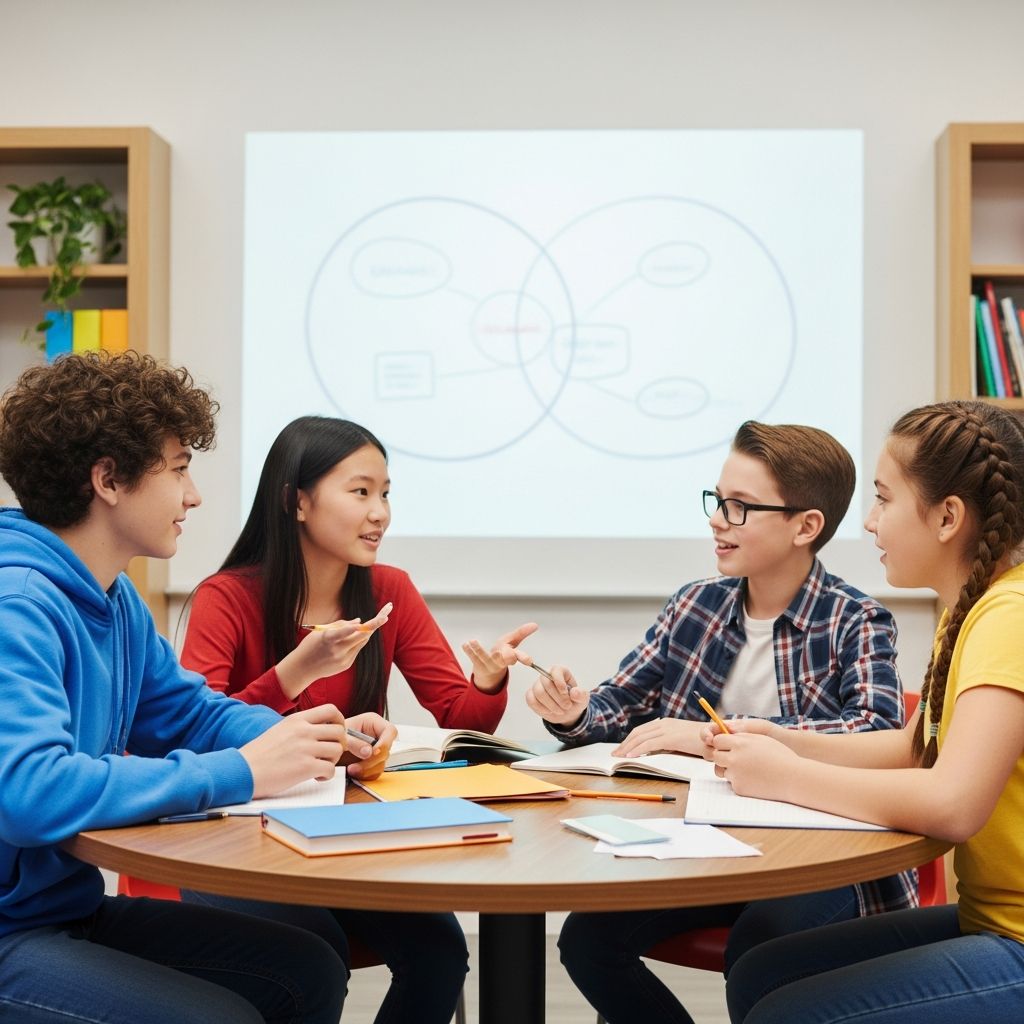
Middle school is a pivotal time for developing essential life skills like critical thinking, persuasive communication, and respectful disagreement. Structured debates provide an ideal platform for students in grades 5-8 to explore diverse viewpoints, back arguments with evidence, and articulate ideas confidently. This article presents a fresh collection of over 100 debate topics, thoughtfully categorized to suit varying maturity levels and interests. Whether you’re a teacher planning class activities or a student preparing for a competition, these prompts spark lively discussions while aligning with educational standards.
Why Debates Matter in Middle School Classrooms
Debating encourages students to research thoroughly, organize thoughts logically, and respond to counterarguments in real-time. According to educational research, regular debate practice enhances reading comprehension, writing proficiency, and empathy by exposing participants to opposing perspectives. It also builds resilience against peer pressure, a key concern during adolescence. Teachers report that debates increase engagement, with students retaining 75-90% more information from interactive formats compared to lectures.
To maximize benefits, select topics that resonate with students’ lives—school policies, pop culture, or global challenges—while ensuring they are balanced and researchable. Start with lighter themes for novices, progressing to complex issues as skills grow.
Fun and Lighthearted Debate Ideas
These playful prompts ease students into debating, focusing on humor and everyday preferences to reduce anxiety and build confidence.
- Is a hot dog truly a sandwich?
- Pepperoni beats all other pizza toppings.
- Dogs make superior pets compared to cats.
- Summer vacation trumps winter break every time.
- Video games sharpen the mind more than board games.
- Rats can be surprisingly great companions.
- Monday holidays are preferable to Fridays.
- Superheroes in comics outmatch those in movies.
- Ice cream belongs in every meal.
- Teleports would ruin surprise parties.
Use these for icebreaker rounds; they often reveal surprising insights into group dynamics.
School Life and Policy Debates
Topics tied to daily routines prompt personal investment and teach civic engagement from a young age.
| Pro Side Argument | Topic | Con Side Argument |
|---|---|---|
| Promotes equality | Schools should enforce uniforms. | Stifles individuality |
| Reduces distractions | The school day needs shortening. | Maintains routine |
| Boosts fitness | PE should be mandatory through grade 12. | Not for everyone |
| Encourages empathy | Mental health days ought to be standard. | Abuse potential |
| Real-world prep | Life skills should replace some academics. | Core knowledge first |
- Students ought to evaluate teachers.
- Homework deserves a total ban.
- Hats should be permitted in class.
- More recess time for middles schoolers.
- Tablets over textbooks for learning.
- Year-round schooling benefits everyone.
- No penalties for minor curse words.
- Class pets in every room.
- Foreign languages before coding.
- Volunteer service as a graduation must.
Technology and Digital World Topics
In an era dominated by screens, these debates explore tech’s double-edged impact on youth.
- Social media requires strict age limits.
- Screens need parental caps for kids.
- AI will soon outperform human teachers.
- Phones belong in schools with rules.
- Tech isolates us more than connects.
- Gaming boosts creativity over harm.
- Robots make ideal babysitters.
- Apps for grading homework fairly.
- Virtual reality enhances history lessons.
- Cyberbullying laws need strengthening.
Encourage evidence from studies on screen time’s effects on sleep and focus.
Social and Ethical Challenges
These prompts introduce nuance around fairness, rights, and morality without overwhelming younger debaters.
- Zoos prioritize conservation over cruelty.
- Vegetarianism suits everyone best.
- Chores are essential family duties.
- Museums and zoos free for all.
- Gender-neutral bathrooms everywhere.
- Cheating on tests sometimes justified.
- Retests for failed exams always.
- Pets over people as best friends.
- Bedtimes chosen by kids themselves.
- Cooking classes over extra math.
Environmental and Global Concerns
Instill responsibility with topics linking local actions to planetary health.
- Climate change overshadows all threats.
- Junk food ads warrant a ban.
- Fossil fuels must end now.
- Electric cars superior to gas ones.
- Recycling programs in every school.
- Plastic bags outlawed completely.
- Animals deserve no lab testing.
- Everyone plant a tree yearly.
- Public transit beats personal cars.
- National parks free admission.
Broader Societal Issues
For advanced groups, tackle policy and culture with guidance.
- Vaping and smokes fully banned.
- Death penalty abolished forever.
- Gun laws tightened for safety.
- Voting mandatory for citizens.
- Democracy tops all governments.
- Nuclear arms surrendered globally.
- Single-sex schools excel.
- Standardized tests do more harm.
- Drug legalization with taxes.
- Diet culture harms society.
Implementing Effective Classroom Debates
Success hinges on structure. Assign teams randomly for fairness, allocate 5-10 minutes per speech, and enforce civility rules. Prep with graphic organizers for pros/cons. Post-debate, facilitate reflections: “Did views shift? What evidence stood out?” This cements learning.
For inclusivity, offer non-speaking roles like timekeeper or fact-checker. Adapt for virtual settings with breakout rooms. Track progress via rubrics scoring research, delivery, and rebuttals.
Frequently Asked Questions
How do I select the best topics for beginners?
Opt for fun, relatable ones like pet preferences or food debates to build comfort before serious issues.
What’s the ideal debate length for middle school?
20-40 minutes total, with 2-3 minute speeches to match attention spans.
Should debates have winners?
Focus on growth over victory; use peer voting or reflections for closure.
Can debates fit any subject?
Yes—integrate into English for rhetoric, science for ethics, or history for policy analysis.
How to handle sensitive topics?
Preview for maturity, provide resources, and emphasize respect; have alternatives ready.
Expanding Debates into Full Projects
Elevate by linking to essays, podcasts, or school assemblies. Students research via libraries or approved sites, citing sources to combat misinformation. Competitions like those from the National Speech & Debate Association offer motivation. Parental buy-in via newsletters showcases real-world skills gained.
Incorporate multimedia: visuals for climate topics or polls for school policies. Differentiate by skill—advanced students handle rebuttals, others prepare openings. Over time, debates foster lifelong debaters equipped for democracy.
References
- National Standards for K-12 Debate Education — National Speech & Debate Association. 2023-09-15. https://www.speechanddebate.org/standards/
- Debate Participation and Student Academic Achievement — Harvard University, Kennedy School. 2022-05-10. https://www.hks.harvard.edu/publications/debate-participation-and-student-academic-achievement
- Middle School Public Debate Program Guidelines — Public Debate Program (edu.gov affiliated). 2024-01-22. https://www.publicdebateprogram.org/middleschool-sampletopics
- Effects of Structured Academic Controversies on Middle Schoolers — Journal of Educational Psychology (APA). 2021-11-03. https://doi.org/10.1037/edu0000665
- Forensics Education Standards for Grades 6-8 — National Forensic League. 2023-07-18. https://www.nflonline.org/library/publications/

- Integrated M.A. in Applied Linguistics, University of Hyderabad
- 5+ years in editorial, instructional, SEO, and research-based writing
Sneha is a relationships and lifestyle writer with a strong foundation in applied linguistics and certified training in relationship coaching. She brings over five years of writing experience to theskillvault, crafting thoughtful, research-driven content that empowers readers to build healthier relationships, boost emotional well-being, and embrace holistic living. Her writing and insights reflect the belief that beauty, happiness, and wellness…