
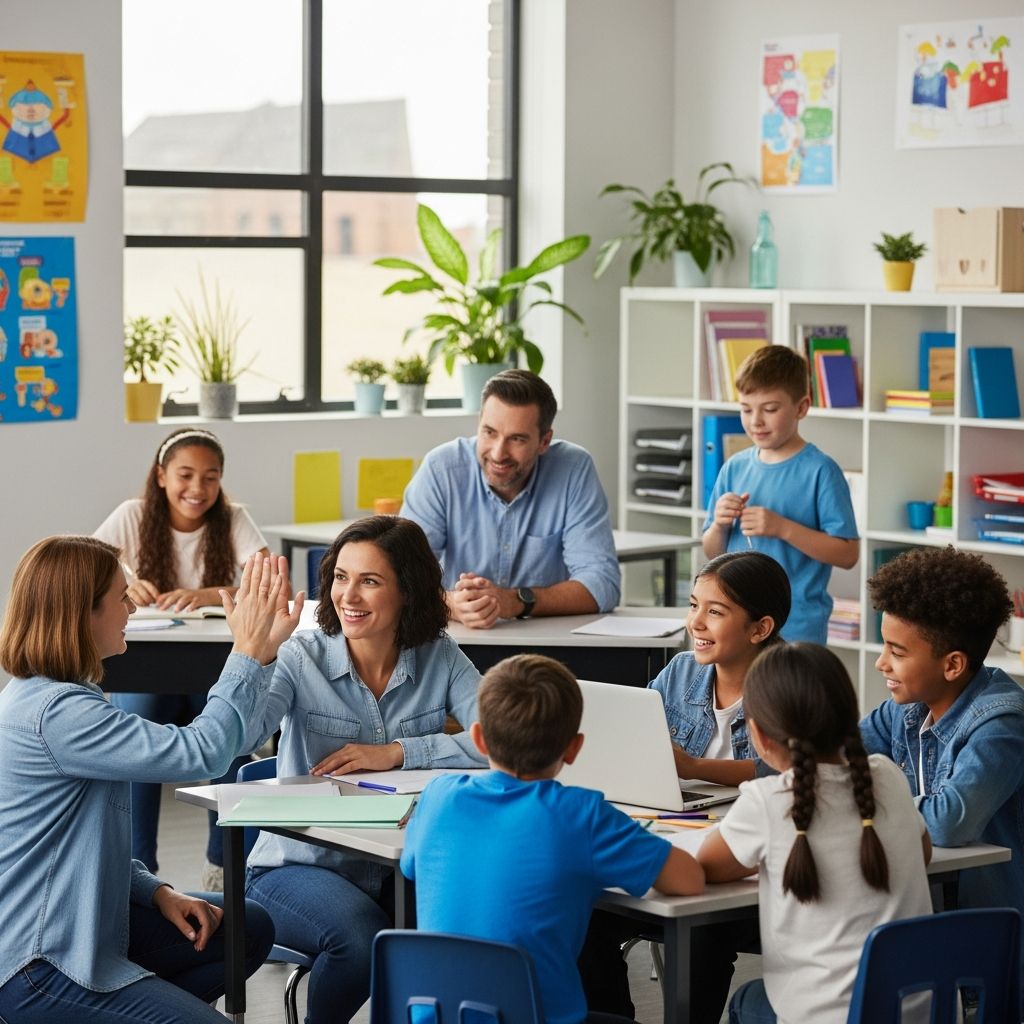
Positive interactions between students and teachers form the foundation of a successful learning environment. When students actively work to improve these relationships, they gain better support, clearer guidance, and increased confidence in their academic journey. This article outlines seven practical strategies drawn from educational best practices to help students foster meaningful connections with their educators.
Why Strong Student-Teacher Bonds Matter
Effective communication with teachers directly influences academic performance and emotional well-being. Research shows that students who engage positively with educators receive more personalized feedback and timely assistance, leading to reduced anxiety and higher achievement. Teachers who perceive students as proactive responders are more likely to invest time in their success, creating a cycle of mutual respect and support.
In virtual or in-person settings, these bonds help clarify expectations and address challenges early. Students equipped with communication skills not only excel in school but also develop lifelong abilities in self-advocacy and relationship-building.
Strategy 1: Prepare Thoughtfully Before Engaging
Success in teacher interactions starts with preparation. Students should take time to organize their thoughts, jot down specific questions or concerns, and rehearse what they want to say. This approach demonstrates respect for the teacher’s time and ensures conversations are productive.
- Write down key points: List the main issue, relevant details, and desired outcomes.
- Anticipate responses: Consider possible teacher feedback to refine your approach.
- Practice aloud: Rehearse with a family member or mirror to build confidence.
Preparation reduces nervousness and helps students articulate needs clearly, such as asking about a specific assignment step rather than vague confusion.
Strategy 2: Select Optimal Times and Methods
Timing and medium matter greatly. Approach teachers during designated office hours, before or after class, or via appropriate email rather than rushed moments between periods. In online classes, use platforms like learning portals or email for visibility and prompt replies.
| Setting | Best Times | Preferred Methods |
|---|---|---|
| In-Person | Office hours, end of class | Face-to-face, scheduled meetings |
| Virtual | Announced availability | Learning portal, email |
| Urgent Issues | Immediate post-class | Polite email summary |
Choosing wisely shows maturity and increases the likelihood of thorough responses.
Strategy 3: Begin with Respectful Greetings
A warm, polite opening sets a positive tone. Simple phrases like “Hello, Mr. Johnson” or “Good morning, Professor Lee” signal respect and approachability. Avoid jumping straight into demands; ease into the conversation naturally.
Teachers respond better to courteous initiations, which humanize the interaction and encourage empathy. Pair this with a smile or nod in person to convey enthusiasm.
Strategy 4: Communicate Clearly and Specifically
Vague statements hinder help. Instead, state purposes directly: “Could you clarify the formula for problem 5 on the homework?” Specifics allow teachers to provide targeted guidance efficiently.
- Avoid: “I don’t understand this.”
- Use: “I’m stuck on how to balance the equation in section 2.”
This precision respects the teacher’s expertise and yields actionable advice, strengthening trust over time.
Strategy 5: Practice Active Listening
Engagement goes beyond speaking. Maintain eye contact, nod to show understanding, and paraphrase responses: “So, you’re suggesting I review chapter 3 first?” This confirms comprehension and invites further explanation if needed.
Active listening builds rapport, as teachers feel valued. It also prevents misunderstandings, ensuring students apply advice correctly.
Strategy 6: Express Gratitude and Seek Feedback
Always end interactions positively. Thank the teacher: “Thank you for explaining that; it makes sense now.” Requesting feedback on your communication, like “Was there a better way I could have asked?” shows growth mindset.
Gratitude fosters goodwill, making future approaches easier. It aligns with best practices where empathy and personalization enhance relationships.
Strategy 7: Follow Up Persuasively
If issues persist, follow up politely. Send a brief email recapping the discussion and noting progress: “After our talk, I tried the method you suggested, but I’m still unclear on X.” Persistence demonstrates commitment without nagging.
Track interactions in a journal to monitor patterns and improvements. Consistent follow-through solidifies reliability in teachers’ eyes.
Overcoming Common Barriers
Nervousness, shyness, or fear of judgment often deter students. Combat this by starting small—ask one question per week—and role-playing at home. Parents can model by sharing their experiences, reinforcing that mistakes are learning opportunities.
For diverse learners, like English language students, speak slowly and request written summaries to aid understanding.
Benefits Across Learning Environments
These strategies adapt seamlessly to hybrid, online, or traditional classrooms. In virtual settings, leverage tools like portals for visible, prompt messaging—teachers report 91% effectiveness in quick responses. Group activities further enhance skills through peer practice.
Role of Parents and Guardians
Adults play a crucial coaching role. Practice scenarios at home, celebrate efforts, and encourage independence. Sharing personal stories normalizes the process, building resilience.
- Model polite emails or calls.
- Discuss outcomes post-interaction.
- Remind students teachers value initiative.
Long-Term Impact on Success
Mastering these strategies equips students for high school, college, and careers. Improved communication correlates with better grades, stronger recommendations, and self-confidence. Educational leaders emphasize consistent channels and feedback for inclusive environments.
Frequently Asked Questions (FAQs)
What if I’m too shy to approach my teacher?
Start with email or a note. Build up to in-person talks gradually. Practice reduces anxiety over time.
How soon should I expect a reply?
Most teachers respond within 24 hours, especially via official portals.
Is it okay to email about grades?
Yes, politely and specifically. Include assignment details for quick reference.
What if the teacher seems unapproachable?
Try office hours or another class period. Persistence with respect often softens interactions.
Can these tips help in group projects?
Absolutely—clear communication improves teamwork and teacher perceptions.
Conclusion
Implementing these seven strategies transforms student-teacher dynamics, paving the way for academic excellence and personal development. Start today with one tip, and watch connections flourish.
References
- Understanding Teacher-Student Communication in Virtual Learning — Michigan Virtual. 2023. https://michiganvirtual.org/research/publications/understanding-teacher-student-communication/
- Practical Steps for Student-Teacher Communication — K12 Tutoring. 2024. https://tutoring.k12.com/resources/skills/self-advocacy/communicating-with-teachers/practical-steps-for-student-teacher-communication/
- Effective Communication Systems for a Classroom — Graduate Programs. 2023. https://www.graduateprogram.org/blog/effective-communication-systems-for-a-classroom/
- Effective Communication in the Classroom: Skills for Teachers — High Speed Training. 2024. https://www.highspeedtraining.co.uk/hub/communication-skills-for-teachers/
- Communication Strategies for All Classrooms — Reading Rockets. 2022. https://www.readingrockets.org/topics/dyslexia/articles/communication-strategies-all-classrooms-focusing-english-language-learners

Medha Deb is an editor with a master's degree in Applied Linguistics from the University of Hyderabad. She believes that her qualification has helped her develop a deep understanding of language and its application in various contexts. Medha specializes in the areas of beauty, health, sports, and wellness and is committed to ensuring that the content on the website is…