
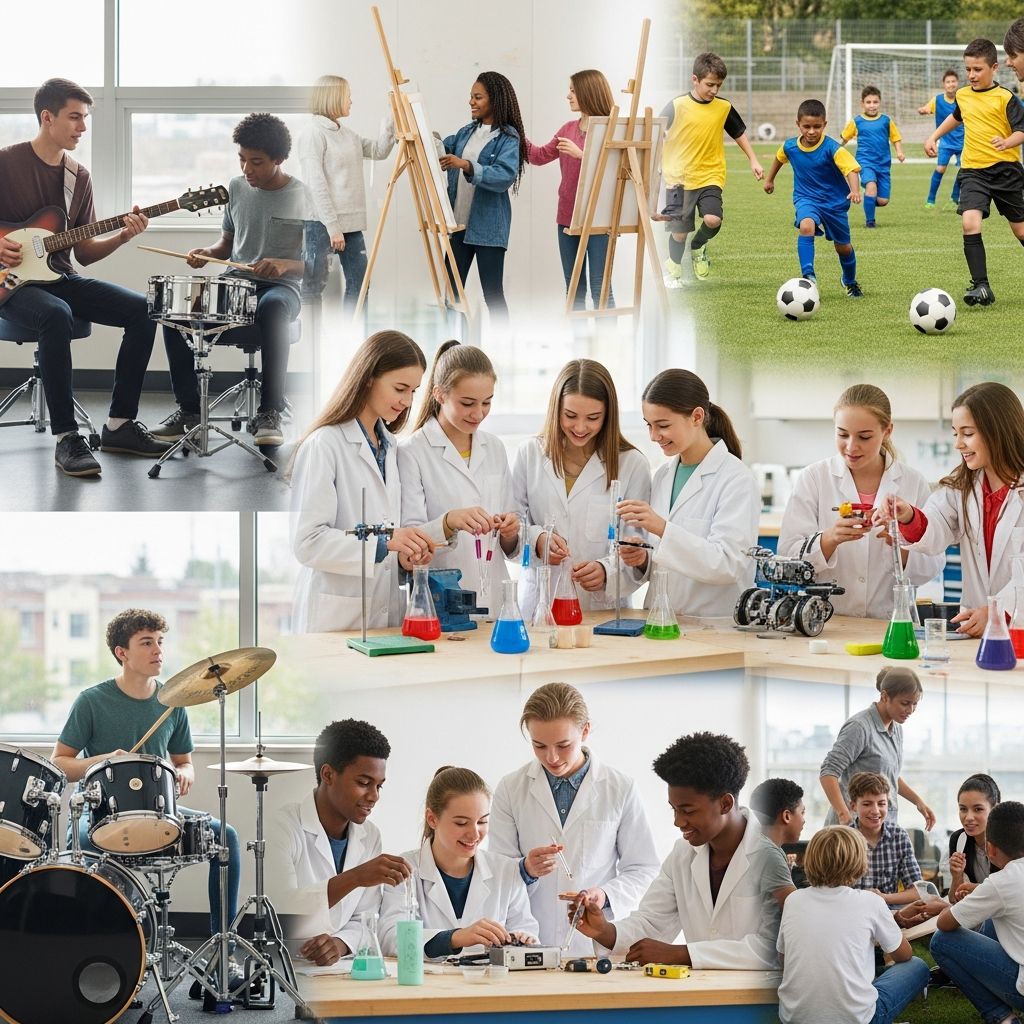
Extracurricular activities in K-12 education serve as vital extensions of the classroom, offering students opportunities to explore interests, develop skills, and form connections beyond core academics. These programs, ranging from sports teams to academic clubs, have been linked to improved outcomes across multiple domains of student life.
Academic Advantages of After-School Engagement
Participation in extracurriculars consistently correlates with stronger academic results. Students involved in these activities often exhibit higher grade point averages, better attendance records, and increased likelihood of graduation. Research highlights how such engagements sharpen executive functions like time management and organization, directly translating to classroom success.
For instance, activities demanding mental stimulation, such as debate clubs or robotics teams, reinforce discipline and focus. These experiences teach students to balance commitments, a skill that enhances study habits and test performance. Moreover, the sense of purpose gained from extracurricular involvement boosts motivation, encouraging deeper engagement with schoolwork.
- Higher GPAs and test scores: Studies show participants outperform peers in math and reading assessments.
- Improved attendance: Engaged students miss fewer days, maintaining continuity in learning.
- Graduation rates: Involvement predicts higher completion rates and college readiness.
Social and Emotional Growth from Group Activities
Beyond academics, extracurriculars are powerful tools for social development. They create environments where students collaborate, communicate, and build empathy through shared goals. Team sports, for example, teach cooperation and conflict resolution, while clubs foster lasting friendships among like-minded peers.
These interactions are especially crucial post-pandemic, helping students rebuild connections and a sense of belonging in school communities. Adult mentors in these programs often become role models, providing guidance that strengthens emotional resilience and social competencies.
| Skill Developed | Example Activity | Key Benefit |
|---|---|---|
| Communication | Debate Club | Articulate ideas confidently |
| Teamwork | Sports Teams | Collaborate toward common goals |
| Empathy | Community Service | Understand diverse perspectives |
| Leadership | Student Council | Guide and motivate groups |
Mental Health and Well-Being Improvements
Extracurriculars act as buffers against stress, anxiety, and depression. Regular involvement provides productive outlets for energy, reducing screen time and risky behaviors while promoting optimism and self-esteem. Teens balancing activities with limited daily screen use report the strongest mental health outcomes.
These programs offer ‘productive breaks’ that rejuvenate students, enhancing focus during classes. Mastering new challenges in low-pressure settings builds confidence that spills over into academic risks. Emotional benefits include fewer depressive episodes and greater life satisfaction, supported by health research.
Skill-Building for Lifelong Success
Extracurriculars expand horizons by introducing diverse skills, from creative arts to technical proficiencies. Children learn everything from public speaking to coding, reinforcing classroom concepts in practical ways—like applying math in sports statistics or science in environmental clubs.
These experiences cultivate critical thinking, problem-solving, and adaptability—essential for future careers. Participation also sparks passions, guiding career interests and building resumes that stand out in college applications.
Core Life Skills Gained
- Time management through scheduling practices and homework
- Discipline from consistent training and rehearsals
- Resilience from handling competition and setbacks
- Creativity via arts, music, or innovation challenges
- Networking from interacting with diverse groups
Inclusive Strategies for All Students
To maximize benefits, schools must ensure accessibility. Offer low-commitment options like intramurals for students with responsibilities or physical limitations. Flexible scheduling—lunchtime clubs, early mornings, or virtual sessions—accommodates varied needs.
Diversity in offerings supports all backgrounds, genders, and abilities, from adaptive sports to language-specific groups. This inclusivity prevents exclusion and ensures every student finds a fit.
Types of Extracurricular Opportunities
K-12 schools provide a spectrum of activities tailored to interests:
- Athletics: Team sports build fitness and camaraderie.
- Arts: Drama, music, and visual arts nurture creativity.
- Academics: Quiz bowls, science fairs sharpen intellect.
- Service: Volunteering instills civic responsibility.
- Tech/STEM: Coding clubs prepare for modern jobs.
National programs connect students across regions, fostering broader networks.
Role of Educators and Parents
Teachers sponsoring activities bridge classroom and personal growth, mentoring diverse students over years. Parents can encourage trial of new activities, monitoring for balance to avoid burnout. Schools prioritizing funding for these programs see holistic student improvements.
Frequently Asked Questions (FAQs)
How do extracurriculars impact grades?
They correlate with higher GPAs, better attendance, and stronger test scores by building discipline and time management.
Are extracurriculars suitable for all kids?
Yes, with inclusive options like low-intensity intramurals or virtual clubs ensuring accessibility for every ability and schedule.
Can too many activities harm students?
Balance is key; 1-2 focused commitments prevent overload while maximizing benefits like skill-building and stress relief.
Do online extracurriculars work?
Absolutely—virtual gaming or collaborative projects offer flexibility and social bonds, ideal for diverse schedules.
Why prioritize extracurriculars post-pandemic?
They rebuild social connections, support mental health, and ease transitions to in-person learning.
References
- Extracurricular activities can play a central role in K-12 education — Kappanonline.org. 2022-01-01. https://kappanonline.org/extracurricular-activities-can-play-a-central-role-in-k-12-education-lang/
- 18 Ways Extracurricular Activities Can Benefit Your Child — CIS Jax. 2023-05-15. https://cisjax.org/18-ways-extracurricular-activities-can-benefit/
- 11 Reasons How Extracurriculars Can Help Kids Develop Life Skills — LVDS.com. 2024-02-20. https://lvds.com/how-extracurriculars-can-help-kids/
- Top 10 Benefits of Extracurricular Activities for High School Students — Crimson Education. 2023-10-31. https://www.crimsoneducation.org/us/blog/benefits-of-extracurricular-activities
- Extracurricular Activities to Enhance Student Learning — K12.com. 2025-01-10. https://www.k12.com/extracurricular-activities/

Medha Deb is an editor with a master's degree in Applied Linguistics from the University of Hyderabad. She believes that her qualification has helped her develop a deep understanding of language and its application in various contexts. Medha specializes in the areas of beauty, health, sports, and wellness and is committed to ensuring that the content on the website is…