
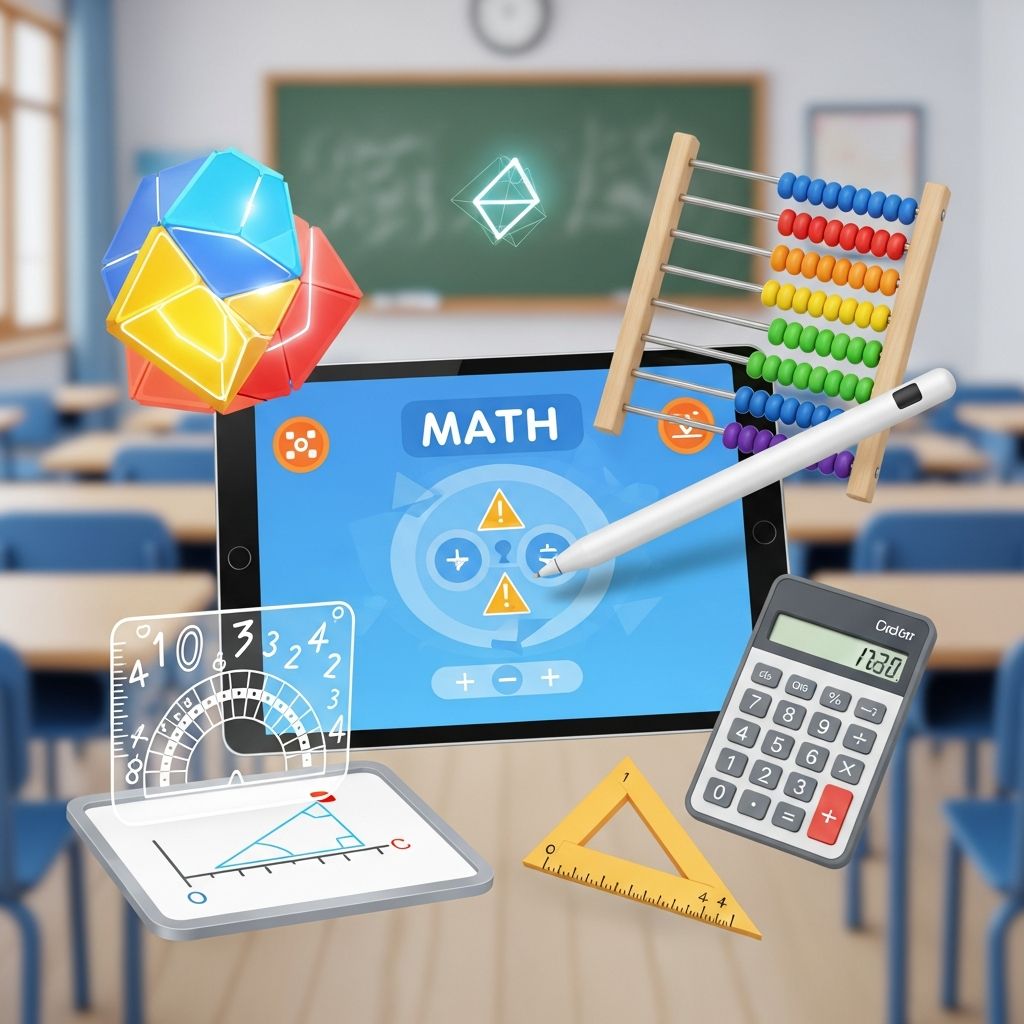
Mathematics education has evolved dramatically with the advent of digital platforms that turn abstract concepts into interactive experiences. These tools not only reinforce core skills like arithmetic and geometry but also foster problem-solving and critical thinking through gamification and visualization. Teachers and parents can leverage free and affordable apps to create dynamic learning environments that captivate young minds.
Why Digital Math Resources Revolutionize Learning
Traditional math instruction often struggles with student motivation, especially when topics feel disconnected from real life. Digital tools address this by incorporating elements of play, immediate feedback, and personalization. Research-backed platforms adapt to individual paces, ensuring no student is left behind while challenging advanced learners. For instance, gamified apps use rewards, quests, and avatars to mimic popular video games, making practice sessions feel like entertainment rather than chores.
These resources align with educational standards, covering everything from basic counting to pre-algebra. They provide teachers with analytics to track progress, identify weaknesses, and adjust instruction accordingly. Moreover, accessibility is key—many are web-based, requiring no downloads, and work on tablets, computers, or smartphones.
Top Platforms for Building Foundational Skills
For young learners tackling addition, subtraction, and early geometry, certain apps stand out for their whimsical designs and structured progression.
- Moose Math: This app immerses kids in a vibrant world where they run shops and pet stores while practicing counting, sorting, and basic operations. Progress reports help educators monitor skill development, turning data into actionable insights.
- Math Playground: Boasting over 300 free games, it targets key areas like fractions, decimals, and place value. Logic puzzles add a layer of reasoning, preparing students for advanced topics without overwhelming them.
These tools emphasize repetition through fun challenges, ensuring concepts stick. Visual models, such as dragging objects to build equations, help concrete thinkers grasp abstract ideas.
Adaptive Learning Games for Personalized Practice
Personalization is a game-changer in math education. Adaptive algorithms adjust difficulty in real-time, keeping students in their zone of proximal development.
| Platform | Key Features | Grade Levels | Pricing |
|---|---|---|---|
| Prodigy | Fantasy quests with math battles, teacher dashboards, standards-aligned questions | 1-8 | Free (premium $6.25/month) |
| Happy Numbers | Story-driven lessons with Dino guide, progress tracking, customizable classes | K-5 | Subscription-based |
| Reflex | Fluency-building missions for operations, animated challenges | Elementary | Subscription |
Prodigy, for example, lets students battle creatures by solving problems, with multiplayer options for social learning. Teachers assign specific skills, and the system reports on mastery levels. Happy Numbers uses narrative to teach higher concepts, blending engagement with research-based pedagogy.
Virtual Manipulatives and Interactive Widgets
Hands-on learning goes digital with virtual manipulatives that mimic physical tools. Platforms like Polypad offer fraction bars, balance scales, and protractors, enabling experimentation without mess.
- Students drag dice or spinners to explore probability.
- Logic gates introduce coding basics alongside math.
- BookWidgets provides 30+ free activities, from animated graphs to LaTeX-supported puzzles.
Didax complements this with video-guided games for K-5, covering diverse topics freely online. Toy Theater adds pictographs and line plots, reinforcing data skills playfully.
Standards-Aligned Challenges and Missions
Alignment with Common Core ensures these tools fit seamlessly into curricula. Buzzmath delivers 30,000+ interactive questions with badges and avatars, used by over 700,000 students.
Classroom games like those from Happy Numbers blog extend digital fun offline, such as Math Twister or Addition Bingo, but digital versions amplify scalability.
Blending Digital and Hands-On Activities
While digital tools shine, combining them with low-tech games maximizes retention. For example, follow a Prodigy session with a shape scavenger hunt using household items.
- Counting Card Towers: Build structures by matching card values, enhancing number sense.
- Measure It Up: Use rulers and cups to compare real objects, linking to app-based measurement games.
- Board Game Adaptations: Monopoly for money skills or Set for patterns.
This hybrid approach caters to varied learning styles, with Edutopia noting how apps rectify visualization struggles.
Implementation Tips for Educators
To integrate effectively:
- Start with short sessions to build buy-in.
- Use dashboards for differentiation.
- Incorporate class competitions for motivation.
- Pair with discussions to deepen understanding.
EdWeek highlights that not all apps work equally—prioritize those with evidence of efficacy, like adaptive ones over passive videos.
Frequently Asked Questions
Are these math games suitable for all grade levels?
Yes, most platforms cover K-8, with adaptive features ensuring age-appropriate challenges.
Do they require subscriptions?
Many offer free core access, like Math Playground and Prodigy basic, with premiums for extras.
How do teachers track student progress?
Detailed reports on skills mastered, time spent, and areas needing improvement are standard in tools like Happy Numbers and Reflex.
Can these tools replace traditional teaching?
No, they supplement instruction, best used alongside direct teaching for comprehensive learning.
Are they accessible on all devices?
Primarily web-based for broad compatibility, including Chromebooks common in schools.
Future Trends in Math EdTech
Expect more AI-driven personalization and VR integrations. Current tools already show retention boosts—Prodigy users gain 1.5 grades in progress. As devices proliferate, equitable access remains key, with free options bridging gaps.
In summary, these digital math tools empower educators to make learning irresistible. By selecting platforms that match classroom needs, teachers can ignite passion for math that lasts a lifetime.
References
- Math Games – Free Online for Grades K–6 | Math Playground — Math Playground. 2023. https://www.mathplayground.com/math-games.html
- Top Online Math Tools For Elementary Students — ASU Prep Global. 2023. https://www.asuprepglobal.org/news/online-math-tools-for-elementary-students/
- 6 Engaging and Interactive Games That Make Math Fun for Kids — Lingokids. 2023. https://lingokids.com/blog/posts/6-engaging-interactive-games-that-make-math-fun-for-kids
- 9 Teacher-Tested Apps to Enhance Math Instruction — Edutopia. 2023. https://www.edutopia.org/article/teacher-tested-math-apps/
- The Ultimate Collection of 30 Free Interactive Math Activities — BookWidgets. 2024-02. https://www.bookwidgets.com/blog/2024/02/the-ultimate-collection-of-30-free-interactive-math-activities

- Integrated M.A. in Applied Linguistics, University of Hyderabad
- 5+ years in editorial, instructional, SEO, and research-based writing
Sneha is a relationships and lifestyle writer with a strong foundation in applied linguistics and certified training in relationship coaching. She brings over five years of writing experience to theskillvault, crafting thoughtful, research-driven content that empowers readers to build healthier relationships, boost emotional well-being, and embrace holistic living. Her writing and insights reflect the belief that beauty, happiness, and wellness…